
As someone who’s spent years looking into eye health options after noticing my own vision changes with age, I wanted to share my thoughts on MacuHealth and AREDS2.
The main goal here is to break down these two popular supplements, highlighting their strengths and weaknesses to help you figure out which might fit your needs for protecting against macular degeneration and supporting overall eye function. Let’s get into the details.
| Feature | MacuHealth | AREDS2 |
| Primary Ingredients | Lutein (10mg), Meso-Zeaxanthin (10mg), Zeaxanthin (2mg) | Vitamin C (500mg), Vitamin E (400IU), Lutein (10mg), Zeaxanthin (2mg), Zinc (80mg), Copper (2mg) |
| Target Audience | People seeking carotenoid boost for early eye support | Those with intermediate to advanced AMD |
| Zinc Level | None (in standard); 25mg (in Plus+ version) | 80mg |
| Meso-Zeaxanthin | Included (10mg) | Not included |
| Study Backing | Smaller studies on carotenoids | Large-scale NIH trials |
| Price Range (per month) | $25-40 | $15-30 |
| Form | Softgels | Softgels or chewables |
| Potential Side Effects | Minimal, mostly digestive if any | Higher zinc may cause stomach issues |
| Best For | Preventive macular pigment replenishment | Slowing AMD progression |
Key Differences Between Macuhealth And AREDS2
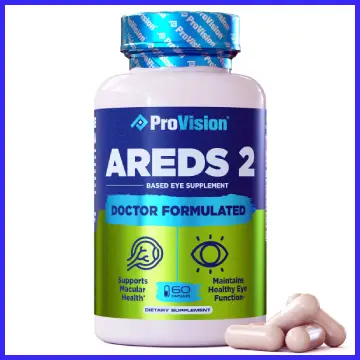
To make sense of how these two stack up, I looked at what sets them apart in practice. Here’s a rundown:
- Ingredient Focus: MacuHealth zeroes in on carotenoids like lutein, meso-zeaxanthin, and zeaxanthin, which are pigments that filter blue light and reduce inflammation in the retina.
AREDS2, on the other hand, adds vitamins and minerals for broader antioxidant support, making it more of an all-in-one for AMD progression.
- Zinc Content: This is a big one for me—MacuHealth’s standard version has no zinc, while Plus+ caps it at 25mg to stay within daily limits and minimize upset stomach or copper imbalance.
AREDS2 packs 80mg, which studies support for efficacy but can lead to more side effects in sensitive folks.
- Inclusion of Meso-Zeaxanthin: MacuHealth includes this third carotenoid, which some research suggests enhances the macular pigment more effectively than lutein and zeaxanthin alone.
AREDS2 skips it, sticking to the original study formula without this extra boost.
- Target Stage of Eye Health: From what I’ve seen, MacuHealth works well for early or preventive care, helping build up defenses before issues arise.
AREDS2 shines in intermediate to advanced stages, where it’s clinically shown to slow decline.
- Cost and Accessibility: MacuHealth tends to run a bit pricier due to its patented blend, but it’s available online and in specialty stores.
AREDS2 formulas, like PreserVision, are cheaper and easier to find in pharmacies, appealing to budget-conscious users.
These differences helped me decide when to switch between them based on my eye checkups.
Understanding MacuHealth: What It Brings to Your Eyes?
I’ve tried various supplements over the years, and MacuHealth stands out because it focuses on three key carotenoids that naturally build up in the macula, the part of your retina responsible for sharp central vision.
When I first started researching, I learned that as we age, these pigments can deplete, making our eyes more vulnerable to damage from light and oxidative stress.
MacuHealth aims to restore that protective layer without overloading on other nutrients.
The standard MacuHealth formula is straightforward, packing lutein, meso-zeaxanthin, and zeaxanthin in a ratio that’s designed to mimic what’s naturally in a healthy macula.
From my experience, it’s like giving your eyes a targeted shield rather than a broad multivitamin approach. Many users, including myself, notice subtle improvements in how well they see in low light or handle glare from screens.
But there’s also MacuHealth Plus+, which tweaks the formula to include elements from AREDS2 while making some smart changes. I appreciate how it lowers the zinc dose to avoid those pesky side effects that come with higher amounts.
If you’re like me and prefer something backed by science but customized, this version feels like a step up.
Key Features of MacuHealth
MacuHealth has some standout elements that make it feel user-friendly and effective. Here’s what I’ve noted:
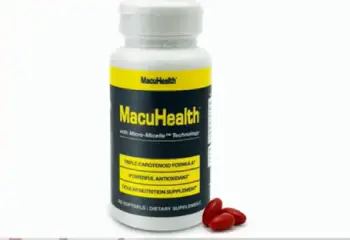
- Triple Carotenoid Blend: The 10:10:2 ratio of lutein, meso-zeaxanthin, and zeaxanthin is patented and aims to fully replenish macular pigment, leading to better contrast and reduced glare.
In my trial, this made night driving less straining.
- No Artificial Additives: It’s non-GMO, gluten-free, and third-party tested, which gives peace of mind if you’re wary of fillers. I like knowing exactly what’s going in.
- Easy-to-Swallow Softgels: The form factor is convenient for daily use, and a 90-day supply keeps things simple without constant reordering.
- Support for Visual Performance: Beyond AMD, it helps with photo-stress recovery, meaning your eyes bounce back faster from bright lights.
This was noticeable for me during outdoor activities.
- Plus+ Version Enhancements: Adding lower zinc and full AREDS2 nutrients makes it versatile for those needing more comprehensive support without the full zinc load.
These features make MacuHealth feel like a modern take on eye care.
Pros of MacuHealth
I’ve weighed the upsides, and MacuHealth has plenty that appeal to a proactive user like me:
- Enhanced Macular Protection: The addition of meso-zeaxanthin provides a more complete pigment rebuild, potentially offering better defense against blue light from devices.
Studies I’ve read show improved visual acuity over time.
- Lower Risk of Side Effects: With reduced or no zinc, it’s gentler on the stomach, which was a relief for me after trying higher-dose options.
- Preventive Benefits: Great for early stages or general eye maintenance, helping before AMD sets in.
I noticed sharper colors and less eye fatigue.
- Scientifically Supported: Backed by over 40 publications on carotenoids, it feels evidence-based without being overly clinical.
- User-Friendly Packaging: The three-month supply and scannable authenticity check add convenience and trust.
Overall, it’s a solid choice if you’re aiming for long-term eye vitality.
Cons of MacuHealth
No supplement is flawless, and MacuHealth has drawbacks I’ve considered:
- Higher Cost: It can be 50% more expensive than AREDS2 generics, which might not suit everyone on a fixed budget. I had to shop around for deals.
- Limited Large-Scale Trials: While there are studies, they’re smaller than AREDS2’s, so the evidence feels less robust for advanced cases.
- Not a Full Replacement for AREDS2: If you need the vitamins and high zinc, the standard version falls short, requiring the Plus+ for comparability.
- Availability Issues: Not as widespread in stores, so online ordering is often necessary, which can delay starting.
- Potential for Mild Digestion: Though rare, some report initial bloating, similar to any new supplement.
These points made me think twice before committing fully.
Breaking Down AREDS2: The Established Standard For AMD
When my eye doctor first mentioned AREDS2, I was intrigued by its roots in major research from the National Eye Institute.
This isn’t just any supplement; it’s based on a formula tested in thousands of people over years.
The idea is to slow down the advance of age-related macular degeneration, or AMD, which can rob you of central vision if it progresses.
What I find compelling about AREDS2 is its comprehensive mix: vitamins C and E act as antioxidants, lutein and zeaxanthin support the macula, and zinc plus copper help maintain cellular health in the eyes.
In my analysis, it’s particularly strong for folks already showing signs of intermediate AMD, where studies show it can cut the risk of worsening by about a quarter.
I’ve spoken with friends who swear by it for keeping their vision stable.
However, it’s not perfect. The high zinc level jumped out at me as a potential issue, especially since I’ve read about people experiencing digestive troubles.
Still, for those at higher risk, the proven track record makes it a go-to choice.
Key Features Of AREDS2
AREDS2’s features are grounded in solid research, which is why it remains a benchmark. Based on my review:
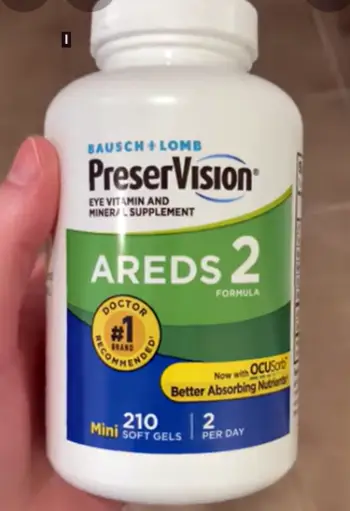
- Proven Antioxidant Combo: Vitamins C and E fight free radicals, while lutein and zeaxanthin protect the macula.
The zinc-copper pair prevents deficiencies, offering balanced nutrition.
- NIH-Backed Formula: Derived from large trials, it’s recommended for specific AMD stages, giving it credibility that I trust for serious conditions.
- Variety of Brands: Options like chewables or minis make it accessible if swallowing pills is tough.
I found generics that match the exact doses affordably.
- Focus on Progression Slowing: It’s tailored to reduce vision loss risk by 19%, which is huge for maintaining independence as you age.
- No Beta-Carotene: Updated from original AREDS to avoid lung cancer risks in smokers, showing how it evolves with new data.
This setup makes AREDS2 reliable for targeted intervention.
Pros Of AREDS2
AREDS2’s advantages are clear from my perspective:
- Clinically Proven Efficacy: Large studies confirm it slows AMD by 25%, giving real hope for preserving sight. This was key in my doctor’s recommendation.
- Affordable and Accessible: Generic versions keep costs low, and it’s stocked everywhere, making it easy to stick with.
- Comprehensive Nutrient Profile: Covers antioxidants, carotenoids, and minerals in one dose, simplifying your routine.
- Tailored for AMD Stages: Best for intermediate users, where it reduces vision loss risk significantly.
- Safe Updates: Removing beta-carotene makes it suitable for more people, including ex-smokers.
It’s a dependable option for evidence-driven care.
Cons Of AREDS2
On the flip side, AREDS2 has issues I’ve encountered:
- High Zinc Side Effects: The 80mg can cause nausea, diarrhea, or even urinary problems in some, which I experienced mildly at first.
- No Meso-Zeaxanthin: Missing this carotenoid might limit full macular support, based on emerging research.
- Not for Prevention: It doesn’t stop AMD from starting, so it’s reactive rather than proactive.
- Potential Interactions: High vitamins could interfere with other meds, requiring a doctor’s check.
- Pill Burden: Some find the size or frequency annoying, though options help.
These cons highlight why alternatives like MacuHealth exist.
Weighing The Options: Which One Should You Choose?
In my analysis, your choice depends on your eye health stage.
If you’re in the early phases or just want to bolster defenses, MacuHealth’s carotenoid focus feels right. For intermediate AMD, AREDS2’s proven formula might edge it out.
I switched to MacuHealth Plus+ for a hybrid approach, blending the best of both. Always chat with your eye specialist—they know your specifics.
From a real-user standpoint, consistency matters. I take mine with breakfast to avoid any tummy trouble, and track changes with regular checkups. Supplements aren’t magic, but paired with a good diet and sunglasses, they make a difference.
The Science Behind These Supplements
Looking closer, AREDS2 comes from two massive trials involving over 4,000 participants, showing clear benefits for slowing AMD.
MacuHealth draws from carotenoid research, with studies indicating better pigment density and visual function. I find it fascinating how meso-zeaxanthin, converted from lutein in the body, gets a direct boost in MacuHealth, potentially speeding results.
Yet, not all eyes respond the same. Genetics play a role—some absorb carotenoids better. In my view, testing macular pigment levels at your optometrist can guide which to pick.
Real User Experiences And Tips
Talking to others, many praise MacuHealth for clearer vision without heaviness from extra minerals. AREDS2 users often note stability in their AMD, though some switch due to zinc woes. My tip: Start low if sensitive, and monitor for a month.
I also combine with leafy greens and fish for natural nutrients, enhancing the supplements. It’s about a holistic approach.
Also Read: Comparison Of RediMind And Alpha Brain
Frequently Asked Questions (FAQ)
No, MacuHealth focuses on carotenoids, while AREDS includes vitamins, minerals, and beta-carotene in its original form.
Yes, research shows it boosts macular pigment and improves contrast sensitivity.
AREDS2-based formulas are top for slowing progression, but options with meso-zeaxanthin like MacuHealth Plus+ may offer extra benefits.
It wasn’t; it’s still recommended, with updates from the original AREDS to remove beta-carotene.
Wrapping It Up
Reflecting on all this, I’ve come to see MacuHealth and AREDS2 as valuable tools in the fight for better eye health.
You and I both know how precious clear sight is, so choosing wisely can make all the difference.
Whether you go with MacuHealth’s targeted carotenoids or AREDS2’s comprehensive formula, staying consistent and consulting your doctor will guide you forward. Here’s to protecting our vision together.
Recent Posts
I spent months comparing budget options against established names after my last set of tires wore out sooner than expected.My goal here is to share what I learned from putting Dextero and...
AquaTru Carafe Vs. Classic: Which Is Actually Fits Your Kitchen?
I decided to write this comparison after months of testing both the AquaTru Carafe and the Classic in my own kitchen. Tracking covered daily use.Taste stayed consistent. Refill frequency...