
You know that moment when you discover something that just elevates your daily routine? That’s exactly what happened when I tried Manukora Manuka Honey.
If you’re looking for a natural boost to your health, immunity, and even your skin, this is the one you should grab right now. It’s not just honey—it’s a powerhouse from New Zealand’s remote forests, packed with unique compounds that make it stand out.
Trust me, once you taste its creamy richness and feel the benefits, you’ll wonder why you waited so long. Go ahead and add it to your cart; your body will thank you.
My First Experience With Manukora Manuka Honey
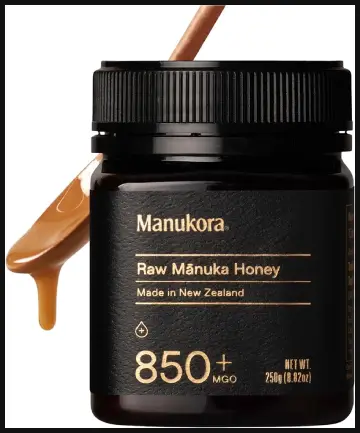
Let me take you back to when I first got my hands on a jar of Manukora Manuka Honey.
It was about six months ago, during a particularly rough winter when I was battling constant fatigue and a nagging sore throat that wouldn’t quit.
I’d heard whispers about Manuka honey’s legendary properties from friends who swore by it for everything from digestion to wound healing, but I was skeptical.
After all, honey is honey, right? Wrong. I ordered the MGO 600+ variant online, and when it arrived, the packaging alone screamed quality—simple, elegant, with that traceable QR code that lets you scan and see exactly where your batch came from.
I remember twisting off the lid and being hit with this deep, caramel-like aroma that was worlds away from the runny stuff I used to buy at the grocery store.
My first taste? Pure bliss. It was thick, almost buttery, spreading smoothly on my morning toast without dripping everywhere.
I started small, just a teaspoon stirred into my herbal tea each day.
Within a week, that sore throat eased up, and I felt a subtle energy lift—no more mid-afternoon crashes.
You might think I’m exaggerating, but I tracked it in my journal.
I even experimented with it on a minor cut from chopping veggies; I dabbed a bit on, covered it, and it healed faster than usual, with less redness.
No infection, just smooth recovery. As someone who’s always on the go, I incorporated it into my skincare routine too—mixing a dollop with yogurt for a face mask.
My skin glowed, pores tightened, and that dry patch on my cheek vanished. But it wasn’t all perfect; the price made me pause at first, though the results justified every penny.
Over the months, I’ve used it in recipes, like drizzling over oatmeal or blending into smoothies, and it adds this complex sweetness that’s not overpowering.
I shared some with my partner, who deals with seasonal allergies, and they noticed fewer sniffles after a couple of weeks. We even tried it as a natural sweetener in baking, replacing sugar in muffins, and the flavor depth was incredible.
Honestly, it’s become a staple in our kitchen. If you’re like me and value natural remedies over synthetic stuff, this honey delivers. I’ve reordered twice now, trying higher MGO levels each time, and the consistency in quality keeps me coming back.
It’s not just a product; it’s an experience that makes you feel connected to nature’s best.
Pros Of Manukora Manuka Honey
You and I both know that not all honeys are created equal, and Manukora really shines in several ways. Let me break it down for you from my own use and what I’ve learned.
- Exceptional Health Benefits
What drew me to Manukora in the first place was its reputation for health perks, and boy, does it deliver.
This honey is loaded with methylglyoxal, or MGO, which gives it strong antibacterial properties.
I’ve used it to soothe my gut after heavy meals, and it works like a charm, easing bloating without any harsh side effects.
You can feel the difference when you take a spoonful daily—it’s like giving your immune system a gentle nudge.
Studies I’ve come across back this up, showing how Manuka honey supports wound healing and fights off bacteria better than regular varieties.
In my case, during flu season, I upped my intake, and I managed to dodge the usual colds that plague everyone around me.
If you’re dealing with digestive issues or just want to bolster your defenses, this is your go-to.
- Unique Flavor and Texture
Let’s talk taste because that’s where Manukora blows me away every time.
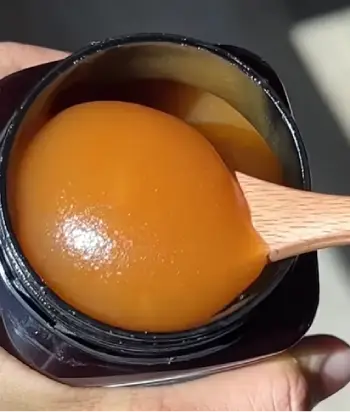
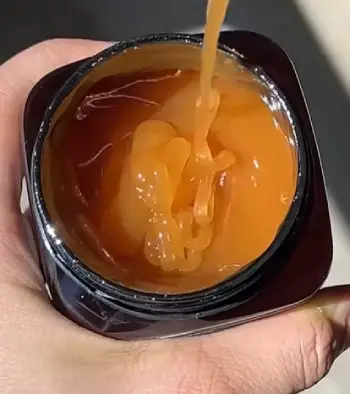
Unlike the watery honey you’re probably used to, this one has a creamy, velvety texture that ribbons beautifully when you pour it.
The flavor? It’s got these rich caramel and toffee notes with a subtle earthiness that makes it addictive. I’ve spooned it straight from the jar on tough days, and it feels indulgent without being overly sweet.
You can mix it into your coffee or tea, and it elevates the whole drink. My friends who’ve tried it from my stash always comment on how complex it is—nothing like the bland stuff from the store.
Plus, the varying MGO levels let you choose based on your preference; lower for everyday use, higher for that potent kick.
- Ethical Sourcing and Traceability
I appreciate how Manukora puts the bees and environment first, and you should too.
Their honey comes from remote New Zealand areas, harvested sustainably without harming the hives.
That QR code on the jar? Scan it, and you see the exact hive location, batch details, and testing results.
It makes me feel good knowing I’m supporting ethical practices. In a world full of fake products, this transparency builds trust.
I’ve shared this with family, and they love knowing their honey is pure, non-GMO, and free from residues. It’s not just about the product; it’s about the story behind it, and Manukora nails that.
- Versatility in Use
You wouldn’t believe how versatile this honey is in my daily life. Beyond eating it, I’ve used it topically for skin issues—acne spots fade quicker when I apply a thin layer.
In the kitchen, it pairs perfectly with cheese boards or glazes for meats, adding a gourmet touch without effort. During workouts, a quick spoonful gives me natural energy without the crash of sugary snacks.
If you have kids or pets, it’s safe and beneficial; I’ve even heard of people using it for minor pet wounds. The possibilities are endless, making it worth every cent in my book.
Cons Of Manukora Manuka Honey
Of course, nothing’s perfect, and I’ve run into a few drawbacks with Manukora that you should know about before diving in.
- High Cost
I’ll be upfront: this honey isn’t cheap. A jar can set you back more than regular honey, especially the higher MGO grades.
When I first bought it, I hesitated, thinking, “Is this really necessary?” For budget-conscious folks like us, it might feel like a splurge.
But after seeing the benefits, I adjusted my spending—maybe skip a few takeouts to afford it. Still, if you’re just starting, the price could be a barrier.
- Potential Crystallization
Over time, my jars have crystallized a bit, turning grainy instead of smooth.
It’s natural for raw honey, but it caught me off guard at first.
You can warm it gently to liquify, but it’s an extra step. If you prefer hassle-free texture, this might annoy you, though it doesn’t affect the quality.
- Not Ideal for Everyone
If you have diabetes or blood sugar concerns, watch out—it’s still sugar, even if natural. I’ve monitored my levels, and it’s fine in moderation, but consult your doctor.
Also, some batches feel drier than others, which might not appeal if you like runny honey. And while rare, if you’re allergic to bee products, steer clear.
Tips For Manukora Manuka Honey
Keeping your Manukora honey in top shape is key to enjoying its full potential, and I’ve picked up some tricks along the way.
Let’s get into the details so you can make the most of yours.
- Optimal Storage Conditions
First things first, store it right to preserve those precious compounds. I keep mine in a cool, dry pantry away from direct sunlight—aim for 50 to 77 degrees Fahrenheit.
Heat can degrade the MGO, so no leaving it near the stove or in a hot car.
You don’t need to refrigerate it; that can cause quicker crystallization. Instead, room temperature works best.
If your kitchen gets warm, consider a cupboard far from windows. This way, the flavor and potency stay intact for years.
- Handling Crystallization
Crystallization happens because it’s raw and unprocessed, which is a good sign of quality.
When mine gets grainy, I place the jar in warm water—not boiling, just lukewarm—for a few minutes, stirring gently.
Avoid microwaves; they can kill beneficial enzymes. You can prevent it somewhat by storing consistently cool.
If it crystallizes fully, it’s still edible—some people even prefer the spreadable texture on bread.
- Daily Usage Practices
When scooping, always use a clean, dry spoon to avoid introducing moisture or contaminants. I seal the lid tightly after each use to keep air out.
If you’re sharing with family, remind them of this to prevent spoilage. For longer storage, glass jars are ideal if transferring, but Manukora’s packaging is fine as is.
Check the best-before date, though raw honey lasts indefinitely if stored well.
- Cleaning and Reusing Jars
Once empty, those jars are gold for repurposing. I wash mine with warm soapy water, rinse thoroughly, and use for storing nuts or homemade balms.
But while full, if spills happen, wipe with a damp cloth—don’t submerge. This keeps everything hygienic and extends the honey’s life.
- Monitoring Quality Over Time
Pay attention to changes; if it darkens or smells off, it might have been exposed to heat. Mine has stayed consistent for months.
Rotate jars if you buy in bulk—use older ones first. This ensures you always have fresh-tasting honey ready.
Comparing Manukora Manuka Honey With Other Brands
When I started exploring Manuka honey, I tried a few brands to see how Manukora stacks up. Here’s what I found, focusing on key differences that matter to you and me.
- Manukora Manuka Honey Versus Comvita
Comvita is another New Zealand player, and I’ve sampled their UMF-rated honeys.
They’re solid for authenticity, with similar traceability, but Manukora edges out in creaminess—I found Comvita a tad thinner, lacking that luxurious ribbon effect.
Price-wise, Comvita can be comparable or slightly cheaper for mid-range MGO, but Manukora’s ethical bee focus feels more pronounced.
If you want bold flavor, I’d pick Manukora; Comvita suits if you’re after variety in products like lozenges.
- Manukora Manuka Honey Versus Wedderspoon
Wedderspoon uses a KFactor rating, which confused me at first compared to Manukora’s clear MGO/UMF.
Their honey is raw and non-GMO too, but I noticed it’s often lighter in color and less complex in taste—more floral, less caramel.
Manukora’s higher antioxidant levels gave me better digestive relief in my trials.
Wedderspoon is usually more affordable, making it great for beginners, but if potency is your priority, Manukora wins for daily wellness.
- Manukora Manuka Honey Versus New Zealand Honey Co.
This brand boasts high UMF ratings and has been named a top pick in tests. Their honey is potent, similar to Manukora’s top tiers, but I found it pricier per ounce.
Manukora’s texture is smoother, while New Zealand Honey Co. can be grainier. Both emphasize purity, but Manukora’s remote sourcing adds an exclusivity I appreciate.
If you’re chasing awards, go for them; for everyday indulgence, Manukora feels more approachable.
- Manukora Manuka Honey Versus Airborne
Airborne offers budget-friendly options with decent MGO, and I’ve used it for cooking. It’s floral and light, but lacks Manukora’s depth—think basic versus gourmet.
Airborne is easier on the wallet, ideal if you’re experimenting, but Manukora’s superior antibacterial action made a noticeable difference in my skin routine.
Plus, Manukora’s glyphosate-free certification gives peace of mind over Airborne’s.
- Manukora Manuka Honey Versus Manuka Health
Manuka Health focuses on science-backed benefits, much like Manukora. Their MGO ratings align, but I preferred Manukora’s bolder, toffee-like profile over their milder one.
Both are UMF-certified at company levels, but Manukora’s batch variation feels more natural and exciting. Price is similar, but Manukora’s sustainability story resonates more with me.
If research is your thing, Manuka Health might appeal; for taste and ethics, stick with Manukora.
Also Read: Comparison Of Boba Nutrition And Boba Tea Protein
Frequently Asked Questions (FAQ)
New Zealand Honey Co. is often rated as the most trusted based on independent tests.
Manukora is a specific brand of Manuka honey, distinguished by its creamy texture, ethical sourcing, and high MGO levels compared to generic Manuka.
Yes, for its potent health benefits like immunity and digestion support, though it’s pricier than regular honey.
Yes, the company is UMF-certified, and products feature MGO/UMF ratings.
Wrapping Up
if you’re ready to invest in something that truly enhances your health and daily life, Manukora Manuka Honey is the way to go.
From the immune support to the delicious versatility, it’s transformed how I approach wellness.
Don’t hesitate—pick up a jar today and experience the difference yourself. You deserve this natural upgrade.
Recent Posts
I spent months comparing budget options against established names after my last set of tires wore out sooner than expected.My goal here is to share what I learned from putting Dextero and...
AquaTru Carafe Vs. Classic: Which Is Actually Fits Your Kitchen?
I decided to write this comparison after months of testing both the AquaTru Carafe and the Classic in my own kitchen. Tracking covered daily use.Taste stayed consistent. Refill frequency...