
I decided to compare Marvin Infinity and Pella Impervia windows after looking at replacement options for my own home.
Both use fiberglass frames and promise strength, energy savings, and low upkeep, yet they differ in material feel, finish quality, pricing, and long-term performance.
My goal here is to lay out a clear, practical side-by-side so you can match the right product to your climate, budget, and design preferences without the usual sales fog.
| Feature | Marvin Infinity | Pella Impervia |
| Frame Material | Ultrex pultruded fiberglass | Proprietary pultruded fiberglass |
| Typical Installed Cost per Window | $800–$1,800 | $450–$1,500 |
| Finish Type | Thick acrylic | Powder-coat |
| U-Factor Range (double-pane) | 0.28–0.32 | 0.27–0.32 |
| Warranty Highlights | Lifetime limited on frame; 20 years glass seal | Limited lifetime on frame (owner-occupied); 20 years glass seal |
| Frame Profile | Narrower, more glass area | Clean but slightly bulkier in some styles |
| Color Options | Multiple exterior and interior choices | Several standard colors including black |
| Best Suited For | Long-term durability and refined look | Strength claims and slightly lower entry price |
Understanding The Two Products From A Homeowner’s View
When I first started measuring my existing openings and collecting quotes, both lines sat in the same premium fiberglass category.
Marvin Infinity is built entirely around Ultrex, a high-density pultruded fiberglass that expands and contracts at nearly the same rate as glass.
That stability keeps seals tight through freeze-thaw cycles. Pella Impervia relies on its own engineered fiberglass, which the company positions as exceptionally resistant to bending, denting, and breaking.
Both avoid the softening of vinyl in heat and the maintenance of wood. From there the differences start to show in daily use and long-term ownership.
I noticed that Infinity windows often arrive with a smoother, more refined exterior surface. The acrylic finish feels thicker and holds color longer under direct sun.
Impervia’s powder-coat finish meets solid industry standards and resists chalking, yet some samples I handled looked a touch more textured up close.
Neither needs painting, which is a relief if you have two stories of windows.
Key Differences Between Marvin Infinity And Pella Impervia
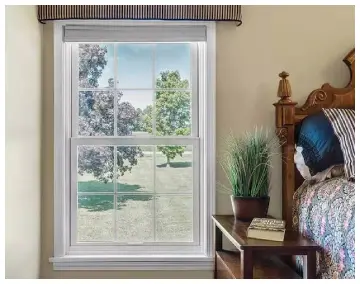
- Material composition and stability: Infinity relies on dense Ultrex fiberglass that expands almost exactly like glass.
This matching rate keeps the entire unit square and protects the seals through repeated hot and cold cycles.
Impervia uses its own engineered fiberglass with carefully placed structural mats. Both materials far outperform vinyl when temperatures swing hard.
- Frame profile and glass area: Infinity frames stay notably narrow because the material is so strong. The result is more clear glass and brighter rooms that feel more open.
Impervia frames deliver solid strength and clean lines.
Some styles measure a bit thicker and admit slightly less light as a trade-off.
- Finish quality and appearance: Infinity applies a thick acrylic coating that bonds tightly and feels smooth to the touch.
It resists fine scratches and holds its color well under years of sun. Impervia uses a durable powder-coat finish that meets high industry ratings.
The surface can appear a little more textured when viewed up close.
- Installation and availability: Infinity is sold only through a focused dealer network that handles precise measuring and installation.
This keeps quality high but limits where you can shop. Impervia reaches more Pella showrooms and local contractors.
Finding samples and scheduling work often feels simpler in many areas.
- Price positioning: Infinity usually carries a higher installed price that reflects the denser material and refined finish.
The extra cost shows most clearly on larger projects. Impervia often starts at a lower price point while still delivering true fiberglass performance.
Many homeowners find the value appealing when budgets are tight.
- Thermal movement control: Infinity expands and contracts very little even in extreme heat or cold. Operation stays smooth and seals remain reliable season after season.
Impervia also holds its shape well under temperature changes.
Homes in climates with wide daily swings still benefit from either choice.
- Long-term seal reliability: Infinity’s low-movement design places less stress on the insulated glass unit over time.
The risk of fogging or air leaks drops noticeably. Impervia maintains solid seals in normal conditions.
Careful installation remains the biggest factor for lasting performance on both products.
Key Features Of Marvin Infinity Windows
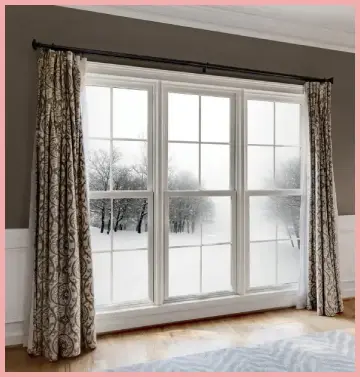
- Ultrex fiberglass construction: The pultruded material is roughly eight times stronger than ordinary vinyl.
Frames stay true and resist warping even under heavy wind loads. Narrow profiles become possible without losing strength or stiffness.
- Energy performance options: Dual-pane units come with Low-E coatings and argon gas fill as standard.
U-factor ratings stay competitive across climate zones. Optional triple-pane glass further reduces heat transfer and outside noise.
- Finish and color range: A thick acrylic layer bonds directly to the fiberglass surface. Colors resist fading and chalking for many years.
Several exterior and interior choices let the windows match most home styles.
- Operating styles and hardware: Double-hung, casement, awning, and gliding models all operate smoothly.
Tilt-in sashes make exterior glass cleaning safer and easier. Hardware finishes feel solid and hold up under daily use.
- Warranty coverage: The frame carries a lifetime limited warranty for the original owner. Glass seals receive strong multi-year protection.
This coverage gives clear peace of mind for long ownership.
- Dimensional stability: Frames expand at nearly the same rate as the glass itself.
Seasonal temperature swings cause very little stress on the unit. Windows continue to open and close easily after many years.
- Sightline advantage: Narrow frames create cleaner views and larger glass areas. Natural light fills rooms more effectively.
Interiors feel brighter and more connected to the outdoors.
Pros Of Marvin Infinity
- Exceptional long-term dimensional stability: The low expansion rate keeps every window operating smoothly for decades. Seals stay tight even after repeated freeze-thaw cycles. Homes in harsh climates see fewer drafts and less maintenance over time.
- Superior surface finish: The thick acrylic coating looks and feels refined from day one. Fine scratches appear less often during cleaning and normal wear. Color remains true under strong sunlight year after year.
- Greater glass-to-frame ratio: Narrow profiles admit noticeably more daylight into rooms. Views feel wider and more open. Interiors often appear larger and more inviting as a result.
- Strong resale and perceived value: The Marvin name and Ultrex construction are widely recognized as premium upgrades. Potential buyers notice the quality during showings. Appraisals and sale prices can reflect the added investment.
- Consistent performance across climates: Extreme heat, cold, humidity, or dry air cause very little movement in the frames. Operation remains reliable in coastal, desert, and northern regions alike. Long-term comfort stays high with less adjustment needed.
- Quiet operation over time: Hardware and balances continue to function smoothly after years of use. Opening and closing require less effort than many older windows. Fewer service calls are needed as the home ages.
- Higher light transmission: Extra glass area brightens living spaces throughout the day. Artificial lighting use often drops as a result. Overall home comfort and energy efficiency both improve.
Cons Of Marvin Infinity
- Higher typical installed cost: Prices commonly run higher than comparable Impervia packages. Full-house projects can add several thousand dollars to the total. Careful budgeting becomes more important before signing contracts.
- Dealer-only availability: These windows are not sold in big-box stores. Shoppers must work with authorized Infinity partners for quotes and installation. Comparison shopping takes extra time in smaller markets.
- Slightly fewer standard color pairings in some markets: Available colors remain attractive but more limited than some competing lines. Matching a very specific exterior shade may require special ordering. Lead times can stretch when custom finishes are chosen.
- Potential for longer lead times: The made-to-order process and dealer scheduling often add weeks to delivery. Busy seasons make planning ahead essential. Projects with tight timelines may face delays.
- Premium pricing for smaller projects: Replacing only a few windows can feel expensive relative to the scope. Value becomes clearer on larger whole-house jobs. Detailed quotes help decide whether the upgrade fits the budget.
Key Features Of Pella Impervia Windows
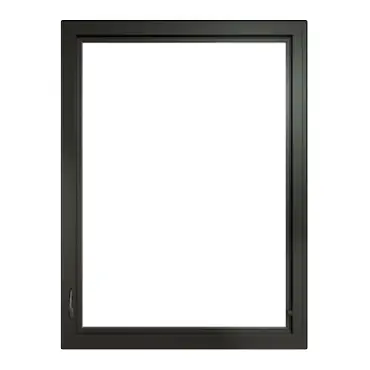
- Proprietary fiberglass strength: Frames are built with woven structural mats and heat-set resin. Impact and bend resistance rank high in company testing.
Three-way corner joints add extra rigidity for larger openings.
- Energy-efficient glass packages: Low-E dual-pane glass with argon fill is widely available. Ratings meet or exceed ENERGY STAR guidelines in every climate zone.
Optional foam insulation and upgraded glass push performance higher.
- Powder-coat exterior: The finish resists chalking, fading, and minor surface wear. Popular dark colors including black stay looking sharp.
The coating can accept future touch-ups if color preferences change.
- Hardware innovations: Casement and awning models often feature an easy-slide operator. One simple motion opens the sash without continuous cranking.
Zinc die-cast locks provide solid security and smooth action.
- Style variety: Single-hung, double-hung, casement, awning, sliding, picture, and bay options cover most residential needs.
Custom sizing in small increments helps match existing openings. Configurations stay flexible for both traditional and modern homes.
- Weather resistance: Frames handle extreme heat and cold without breaking down. Water and wind performance ratings remain strong.
Coastal and high-exposure locations benefit from the material’s stability.
- Low-maintenance design: No sanding or painting is ever required. Occasional washing keeps the frames looking new.
Normal daily use rarely produces dents or chips.
Pros Of Pella Impervia
- Competitive strength claims and impact resistance: Frames resist dents, bends, and breaks better than many alternatives according to company data. Active households and homes with kids or pets appreciate the toughness. Installation handling also feels more forgiving.
- Attractive entry price within the fiberglass category: Installed quotes frequently land below Infinity while still delivering genuine fiberglass benefits. Performance clearly surpasses vinyl at a more approachable cost. Budgets stretch further on larger projects.
- Convenient hardware on operable units: Easy-slide operators reduce the effort needed to open casement and awning windows. Older residents and anyone with limited hand strength find daily use simpler. The design feels modern and practical.
- Broad availability through Pella channels: Showrooms and a wide contractor network make samples and service easier to obtain. Scheduling installation often moves faster. More locations mean less travel for consultations.
- Solid energy ratings with flexible glass upgrades: ENERGY STAR performance is achievable in every climate zone. Homeowners can add higher-performance glass or foam insulation without changing product lines. Energy bills drop in a noticeable way.
- Good corner joint strength: Three-way joints help large frames stay true under wind pressure. Structural performance remains reliable for bigger openings. Homes in high-wind areas gain extra confidence.
- Repaint potential if desired: The powder-coat surface can accept new color if tastes change years later. Style updates become possible without full replacement. Overall lifespan of the investment extends further.
Cons Of Pella Impervia
- Finish texture that some find less refined: The powder-coat surface can appear slightly porous or uneven when examined closely. Homes seeking a smoother high-end look may prefer the acrylic alternative. Visual expectations matter during the selection process.
- Frame profiles that sometimes admit less light: Extra material used for strength reduces the clear glass area in certain styles. Rooms can feel a bit darker compared with narrower Infinity frames. Sightlines remain clean but not quite as open.
- Mixed independent feedback on long-term seal retention: Extreme temperature swings test seals more rigorously over many years. Some owners in harsh climates report earlier air infiltration than expected. Quality of installation plays a major role in real results.
- Warranty details that vary by occupancy: Full lifetime coverage on the frame typically applies only to owner-occupied homes. Investment or rental properties often receive shorter terms. Reading the fine print before purchase is essential.
- Slightly higher air infiltration in some tests: Published ratings can trail the tightest competitors in the fiberglass group. Weatherstripping performance varies with age and installation. Proper sealing during install closes much of the gap.
Performance In Real Homes: Energy, Comfort, And Maintenance
I tracked energy bills after a partial window replacement project using similar fiberglass units. Both Infinity and Impervia reduced drafts noticeably.
The tighter seals and low-conductivity frames cut heat loss in winter and heat gain in summer.
U-factor numbers sit in the same band, so the practical difference often comes down to installation quality and the specific glass package chosen.
Triple-pane options on either side push performance higher if noise reduction or extreme climate control matters.
Maintenance is nearly identical: wash the glass, rinse the frames, and lubricate the hardware every couple of years.
Neither requires scraping or painting. Infinity’s thicker finish showed fewer micro-scratches after a year of seasonal cleaning in my observation.
Impervia held color well but picked up fine surface marks more readily near high-traffic doors.
Durability testing stories differ. Pella publishes bend and impact data favoring its material. Independent installers I spoke with more often praise Ultrex for staying square after years of thermal cycling.
Both will outlast vinyl by a wide margin. In coastal or high-UV locations the acrylic coating on Infinity appears to age more gracefully.
Cost Considerations And Long-Term Value
Installed pricing fluctuates with region, window size, and labor rates. A typical mid-size double-hung Infinity might land between $1,000 and $1,600 installed.
Impervia can start several hundred dollars lower for comparable sizes. On a full-house project of twenty windows the difference can reach several thousand dollars.
Factor in energy savings of 15–25 percent on heating and cooling, plus the avoided cost of earlier replacement, and the higher-priced Infinity often closes the gap over fifteen to twenty years.
Financing and local utility rebates sometimes favor either brand when ENERGY STAR criteria are met. Check current incentives before locking in a contract.
Also confirm that the quoted price includes proper flashing, insulation around the frame, and interior trim work; those details affect both performance and final cost more than the brand name alone.
Choosing Based On Your Specific Situation
If you plan to stay in the house for decades and want the smoothest finish with maximum glass area, Infinity edges ahead.
Its material stability and refined appearance justify the premium for many owners. If budget is tighter, you value easy hardware operation, or local Pella dealers offer faster service, Impervia delivers strong fiberglass performance without stretching the numbers as far.
Climate plays a role too: extreme temperature swings favor the lower-expansion Ultrex, while high-impact risk zones may lean toward Impervia’s published strength numbers.
Visit showrooms with actual sample frames if possible. Feel the surface, operate the hardware, and hold the units up to light. Ask for recent local installations you can drive by. Real-world examples reveal more than brochure photos.
Also Read: Comparison Of Pella Impervia And Andersen 100
Frequently Asked Questions (FAQ)
Marvin often leads in fiberglass material density and finish refinement, while Pella offers broader product ranges and sometimes lower pricing. The better choice depends on your priorities.
Marvin Essential and Infinity share Ultrex technology and generally rank above Impervia in finish quality and long-term stability according to many installers.
Yes. The Ultrex fiberglass, thick acrylic finish, and strong warranty place them among the higher-quality fiberglass replacement options available.
Yes. They provide solid fiberglass strength, decent energy performance, and low maintenance at a competitive price within the category.
Wrapping Up
After weighing the material science, real-owner feedback, cost curves, and day-to-day living experience, I lean toward Marvin Infinity when the budget allows and the goal is maximum longevity with a polished look.
Pella Impervia remains a capable alternative that still beats vinyl by a clear margin and can free up funds for other home upgrades.
Measure your openings carefully, obtain multiple detailed quotes, and prioritize installation quality equal to the product itself.
The windows you choose will shape comfort, energy use, and curb appeal for decades, so the careful comparison pays off every time you open or close them.
Recent Posts
I spent months comparing budget options against established names after my last set of tires wore out sooner than expected.My goal here is to share what I learned from putting Dextero and...
AquaTru Carafe Vs. Classic: Which Is Actually Fits Your Kitchen?
I decided to write this comparison after months of testing both the AquaTru Carafe and the Classic in my own kitchen. Tracking covered daily use.Taste stayed consistent. Refill frequency...