
I’ve spent years testing lawn products in my own yard and helping neighbors figure out what actually works without wasting money.
My main intent here is to break down Menards fertilizer versus Scotts so you can decide which delivers better results for your grass, budget, and soil conditions based on real performance differences rather than brand hype.
| Feature | Menards Fertilizer | Scotts Fertilizer |
| Price Range | Lower, often $15–$30 per bag for comparable coverage | Higher, typically $25–$50+ per bag |
| Availability | Primarily Midwest stores and some online | Nationwide at most retailers and online |
| Slow-Release Technology | Polymer-coated options in Premium lines | Patented MUtech and advanced coatings for extended feed |
| Specialty Formulas | Solid basics, weed-and-feed, seasonal steps, 10-10-10 all-purpose | Extensive range including regional, starter, winterizer, southern-specific |
| Iron Content | Often higher in Premium lines for deeper green | Moderate to high, varies by product |
| Granule Consistency | Uniform prills, good spread | Micro-granules with strong adhesion |
| Best For | Budget-conscious Midwest lawns, clay soils | Premium results, specialized needs, wider grass types |
Key Differences Between Menards And Scotts Fertilizers
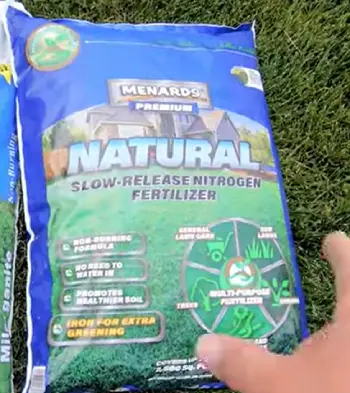
- Price and value: Menards store brands consistently undercut Scotts on cost per square foot and let me stretch a full seasonal program further while still covering the same yard size.
Scotts charges more because of brand research and marketing which shows up clearly in the final bag price every time I compare receipts.
- Nutrient release profiles: Scotts leans hard on patented slow-release nitrogen that feeds steadily for six to eight weeks and keeps color holding longer between applications in my tests.
Menards Premium lines use polymer-coated granules that also stretch the feed though the exact percentage of slow-release nitrogen can run a bit lower on some formulas.
- Regional focus versus national reach: Menards formulas feel tuned for Midwestern clay and cool-season grasses and handle those conditions with reliable results.
Scotts designs products that work across more climate zones and grass types including dedicated southern blends which makes them easier to find outside the Menards footprint.
- Weed control ingredients: Menards Step 1 products often use dithiopyr which both prevents and knocks back young crabgrass and gives a wider timing window.
Scotts frequently relies on pendimethalin for pre-emergent only and that difference matters when crabgrass pressure is high early in the season.
- Product variety depth: Scotts offers more niche options such as moss control insect combinations and seed-and-feed hybrids that cover almost every specialty need.
Menards covers the core seasonal needs well but keeps the lineup tighter and more straightforward for everyday maintenance.
Key Features Of Menards Fertilizer
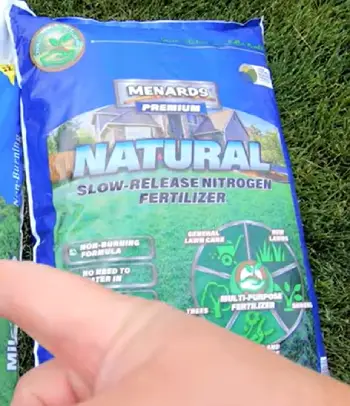
- Balanced NPK options including 10-10-10: The Ideal 10-10-10 all-purpose bags give equal nitrogen phosphorus and potassium and work well on garden beds and new seed areas where roots need support.
Higher-nitrogen formulas like 30-0-3 lawn food sit right next to them on the shelf for regular turf feeding.
- Multi-step seasonal programs: The Premium four-step system walks you through spring crabgrass prevention summer weed-and-feed fall food and winterizer with clear coverage rates around 3.4 pounds per thousand square feet on many products.
Each bag keeps the instructions simple enough for consistent results year after year.
- Iron-enhanced greening: Several Premium bags include about 2 percent iron that pushes a deeper color without needing a separate supplement.
I noticed faster visual response on thin spots compared with basic formulas that lack the extra iron boost.
- Affordable coverage sizes: Bags commonly cover 5,000 or 10,000 square feet which matches most suburban lots without forcing you to buy more than you need.
The sizing keeps waste low and the cost per application reasonable across the season.
- Spreader-friendly granules: The prills flow cleanly through both drop and broadcast spreaders and settings charts appear on many bags or online.
Calibration stays simple once you know your spreader model and the granules spread evenly without excessive dust.
Pros Of Menards Fertilizer
- Strong cost savings: You stretch your lawn budget further and I have run full-year programs for noticeably less than the equivalent Scotts steps while still getting solid green-up and density. The lower price frees money for aeration or overseeding when the lawn needs extra help.
- Effective on Midwest soils: The nutrient balance handles clay and typical northern deficiencies well and friends with heavy soil report fewer yellow patches after switching to the Premium line. Results stay reliable across the growing season when water and mowing stay consistent.
- Good crabgrass window: Dithiopyr gives a wider application timing than pure pre-emergents and that flexibility helps when spring weather turns unpredictable. Early seedlings get controlled without waiting for perfect soil temperatures every time.
- Straightforward application: Clear rates and fewer specialty additives mean less chance of overcomplicating the job and beginners find the bags easy to follow. The simple approach reduces mistakes that can lead to uneven color or wasted product.
- Reliable basic performance: For routine maintenance the store brands deliver visible improvement without premium pricing and many users report lawns that look as good as those treated with national brands. Steady results appear when the product is applied at the listed rates and watered in properly.
Cons Of Menards Fertilizer
- Limited geographic availability: Outside the Midwest you may need to order online or switch brands and local stock can also vary by store. That restriction makes planning harder if you travel or move outside the core service area.
- Narrower specialty range: Fewer options for unique problems such as moss or specific southern weeds mean you sometimes need extra products to cover every need. The core lineup handles standard lawns well but leaves gaps for unusual challenges.
- Variable slow-release percentage: Some bags lean more toward quicker release so color can fade sooner if you stretch the interval between applications. Tracking the exact formula on each bag becomes important to avoid mid-season fade.
- Fewer organic choices in core lines: The main programs stay synthetic and eco-focused users may look elsewhere for fully natural options. That limitation matters if soil biology and long-term organic matter rank high on your priority list.
- Brand perception: Some neighbors still assume store brands underperform and that mindset ignores real results but can influence resale curb-appeal conversations. The perception gap exists even when side-by-side tests show comparable green-up and density.
Key Features Of Scotts Fertilizer
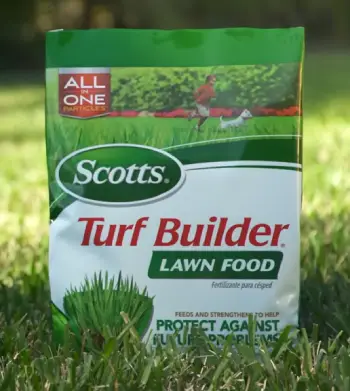
- Advanced slow-release nitrogen: MUtech technology and similar coatings deliver nutrients gradually so my lawn stays greener longer between feedings.
The steady release reduces the risk of sudden growth surges followed by fade that can happen with quicker formulas.
- Wide grass-type compatibility: Formulas exist for cool-season northern grasses and warm-season southern varieties and Turf Builder Lawn Food works across bermuda zoysia fescue and bluegrass.
Consistent results appear whether the lawn sits in shade or full sun when rates stay accurate.
- Integrated weed-and-feed options: Products combine fertilizer with herbicides that target dandelions clover and other common invaders and the packaging lists detailed coverage and timing instructions.
That combination cuts down on extra trips across the yard for separate treatments.
- Specialty seasonal products: Starter fertilizer for new seed WinterGuard for cold hardiness and Green Max with extra iron for rapid color let you match the exact stage of lawn growth.
These targeted bags fill gaps that basic all-purpose products leave open during critical windows.
- Extensive spreader setting data: Bags list settings for nearly every popular spreader brand and that level of detail cuts down on striping and uneven growth.
Following the printed numbers makes application more precise even for someone using a borrowed or older spreader.
Pros Of Scotts Fertilizer
- Consistent research-backed formulas: Decades of testing show up in reliable green-up and root strength and my lawn responds predictably across different weather seasons. The formulas deliver steady performance that reduces surprise outcomes after application.
- Broader product ecosystem: Matching seed weed control and fertilizer under one brand simplifies planning and you can stay inside the system for almost every step. That coordination saves time when building a full-year program from the same shelf.
- Excellent color retention: Slow-release technology keeps the lawn looking even longer and I water less between feedings because growth stays steady. The extended feed window reduces the number of trips across the yard each season.
- Nationwide easy access: Any big-box store or online cart usually has multiple Scotts options in stock and convenience matters when timing is tight. Finding the right bag rarely becomes a problem no matter where the lawn sits.
- Detailed instructions and support: Bags websites and packaging provide clear guidance for nearly every spreader and grass type and that reduces application mistakes. Following the printed directions produces more uniform results even for first-time users.
Cons Of Scotts Fertilizer
- Higher price tag: You pay for the name and technology and over a full season the difference adds up especially on larger properties. The premium cost can strain budgets when multiple applications are needed each year.
- Potential for over-application risk if rushed: High nitrogen levels demand careful rates and skipping the spreader calibration can lead to burn on hot days. Taking time to set the spreader correctly becomes essential to avoid damage.
- Some formulas focus more on blades than long-term soil: While color improves quickly soil biology benefits remain secondary compared with organic alternatives. Long-term soil structure gains stay limited unless other practices fill the gap.
- Granule issues in certain spreaders: Smaller micro-granules occasionally collect in wheel wells on specific models and create striping if not cleaned. Regular cleaning after each use prevents the striping pattern from showing up in the lawn.
- Marketing volume can overwhelm: The sheer number of products sometimes confuses first-time buyers trying to pick the right bag for their exact situation. Sorting through the options takes extra time before the correct product ends up in the cart.
Real-World Performance Observations
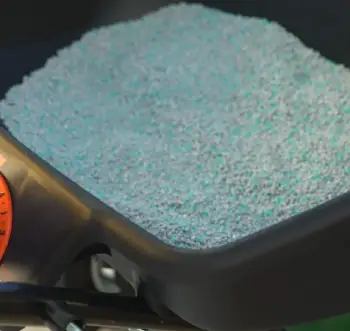
When I applied Menards Premium Step 1 and Scotts Halts side by side on similar cool-season sections both suppressed crabgrass effectively.
The Menards version gave a slightly broader kill window on seedlings that had already sprouted.
Color response appeared within a week on both though Scotts held the deep green a bit longer into the next feeding cycle.
On clay-heavy spots the Menards iron content produced a richer tone without additional supplements.
Scotts performed equally well on sandy or well-drained areas where moisture retention differed.
Cost per thousand square feet favored Menards by a clear margin in every seasonal comparison I ran.
Neither brand replaces proper mowing height watering depth or soil testing. Fertilizer amplifies good cultural practices and it does not fix compaction or shade problems on its own.
Both products work best when you water them in after application and keep pets off until dry.
Choosing Based On Your Situation
If your primary goal is solid results without stretching the budget and you shop at Menards their Premium and Forever Green lines make practical sense.
The savings free up money for aeration or seed when needed. For specialized challenges southern grass types heavy weed pressure that needs proprietary herbicides or simply the convenience of finding product anywhere Scotts remains the safer national pick.
I rotate between both depending on the season and current sale prices. Spring crabgrass prevention often goes to Menards for the dithiopyr edge and lower cost.
Summer maintenance sometimes shifts to Scotts when I want the longest possible slow-release window. Fall applications stay flexible.
Test a small section first if you switch brands mid-season. Note the exact NPK application rate and water-in instructions.
Keep records of weather and mowing so you can judge true performance rather than memory.
Also Read: Comparison Of Scotts Thick’R Lawn And Grass Seed
Frequently Asked Questions (FAQ)
Yes. Many users including myself get healthy green lawns with proper application rates and timing. It competes well on value and basic results.
No single brand wins for every yard. The best choice matches your soil grass type budget and specific problems.
Scotts ranks among the top consumer options for consistency and range yet higher cost and specific needs can make alternatives equal or better in certain situations.
Yes. Ideal 10-10-10 all-purpose bags appear regularly in the plant food section and work for lawns gardens and landscapes.
Wrapping Up
I set out to give you a clear side-by-side look at Menards fertilizer versus Scotts so you can stop guessing in the aisle.
Both brands grow thick green grass when used correctly. Menards wins on price and solid Midwest performance.
Scotts wins on specialized formulas nationwide access and extended slow-release reliability.
Pick the one that fits your yard size soil and wallet then focus on consistent application and good cultural practices.
Your lawn will show the difference either way and you will know exactly why you chose what you did.
Recent Posts
● Interactive 5-Zone Interior & Exterior Paint Blueprint Paint Coverage Calculator: Gallons, Primer, Square Footage & Cost Tap any architectural surface zone on the blueprint...
If you want smooth, shiny hair without spending a fortune on a premium styling tool, the Ella Bella hair dryer may be worth considering.In these Ella Bella hair dryer reviews, I’ll look...