
I have spent years testing different ways to fix thin, patchy lawns in my own yard. One comparison keeps coming up.
It is Scotts Thick’R Lawn versus regular grass seed. My goal here is to help you decide which option fits your lawn’s needs. I will break down how each works.
I will share what you can realistically expect. I will show where each one shines or falls short based on real use.
| Aspect | Scotts Thick’R Lawn | Regular Grass Seed |
| Composition | 3-in-1: seed + fertilizer + soil improver | Seed only |
| Main Purpose | Thicken existing thin lawns | Establish new grass or overseed bare areas |
| Fertilizer Included | Yes (typically 9-1-1 analysis) | No |
| Soil Improver | Yes | No |
| Application Ease | Simple one-product spread | Requires separate fertilizer and soil prep |
| Time to Noticeable Results | Often 2–3 weeks for greening and thickening | 2–4 weeks for germination, longer for density |
| Best For | Weak, thin existing turf | Starting from scratch or pure overseeding |
| Cost per Coverage | Higher upfront | Lower for seed alone |
| Flexibility | Limited to specific mixes | Wide choice of pure seed varieties |
| Watering Needs | Consistent moisture for seed + existing grass | Focused on new seedlings |
Key Differences Between Scotts Thick’r Lawn And Regular Grass Seed
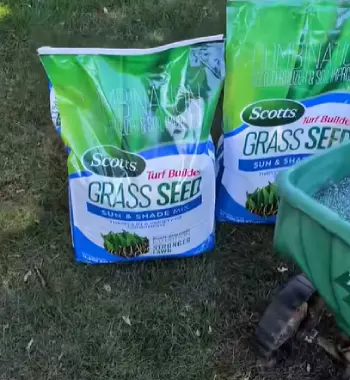
- Composition split: One holds three ingredients ready mixed.
The other stays seed alone.
- Purpose focus: Thick’R Lawn targets thinning existing turf.
Pure seed handles new starts and precise overseeding.
- Cost structure: Pure seed favors larger projects on budget.
Thick’R Lawn suits quick smaller fixes.
- Control level: Pure seed lets you decide every supporting product.
The 3-in-1 keeps choices fixed.
- Speed of change: Thick’R Lawn often shows earlier green-up from the fertilizer.
Pure seed builds density later.
- Type selection: Regular seed offers far more grass variety options.
Blends stay limited in the other product.
- Customization path: Pure seed plus amendments opens long-term plans. The mixed product stays simpler short-term.
- Labor demand: One product reduces work. Multiple products increase the steps required.
Best match zones: Thin living lawns favor Thick’R Lawn. Bare ground or special needs favor pure seed.
Key Features Of Scotts Thick’r Lawn
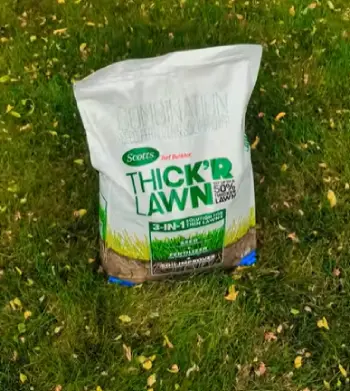
- Three-in-one formula: This combines seed, fertilizer, and soil improver.
You handle one product instead of three.
- Seed blends for conditions: Blends match common lawn needs such as sun and shade or tall fescue areas.
The mix supports everyday home lawns.
- Fertilizer component: It promotes thicker growth and greener color.
Both new and existing grass receive a feed.
- Soil improver included: This supports root development in the existing soil structure.
Roots settle more easily in many yards.
- Overseeding focus: The product targets thin lawns rather than starting a bare patch from zero.
It works alongside living grass.
- Bag size options: Different sizes match small yards or larger properties.
You can buy what fits your space.
- Thickness claim support: It aims for up to 50 percent thicker lawn under proper care.
Results still depend on watering and existing conditions.
- Simple spread design: One pass covers seed, feed, and soil help.
Prep time stays low for most users.
- Cool-season readiness: The mixes suit late spring or early fall windows.
Timing aligns with natural growth periods.
Pros Of Scotts Thick’r Lawn
- High convenience: Everything sits in one bag. You avoid buying separate fertilizer and soil products.
- Faster visual change: Improvement often appears because the fertilizer greens up the existing turf. Seeds germinate at the same time.
- Less soil work needed: The soil improver reduces the need for extra testing or amendments. Average yards benefit quickly.
- Homeowner friendly steps: It suits people who want a simple process. Multi-product routines stay off the list.
- Seasonal timing fit: Late spring or early fall treatments work well. Cool-season grasses respond during these windows.
- Gap filling strength: It helps fill spaces without tearing up the entire lawn. Existing turf stays in place.
- Quick density boost: Thin areas gain coverage in weeks rather than months. Early results keep motivation high.
- One-trip shopping: A single purchase covers the main needs. Store visits stay short.
- Root support built in: New seedlings gain help from the improver. Establishment feels more reliable in fair soil.
Cons Of Scotts Thick’r Lawn
- Higher cost factor: Price per square foot runs above pure seed alone. Budgets feel the difference on larger yards.
- Limited seed choices: Variety stays locked to the blends offered. You cannot pick a pure cultivar or special strain.
- Fixed fertilizer level: Analysis stays set. You cannot adjust nitrogen for your own soil test results.
- Bare soil weakness: Completely open dirt or large dead areas need more than this mix. Pure seed performs better there.
- Watering sensitivity: Results vary if moisture stays inconsistent. Heavy thatch or compaction also limits gains.
- Uneven germination risk: Soil improver may not match every local soil type. Some spots fill slower than others.
- Less long-term control: Future seasons still need separate care plans. Customization stays restricted.
- Bag weight trade-off: Extra ingredients mean less pure seed by weight. Coverage calculations need care.
- Not for full renovations: Major lawn rebuilds call for different tools. This product targets recovery instead.
Key Features Of Regular Grass Seed
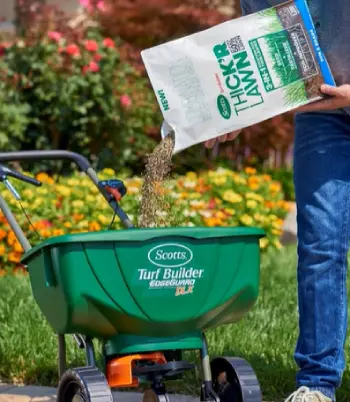
- Pure seed content: No added fertilizer or soil products appear.
Full control stays with you over every input.
- Wide variety range: Options cover drought tolerance, shade performance, or disease resistance.
Specific needs find a match.
- Higher seed percentage: Quality bags hold more actual seed by weight.
Potential plants per pound rise.
- Matching ability: You can align with existing grass types closely.
The finished look stays seamless after overseeding.
- Flexible rates: Application amounts adjust for bare soil or light overseeding goals.
Precision improves results.
- Certified options: Named varieties list germination percentages and purity ratings. Quality stays clearer.
- Dual use strength: New lawns and repairs both work when paired with supporting products.
Versatility remains high.
- Storage ease: Leftover seed keeps well without fertilizer concerns.
Future touch-ups stay simple.
- Climate adaptation: Regional choices improve survival in heat, cold, or variable weather.
Local success rates climb.
Pros Of Regular Grass Seed
- Lower seed cost: The pure product costs less than multi-ingredient bags. Larger quantities save more money.
- Full selection freedom: You pick the best grass type for your region and conditions. Control stays complete.
- Targeted fertility support: Soil tests guide the exact fertilizer you add. Long-term health improves.
- More plants possible: Higher pure-seed content raises the chance of dense growth. Quality bags deliver better.
- Large area ready: Bare spots or full renovations suit this approach. Scale stays manageable.
- Easy leftover use: Stored seed waits for later seasons without issue. Waste stays low.
- Custom soil pairing: Amendments match your exact needs. Results reflect the effort you invest.
- Variety testing room: You can trial small amounts of different seeds. Learning happens on your own schedule.
- Long-term density edge: Careful prep often yields stronger turf over multiple seasons. Resilience builds.
Cons Of Regular Grass Seed
- Extra product needs: Fertilizer and soil prep require separate purchases. Steps add up quickly.
- Slower overall look: Existing grass receives no immediate fertilizer boost. Visible change takes longer.
- Higher success demands: Proper soil contact, moisture, and timing matter more. Mistakes show faster.
- Cheap bag risks: Low-quality seed can hold inert matter or weed seeds. Results disappoint easily.
- More labor involved: Spreading several products evenly takes time. Effort rises compared with one bag.
- Timing sensitivity: Fertilizer must land at the right moment. Poor timing weakens the whole process.
- Prep skill required: Soil must be ready before seeding. Shortcuts reduce germination rates.
- Initial thin look: New grass starts sparse until it fills in. Patience becomes necessary.
- Variable bag quality: Not every brand meets the same standard. Research helps avoid weak products.
Application Tips From Real Use
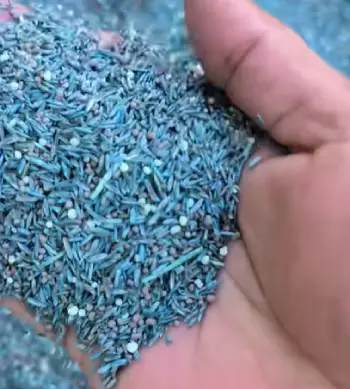
For Scotts Thick’R Lawn I mow the lawn short. I rake lightly to open the soil surface. I spread the product at the recommended rate.
I water lightly and frequently until the new grass reaches about two inches. Then I switch to deeper and less frequent watering.
The product works best when soil temperatures sit in the ideal range for the seed blend. Cooler periods in spring or fall suit cool-season mixes.
With regular grass seed I follow similar surface prep. I add a starter fertilizer with higher phosphorus if the soil test calls for it.
I sometimes mix the seed with a light compost top-dressing. This improves seed-to-soil contact. The extra step takes time yet raises germination rates in my experience.
I keep the surface moist without creating puddles. Consistent care during the first three weeks decides most of the outcome.
Cost And Value Considerations
A bag of Scotts Thick’R Lawn costs more than an equivalent amount of pure seed. When I calculate cost per square foot for a moderate-sized yard, the pure-seed route stays cheaper.
This holds if I already own fertilizer or can buy it in bulk. For a small problem area the convenience of Thick’R Lawn justifies the higher price.
Value also depends on how much labor you want to invest. Thick’R Lawn reduces steps. Pure seed rewards careful preparation with potentially longer-lasting density.
Over three seasons my pure-seed sections needed fewer recovery treatments. The early investment in time and separate products paid back in lower yearly costs.
Seasonal Timing And Climate Factors
Both products perform best during the optimal seeding windows for your grass type. Cool-season grasses respond well in early fall or mid-spring.
Warm-season options need warmer soil. Thick’R Lawn includes fertilizer that can push growth even outside perfect windows.
The seed still needs proper temperatures to germinate. Pure seed gives you the chance to choose varieties better adapted to extreme heat, drought, or shade in your specific region.
I schedule major pure-seed work for early fall. That timing gives the longest establishment period before winter.
Thick’R Lawn fits a late-spring boost when the lawn thins after winter wear.
Common Mistakes I Have Seen And Made
Over-applying either product wastes money. The fertilizer in Thick’R Lawn can stress existing grass if rates run too high.
Under-watering after spreading kills new seedlings faster than almost anything else. Spreading Thick’R Lawn on heavily compacted soil without aeration limits the soil improver’s benefit.
Using cheap pure seed with low germination rates leads to thin results. Matching the product to the actual problem matters most.
Thin lawn versus bare dirt calls for different tools. I once applied Thick’R Lawn on a large dead patch and saw poor fill. Pure seed with soil prep fixed that section the next season.
Long-Term Lawn Health Perspective
From an analytical view, pure grass seed paired with proper soil care builds a stronger foundation over multiple seasons.
You can rotate varieties. You can adjust fertility based on tests. You avoid locking into one fertilizer formula.
Scotts Thick’R Lawn serves as an effective short-term recovery tool. It shines when the lawn needs a quick density boost without a full renovation
. Many homeowners alternate the two. Thick’R Lawn handles mid-season recovery. Pure seed covers major fall overseeding. In my yard the alternating approach produced more even coverage than relying on only one method every year.
Soil tests every couple of years guided the pure-seed fertilizer choices. That data kept the turf resilient through dry spells and heavy foot traffic.
Also Read: Comparison Of Schultz And Scotts Grass Seed
Frequently Asked Questions (FAQ)
Scotts Thick’R Lawn contains grass seed as one of three main ingredients along with fertilizer and soil improver.
Use it in late spring or late summer to early fall on thin existing lawns when temperatures support seed germination.
Yes, it is formulated specifically for overseeding thin lawns to increase density.
The terms are often used interchangeably. Both refer to seed for growing turfgrass. Lawn seed sometimes implies blends suited for home lawns.
Wrapping Up
After testing both approaches across multiple seasons, I conclude that Scotts Thick’R Lawn and regular grass seed each solve different problems.
You gain speed and simplicity with the 3-in-1 product when your lawn is simply thin. You gain precision and long-term flexibility with pure seed when you want full control.
Choose based on your current lawn condition, available time, and desired level of customization.
Either path can produce a thicker, healthier lawn when you water consistently and match the product to the season.
Your yard will thank you for picking the option that fits the actual challenge you face.
Recent Posts
I spent months comparing budget options against established names after my last set of tires wore out sooner than expected.My goal here is to share what I learned from putting Dextero and...
AquaTru Carafe Vs. Classic: Which Is Actually Fits Your Kitchen?
I decided to write this comparison after months of testing both the AquaTru Carafe and the Classic in my own kitchen. Tracking covered daily use.Taste stayed consistent. Refill frequency...