
When I first brought home my two rescue cats, I spent weeks staring at shelves trying to figure out what to feed them.
Meow Mix and Fancy Feast kept popping up as affordable choices that cats seem to love. In this article, I share my experiences and detailed breakdown of these two brands to help you decide which might suit your feline friend better.
I focus on real-world performance, nutrition, and everyday feeding realities so you can make a confident choice for your cat’s meals.
| Aspect | Meow Mix | Fancy Feast |
| Type | Primarily dry kibble | Primarily wet canned food |
| Price Range | Very budget-friendly | Affordable premium wet |
| Main Ingredients | Corn, by-product meals | Chicken/fish, by-products |
| Protein Level | Moderate (around 30-35%) | Higher (often 40-50% dry matter) |
| Best For | Dry food lovers, cost savings | Moisture boost, picky eaters |
| Taste Appeal | Crunchy with variety | Pate or gravy textures |
| Overall Rating (my view) | Good for basics | Stronger for daily nutrition |
Key Differences Between Meow Mix And Fancy Feast
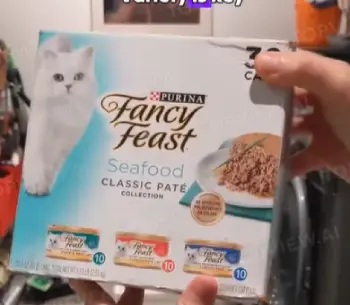
I have switched between these brands multiple times based on my cats’ needs, and the contrasts stand out clearly. Here is what sets them apart:
- Food Format and Texture: Meow Mix comes mainly as crunchy dry kibble with some options like tender centers or gravy bursts.
Fancy Feast delivers moist pate or chunks in gravy that provide hydration right away.
- Ingredient Focus: Meow Mix often starts with grains like corn and uses chicken by-product meals.
Fancy Feast leads with real chicken or seafood in many recipes, though both include by-products.
- Nutritional Balance: Fancy Feast generally offers higher moisture and better protein density on a dry matter basis.
Meow Mix provides solid dry nutrition but lower overall moisture.
- Portion and Convenience: Dry Meow Mix stores easily and creates less mess.
Wet Fancy Feast cans need refrigeration after opening but encourage better water intake.
- Flavor Variety: Both brands offer many options, but Fancy Feast feels more gourmet with seafood and pate styles that my cats go wild for.
These differences influence everything from daily feeding routines to long-term health considerations.
Key Features Of Meow Mix
I have fed Meow Mix for months at a stretch, especially during tighter budget periods. Its standout traits include:
- Affordable Everyday Option: Large bags last weeks and keep costs low without constant repurchasing.
- Crunchy Kibble Design: The shapes and textures help with dental benefits as cats chew, and many varieties include flavorful centers.
- Multiple Formulas: Indoor health, hairball control, and kitten options make it versatile for different life stages.
- Strong Aroma and Palatability: Cats recognize the bag and come running; the mix of flavors like turkey, chicken, and salmon keeps interest high.
- Complete Nutrition Claims: It meets basic AAFCO standards with added vitamins, taurine, and minerals for balanced meals.
My cats stay active and maintain weight on it, though I always pair it with extra water sources.
Pros Of Meow Mix
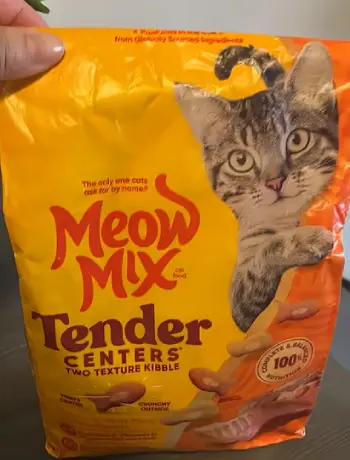
- Exceptional Budget Accessibility: One of the biggest advantages I experienced is how affordable Meow Mix remains even for larger bags that last several weeks.
This allowed me to feed my two cats consistently without dipping into emergency funds, freeing up money for other essentials like litter, toys, and unexpected vet visits.
In my calculations over multiple months, the per-serving cost stayed remarkably low, making it sustainable long-term for budget-conscious households while still delivering complete daily nutrition that kept my cats energetic and content.
- Outstanding Shelf Life and Storage Convenience: Because it is dry kibble, Meow Mix stores effortlessly in sealed containers or original bags without refrigeration concerns.
I could buy in bulk during sales and portion it out daily with zero waste or spoilage risk, which proved invaluable during busy work weeks or short trips away from home.
This reliability eliminated last-minute store runs and simplified my routine significantly compared to foods that require more careful handling.
- Potential Dental Health Support Through Crunchy Texture: The firm kibble encourages natural chewing action that I believe helps reduce tartar accumulation over time.
After months of primary use, I observed cleaner teeth during at-home checks and fewer dental issues at vet appointments.
While not a standalone solution, pairing it with occasional brushing amplified the benefits, turning everyday meals into a mild form of oral care that my cats accepted without resistance.
- Excellent Wide Availability Across Retailers: I never struggled to find Meow Mix whether at local grocery stores, big-box pet retailers, or online.
This accessibility meant I could maintain supply continuity even during stock shortages of other brands, providing peace of mind as a dedicated cat parent who values consistency in my pets’ diets.
- Versatile Custom Formulas for Specific Needs: The range of specialized options like indoor health for weight management or hairball control formulas addressed my cats’ individual lifestyles effectively.
For my apartment cats, the indoor variant helped regulate calories and prevent unwanted pounds, while other varieties supported shedding seasons.
This adaptability let me fine-tune feeding plans without switching brands entirely, resulting in better overall health outcomes tailored to real-life situations.
Cons Of Meow Mix
- Heavy Reliance on Grain-Based Ingredients: Many formulas start with corn and soy, which provide calories but feel less optimal for obligate carnivores.
In my experience, this led to slightly higher carbohydrate intake than ideal, requiring me to monitor portions carefully to avoid gradual weight gain in less active periods.
It worked well as a base but often needed balancing with meatier additions for complete satisfaction.
- Significantly Lower Moisture Content: As a dry food, it contributes minimal hydration, meaning my cats needed constant access to fresh water and encouragement to drink more.
I occasionally noticed more concentrated urine during sole use, prompting extra steps like water fountains to support urinary health and prevent related complications common in dry-food-heavy diets.
- Use of By-Product Meals and Processed Components: While nutritious enough for basic needs, the emphasis on by-products rather than whole meats raised questions about ingredient quality for me.
Stools were generally fine but sometimes softer than when using higher whole-meat options, indicating digestibility differences that I tracked over weeks of feeding.
- Inclusion of Artificial Colors and Flavors in Some Recipes: These additives enhance visual appeal and taste but are not essential for nutrition.
I preferred minimizing them where possible, rotating varieties to reduce exposure while still benefiting from the brand’s affordability and palatability.
Key Features Of Fancy Feast
- High Moisture Content: Each can delivers hydration that supports kidney health, especially important for older cats or those prone to urinary issues.
- Protein-Rich Recipes: Many varieties feature chicken or fish as primary ingredients, giving a meatier profile that aligns better with cats’ natural carnivore needs.
- Texture Variety: From smooth pates to chunks in gravy, it caters to different preferences and picky eaters in my household.
- Convenient Single Servings: Small cans reduce waste for households with one or two cats and make portion control simple.
- Broad Appeal: The savory smells and tastes win over even fussy felines quickly, and it works well as a topper or full meal.I
Pros Of Fancy Feast
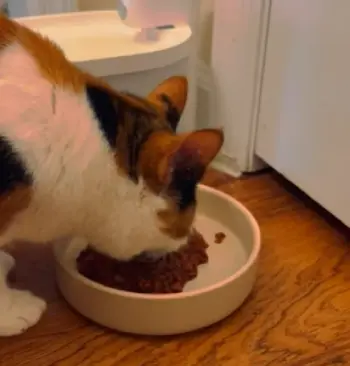
- Superior Natural Hydration from High Moisture: The wet format delivers substantial fluid intake in every meal, which I directly linked to improved urinary health and more consistent litter habits in my cats.
Especially beneficial for seniors or those with kidney concerns, this feature reduced dehydration risks naturally and supported overall vitality without extra interventions like multiple water stations.
- Stronger Animal Protein Profile and Nutrient Density: Leading with chicken or fish in many recipes provided higher-quality protein that my cats utilized efficiently for muscle maintenance and energy.
I noticed shinier coats, better muscle tone, and sustained satiety between meals, making it easier to manage weights and reduce begging behaviors compared to grain-heavy alternatives.
- Diverse Textures Catering to Picky Preferences: From smooth pates ideal for dental-sensitive cats to gravy chunks for those who enjoy chewing, the variety kept both my eager and selective eaters satisfied.
This flexibility minimized mealtime struggles and allowed seamless integration as a full meal or appealing topper.
- Practical Single-Serve Cans for Portion Control: Small, convenient portions made measuring exact amounts simple and reduced leftovers, which is perfect for one- or two-cat homes.
It also made travel feeding straightforward while maintaining routine without bulky packaging hassles.
- High Palatability That Wins Over Fussy Eaters: The rich aromas and savory tastes consistently encouraged enthusiastic eating, even during appetite dips from stress or mild illness.
I successfully used it to boost intake of medications or other foods, turning challenging periods into smoother experiences.
Cons Of Fancy Feast
- Higher Overall Cost Per Serving: Wet cans accumulate expenses faster than dry bulk options, particularly with daily multi-can feeding for multiple cats.
I managed this by strategic use as a complement rather than exclusive diet, but it still required careful monthly budgeting to avoid strain while enjoying the nutritional perks.
- Presence of By-Products and Occasional Thickeners: Some recipes include unnamed by-products and additives for texture, which, although common, mean it does not always represent the absolute highest ingredient standards.
This prompted me to vary flavors and monitor long-term acceptance closely.
- Increased Mess and Refrigeration Requirements: Opened cans need prompt chilling, and feeding involves more cleanup of plates and utensils to prevent odors or spoilage.
This added daily steps compared to scoop-and-serve dry food, especially noticeable on rushed mornings.
- Risk of Overeating Due to Exceptional Taste: The appealing flavors sometimes led to begging or faster consumption, necessitating stricter portioning and enrichment tools like slow feeders to prevent excess calorie intake and maintain healthy weights.
- Greater Packaging Volume and Waste: More individual cans mean additional recycling or disposal efforts, which feels less convenient and eco-friendly than large dry bags for households aiming to minimize environmental impact.
Ingredients Breakdown And What It Means For Your Cat?

I always flip cans and bags to read labels, and the contrasts between Meow Mix and Fancy Feast become clear here.
Meow Mix relies on plant-based fillers like corn gluten and soybean meal alongside by-product meals.
This creates an economical product but one lower in the hierarchy of ideal cat nutrition.
Fancy Feast puts chicken or ocean fish higher on the list in most varieties, providing amino acids cats need.
Both brands add taurine, which is crucial, but Fancy Feast’s wet nature preserves more natural moisture and nutrients.
I analyze this as a trade-off: Meow Mix for convenience and cost, Fancy Feast for better alignment with feline biology.
Over months of use, I saw my cats maintain better hydration and stool quality on higher wet food ratios.
Nutritional Comparison From A Real-User View
Analyzing guaranteed analyses side by side, Fancy Feast often edges out with higher protein percentages on a dry matter basis—sometimes reaching 45-50% versus Meow Mix’s 30-35%.
Fat content stays comparable, but the moisture difference is huge: 78-80% in Fancy Feast cans versus under 10% in dry kibble.
For my active cats, this meant more energy from animal sources with Fancy Feast. I track their weights and activity levels closely, and the wet food helps prevent dehydration-related problems common in dry-only diets.
Neither is perfect, but combining them gives balanced results without extremes.
Taste Testing And Cat Preferences In My Home
My cats vote with their whiskers. Meow Mix kibble gets them excited at mealtime with its variety packs, but they devour Fancy Feast pate in minutes.
I rotate flavors like seafood medley in Meow Mix and grilled tuna Fancy Feast to prevent boredom. This real-user approach shows both brands excel at palatability, yet Fancy Feast wins for enthusiasm.
If your cat is a grazer, dry Meow Mix works better for free-feeding. For meal-time lovers, wet wins.
Cost Analysis Over A Month Of Feeding
I calculated expenses based on my two cats’ needs. A large bag of Meow Mix lasts about a month for around $20-30 total. Fancy Feast at 2-3 cans daily per cat pushes costs to $40-60 monthly.
The difference adds up, but I factor in potential vet savings from better hydration. For budget-conscious homes, Meow Mix carries the load well.
When I can stretch the budget, Fancy Feast elevates the routine.
Suitability For Different Life Stages And Health Needs
Kittens benefit from Meow Mix kitten formulas for growth support through crunchy play. Senior cats thrive more on Fancy Feast’s soft texture and moisture for joint and kidney support.
For indoor cats prone to obesity, Meow Mix indoor formulas help control calories. I adjust based on annual vet checks—neither brand replaces medical advice, but both fit well into tailored plans.
My middle-aged cats do best with a 70/30 wet-to-dry mix.
Also Read: Comprison Of Fancy Feast And Purina One
Frequently Asked Questions (FAQ)
Not entirely low quality, but it ranks as budget-tier with more grains and by-products than premium options. It works fine for many cats when balanced with other foods.
Popular choices often include options from brands like Weruva, Tiki Cat, Wellness, Royal Canin, and some Purina Pro Plan varieties, focusing on high meat content and minimal fillers.
Many vets view it as a solid affordable wet food that supports hydration and nutrition, especially for cats who need moisture boosts, though individual recommendations vary.
Purina’s higher lines like Pro Plan often outperform basic Meow Mix in ingredient quality, but Meow Mix remains a decent entry-level choice depending on your cat’s needs and budget.
In Wrapping Up
I have found real value in both Meow Mix and Fancy Feast depending on the situation.
You should consider your cat’s preferences, your budget, and health goals when choosing. Try a mix if possible—you might discover the perfect balance that keeps your feline happy and healthy for years.
I encourage you to observe your own cat’s responses closely and consult your vet for personalized advice. Feeding decisions shape their wellbeing, so trust your instincts as a caring owner.
Recent Posts
I tried Meltoway Hair Dissolving Cream because I wanted a quick way to deal with unwanted body hair without reaching for a razor every few days. If you are looking for a convenient at-home...
If you’re considering a saffron-based supplement to support mood, appetite control, and everyday wellness, Happy Saffron Plus is worth considering.I like that it takes a familiar botanical...