
I spent weeks comparing vinyl windows for my own home renovation, and the choice between Milgard Styleline and Trinsic kept coming up as the practical middle ground for most people.
My goal here is to give you a clear, side-by-side look at how these two series actually perform in real homes so you can decide which one fits your budget, style, and climate without the usual marketing fog.
| Feature | Milgard Styleline (V250) | Milgard Trinsic (V300) |
| Frame Material | Vinyl | Vinyl |
| Frame Profile | Slim | Ultra-slim / narrowest in vinyl line |
| Glass Area | High | Highest |
| Aesthetic | Clean, contemporary | Modern, minimalist |
| Hardware | Positive Action lock | SmartTouch lock |
| Energy Performance | Good (ENERGY STAR capable) | High (stronger baseline options) |
| Price Level | $ (budget-friendly) | $$ (mid-tier) |
| Warranty | Lifetime Limited (Full Lifetime upgrade) | Full Lifetime (glass breakage option) |
| Best For | Value projects, more light on a budget | View-focused modern homes |
| Operating Styles | Single hung, slider, casement, awning, picture, radius | Similar plus double horizontal slider in many markets |
My First Experience With Milgard Styleline And Trinsic
I looked at both series in showrooms and on actual installed homes. Styleline feels like the smart everyday choice when you want clean lines and more glass without stretching the budget.
Trinsic feels like the upgrade you notice every time you walk into a room because the frames almost disappear.
Both use Milgard’s signature signature vinyl formula, so they resist warping, rotting, and fading better than older vinyl or wood windows.
Neither needs painting. That alone saves years of maintenance.
Key Differences Between Milgard Styleline And Trinsic
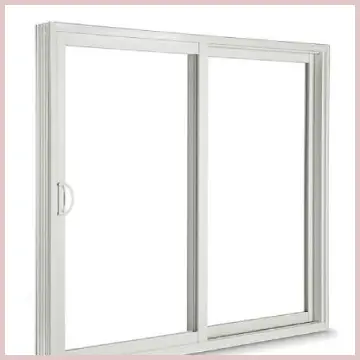
- Frame thickness and glass ratio: Styleline already runs slim compared with traditional vinyl, but Trinsic pushes the profile even narrower, and this change gives you noticeably more glass in the same rough opening.
- Hardware feel and look: Styleline uses a Positive Action lock that snaps closed with a solid click, while Trinsic uses the SmartTouch system that sits nearly flush and operates with one smooth motion.
- Price positioning: Styleline sits at the value end of Milgard’s vinyl lineup, yet Trinsic costs more and the difference becomes clear on a whole-house order.
- Warranty details: Both carry strong coverage, but Trinsic more often includes or easily upgrades to Full Lifetime protection that covers glass breakage.
- Intended style match: Styleline works on a wide range of homes from modest ranches to updated contemporary houses, whereas Trinsic was clearly designed for modern and minimalist architecture.
- Color and finish flexibility: Styleline offers solid standard and premium exterior colors, and Trinsic expands the range further with popular black interior options in many markets.
- Installation and retrofit ease: Both series fit common replacement openings well, yet Styleline often proves slightly simpler for straightforward budget projects.
Key Features Of Milgard Styleline Windows
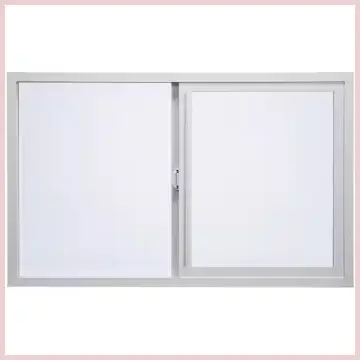
- Slim vinyl frame that maximizes daylight: The profile is narrower than older vinyl lines, so rooms feel brighter and views open up without switching to aluminum.
- Positive Action locking system: The lock engages automatically when the sash closes fully, and you hear and feel the confirmation that the window is secure.
- Multiple operating styles: Single hung, horizontal slider, casement, awning, picture, and radius units cover most common openings, and custom sizes remain available in most markets.
- ENERGY STAR-capable glass packages: Standard dual-pane Low-E options come with SunCoat or SunCoatMAX upgrades for hotter climates, and argon fill is common.
- Low-maintenance vinyl: The material does not need painting and holds color well under UV exposure, while interior and exterior color choices include standard white, tan, and clay plus several premium exterior finishes.
- Lifetime limited warranty: Coverage for materials and workmanship lasts as long as the original owner lives in the home, and some transfer options exist for later owners.
- Smooth roller and track design: The hardware glides reliably for years when kept clean, and this reduces daily friction during regular use.
Pros Of Milgard Styleline
- Strong value for the performance: You get real Milgard quality and a cleaner look than builder-grade vinyl without paying mid-tier prices, and the savings add up quickly on a full-home replacement.
- More glass than traditional vinyl: Rooms that felt dark with old double-hung windows gain noticeable light, and this matters in smaller homes or north-facing spaces.
- Simple, reliable operation: The Positive Action lock and smooth rollers hold up well under daily use, and cleaning becomes easier because less frame sits in the way.
- Wide availability and straightforward installation: Most dealers stock or can order Styleline quickly, and the frame design works for both new construction and retrofit applications.
- Solid energy numbers for the cost: With the right Low-E package these windows cut drafts and reduce heating and cooling loads compared with single-pane or early dual-pane units.
- Predictable long-term ownership cost: Maintenance stays low, and the warranty gives peace of mind without requiring premium spending.
Cons Of Milgard Styleline
- Less refined hardware and sightlines than Trinsic: The lock sits a bit more visibly, and the frame still shows more vinyl than the ultra-narrow Trinsic profile.
- Limited glass-breakage coverage on the base warranty: Accidental damage becomes an out-of-pocket cost more often, and this can matter in homes with active kids or storm exposure.
- Fewer high-end insulation upgrades in some markets: Triple-pane options and the most advanced spacers are easier to get on higher series, so extreme-climate performance sits a step behind.
- Aesthetic can feel light on traditional homes: On a craftsman or colonial the slim frame sometimes looks under-scaled rather than intentional.
- Fewer advanced hardware finishes: Options stay more limited compared with the mid-tier series, and this can affect the final polished look.
Key Features Of Milgard Trinsic Windows
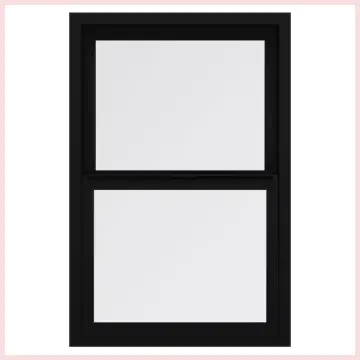
- Ultra-slim frame profile: This is the narrowest vinyl frame Milgard builds, and the result is maximum glass area with a clean modern silhouette that mimics higher-end aluminum looks.
- SmartTouch hardware: The lock sits nearly flush and operates with one fluid motion, yet it stays out of the visual field when closed and meets elevated security standards.
- Even sightlines across operating styles: Fixed and operable units line up cleanly, so a mixed elevation still looks intentional.
- Strong energy-performance options: Dual-pane Low-E packages with argon are standard, and SunCoatMAX coatings push U-factors and solar-heat-gain numbers into competitive ranges for most climate zones.
- Expanded color and finish choices in many regions: Black interiors and darker exterior finishes are popular, and they are more readily available than on the entry series.
- Full Lifetime Warranty path: Parts and labor coverage for the original owner is strong, and glass-breakage protection is more commonly included or easily added.
- Low-profile integrated design: The entire assembly keeps visual clutter minimal, and this supports a seamless indoor-outdoor connection.
Pros Of Milgard Trinsic
- Maximum natural light and view: In the same opening you see more of the outdoors and less frame, and great rooms plus view elevations benefit the most.
- Clean contemporary appearance: The squared-off minimal profile suits modern and transitional architecture without looking like a builder-grade product.
- Smooth, low-profile hardware: Daily operation feels refined, and the lock disappears visually when the window is closed.
- Better baseline energy and security features: Higher-performing glass packages and the SmartTouch system give measurable advantages over the Styleline baseline.
- Strong long-term warranty support: The Full Lifetime coverage reduces worry about future repair costs for the original homeowner.
- Noticeable upgrade in room feel: Spaces appear larger and more open, and this effect shows up immediately after installation.
Cons Of Milgard Trinsic
- Higher cost than Styleline: The price jump is real, and on secondary rooms or elevations without important views the extra money may not feel justified.
- Slimmer frame can limit certain configurations: Very large openings or heavy multi-point hardware preferences sometimes push buyers toward thicker series or fiberglass.
- Fewer traditional styling cues: If your home needs a wood-like or classic profile, Trinsic will look out of place.
- Availability of certain options varies by market: Not every dealer carries every color or glass package at the same lead time.
- Premium positioning may exceed simple needs: Some homeowners find the added refinement unnecessary when basic performance already meets daily requirements.
How Energy Performance Stacks Up In Daily Use?
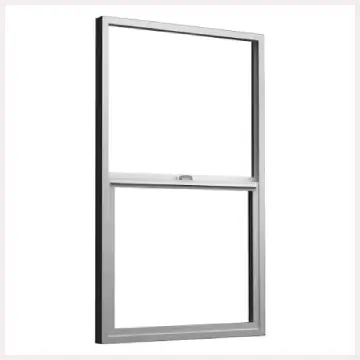
Both series can meet ENERGY STAR requirements when ordered with the right glass. In mild climates the difference is small.
In hot or cold extremes the Trinsic’s ability to take higher-performance glass packages and its slightly better overall assembly numbers give it an edge.
I noticed the biggest real-world difference on west-facing walls where solar heat gain matters most.
Proper installation and quality weatherstripping still matter more than the series name.
- Baseline insulation and U-factor behavior: Styleline delivers solid dual-pane performance that keeps most homes comfortable through normal seasonal swings, yet Trinsic starts with a slightly tighter thermal envelope and handles extreme temperature shifts with less strain on the heating and cooling system.
- Solar heat gain control in sunny exposures: When afternoon sun hits large glass areas, Trinsic with SunCoatMAX glass reduces unwanted heat buildup more effectively, and this difference shows up as lower air-conditioning run times during peak summer months.
- Cold-weather heat retention: Styleline holds indoor warmth well for its price level, but Trinsic’s combination of narrow frame design and advanced Low-E coatings slows heat loss more consistently on long winter nights.
- Daily comfort and temperature consistency: Rooms with Trinsic windows often feel more even from wall to wall because less heat transfers through the glass and frame, while Styleline still improves older single-pane or early dual-pane units by a clear margin.
- Impact of glass package choices: Selecting argon-filled Low-E glass lifts both series into strong performance territory, and the same upgrade on Trinsic usually produces measurable extra savings on utility bills over a full year.
- Real-home observation over seasons: After living with both types of windows in similar openings, I found Trinsic maintained steadier indoor temperatures during sudden weather changes, whereas Styleline performed reliably but required the thermostat to work a bit harder during the hottest and coldest stretches.
Installation And Long-Term Ownership Notes
Professional installation is recommended for both. Vinyl expands and contracts with temperature, so correct shimming, sealing, and flashing determine whether the windows stay weathertight for decades.
Milgard’s warranty is strong, but it assumes proper installation. I have seen both series perform well ten-plus years after install when the crew followed the manufacturer’s guidelines. Maintenance is minimal: occasional cleaning of tracks and hardware, and keeping weep holes clear.
Which One Fits Different Home Situations?
For a budget-conscious whole-house replacement where most windows face ordinary views, Styleline delivers excellent results.
For a modern home where large glass walls or view elevations matter, Trinsic is the clearer choice.
Many projects mix the two: Trinsic on the main living spaces and Styleline on secondary rooms. That approach balances cost and impact.
Also Read: Comparison Of Milgard Styleline And Tuscany
Frequently Asked Questions (FAQ)
Yes. They offer solid vinyl construction, clean looks, and reliable performance at a lower price point than most premium lines.
Yes. They rank among Milgard’s stronger contemporary vinyl options with excellent glass area and refined hardware.
Styleline sits at the value end of the vinyl range, Trinsic in the mid-contemporary tier, and Tuscany higher with thicker traditional profiles. Fiberglass Ultra sits at the top for extreme durability.
No single brand wins every category. Milgard consistently ranks high for warranty strength, regional availability, and balanced performance across price points.
Final Thoughts
I started this comparison wanting the best balance of light, durability, and cost for my own project. After living with the details, I see Styleline as the practical workhorse that still looks modern, and Trinsic as the series that makes the windows themselves recede so the views and architecture take center stage.
You now have the side-by-side facts on frames, hardware, energy options, warranty, and real-world trade-offs.
Measure your openings, decide which elevations matter most for glass area, and get quotes that list the exact series and glass package.
Once the windows are in, you will notice the difference every day in light, comfort, and how little attention they demand.
Recent Posts
Durock Vs. Hardibacker: Which Cement Board Actually Holds Up Under Tile?
I have spent years working on bathroom and kitchen renovations, and one decision that keeps coming up is which cement backer board to trust under tile.My goal here is to walk you through a clear,...
Gerber Viper Vs. Avalanche: Which Toilet Actually Performs Better In Real Homes?
I spent weeks comparing the Gerber Viper and Avalanche after my old toilet started clogging every other week, and I wanted a clear answer on which one delivers better everyday performance without...