
I spent weeks comparing Andersen TruScene screens against regular ones after replacing windows in my own home.
The differences changed how I experience every room. My goal here is to give you a clear practical breakdown of what each option delivers in daily life so you can decide which fits your needs without the usual marketing fog.
| Feature | Andersen TruScene | Regular Screen |
| Material | Micro-fine stainless steel mesh | Fiberglass or aluminum mesh |
| Clarity | Up to 50% more, nearly invisible | Noticeable grid pattern |
| Airflow | About 33% more circulation | Standard, restricted by thicker strands |
| Insect Protection | Blocks tiny pests including no-see-ums | Blocks most common insects, lets smaller ones through |
| Durability | High resistance to tears and weather | Prone to stretching, tearing, and UV damage |
| Coverage Options | Full or half screen | Often half screen only on double-hung |
| Cost | Roughly three times higher | Budget-friendly |
| Repairability | Full replacement usually required | Mesh can often be patched or replaced locally |
Key Differences Between Andersen Truscene And Regular Screens
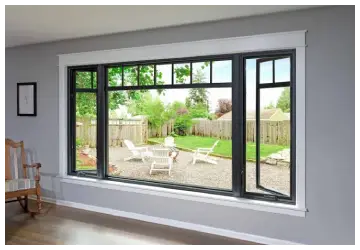
- Material composition and thickness : TruScene uses a patented stainless steel wire that measures about one-third the diameter of standard fiberglass or aluminum strands.
That thinner profile creates a much tighter weave while still leaving more open space for air and light.
Regular screens rely on thicker fibers that create a visible grid and block more of the opening.
The difference becomes clear the first time you stand in front of both windows side by side.
- Visibility from inside and outside : Standing a few feet away from a TruScene screen, I often have to touch it to confirm it is even there.
The view stays sharp and the outdoor colors look natural. Regular screens throw a soft haze over everything and make the window look darker, which is why many people pull them off in summer and then fight bugs instead.
This single change can make a room feel more open and connected to the outdoors.
- Air movement and natural light : Because the wires are finer, TruScene lets noticeably more breeze and sunlight through.
On mild days I can leave the windows open without feeling like the room is still stuffy.
Regular mesh cuts both airflow and light enough that the difference becomes obvious once you switch back and forth.
More light also helps reduce the need for artificial lighting during daytime hours.
- Insect barrier performance : The tighter TruScene weave stops the tiny biters that slip through ordinary 16-mesh screens.
In areas with no-see-ums or fine gnats this matters more than most people expect until the first warm evening.
Regular screens handle flies and mosquitoes well but leave gaps for the smallest pests. The result is fewer interruptions when you want to enjoy fresh air at night.
- Frame and installation flexibility : TruScene is offered as a full-height screen on many Andersen double-hung windows, so you can ventilate from top, bottom, or both without the half-and-half look.
Regular screens on the same windows are frequently limited to half height, which creates a shaded band across the glass.
Full coverage also improves the overall appearance of the home from the street.
Also Read: Comparison Of Rosati Windows And Renewal By Andersen
Key Features Of Andersen TruScene Screens
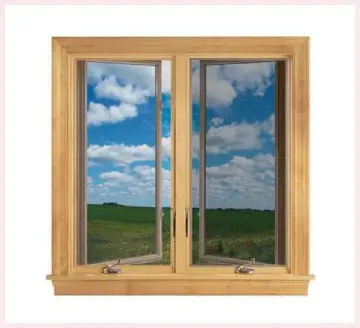
- Micro-fine stainless steel mesh : The wire is thin enough to disappear from most viewing angles yet strong enough to resist the stretching and tearing that ruin ordinary screens after a few seasons of weather and kids or pets.
This material choice is the foundation of nearly every advantage the product offers.
- Higher open area for air and light : The design opens up roughly a third more free space compared with standard mesh, which translates into cooler rooms in shoulder seasons and brighter interiors year-round.
I notice the difference most on days when the temperature sits between sixty and seventy-five degrees.
- Full-screen availability : On compatible Andersen windows you can cover the entire opening.
That single change eliminates the dark half-screen shadow and gives you complete control over how much fresh air enters.
It also creates a cleaner look both inside and outside the house.
- Color and finish matching : Frames come in options that line up with Andersen exterior colors, and some models accept wood veneer on the interior side so the screen frame can blend with stained trim.
Matching the finish helps the screen disappear even further into the overall window design.
- Warranty coverage : Andersen includes the stainless mesh under its product warranty in a way that ordinary fiberglass screens rarely receive, which reduces long-term replacement worries.
Knowing the screen is covered adds peace of mind when you invest in the premium option.
Pros Of Andersen TruScene Screens
- Nearly invisible presence : The biggest daily win for me is looking outside and forgetting a screen is even installed. Rooms feel larger and more connected to the yard. Guests often comment on the clear view before they realize a screen is present.
- Superior ventilation without the bugs : I keep windows open longer because the air actually moves and the smallest pests stay outside. That combination is rare with ordinary screens. Fresh air becomes a reliable option rather than a seasonal compromise.
- Longer service life : Stainless steel shrugs off sun, rain, and the occasional impact better than fiberglass. Over ten years the higher upfront cost starts to look reasonable. Fewer replacements also mean less time spent on maintenance tasks.
- Cleaner exterior appearance : Full-height options avoid the two-tone look that half screens create on the front of a house. The consistent line improves curb appeal in a subtle but noticeable way.
- Better light transmission : More natural light reaches the interior, which can reduce the need for artificial lighting during the day. Brighter rooms simply feel more pleasant to spend time in.
Cons Of Andersen TruScene Screens
- Higher purchase price : Expect to pay roughly three times what a standard screen costs. On a whole-house project the difference adds up fast. Careful prioritization of key rooms helps keep the total within a realistic budget.
- Limited field repair : Once the mesh is damaged you usually order a complete new screen assembly. There is no roll of TruScene mesh at the local store. Planning ahead for potential damage becomes more important.
- Availability restricted to Andersen products : You cannot simply buy a TruScene panel and install it on a competitor’s window. The system is designed around Andersen frames. Confirmation of window series and date is required before ordering.
- Slight learning curve for cleaning : The fine mesh collects fine dust that needs gentle rinsing rather than a rough brush, though the process is still straightforward. A soft approach keeps the screen looking its best for years.
Key Features Of Regular Screens
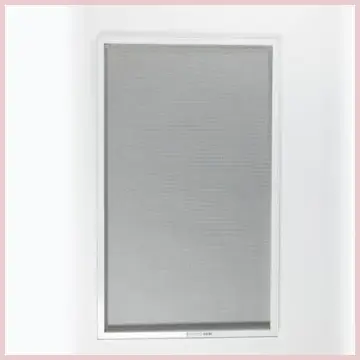
- Fiberglass or aluminum mesh : These materials are inexpensive, widely available, and easy to cut and staple into a frame at any hardware store.
Most homeowners already know how to work with them from past projects.
- Standard insect protection : They stop the majority of household pests and work well in most inland locations where tiny biting insects are not a constant problem.
For many homes this level of protection is perfectly adequate.
- Simple repair path : A hole can often be patched with a small kit or the entire mesh replaced for a few dollars and an hour of work.
This convenience keeps ownership costs low over many years.
- Lightweight and easy to store : Half screens slide in and out quickly and take little space if you prefer to remove them in winter.
The light weight also makes seasonal handling less of a chore.
- Broad compatibility : Almost every window brand offers a version, so replacement parts are never hard to find.
You can usually walk into a local store and leave with what you need the same day.
Pros Of Regular Screens
- Low initial cost : You can equip an entire house without a major budget impact. This accessibility makes them the default choice for many projects.
- Easy DIY repairs : A small tear or a loose frame is usually fixed with basic tools and parts from any home center. Most people can handle the work without calling a professional.
- Universal availability : Replacement screens or mesh rolls exist for nearly every window style and brand. Local stores stock the common sizes and materials year-round.
- Familiar handling : Most people already know how to remove, store, and reinstall them without special instructions. The learning curve is essentially zero.
Cons Of Regular Screens
- Visible obstruction : The grid pattern softens the view and darkens the glass, especially noticeable on larger windows or when looking from outside. Many owners remove the screens during peak viewing seasons as a result.
- Restricted airflow : Thicker strands block a measurable amount of breeze, so rooms feel warmer and less refreshed on mild days. The difference is easy to feel once you experience the alternative.
- Weaker protection against tiny insects : No-see-ums and certain gnats pass through without effort, turning evening ventilation into a trade-off. Homes near water or wooded areas feel this limitation most strongly.
- Shorter lifespan : UV exposure, pets, and weather cause stretching, holes, and fraying that require more frequent replacement. The lower purchase price is partly offset by more regular upkeep.
- Half-screen limitations : On many double-hung windows the standard option covers only the lower half, creating an uneven exterior look and limiting top ventilation. The visual split is hard to ignore once you notice it.
Also Read: Comparison Of Pella Impervia And Andersen 100
Real-World Performance And Daily Experience
After living with both types side by side for several seasons, the contrast becomes personal.
On summer mornings I open the TruScene windows and feel a steady cross-breeze that never quite arrives through the regular mesh next to them.
The view of the trees stays sharp instead of slightly gray. When tiny insects start to appear in the neighborhood, the rooms with TruScene stay clearer longer.
The trade-off shows up at budget time. Replacing every screen in a mid-size house with TruScene can feel like buying a second set of windows.
I chose the premium option only on the rooms I use most—living areas, kitchen, and primary bedroom—and kept regular screens on secondary spaces.
That hybrid approach kept costs reasonable while still giving me the benefits where they mattered most.
Durability has been solid so far. The stainless mesh has shrugged off a few accidental bumps that would have left permanent holes in fiberglass.
Cleaning is simple: a soft brush or gentle hose rinse removes pollen and dust without damaging the fine wires.
Over time the TruScene screens continue to look almost new while the regular ones show more wear.
I also notice the difference in how the house feels during transition seasons. Spring and fall mornings stay comfortable longer when the better airflow is available.
Guests who visit often remark on the clear views before I even mention the screens. Those small daily improvements add up across months and years of living with the product.
Cost Considerations And Value Over Time
Upfront, TruScene screens sit in the premium tier. Individual panels often run three times the price of a comparable fiberglass unit.
Installation is usually straightforward if the frames match the original Andersen windows, but custom sizes or special finishes can push the number higher.
Planning the purchase alongside a larger window project can sometimes reduce the relative impact.
Over a decade the equation shifts. Regular screens may need full mesh replacement once or twice, plus the inconvenience of living with damaged ones in between.
TruScene’s longer service life and the comfort of better airflow and clarity start to offset the initial outlay for many households.
Resale value is harder to quantify, yet buyers who notice the nearly invisible screens often react positively during showings. The premium product can become a quiet selling point rather than a hidden cost.
I tracked my own expenses for two years after installation. The rooms with TruScene required almost no attention beyond occasional cleaning. The rooms with regular screens needed two small repairs and one full mesh swap.
The time and minor costs began to balance the original price difference. Your results will vary based on climate, pets, and how often the windows stay open.
Maintenance And Longevity
Both types need occasional cleaning to keep airflow high and views clear. TruScene benefits from gentler methods because the fine wires can trap fine particles more readily, but they do not stretch or sag the way fiberglass does.
A soft brush or light rinse every few months is usually enough. Regular screens are more forgiving of rough handling yet require more frequent inspection for tears and loose edges.
Storage is similar if you remove screens in winter. TruScene’s rigid stainless construction holds its shape better during seasonal stacking. Regular screens can bend or crease if they are not stored carefully. Labeling each screen by room makes reinstallation faster the following spring.
I have found that a quick visual check each season catches small issues before they grow. For TruScene that check is mostly about confirming the frame sits securely. For regular screens the same check often reveals stretched mesh or small holes that need attention. Consistent light maintenance keeps both options performing well for years.
Compatibility And Availability
TruScene is engineered specifically for Andersen window lines, including many 200, 400, and E-Series models.
Confirm the exact series and manufacturing date of your windows before ordering. Dealers can usually match the correct size and finish once those details are known.
Regular screens exist in generic and brand-specific versions and can usually be sourced locally the same day. This broader availability is one of their strongest practical advantages.
If your home already has Andersen windows, adding TruScene is a straightforward upgrade.
If the windows come from another manufacturer, regular screens remain the realistic path. Mixing both types across different rooms is also common and works well when budget or priority varies by space.
Also Read: Is Andersen Acclaim Windows Worth It?
Frequently Asked Questions (FAQ)
Yes for main living areas where views and airflow matter most. The clarity and insect control justify the higher cost for many owners.
A premium insect screen using micro-fine stainless steel mesh that offers about 50 percent more clarity and better airflow than standard fiberglass or aluminum screens.
Recent cases have involved telemarketing practices by Renewal by Andersen, advertising claims about product origin, and isolated product defect allegations. None center specifically on the TruScene screens themselves.
The 400 Series is the most popular all-around choice for most homes. It balances performance, style options, and value. A-Series and E-Series suit higher-end custom needs.
Wrapping Up
I set out to understand whether the extra cost of Andersen TruScene screens paid off in real daily use. The answer depends on which rooms you care about most.
For the spaces where I spend the majority of my time, the nearly invisible mesh, stronger breeze, and tighter insect barrier have been worth every dollar.
You may reach the same conclusion once you experience both options side by side. Or you may decide regular screens still meet your needs just fine.
Either way, you now have a clear picture of the trade-offs so you can choose with confidence.
Recent Posts
Milgard Styleline Vs. Tuscany: Which Vinyl Window Series Fits Your Home Better?
I wrote this article after spending time comparing Milgard Styleline and Tuscany windows for my own home projects and for friends who kept asking which one actually made sense. My goal is to...
The Andersen 10 Series storm door offers attractive styling, ventilation, and additional protection for your entryway, but its reported customer complaints make me hesitant to recommend...