
I spent weeks comparing Mova and Dreame robot vacuums because I needed a reliable auto-cleaning setup that could handle pet hair, mixed floors, and daily messes without constant babysitting.
My goal here is to break down how these two brands stack up on real performance, features, value, and long-term ownership so you can decide which one fits your home without the usual marketing noise.
| Aspect | Mova | Dreame |
| Parent relationship | Sub-brand / related brand under Dreame Group | Established main brand under Dreame Technology |
| Price positioning | Often stronger value / lower for similar specs | Premium pricing with clearer model ladder |
| Typical suction claims | High (up to 40,000–42,000 Pa on flagships) | High (up to 35,000 Pa+ on recent models) |
| Mopping approach | Extending arms, roller options, hot wash | Spinning pads, some roller, polished lift |
| Dock automation | Bagless options, hot water wash/dry | Mature full-service docks, bags common |
| App experience | MOVAhome (functional, improving) | Dreamehome (generally more polished) |
| Lineup maturity | Fast-growing, experimental features | Broader, clearer tiers from budget to flagship |
| Strengths | Value, edge reach, threshold climbing | Software, carpet consistency, ecosystem |
| Best for | Deal hunters wanting max hardware per dollar | Buyers wanting reliability and polish |
Key Differences Between The Mova And Dreame
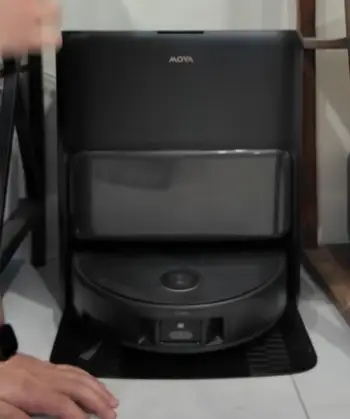
- Price-to-feature ratio: Mova consistently undercuts equivalent Dreame models while packing similar or sometimes higher claimed suction and extra reach hardware. I noticed this most clearly in mid-to-high tiers where a Mova unit often includes bagless emptying or extending mop arms at a price that would buy a more basic Dreame dock.
- Software maturity and mapping polish: Dreame’s app generally feels smoother for multi-floor homes and detailed no-go zone editing.
Mova’s app works fine for daily use but occasionally needs an extra confirmation step or map cleanup that Dreame handles more automatically.
- Mopping edge performance: Mova’s extending mop arms and side brushes give it a clear advantage along baseboards and under furniture legs.
Dreame’s spinning pads and lift systems are very effective on open hard floors and leave less residual moisture in some tests I reviewed.
- Carpet handling consistency: Dreame models tend to maintain stronger deep-carpet scores across their lineup.
Certain Mova units excel on hard floors and obstacle avoidance but can lose a bit of side-brush effectiveness on thick carpet.
- Threshold and under-furniture access: Both brands now offer retractable LiDAR and climbing systems.
Mova’s StepMaster-style legs and lower profile on some models let them clear higher obstacles or slip under lower sofas more readily in real homes.
- Warranty and long-term support perception: Mova frequently advertises three-year coverage on recent robots.
Dreame’s support network feels more established in some markets, which matters if you prefer phone or local service over app-based troubleshooting.
These differences matter most when your home has a specific weak spot—lots of low furniture, heavy carpet, or a tight budget for premium automation.
Also Read: Is Dreame D9 Max Gen 2 Worth It?
Key Features Of Mova
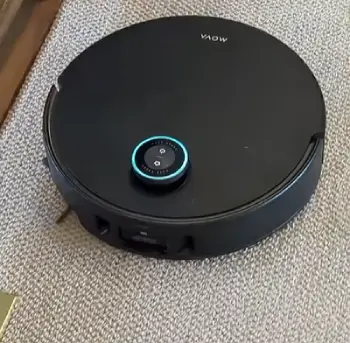
- High claimed suction paired with dual-brush designs: Many Mova flagships push 30,000–42,000 Pa ratings and use anti-tangle dual rollers.
In daily use this translates to strong pet-hair pickup on hard floors and respectable carpet performance, though real measured airflow sometimes trails the marketing numbers.
- Extending mop and side-brush arms: The MaxiReach-style systems push a mop pad or brush several inches beyond the robot body.
This is the feature that sold me on checking Mova more closely because corners and chair legs that other robots leave dirty get actual contact.
- Advanced dock options including bagless emptying: Some models empty into a reusable canister instead of disposable bags.
Combined with hot-water mop washing and hot-air drying, the dock can run for weeks with minimal attention.
- Retractable navigation and climbing hardware: LiDAR that drops for low clearance plus motorized legs that raise the chassis over thresholds up to roughly 3.5 inches on certain models make mixed-level homes far less frustrating.
- Multi-map support and AI object recognition: The robots identify dozens to hundreds of common obstacles and store multiple floor plans.
Schedules, zone cleaning, and voice integration with major assistants are standard on current units.
Pros Of Mova
- Aggressive value across nearly every price tier: You often receive flagship-level hardware such as hot mop washing, extending arms, and high suction for hundreds less than the closest Dreame equivalent. That savings adds up if you also buy replacement parts later in the ownership cycle.
- Superior edge and corner coverage on many models: The extending hardware actually reaches places most round robots miss. After living with one, I noticed fewer hand-mop touch-ups along walls and under dining chairs because the arms made real contact.
- Innovative dock designs that reduce consumables: Bagless emptying removes the recurring cost and hassle of dust bags. Larger water tanks and dual solution compartments further cut weekly maintenance and keep the robot running longer between interventions.
- Competitive obstacle avoidance and climbing ability: Recent Mova units score well at dodging cords, shoes, and pet messes while clearing higher thresholds than average. This reliability reduces the number of times I have to rescue the robot during a clean.
- Longer advertised warranty on several current models: Three-year coverage provides peace of mind during the period when most electronic issues surface. The extra year compared with many competitors offers a clearer safety net for the investment.
Cons Of Mova
- Newer brand perception and thinner long-term track record: Because Mova launched more recently, fewer multi-year owner reports exist compared with Dreame. Some buyers prefer the known quantity even when the hardware looks strong on paper.
- App polish still catching up in places: Mapping can take longer on complex floor plans, and occasional software quirks appear that Dreame has already smoothed out. These small delays add up if you re-map rooms often.
- Inconsistent real-world carpet scores on certain mid-range units: Side-brush behavior or brush design sometimes limits deep-carpet results relative to Dreame’s stronger performers in the same price band. Homes with thick rugs may notice the difference more clearly.
- Slightly higher noise on some auto-empty cycles: The bagless systems can be louder during the emptying phase, though the process is short. Light sleepers or open-plan homes may find the sound more noticeable than quieter bag-based docks.
- Model naming and availability can feel less structured: The rapid expansion of the lineup means overlapping features across series, which makes shopping a bit more research-heavy. Comparing exact specs takes extra time before you commit.
Key Features Of Dreame
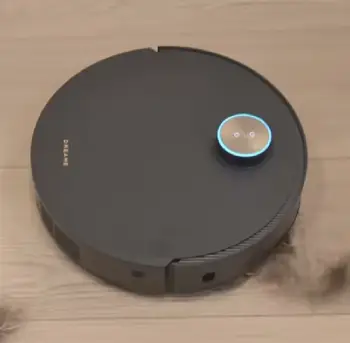
- Mature full-service docks: Dreame docks reliably empty dust, wash and dry mops with controlled temperatures, and refill clean water.
The systems feel refined after several generations of iteration and reduce daily upkeep significantly.
- ProLeap and similar threshold-climbing mechanisms: Retractable legs allow single or multi-step obstacles that stop ordinary robots.
This is especially useful in older homes with raised doorways or thick rug edges that would otherwise block progress.
- VersaLift retractable LiDAR: The sensor drops so the robot can clean under low furniture then rises again for full mapping accuracy in open rooms.
This design solves a common clearance problem without sacrificing navigation quality.
- Strong carpet logic and hair management options: Many models include pressure plates or specialized brushes that improve deep-carpet extraction.
Optional TriCut-style brushes reduce hair wrap for pet owners who deal with long fur daily.
- Polished app ecosystem and broader model ladder: From budget self-emptying units to high-end roller-mop flagships, Dreame offers clearer upgrade paths.
The Dreamehome app handles multi-floor homes and detailed customization with fewer rough edges than newer alternatives.
Pros Of Dreame
- More mature software and mapping reliability: The app and navigation stack feel refined. Multi-floor homes and frequent layout changes are handled with less manual cleanup on my part, which saves time every week.
- Stronger overall carpet cleaning consistency: Independent tests often give Dreame models higher deep-carpet and pet-hair scores, especially on thicker rugs. This edge becomes important if carpet covers most of your living areas.
- Clearer product ladder and easier model selection: You can move from a solid budget self-emptying robot to a premium roller or climbing flagship without guessing which features overlap. The structured range reduces decision fatigue.
- Established reputation for mopping quality: Spinning pads combined with good pressure and lift systems leave hard floors cleaner with less residual moisture in side-by-side comparisons. Sticky kitchen messes lift more reliably in daily use.
- Broader smart-home integrations on higher models: Matter support and wider assistant compatibility appear more frequently in the Dreame range. Homes already built around multiple ecosystems benefit from the extra flexibility.
Cons Of Dreame
- Higher price for comparable hardware packages: You frequently pay a premium for the brand maturity and software polish. Value seekers notice the gap immediately when they line up similar suction and dock features.
- Some models still use disposable dust bags: While convenient, bags add ongoing cost that bagless Mova docks avoid. The recurring expense grows over years of ownership.
- Edge cleaning can lag on non-extending designs: Without the extra reach arms, baseboards and tight corners sometimes need a second pass or manual touch-up. Homes with lots of furniture legs show this limitation more often.
- Occasional over-eager carpet detection: A few units raise mops or change modes more aggressively than necessary, interrupting continuous cleaning on mixed surfaces. The behavior improves with software updates but still appears on some current models.
- Support experience varies by market: In regions with thinner Dreame presence, response times can feel slower than the brand’s premium positioning suggests. App-based help works, yet local service options remain limited in certain areas.
Also Read: Is Roomba Combo i5 Worth It?
Real-World Ownership Considerations
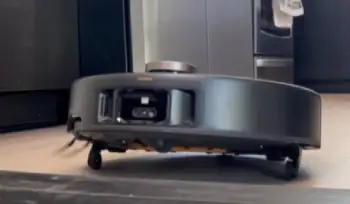
When I ran both brands through the same mixed-floor home with two shedding dogs, the daily differences became clear.
Mova’s extending arms reduced the number of times I had to spot-clean under furniture. Dreame’s mapping stayed more stable when I rearranged rooms or added temporary obstacles.
Battery life was competitive on both; neither left me stranded mid-clean on a typical 1,500–2,000 square-foot layout.
Maintenance is where docks shine. Both brands largely eliminate daily dustbin emptying and mop washing.
Mova’s bagless approach appealed more for cost and waste reduction. Dreame’s temperature-controlled washing felt slightly more thorough on sticky kitchen messes in the comparisons I followed.
Noise levels during cleaning are comparable—noticeable but not disruptive if you schedule runs while out. Auto-empty cycles are the loudest moment for either brand.
Who Should Choose Which Brand?
If your priority is maximum hardware capability for the money and you have lots of edges, low furniture, or raised thresholds, Mova currently offers the more compelling package in many tiers.
If you value refined software, consistent carpet results, and a more established ownership path, Dreame remains the safer overall choice.
Pet owners should look closely at brush design and hair-tangle performance on the specific model rather than brand alone.
Both have strong options; the dual-brush and anti-tangle systems on recent Mova units and the specialized brushes available for Dreame both perform well when hair is the main issue.
Homes with mostly hard floors tilt toward Mova’s edge reach and mopping pressure. Carpet-heavy homes often favor Dreame’s deeper extraction scores.
Also Read: Is Roomba Max 705 Worth It?
Frequently Asked Questions (FAQ)
Yes. Mova builds on Dreame Group engineering and has delivered competitive lab and owner results in a short time. Reliability appears solid for a newer brand, especially with longer warranties on current models.
It depends on priorities. Mova wins on value and certain hardware features such as extending arms. Dreame wins on software polish and overall consistency for many users. Neither is universally better.
They belong to the same larger group. Mova operates as a related or sub-brand under the Dreame Technology umbrella, sharing technology and supply resources while remaining distinct in branding, apps, and product lines.
No. While some models share core platforms, the final tuning, mop systems, dock designs, software, and accessories differ. Cleaning performance and maintenance experience are not identical even on closely related hardware.
Final Thoughts
I started this comparison expecting one clear winner. Instead I found two capable brands that share DNA yet target slightly different buyer priorities.
Mova gives you more aggressive hardware and reach for the dollar. Dreame gives you a more mature, polished experience that feels safer for long-term daily use.
Your floors, your budget, and how much you care about edge cleaning versus carpet depth will decide the better fit.
Measure the spaces that frustrate you most—baseboards, thresholds, pet-hair zones—and match those needs to the specific strengths each brand brings. Once you do that, either choice can remove a surprising amount of daily cleaning effort from your routine.
Recent Posts
Gator Base Vs. Brock PaverBase: Which Lightweight Panel Wins For Your Patio?
I spent months researching and testing base options for my backyard patio project after watching traditional gravel installs turn into back-breaking weekends of digging, hauling, and...
Kingsdown Vs. Stearns & Foster: Which Luxury Mattress Actually Fits Your Sleep Style?
spent weeks testing and comparing Kingsdown and Stearns & Foster mattresses because I needed a clear answer on which luxury hybrid better matches real sleep needs for support, pressure relief,...