
I spent months testing Naväge and a classic neti pot to clear my seasonal congestion, post-nasal drip, and allergy flare-ups.
My goal here is simple: share a real-user, side-by-side comparison of how each works, what they cost long-term, and which one actually delivers cleaner breathing so you can pick the right tool for your nose without the usual trial-and-error frustration.
| Feature | Navage | Neti Pot |
| Method | Powered suction (pulls saline through) | Gravity (pours saline through) |
| Time per use | 30–60 seconds | 2–5 minutes |
| Head position | Upright or slight lean | Strong side tilt over sink |
| Mess level | Low (waste tank captures fluid) | Higher (drips common) |
| Saline prep | Pre-measured SaltPods | Mix salt packets or DIY |
| Upfront cost | Higher ($80–160 range) | Low ($10–25) |
| Ongoing cost | SaltPods (~$0.40–0.60 each) | Cheap salt packets or bulk salt |
| Learning curve | Short | Moderate (angle and flow control) |
| Portability | Moderate (device + pods) | High (small pot) |
| Best for | Frequent users wanting speed and thoroughness | Occasional users or budget-focused routines |
How Each One Actually Works In Daily Life?
I started with the neti pot because it looked straightforward. You fill the little teapot-shaped vessel with warm saline, lean over the sink, tip your head sideways, and pour the solution into the upper nostril so it flows out the lower one. Gravity does the work.
The first few tries felt awkward—I got water in my throat until I learned to keep my soft palate closed and breathe through my mouth.
Once I dialed in the angle, it flushed mucus and allergens decently, leaving my passages moist and clearer for a few hours.
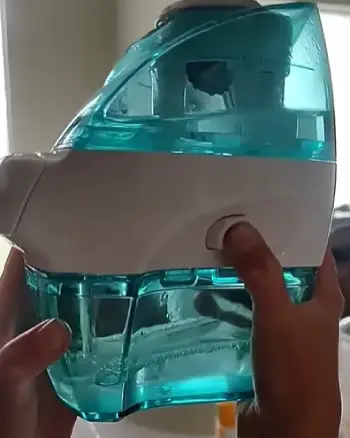
Naväge flipped the script. You fill the upper tank with distilled or previously boiled water, pop in a SaltPod, snap the nose pillows into both nostrils, and press the button.
A gentle powered suction pulls the saline in one side, around the back of the nasal cavity, and out the other into the lower waste tank.
No dramatic head tilt, no balancing act. The whole cycle finishes in under a minute for me. The sensation feels more like a controlled rinse than a pour. I noticed the waste tank often collected thicker mucus than the neti pot ever pulled out, which matched the claim of deeper circuit-style flushing.
Both methods rely on the same basic principle: saline loosens and removes irritants, pollen, dust, and excess mucus while moisturizing the nasal lining.
The difference sits in delivery—push versus pull—and the convenience that follows.
Key Differences Between The Navage And Neti Pot
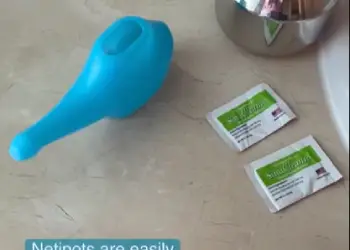
- Power source and flow control: Naväge uses a consistent powered pump for even suction every cycle while the neti pot depends completely on how steadily you tip and pour the solution.
- Posture and space needed: Naväge lets me stay mostly upright at the counter but the neti pot forces a strong side lean over the sink that can stiffen my neck after several uses.
- Cleanup routine: Naväge keeps most fluid inside the lower waste tank for simple emptying while the neti pot usually leaves drips that need extra wiping and careful spout washing.
- Solution consistency: SaltPods deliver the exact saline strength automatically but a neti pot requires measuring packets or mixing salt yourself which can sting if the ratio is off.
- Suitability for heavy congestion: Naväge’s suction still moves fluid once a little airflow returns yet both tools stop working when the nose is fully blocked.
Key Features Of A Neti Pot
- Simple gravity-fed design: No batteries or moving parts are involved at all so you simply fill the pot with saline tip it to the side and allow natural physics to carry the solution through your nasal passages in a steady controlled stream.
- Material options: Ceramic plastic or stainless steel versions are widely available and after testing several types I found that ceramic models held up best over time because they resist staining and stay sturdy even with frequent washing and daily use.
- Wide spout and handle: The classic teapot shape features a comfortable handle and a wide spout that together give solid control over the flow once you become familiar with the correct head angle and pouring speed.
- Compatible with any isotonic saline: Store-bought premixed packets or a simple homemade blend of non-iodized salt and baking soda both work equally well without any brand restrictions so you can choose whatever is most convenient or affordable.
- Fully portable: The compact size of the pot allows it to slip easily into a toiletry bag or carry-on and it needs no power source which makes it ideal for travel days or situations where electricity is limited.
- Easy visual monitoring: You can watch the saline leave the pot in real time and immediately adjust the pour rate or head position by eye which helps ensure a thorough and comfortable rinse every session.
- Reusable for years: With proper care that includes regular washing and complete air drying a quality neti pot can last indefinitely without any need for batteries replacement parts or expensive ongoing supplies.
Pros Of Navage
- Speed and convenience: A full cycle finishes in under a minute so twice-daily use during allergy season never feels like a chore.
- Reduced mess: Nearly all fluid ends up in the waste tank and my sink stays much cleaner than after neti pot sessions.
- Consistent results: Every rinse delivers the same steady flow without variation from hand fatigue or uneven pouring.
- Thorough mucus removal: The suction circuit often extracts thicker debris that gravity leaves behind and breathing stays clearer longer.
- Minimal learning curve: Most people feel comfortable after one or two tries which was a relief after struggling with neti pot angles.
- Drug-free relief that pairs well with other routines: It works alongside allergy medication without adding drowsiness or interactions.
Cons Of Navage
- Higher ongoing expense: Daily or twice-daily SaltPods push the yearly cost well above a simple neti pot.
- Proprietary pods required: Generic salt packets cannot replace the branded pods and that lock-in feels limiting.
- Not ideal for complete nasal blockage: The device will not run properly until at least a little airflow returns.
- Battery or power dependence: Dead batteries stop the process so keeping spares becomes necessary.
- Bulkier storage: The full unit takes more cabinet or counter space than a small pot.
- Age and medical restrictions: It is not recommended under age twelve or after recent ear or nasal surgery without doctor approval.
Key Features Of A Neti Pot

- Simple gravity-fed design: No batteries or moving parts mean you just fill the pot tip it and let physics move the saline through.
- Material options: Ceramic plastic or stainless versions are available and I found ceramic held up best with repeated washing.
- Wide spout and handle: The classic teapot shape gives solid control once the correct head angle becomes familiar.
- Compatible with any isotonic saline: Store-bought packets or a homemade mix of non-iodized salt and baking soda both work without restriction.
- Fully portable: The small pot slips easily into a toiletry bag and needs no power source for travel days.
- Easy visual monitoring: You watch the solution leave the pot and can adjust the pour rate by eye in real time.
- Reusable for years: Proper care lets a quality pot last indefinitely without battery or part replacements.
Pros Of The Neti Pot
- Extremely low cost: One purchase covers years of use and salt packets or bulk salt stay inexpensive.
- No proprietary supplies: Any proper saline works so I can mix my own even while traveling.
- Highly portable: It packs small and needs no power which simplifies trips.
- Gentle when done correctly: Gravity produces a soft flow that many people find less intense than suction.
- Proven track record: Generations of users and many ENT practices treat it as a standard home tool.
- Simple maintenance: Soap hot water and full air drying prepare it for the next session with almost no effort.
Cons Of The Neti Pot
- Technique sensitivity: The wrong head angle can send water down the throat or leave one side under-rinsed.
- Higher mess potential: Drips are common so a towel and extra counter wiping become part of the routine.
- Longer session time: Filling positioning rinsing both sides and cleaning often stretch past five minutes.
- Variable thoroughness: Gravity does not always pull the same volume of mucus that powered suction manages.
- Physical demand: Holding the tilt can strain the neck or shoulders when congestion lasts for days.
- Risk of improper water use: The open design makes careful cleaning even more important to avoid contamination.
Real-World Performance: Allergies, Colds, And Daily Maintenance
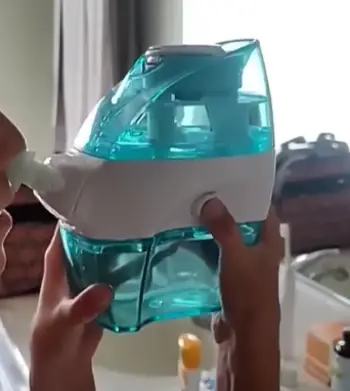
During spring pollen peaks I ran both devices morning and night. Naväge cleared the heavy morning congestion faster and kept me comfortable through outdoor time.
The neti pot worked well for lighter evening maintenance and cost almost nothing extra. On cold days with thick mucus, the suction edge of Naväge felt more decisive. For mild dryness from indoor heating, either method restored moisture equally well.
I tracked how long the clear-breathing window lasted. Naväge often gave me four to six hours of noticeable improvement; the neti pot hovered around three to five hours depending on how thoroughly I rinsed.
Neither replaces medical care for chronic sinus issues, but both reduced my reliance on medicated sprays.
Cleaning discipline matters for both. I rinsed Naväge parts after every use and deep-cleaned weekly.
The neti pot got the same soap-and-hot-water treatment plus full air drying. Skipping those steps risks bacterial growth no matter which tool you choose.
Safety Considerations I Learned The Hard Way
Both devices demand distilled, sterile, or properly boiled-and-cooled water. Tap water carries a small but real risk of introducing organisms that do not belong in nasal passages.
I never skipped that step after reading the warnings. Temperature stays lukewarm—too hot burns, too cold stings.
Stop immediately if you feel sharp pain, dizziness, or ear pressure. Complete nasal blockage, active ear infection, recent nasal or ear surgery, and age under 12 are clear stop signs for Naväge.
The same medical red flags apply to neti pots, plus any condition that prevents safe head tilting.
I always check with my doctor before starting a new routine, especially if I have ongoing sinus problems or take other medications.
Nasal irrigation supports symptoms; it does not diagnose or cure underlying disease.
Cost Breakdown Over A Year Of Regular Use
Naväge’s starter kit runs higher up front. Add daily or twice-daily SaltPods and the annual outlay climbs into the low hundreds depending on frequency.
The neti pot stays under fifty dollars for the year even with premium salt packets. If budget sits at the top of your list and you rinse only occasionally, the pot wins.
If daily convenience and deeper clearance matter more, Naväge’s premium starts to feel justified after a few heavy allergy seasons.
Who Should Choose Which Tool?
Choose Naväge if you want speed, less mess, and stronger mucus extraction for frequent or severe congestion.
It suits people who already budget for wellness devices and value consistency.
Choose a neti pot if you prefer simplicity, lowest cost, and maximum portability. It works especially well for mild symptoms or as a travel backup.
Many people keep both: Naväge for peak seasons, neti pot for maintenance or trips. That hybrid approach gave me flexibility without forcing an all-or-nothing decision.
Also Read: Comparison Of Squeeze Bottle And Neti Pot
Frequently Asked Questions (FAQ)
Many ENT physicians recommend powered suction systems like Naväge among that category, and saline irrigation in general remains a common first-line suggestion.
Avoid it with complete nasal blockage, active ear infection, recent ear or nasal surgery, age under 12, or any situation your doctor flags.
Yes. Neti pots and similar gravity or squeeze methods appear regularly in ENT advice for home sinus care when used with proper water and technique.
It thoroughly flushes the nasal passages and helps clear mucus near sinus openings, supporting better drainage and reduced congestion.
Wrapping Up
After months of alternating between the two, I settled on Naväge for my regular routine because the speed and thoroughness fit my life best.
You might land on the opposite choice once you weigh cost against convenience. Either way, consistent saline irrigation improved my breathing more than any single product claim suggested.
Start with clean water, proper technique, and realistic expectations, and you will likely notice clearer days ahead. The right tool is the one you will actually use every time your sinuses need help.
Recent Posts
● Interactive 5-Zone Interior & Exterior Paint Blueprint Paint Coverage Calculator: Gallons, Primer, Square Footage & Cost Tap any architectural surface zone on the blueprint...
If you want smooth, shiny hair without spending a fortune on a premium styling tool, the Ella Bella hair dryer may be worth considering.In these Ella Bella hair dryer reviews, I’ll look...