
I have spent years dealing with seasonal allergies, stubborn congestion, and the frustration of trying different nasal irrigation methods.
My goal with this piece is to share a clear, side-by-side look at NeilMed versus a traditional neti pot so you can decide which one fits your daily routine and symptoms best, based on real use, features, and practical trade-offs.
| Feature | NeilMed Sinus Rinse | Traditional Neti Pot |
| Delivery Method | Positive pressure (squeeze bottle) | Gravity flow (teapot-style pour) |
| Pressure Control | User-controlled by hand squeeze | Constant low pressure from gravity alone |
| Typical Material | BPA-free medical-grade plastic | Ceramic, plastic, stainless steel, or copper |
| Ease of Use | High – works with upright or slight tilt | Medium – needs precise head angle |
| Cleaning | Easy – wide mouth, often microwave-safe | Moderate – narrower spout, hand wash preferred |
| Portability | High – lightweight and durable | Lower – bulkier, fragile if ceramic |
| Saline Prep | Pre-measured packets recommended | DIY salt mix or packets |
| Best Suited For | Heavy congestion, thick mucus, post-surgery | Gentle daily maintenance, sensitive tissue |
| Volume Capacity | Usually 240 mL | Varies, often 200–240 mL |
| Learning Curve | Short | Longer for proper angle |
Understanding Neilmed And The Neti Pot From Everyday Experience
When my sinuses start acting up, I reach for irrigation tools almost automatically.
NeilMed is a brand that specializes in sinus-care products, and its most popular option is the Sinus Rinse kit—a soft plastic squeeze bottle that comes with premixed saline packets.
You fill the bottle with the right amount of sterile or boiled water, add a packet, shake, and gently squeeze the solution into one nostril so it flows out the other.
The brand also sells its own version of a neti pot called NasaFlo, but most people comparing “NeilMed versus neti pot” mean the squeeze-bottle system against the classic gravity pot.
A traditional neti pot looks like a small teapot. You tilt your head sideways over a sink, place the spout at the upper nostril, and let gravity carry the saline through your nasal passages.
Both tools do the same basic job: they wash mucus, allergens, dust, and irritants out of the nose and sinuses. The difference sits in how the liquid moves and how much control you have while it happens.
I have used both for years. Some mornings the squeeze bottle feels faster and more thorough when I wake up stuffed.
Other evenings the gentle pour of a ceramic pot feels more calming after a long day of pollen exposure.
Neither is magic, yet both can make breathing noticeably easier when used correctly with clean water and proper saline strength.
Key Differences Between The NeilMed And Neti Pot

- Delivery force: NeilMed relies on the pressure you create by squeezing the bottle, and that positive pressure can push solution deeper into congested areas.
A neti pot depends only on gravity, so the flow stays mild and steady.
- Head position: With NeilMed you can stay nearly upright or lean just a little, which feels natural for most people.
The neti pot demands a specific sideways tilt so the liquid runs from one nostril to the other without spilling into your throat.
- Preparation consistency: NeilMed packets are measured for a precise isotonic or slightly hypertonic mix that stays consistent every time.
With a classic pot you often measure salt and baking soda yourself, which can lead to batches that feel too strong or too weak.
- Physical feel during use: The squeeze bottle gives a more active flush that many notice right away when mucus is thick.
The pot feels quieter and more passive, almost like a slow rinse rather than a wash.
- Replacement cycle: Both plastic devices should be replaced every three months or so to keep them hygienic.
Ceramic pots last longer if you handle them carefully and clean them well.
These differences shape the daily experience more than any marketing claim.
When congestion is thick, the controlled push of the squeeze bottle often clears passages faster in my experience.
When I simply want a light daily clean, the gravity method feels less intrusive.
Key Features Of Neilmed Sinus Rinse
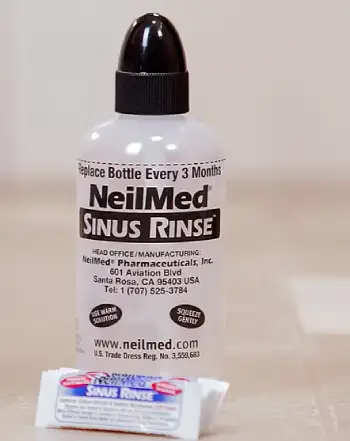
- Soft squeezable bottle: This design empties nearly completely while you stand upright and holds about 240 mL, which is enough for both sides in one fill.
It lets you finish a full rinse without awkward angles.
- Premixed saline packets: Each packet contains USP-grade sodium chloride and sodium bicarbonate that is pH-balanced so the solution rarely burns.
You can use one packet for isotonic strength or two for a stronger mix that helps shrink swollen tissue.
- Rounded single-piece cap: The tip fits most nostril sizes comfortably and has no extra parts that trap residue.
This makes cleaning straightforward after every use.
- Wide-mouth opening: Filling and washing the bottle is simple because the opening is large.
Many users microwave the bottle for disinfection after washing with soap and water.
- Portable and durable build: The plastic travels well in a toiletry bag and will not shatter if dropped.
I keep one kit at home and a smaller set for trips.
In practice I keep a NeilMed kit in the bathroom and another small set for travel. The packets remove the guesswork that once left my nose stinging after a homemade mix went wrong.
The bottle’s flexibility also means I can ease the pressure if my passages feel tender after a cold.
Pros Of Neilmed Sinus Rinse
- Stronger clearance of thick mucus: The positive pressure reaches areas that gravity alone may leave untouched. This helps when I am fighting a full sinus load and need faster results.
- Greater control over flow speed: I can squeeze gently for comfort or a bit more firmly when congestion is stubborn. That adjustability reduces the chance of sudden discomfort during the rinse.
- Consistent saline strength every time: Packets eliminate measuring errors that can cause burning or drying. The result feels the same from one use to the next.
- Quicker learning curve for most people: Standing upright and squeezing feels more natural than mastering a precise head angle right away. Most users get comfortable within a few tries.
- Better for post-surgery or heavy allergy days: Many specialists prefer the volume and pressure of a squeeze bottle after nasal procedures. It clears residual debris more thoroughly in those situations.
- Easy to take on trips: Lightweight plastic and sealed packets pack without worry about breakage. The whole kit fits easily into a small bag.
When my allergies peak in spring, the NeilMed bottle often gives me faster relief. I notice less post-nasal drip by midday and fewer headaches from pressure. The ability to control the squeeze also means I can back off if one side feels more sensitive than the other.
Cons Of NeilMed Sinus Rinse
- Possible over-pressure if squeezed too hard: Too much force can send solution toward the ears and create temporary fullness or discomfort. Gentle technique is essential from the first use.
- Plastic construction that needs regular replacement: The bottle should be swapped every few months even with careful cleaning. Skipping this step can reduce hygiene over time.
- Ongoing cost of packets: While the starter kit is inexpensive, refill packets add up if you rinse daily year-round. The expense is steady rather than one-time.
- Slightly more mechanical feel: Some people find the active squeeze less relaxing than a pure gravity rinse. The process can feel more like a task than a calm routine.
- Requires careful cleaning of the bottle interior: Residue can build up if you skip the recommended wash and dry steps. Thorough drying is important after every rinse.
I once squeezed too firmly early on and felt a brief ear pressure that lasted an hour. After that I learned to start slow and increase only if needed. The packet expense is real, yet still cheaper than repeated pharmacy visits for me.
Key Features Of A Traditional Neti Pot
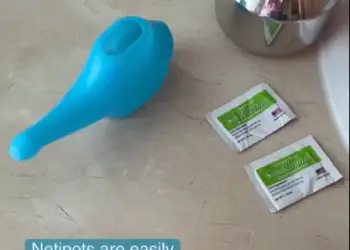
- Gravity-driven spout design: Liquid flows at a constant low rate once you lift the pot, and no squeezing is required.
This keeps the process steady and predictable.
- Material variety options: Ceramic pots feel solid and are often microwave-safe for easy cleaning.
Plastic versions are lighter while metal options exist for those who prefer them.
- Clear volume indicators: Many pots show fill lines so you know when you have enough solution ready.
This helps avoid underfilling or overfilling during preparation.
- Simple few-parts construction: There are fewer places for bacteria to hide if you clean thoroughly after each use.
The basic shape makes maintenance less complicated.
- Traditional familiar form: The teapot shape has been used for nasal rinsing in various cultures for a long time.
Many people find the look and feel reassuring during daily routines.
I keep a ceramic neti pot on a shelf because the weight and smooth surface feel reassuring.
The slow pour encourages me to slow down and breathe through my mouth while the solution does its work.
The main skill is finding the exact head tilt that lets the liquid exit the lower nostril cleanly; once that becomes automatic, the process is almost meditative.
Pros Of A Traditional Neti Pot
- Gentle low-pressure rinse: This approach is ideal for sensitive nasal tissue or daily maintenance when congestion is mild. The flow never feels aggressive or forced.
- No risk of forcing liquid with excess force: Gravity sets the limit, which reduces the chance of ear involvement for many users. The process stays controlled without extra effort.
- Durable materials available: A good ceramic pot can last for years with proper care. This makes it a longer-term option for consistent use.
- Lower long-term cost if mixing your own saline: Once you own the pot, salt and baking soda are inexpensive. The ongoing expense stays minimal compared to packets.
- Calming ritual quality: The slower process encourages mindful breathing and can feel more like self-care than a medical task. Many users appreciate this quiet aspect.
- Simple design with few moving parts: There is less chance of mechanical failure over time. Cleaning stays straightforward because the structure is basic.
On quiet evenings when my nose is only mildly irritated, the neti pot is my preference. The slow pour lets me notice the gradual clearing without any sudden rush of liquid. It also feels less wasteful of plastic over time.
Cons Of A Traditional Neti Pot
- Steeper learning curve for proper angle: Until you find the right head position, liquid can spill into your mouth or fail to exit the other side cleanly. Practice is needed before it becomes automatic.
- Limited ability to clear heavy thick mucus: Gravity alone may not push solution deep enough when passages are fully blocked. Results can feel incomplete on the worst days.
- Fragility of ceramic versions: A dropped pot can crack or shatter and end its usefulness. Careful handling is required to keep it intact.
- Harder to travel with: Size and weight make packing less convenient, and ceramic is breakable. Plastic versions help but still take more space than a squeeze bottle.
- Potential inconsistency in homemade saline: Measuring by hand can produce batches that sting or feel weak. Getting the mix right takes attention each time.
- Narrower spout can be harder to clean thoroughly: Some designs trap residue if you do not use a brush. Extra care is needed to keep the interior clean.
My first attempts with a neti pot left me coughing because the angle was off. Practice fixed that, yet the limitation with thick mucus remains. When I am truly congested, I still reach for the squeeze bottle first.
Practical Tips From Real Use

Water quality matters more than the device. Always use distilled, previously boiled and cooled, or properly filtered water.
Tap water can introduce organisms that do not belong in the nasal cavity. Temperature should be lukewarm—body temperature feels best.
Technique improves with repetition. For NeilMed, lean slightly forward over a sink, place the tip gently, and squeeze in a steady stream while breathing through the mouth.
Switch sides and finish by gently blowing your nose. For the neti pot, tilt the head so one ear faces the sink, insert the spout, and raise the pot slowly. Let the full volume run through before switching.
Clean after every use. Wash with soap and hot water, rinse well, and air-dry completely. Microwave-safe devices can be disinfected that way if the manufacturer allows it. Replace plastic items on schedule.
Frequency depends on symptoms. Daily use during allergy season or after a cold is common.
Some people rinse once a day year-round for maintenance. If you use medicated nasal sprays, irrigate first so the medication contacts cleaner tissue.
I track how each method affects my sleep and energy. Clearer nights usually follow consistent rinsing, whichever tool I choose that day.
Who Might Prefer Which Option?
If you deal with frequent thick congestion, recover from sinus procedures, or want maximum control, the NeilMed squeeze system often proves more practical.
If you prefer a gentle daily habit, enjoy a slower ritual, or have very sensitive tissue, a traditional neti pot can feel kinder.
Many people keep both and switch based on the day’s needs. That is what I do.
Safety notes apply equally. Avoid irrigation if you have a complete nasal blockage, active nosebleed, or significant ear pain.
Children need age-appropriate devices and adult supervision. Anyone with immune concerns should check with a clinician first.
Also Read: Comparison Of Navage And Neti Pot
Frequently Asked Questions (FAQ)
It depends on your symptoms. NeilMed often clears heavier congestion more effectively through controlled pressure. A neti pot suits gentle daily rinsing.
Yes, many ENT specialists recommend both neti pots and squeeze-bottle systems like NeilMed for nasal irrigation when used with sterile water and proper technique.
They both deliver saline to flush the nasal passages, but NeilMed uses positive pressure from a squeeze bottle while a neti pot relies on gravity.
Neti pot is one specific gravity-based device. A saline rinse is the broader practice of washing the nose with salt water and can be done with a neti pot, squeeze bottle, or other tools.
Wrapping Up
After years of testing both approaches, I see NeilMed and the traditional neti pot as complementary rather than rivals.
The squeeze bottle gives me reliable power when congestion hits hard, while the pot offers a softer daily reset.
Your choice should match how your nose feels most days and how much control you want during the rinse. Start with clean water, measured saline, and patient technique.
Give each method a fair trial of a week or two. Once you find the rhythm that keeps your passages clear, you will wonder how you managed without it.
Trust your own experience and adjust as seasons and symptoms change. Clear breathing is worth the small daily effort.
Recent Posts
● Interactive 5-Zone Interior & Exterior Paint Blueprint Paint Coverage Calculator: Gallons, Primer, Square Footage & Cost Tap any architectural surface zone on the blueprint...
If you want smooth, shiny hair without spending a fortune on a premium styling tool, the Ella Bella hair dryer may be worth considering.In these Ella Bella hair dryer reviews, I’ll look...