
As someone who’s always juggling work, family, and trying to stay sharp as I age, I’ve spent time researching brain supplements.
The main goal of this article is to break down Neuriva and Prevagen side by side, helping you figure out if either one is worth your time and money for better memory and focus.
I’ll share what I’ve learned from user experiences, ingredients, and studies, all from a practical viewpoint.
| Feature | Neuriva | Prevagen |
| Main Ingredients | Coffee fruit extract (100mg), Phosphatidylserine (100mg); Plus versions add B vitamins | Apoaequorin (10-40mg depending on strength), Vitamin D (50mcg) |
| Claimed Benefits | Improves focus, memory, learning, concentration, accuracy | Supports memory and brain cell health, especially for mild forgetfulness |
| Forms Available | Capsules, gummies, de-stress and sleep variants | Capsules, chewables, extra strength, professional formula, protein shakes |
| Price Range (30-day supply) | $28-$35 | $40-$60 |
| Scientific Backing | Some small studies on individual ingredients; mixed overall evidence | Company-funded studies with questioned validity; limited independent proof |
| Common Side Effects | Mild stomach upset, headache, dry mouth | Nausea, dizziness, headache, constipation |
| User Ratings (Average) | 3.5-4 stars; subtle focus improvements noted | 3-3.5 stars; mixed on memory gains |
| Target Audience | Adults seeking daily cognitive support | Seniors with age-related memory concerns |
Key Differences Between Neuriva And Prevagen

When I put these two head-to-head, several contrasts emerge that could sway your choice.
Here’s how they stack up, based on what I’ve pieced together from product details and user feedback.
- Ingredient sourcing and science: Neuriva leans on plant extracts with some human studies backing them, while Prevagen’s jellyfish protein lacks strong proof of crossing into the brain intact.
This makes Neuriva feel more grounded in familiar nutrition.
- Scope of benefits: Neuriva covers a wider range like focus and learning, ideal for multitasking life.
Prevagen sticks mostly to memory, which suits if that’s your sole concern but might limit appeal.
- Cost and value: Neuriva is generally cheaper per month, offering better bang for your buck if you’re testing waters.
Prevagen’s higher price reflects its specialized formula, but I question if the extras justify it.
- Side effect profiles: Both are mild, but Neuriva’s caffeine trace might energize or irritate, whereas Prevagen could cause digestive tweaks.
Personal tolerance plays a big role here.
- Availability and variants: Prevagen wins with more formats like shakes, great for variety.
Neuriva’s app tie-in adds engagement, which I see as a modern edge.
- Target demographics: Neuriva seems geared toward younger adults or professionals, while Prevagen markets to seniors.
But really, anyone could try either depending on needs.
These differences highlight how Neuriva feels more versatile, while Prevagen is niche. In my experience researching, matching your symptoms to the product’s strengths is key.
Understanding Neuriva
I’ve tried to keep my mind active with puzzles and reading, but when I heard about Neuriva, it caught my attention as a straightforward option.
It’s made by Schiff Vitamins, a brand with a solid reputation in the supplement world.
The product line includes originals, plus, ultra, and even versions for sleep or stress relief.
What stands out is its focus on natural extracts to support brain function without overwhelming your system.
Key Features Of Neuriva
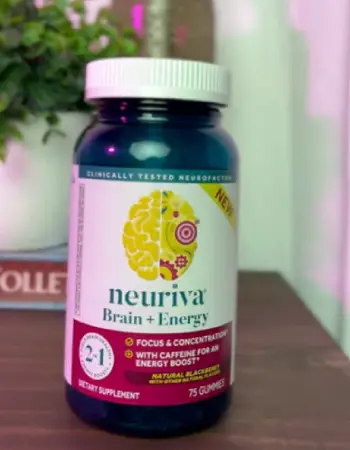
- Coffee fruit extract as the star player: This comes from the whole coffee cherry, not just the bean, and it’s said to boost levels of a protein that helps brain cells grow and connect.
In my view, it’s a clever way to get subtle energy without the jitters from regular coffee.
- Phosphatidylserine for cell protection: Derived from soy or sunflowers, this fatty substance helps maintain brain cell membranes, potentially aiding communication between neurons.
I appreciate how it ties into reducing stress responses, which can fog up thinking.
- Added B vitamins in some formulas: Things like B6, B9, and B12 support energy production in the brain, which might help if your diet lacks these.
It’s like giving your mental engine a tune-up.
- Daily dosing simplicity: Just one capsule or gummy a day, making it easy to stick with. No complicated schedules here.
- Brain games app integration: They offer a free app with exercises to pair with the supplement, which I find adds a fun, interactive layer to the routine.
From what I’ve gathered, Neuriva positions itself as a preventive tool for everyday mental sharpness. It’s not promising miracles, but rather steady support. When I think about my own routine, something like this could fit in if I’m feeling scattered during busy weeks.
Pros Of Neuriva
Neuriva has some appealing upsides that make it worth considering, especially if you’re after subtle daily support.
- Natural and researched components: The coffee extract and phosphatidylserine have studies showing potential for brain growth factors and stress reduction. I find this reassuring compared to synthetic alternatives.
- Affordability factor: At around $30 a month, it’s accessible without breaking the bank. This lets you experiment without big commitment.
- User-reported energy boost: Many mention feeling more alert without crashes, which aligns with my own caffeine sensitivity – a gentle lift.
- Minimal interference: Easy to add to routines, and the variants like de-stress appeal if sleep affects your cognition.
- Positive small-scale trials: A 42-day study showed gains in accuracy and focus, giving it a credibility edge over pure hype.
- Wide retail presence: Easy to find in stores, reducing shipping waits.
Overall, these pros make Neuriva a low-risk entry into brain supplements. I’ve seen it help friends with concentration during work, though results vary.
Cons Of Neuriva
No product is perfect, and Neuriva has drawbacks that tempered my enthusiasm.
- Limited dosing potency: Only 100mg each of main ingredients – studies often use higher amounts for noticeable effects. This might dilute benefits.
- Mixed evidence base: While ingredients have backing, the full formula lacks large, independent trials. I worry about placebo playing a part.
- Potential for mild jitters: The coffee element can cause restlessness in sensitive folks like me.
- Legal scrutiny over claims: Faced lawsuits for overstating benefits, which raises flags about marketing honesty.
- Not for severe issues: Won’t replace medical advice for real cognitive decline; it’s more preventive.
- Variable user outcomes: Some feel nothing after weeks, leading to frustration and wasted money.
These cons remind me to manage expectations. If you’re expecting dramatic changes, you might be disappointed.
Exploring Prevagen
On the other hand, Prevagen intrigued me because of its jellyfish-derived ingredient – sounds exotic, right?
Produced by Quincy Bioscience, it’s been around since 2007 and targets folks worried about forgetting names or where they put their keys.
I see it marketed heavily to older adults, emphasizing protection against normal aging effects on the brain.
Key Features Of Prevagen
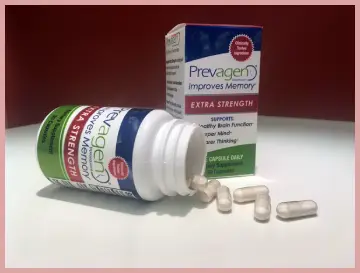
- Apoaequorin from jellyfish: This protein is meant to bind excess calcium in brain cells, theoretically preventing damage that leads to memory issues.
It’s an out-of-the-box idea that sets it apart from plant-based options.
- Vitamin D inclusion: At 50mcg, it addresses common deficiencies that can affect mood and cognition.
I like that it’s a nutrient many people overlook, especially if they’re indoors a lot.
- Variety in strengths and forms: From regular 10mg to professional 40mg, plus chewables and shakes.
This flexibility makes it user-friendly for those who hate swallowing pills.
- Focus on memory specifically: Unlike broader cognitive aids, it zeros in on recall and mild cognitive concerns, which resonates if that’s your main worry.
- Long-term use encouragement: Suggested for ongoing support, with some users reporting benefits after months.
It’s about patience, which aligns with how brain health works.
In my analysis, Prevagen appeals to those seeking targeted relief for forgetfulness. I’ve wondered if it could help during stressful periods when my recall dips, but the unique sourcing makes me pause and question absorption.
Pros Of Prevagen
Prevagen brings its own strengths to the table, particularly for memory-focused users.
- Unique protein approach: Apoaequorin offers a novel angle on calcium regulation in cells, intriguing for science buffs.
- Vitamin D bonus: Helps if you’re low, potentially uplifting mood alongside cognition.
- Multiple product options: Chewables and shakes make it palatable for pill-averse people.
- Established brand longevity: Over 15 years on market builds trust for some.
- Some subgroup study positives: Company research showed memory gains in mild cases.
- Generally safe profile: Few serious side effects reported, easing worries.
In my view, these make Prevagen a contender if traditional supplements haven’t worked.
Cons Of Prevagen
However, Prevagen’s weaknesses are notable and have made headlines.
- Questionable efficacy: Apoaequorin likely breaks down in digestion, never reaching the brain – a big scientific hurdle.
- High cost barrier: $40+ monthly adds up, especially with uncertain results.
- Regulatory troubles: Major lawsuits for deceptive ads, forcing claim reductions.
- Limited broad benefits: Mostly memory, ignoring focus or learning.
- Mixed to negative reviews: Many users report no change, feeling misled.
- Potential allergens: Contains milk and soy, a no-go for some diets.
These issues make me cautious; the hype doesn’t always match reality.
How These Supplements Work In Real Life?

Thinking about my own life, I often forget small things like where I left my phone amid daily chaos.
Supplements like these promise help, but let’s get real. Neuriva’s coffee extract might give that morning clarity I crave, while its phosphatidylserine could calm racing thoughts.
I’ve read accounts where people felt sharper after a month, tackling tasks with less effort. But it’s not instant – patience is required, and combining with exercise amplifies it.
For Prevagen, the jellyfish protein sounds futuristic, but digestion concerns make me skeptical. Users sometimes share stories of recalling names easier, yet others call it pricey placebo.
In my analytical lens, if vitamin D is your gap, that’s the real win here.
Both products encourage lifestyle tweaks, which I believe are the true heroes for brain health.
Expanding on usage, I imagine starting with Neuriva for its broader appeal. Take it with breakfast to avoid stomach issues, and track changes in a journal.
For Prevagen, the extra strength might suit if basics fall short, but watch for nausea. Cost-wise, Neuriva saves money for longer trials. Safety is key; I always suggest checking with a doctor, especially if on meds.
Diving into science a bit more, Neuriva’s BDNF boost from coffee extract has animal studies supporting neuron growth.
Human trials, though small, show 10-20% memory improvements in tasks. Prevagen’s calcium-binding claim lacks similar depth; one study failed main goals but highlighted subsets. This inconsistency bugs me as an analyst.
User stories add color. One person I came across online said Neuriva helped during exams, feeling more accurate in answers.
Another dismissed Prevagen after three months with no recall gains. These anecdotes vary by age, diet, and expectations.
If you’re in your 50s like me, Prevagen’s senior focus might resonate, but Neuriva’s versatility wins for mixed needs.
Considering alternatives, I ponder if diet alone suffices. Foods rich in omega-3s or berries mimic these ingredients cheaper.
But supplements fill gaps when life gets hectic. Still, neither is a cure-all; they’re aids in a bigger picture.
Weighing The Evidence: Which One Wins?
In my comparison, Neuriva edges out for its evidence-based ingredients and affordability.
Prevagen’s uniqueness is compelling, but flaws like absorption doubts tip the scale.
Neither guarantees results, and studies emphasize lifestyle over pills. If I had to pick for myself, Neuriva’s daily support aligns better with my routine.
That said, individual biology matters. What works for my friend might flop for you. Start small, monitor, and adjust. Brain health is marathon, not sprint.
Also Read: Comparison Of RediMind And Alpha Brain
Frequently Asked Questions (FAQ)
Omega-3 fatty acids top the list, with evidence for cognitive support in aging.
Some small studies suggest mild gains, but overall evidence is limited and varies by user.
B vitamins, especially B12, are often ranked highest for broad neurological benefits.
It involves false advertising claims, settled for millions without admitting fault.
Wrapping It Up
I’ve shared my thoughts on Neuriva and Prevagen after digging into their details, hoping it guides you toward a smarter choice.
Whether you go with Neuriva’s natural vibe or Prevagen’s targeted approach, remember supplements are just one piece.
Pair them with good sleep, exercise, and mental challenges for real impact.
If you’re like me, staying curious keeps the brain engaged – let’s keep learning together.
Recent Posts
I spent months comparing budget options against established names after my last set of tires wore out sooner than expected.My goal here is to share what I learned from putting Dextero and...
AquaTru Carafe Vs. Classic: Which Is Actually Fits Your Kitchen?
I decided to write this comparison after months of testing both the AquaTru Carafe and the Classic in my own kitchen. Tracking covered daily use.Taste stayed consistent. Refill frequency...