
As someone who’s always curious about ways to keep my mind sharp as I age, I’ve taken a close look at NeuroQ and Prevagen.
These two supplements promise to support memory and brain function, but they approach it differently.
In this article, I’ll share my analysis of their ingredients, features, strengths, and weaknesses to help you decide which might fit your needs.
My goal is to break it all down simply, based on what I’ve learned from user stories and product details.
| Feature | NeuroQ | Prevagen |
| Main Ingredients | Phosphatidylserine, Gotu Kola, Coffee Fruit Extract, Ginkgo Biloba, Turmeric, Propolis | Apoaequorin (from jellyfish), Vitamin D |
| Target Benefits | Memory recall, focus, mental clarity, processing speed, neuroplasticity | Memory improvement, brain health support |
| Clinical Backing | Multiple human trials showing improvements in 7-90 days; backed by neurologist Dr. Dale Bredesen | Limited studies; some safety research but efficacy questioned in court rulings |
| Price (approx. monthly) | $60 | $40 |
| Form | Capsules (2 per day) | Capsules or chewables (1 per day) |
| Availability | Online, subscription encouraged | Widely available in stores and online |
| User Ratings (average from reviews) | Positive, with 97% improvement in studies | Mixed, popular but some skepticism |
| Side Effects | Mild digestive issues possible | Rare allergic reactions or minor issues |
Key Differences Between Neuroq And Prevagen
As I compared these two, several standout contrasts emerged that could sway your choice. NeuroQ feels like a full-spectrum approach, while Prevagen is more streamlined. Here’s what I noticed:
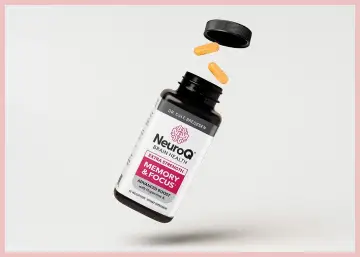
- Ingredient complexity: NeuroQ packs in six natural, plant-based elements targeting multiple brain functions, like inflammation and blood flow.
Prevagen relies mostly on one novel protein, which might appeal if you prefer minimalism, but it lacks the variety that could address broader issues.
- Scientific support: NeuroQ boasts three human trials with 97% of participants seeing gains in memory and focus within weeks.
Prevagen has safety studies, but its memory claims have faced legal challenges, making me cautious about overhyped benefits.
- Target audience and usage: NeuroQ is geared toward proactive brain health for those over 55, with a two-capsule daily routine building over 90 days.
Prevagen suits mild memory concerns with a single dose, and it’s more accessible for beginners.
- Cost and value: At around $60 monthly, NeuroQ is pricier but offers more ingredients and clinical backing.
Prevagen’s $40 price tag makes it budget-friendly, especially with subscriptions, though you might question if the savings match the results.
- User experiences: From what I’ve gathered, NeuroQ users report sharper recall and energy, while Prevagen fans note subtle memory nudges, but skeptics say it’s placebo-like.
- Potential for side effects: Both are generally safe, but NeuroQ’s herbs could cause mild stomach upset, whereas Prevagen might trigger allergies in sensitive folks.
These differences highlight how NeuroQ might suit someone seeking depth, while Prevagen fits casual users.
Understanding Neuroq
When I first heard about NeuroQ, it struck me as a supplement designed for people like me who want to stay mentally agile without relying on just one magic ingredient.
It’s created by LifeSeasons and formulated by Dr. Dale Bredesen, a neurologist known for his work on brain health.
From what I’ve seen, it’s aimed at adults over 55, but anyone concerned about cognitive slip-ups could give it a try.
I appreciate how it tackles multiple angles of brain aging, like neurotransmitter levels, blood flow, and toxin buildup. It’s not a quick fix, but users often report feeling sharper after consistent use.
Key Features Of Neuroq
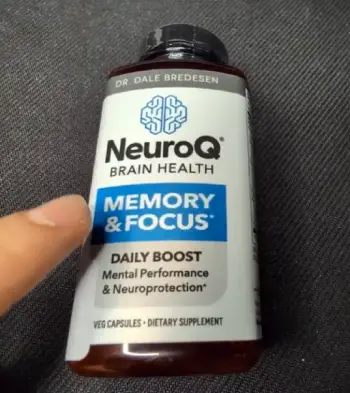
- Phosphatidylserine for neurotransmitter support: This comes from soy or sunflower and helps with acetylcholine, which is crucial for learning and recall.
In my view, it’s a solid choice because studies link it to better cognitive performance in stressful situations.
- Gotu Kola for neuroplasticity: An herb from traditional medicine, it promotes new neural connections.
I’ve read accounts where people felt more adaptable in daily tasks after taking it.
- Coffee Fruit Extract for BDNF boost: Not caffeinated, this extract encourages brain-derived neurotrophic factor, aiding neuron growth.
It’s interesting because it mimics exercise benefits for the brain without the workout.
- Ginkgo Biloba for blood flow: This increases circulation to the brain, potentially sharpening focus.
Many users mention quicker thinking as a result.
- Turmeric with curcumin for inflammation reduction: It fights chronic inflammation, which can fog the mind.
I like that it’s natural and has antioxidant perks.
- Propolis for detoxification: From bees, it helps clear brain toxins.
This feature stands out for long-term brain protection.
Each of these elements works together, and from my analysis, that’s what makes NeuroQ feel comprehensive. It’s vegetarian, gluten-free, and made in the USA, which adds to its appeal for health-conscious folks.
Pros Of Neuroq
In my experience reviewing supplements, NeuroQ has several upsides that make it a contender for serious brain support. Let’s break them down:
- Comprehensive formula: With ingredients hitting four key areas of decline, it feels like a well-rounded plan.
I think this holistic angle helps with sustained improvements, as users often share stories of better organization in daily life.
- Strong clinical evidence: The 90-day trial results are impressive – average boosts in processing speed and executive function.
Backed by Dr. Bredesen’s expertise, it adds credibility that reassures me.
- Natural and clean: No artificial stuff, vegetarian-friendly, and GMP-certified.
For someone like me who values purity, this is a big plus, reducing worries about fillers.
- Quick initial benefits: Many notice changes in seven days, like clearer thinking. This motivates continued use, unlike slower-acting options.
- Additional resources: Comes with a brain health guide, encouraging lifestyle tweaks. I appreciate this user-focused touch, as it turns the supplement into part of a bigger strategy.
- Positive testimonials: Over 100,000 users, with tales of renewed creativity and efficiency. It makes me think it’s genuinely helping real people.
Overall, these pros position NeuroQ as a proactive choice for long-term brain vitality.
Cons Of Neuroq
No product is perfect, and NeuroQ has drawbacks I’ve considered:
- Higher cost: At $60 a month, it’s not cheap, especially if you’re on a fixed budget. I wish there were more affordable bundles for trial periods.
- Requires consistency: Benefits peak at 90 days, so skipping doses could diminish results. This commitment might frustrate impatient users.
- Potential mild side effects: Some report digestive discomfort from herbs like turmeric. While rare, it’s worth noting if you have a sensitive stomach.
- Not FDA-approved: Like all supplements, it’s not regulated as a drug, so claims aren’t verified by the government. This means relying on company studies.
- Subscription push: The model ensures supply but feels obligatory. Canceling requires contacting support, which could be a hassle.
- Variable results: Not everyone sees dramatic changes, as individual biology plays a role. I’ve seen reviews where it didn’t click for some.
These cons remind me to weigh personal needs against the investment.
Exploring Prevagen
Prevagen caught my eye because it’s everywhere – the #1 selling brain supplement for over a decade. Made by Quincy Bioscience, it’s based on a protein from jellyfish called apoaequorin.
The idea is that it supports brain cells by binding to calcium, which might help with memory.
I’ve noticed it’s marketed heavily to seniors dealing with mild memory issues, and it’s easy to find in stores.
However, my research shows mixed feelings; some love it for subtle improvements, while others question if it’s more hype than help.
Key Features Of Prevagen
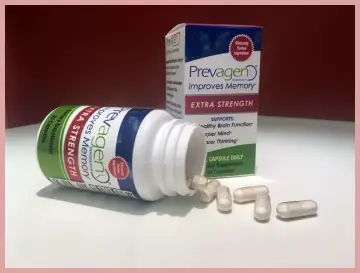
- Apoaequorin as the core ingredient: Sourced from jellyfish, it’s meant to regulate calcium in brain cells, potentially aiding memory.
It’s unique, but I wonder about its absorption since it’s a protein taken orally.
- Vitamin D addition in some formulas: This supports overall brain health, as low levels are linked to cognitive decline.
It’s a nice bonus for those deficient.
- Various strengths and forms: Regular, extra strength, or chewables make it user-friendly.
The once-daily dose is convenient for busy schedules.
- NSF certification: This ensures purity and accurate labeling, giving peace of mind.
- Subscription and rewards programs: These make it affordable long-term, with free shipping options.
- Sponsorships in sports: Ties to USA Gymnastics and others suggest a focus on performance, though it’s more for everyday memory.
In my opinion, Prevagen’s simplicity is its strength – fewer ingredients mean less chance of interactions, but it also limits its scope compared to multi-faceted options.
Pros Of Prevagen
Despite controversies, Prevagen has merits that keep it top-selling. Here’s my breakdown:
- Affordability: Around $40 monthly, it’s easier on the wallet. With subscriptions, it’s even better for ongoing use.
- Convenience: One daily capsule or chewable fits seamlessly into routines. No need for food timing, which simplifies things.
- Wide availability: Found in pharmacies and online, it’s accessible without hunting. This beats niche products.
- Unique ingredient: Apoaequorin offers a novel approach, appealing to those tired of common herbs. Some users swear by its subtle memory lift.
- Certified purity: NSF stamp means tested for contaminants. In a market full of fakes, this builds trust.
- Long market presence: Over 10 years as #1 suggests reliability, with loyal fans sharing positive stories.
These aspects make Prevagen a low-risk entry point for memory support.
Cons Of Prevagen
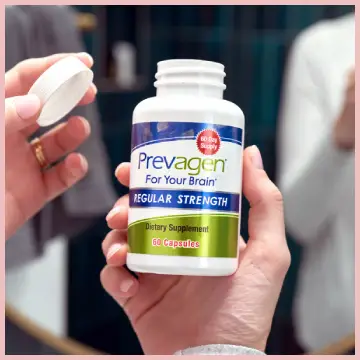
From my analytical lens, Prevagen isn’t without flaws:
- Questionable efficacy: Court rulings limit claims, as evidence for memory improvement is weak. Many reviews call it ineffective, possibly placebo.
- Limited ingredients: Just one main active, lacking the multi-target punch. This might not address complex brain needs.
- Legal and skepticism issues: Faced lawsuits over misleading ads, eroding confidence. I hesitate recommending it without stronger proof.
- Potential allergies: Jellyfish-derived, it could cause reactions in shellfish-sensitive people. Though rare, it’s a concern.
- Mixed reviews: While some praise it, others report no change after months. This inconsistency makes outcomes unpredictable.
- Over-reliance on marketing: Heavy TV ads might inflate expectations. In reality, results vary widely.
These cons suggest caution, especially if seeking proven results.
How Neuroq And Prevagen Work?
Let me explain the mechanics behind these, based on what I’ve pieced together.
NeuroQ operates on Dr. Bredesen’s protocol, addressing neurotransmitter dips, neuron loss, poor blood flow, and toxins.
For instance, phosphatidylserine boosts acetylcholine for better recall, while ginkgo enhances oxygen delivery for focus.
It’s like tuning up your brain’s engine holistically. Users I’ve read about describe it as gradually lifting mental fog, with peaks after consistent months.
Prevagen, on the other hand, hinges on apoaequorin binding excess calcium in cells, theoretically protecting them for memory function.
Vitamin D aids general health. However, digestion might break down the protein before it reaches the brain, raising doubts.
From user accounts, effects are milder, like easier word recall, but not transformative. In my view, NeuroQ’s multi-pronged strategy seems more robust for comprehensive support.
Real User Perspectives
Thinking like a real user, I’ve sifted through countless reviews. Take someone in their 60s struggling with names – a NeuroQ user might say, “After two weeks, I remembered details effortlessly.
” It builds confidence in social settings. For Prevagen, a retiree could note, “It helps with small forgets, but nothing major.” These anecdotes humanize the products; NeuroQ often gets kudos for energy, while Prevagen for simplicity.
But remember, experiences differ – factors like diet and exercise influence outcomes.
One story that stuck with me: A busy professional using NeuroQ felt more productive, juggling tasks without overwhelm. Contrast that with a Prevagen skeptic who stopped after no shifts. It underscores trying what aligns with your lifestyle.
Choosing Between Them
In deciding, I factor in goals. If you want broad brain nurturing, NeuroQ’s blend might excite you.
For straightforward memory nudges on a budget, Prevagen could suffice. Age matters – both target seniors, but NeuroQ emphasizes prevention.
Consult a doctor, especially with meds. Budget-wise, calculate long-term costs. Ultimately, neither replaces healthy habits like sleep and puzzles.
Also Read:Comparison Of Neuriva And Prevagen
Frequently Asked Questions (FAQ)
Based on ingredients and studies, NeuroQ edges out with its multi-faceted approach for comprehensive support.
Those with allergies to ingredients like soy or bee products, or on blood thinners due to ginkgo.
Yes, its formula supports neuroplasticity and reduces inflammation, with trial-backed improvements.
Prevagen holds the sales top spot, but efficacy varies; consider NeuroQ for stronger evidence.
Wrapping Up
Wrapping this up, I’ve shared my thoughts on NeuroQ and Prevagen to guide you through the maze of brain supplements.
From my analysis, NeuroQ stands out for its depth and science, while Prevagen offers ease and popularity.
You might find one resonates more with your daily life – perhaps start with a trial to see what clicks. Remember, combining any supplement with good habits amplifies benefits.
If you’re facing memory dips, give thought to what fits you best; your brain deserves the care.
Recent Posts
● Interactive 5-Zone Interior & Exterior Paint Blueprint Paint Coverage Calculator: Gallons, Primer, Square Footage & Cost Tap any architectural surface zone on the blueprint...
If you want smooth, shiny hair without spending a fortune on a premium styling tool, the Ella Bella hair dryer may be worth considering.In these Ella Bella hair dryer reviews, I’ll look...