
I have spent months testing both the Ninja Thirsti and SodaStream in my own kitchen. I made drinks every day for myself and anyone who stopped by.
My goal is clear. I want to give you an honest side-by-side look. You can then decide which machine fits your habits, budget, and counter space.
| Feature | Ninja Thirsti | SodaStream |
| Operation style | Automated, single-serve into any glass | Manual or button carbonation into reusable bottle |
| Power needed | Yes, plugs in | No (most models) |
| Flavor system | Dual proprietary pods, mixable, intensity control | Syrups added after carbonation, wide brand options |
| Carbonation levels | Light, classic, heavy plus still | User-controlled presses or settings |
| Serving sizes | 6–24 oz (some up to 48 oz) | Typically 0.5 L or 1 L bottles |
| Upfront cost | Around $130–180 | $50–180 depending on model |
| Ongoing cost focus | Pods + CO2 | CO2 exchanges + optional syrups |
| Best for | Custom flavored drinks on demand | Plain sparkling water or larger batches |
Key Differences Between The Ninja Thirsti Vs. SodaStream
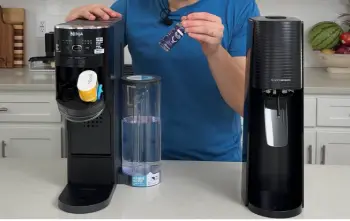
- Dispensing method: The Thirsti fills any cup you place under the spout. It works one serving at a time and skips extra pouring steps.
SodaStream needs its special bottles every time. You carbonate inside the bottle and then pour into a glass. I preferred the glass-first style for quick everyday drinks.
- Power and setup: Thirsti needs an outlet and a water reservoir that you fill in advance. Most SodaStream models work without any power at all.
That freedom helped a lot during parties when every outlet was already taken by other appliances.
- Flavor integration: Thirsti mixes the flavor inside the machine while it carbonates the water. The result comes out ready to drink with even taste.
SodaStream carbonates plain water first. You add the syrup yourself afterward and shake or stir to combine everything.
- Customization depth: Thirsti lets you pick fizz level, flavor strength, and exact size with simple buttons.
You can even combine two pods for new blends. SodaStream mainly uses how many times you press and how much syrup you pour for control.
- Long-term supply chain: Thirsti locks you into Ninja pods and matching canisters for the best results. SodaStream offers a large exchange network at many stores.
It also allows more third-party flavors and syrups without restriction.
- Daily speed: Thirsti delivers a finished drink in under a minute once the tank is ready. SodaStream takes a few extra steps when you want flavored versions.
I noticed the time difference most on busy weekday mornings.
- Storage impact: Thirsti usually stays on the counter because of the water tank and power cord. SodaStream models are narrower and tuck away more easily in a cabinet.
Small kitchens clearly favor the simpler and more compact unit.
Key Features Of The Ninja Thirsti
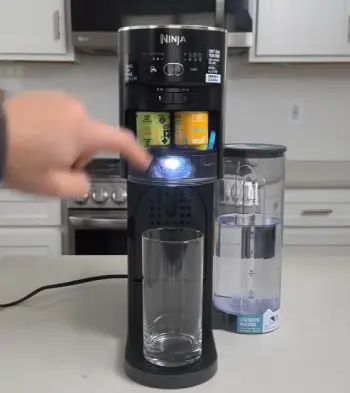
- Adjustable fizz and size: You get three clear carbonation strengths plus a still water option. Servings range from a small 6-ounce glass up to larger pours.
I used the light setting for daily seltzer and switched to heavy when I wanted something closer to fountain soda.
- Dual-pod system: Load two flavor pods at the same time and mix them freely. You can also set classic or bold intensity for each.
Combining a fruit pod with an energy pod became my favorite afternoon habit.
- Built-in water tank: Fill the reservoir once and make several drinks without constant refilling. Keeping the water cold improved the bubble quality a lot.
I often added ice cubes directly when the tank needed a quick chill.
- Indicator lights and buttons: Clear signals show the CO2 level and when the machine is ready. Setup took only a few minutes the first time.
The controls stayed simple even after weeks of daily use.
- Proprietary drops with extras: Splash versions give clean fruit flavor without sweetness. Other drops add vitamins, electrolytes, or a light caffeine boost.
All the versions I tried stayed zero sugar and zero calorie.
- Cup platform adjustment: The tray moves up or down to fit different glass heights. This reduced splashing and kept the counter cleaner.
Cleanup of the drip tray stayed quick and easy every day.
- Ready-to-drink result: The machine blends water, fizz, and flavor before it pours. You skip the extra mixing step completely.
Consistency stayed high from the first sip to the last in every glass.
Pros Of The Ninja Thirsti
- True one-touch customization: Choose size, fizz level, and flavor strength with a few button presses. Walk away with a finished drink and no extra work. My morning routine became noticeably shorter and smoother.
- Flavor mixing without extra work: Two pods create fresh combinations every single day. I rotated through pineapple-ginger and berry-energy mixes without getting bored. New blends kept the experience interesting for weeks.
- Single-serve efficiency: No leftover half-bottle sits in the fridge and goes flat. I made exactly the amount I wanted each time. Overall drink waste dropped quite a bit in my kitchen.
- Added functional ingredients: Vitamin and energy drops turned plain water into something more useful. The light caffeine version replaced a second cup of coffee on busy afternoons. Hydration felt purposeful instead of plain.
- Cleaner counter experience: Less bottle washing is required and sticky syrup residue stays away. The drip tray and tank cleaned up fast after each use. The whole process felt tidier day after day.
- Consistent flavor from start to finish: Every sip tasted the same because the machine mixes everything evenly. Manual mixing never caused weak or strong spots at the end. Quality held steady across many glasses.
- Quick daily use: Cold tank water and simple buttons delivered drinks in under a minute. I reached for the Thirsti more often than I expected once the habit formed. Convenience became the strongest daily benefit.
Cons Of The Ninja Thirsti
- Higher ongoing pod cost: Each pod makes about 17 to 20 drinks and costs around seven dollars. Heavy daily use adds up faster than traditional syrups. I watched the monthly spend rise when I used flavored options often.
- Proprietary lock-in: Only official Ninja drops fit properly in the slots. A disliked flavor or temporary stock issue limits your choices quickly. Outside options simply do not work in the system.
- Requires power and larger footprint: The reservoir and electronics need a constant outlet. The machine takes more counter space than slim bottle models. My smaller kitchen felt the difference right away.
- Artificial sweetener profile: Most flavored drops use sucralose as the sweetener. Some people notice a slight aftertaste on the bolder pods. I switched to Splash versions on days when the taste bothered me.
- Noise during operation: The carbonation and dispensing cycle is louder than a quiet manual press. Early mornings required a closed kitchen door to avoid waking others. The sound became familiar but never silent.
- Tank maintenance needed: Cold water produces the best bubbles every time. Warm water clearly weakens the fizz level. I had to plan ahead with ice or fridge time for the best results.
Limited third-party options: Outside flavors and concentrates do not work in the pod slots. Creativity stays inside the official Ninja range only. Experimenting felt more restricted than with open systems.
Key Features Of SodaStream
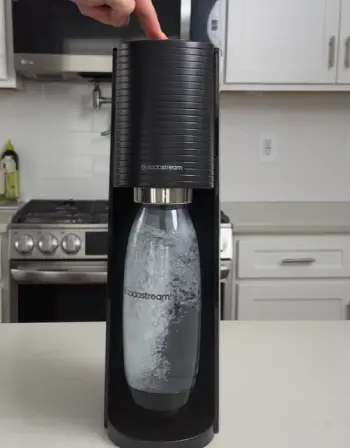
- Bottle-based carbonation: Snap or twist a reusable bottle into place and start carbonating. The process feels direct and familiar after just one try.
You then add flavor if you want and give it a gentle shake.
- Wide model range: Basic manual units cost less and keep things simple. Higher-end models offer levers or automatic settings for easier use.
I tested a mid-range model and appreciated the balance of price and features.
- Brand-name syrups: Official Pepsi, Mountain Dew, and other licensed flavors sit next to the house options.
Matching the taste of store-bought soda felt easier with these choices. Guests often could not tell the difference.
- CO2 exchange program: Empty cylinders swap for full ones at many major stores. The exchange price stays lower than buying brand-new canisters.
This kept my running costs predictable month after month.
- No electricity needed: Most versions rely on pure mechanical pressure only. I moved the machine around the kitchen or even to a picnic without hunting for an outlet.
That flexibility proved useful more often than expected.
- Reusable bottle focus: Bottles usually hold 0.5 L or 1 L of sparkling water. You can make larger batches in one session for sharing.
Having cold bottles ready in the fridge made hosting simpler.
- Manual fizz control: Press the lever more times for stronger bubbles and stop when the sound changes.
You decide the exact level with practice. Results became consistent after only a few uses.
Pros Of SodaStream
- Lower long-term cost for sparkling water: CO2 exchanges stay cheap and easy to find at many stores. Plain seltzer ends up costing only pennies per liter. I beat the price of store-bought cans after just three months of regular use.
- Flexibility with flavors and liquids: Add any syrup, juice, or concentrate after the water is carbonated. I tried homemade fruit purees and store brands without any limits. The freedom encouraged more creative drinks.
- No electricity and compact options: Basic models sit almost anywhere and need zero power. Storage in a cabinet between uses worked perfectly. The simple design suited kitchens with limited outlets.
- Larger batch capability: One-liter bottles make enough sparkling water for guests or a full day. Sharing felt effortless once the bottles were ready. I prepared multiple bottles ahead of gatherings.
- Established support network: Cylinders and replacement parts are easy to find at major retailers. Running out of CO2 never became a real problem. Support felt reliable across different locations.
- Simple mechanical design: Fewer electronics mean fewer parts that can fail over time. Long-term reliability felt solid during months of daily use. The basic models especially inspired confidence.
- Familiar taste matching: Brand syrups came surprisingly close to real soda flavors. Guests often could not tell the homemade version from the store-bought one. That authenticity helped with picky drinkers.
Cons Of SodaStream
- Extra steps for flavored drinks: You must carbonate the water first and then measure and mix the syrup. The process works well but feels slower when you just want a quick glass. I noticed the extra time on rushed mornings.
- Bottle dependency and cleaning: Special bottles are required for every use and need regular washing. Fridge space filled up as I kept several bottles ready. Cleaning became a small but constant chore.
- Fizz can fade in storage: A bottle left overnight loses some of its sparkle. Fresh drinks always taste better than stored ones. I shifted toward smaller and more frequent batches to keep the quality high.
- Manual effort on basic models: Repeated pressing for strong carbonation gets tiring after a few bottles. Making multiple servings in a row took more physical energy. Higher-end models reduce this issue.
- Limited built-in customization: No automatic size selection or dual-flavor mixing exists on standard units. Everything depends on your hand and careful measuring. Precision takes a little practice.
- Syrup mess potential: Spills can happen during the mixing step and leave sticky spots. Counters needed more frequent wiping after flavored batches. Residue appeared more often than with the sealed Thirsti system.
- Bottle storage space: Extra bottles take up room in the fridge or cabinets. I ended up with several that needed organizing over time. Managing the collection became part of the routine.
My Real Life Experianc With Both
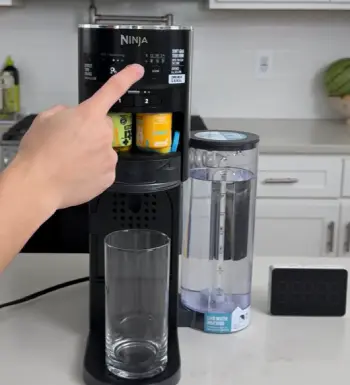
I approached both machines as someone who drinks sparkling water daily. Flavored versions appeared several times a week.
The Thirsti felt like a personal soda fountain. I filled the tank with cold water. I dropped in two pods. I selected medium fizz and a 12-ounce pour.
A ready drink appeared in under a minute. Consistency impressed me. Every glass tasted the same. Mixing a Splash fruit pod with an Energy pod gave a light boost.
It never matched the crash of a full energy drink. On plain days I ran it without pods. The result held up against canned seltzer.
The SodaStream asked for more involvement. I filled the bottle. I locked it. I pressed until the sound changed. I added syrup and shook. Plain sparkling water tasted excellent.
It stayed crisp if I drank it soon. Brand syrups came closer to the real thing than expected. For parties the larger bottles won. I could carbonate two liters quickly.
Cost tracking showed SodaStream ahead when I stuck to plain or light flavors. Thirsti pods made flavored drinks cost more per serving. Both still beat store-bought cans.
Durability and maintenance differed. The Thirsti tank and drip tray cleaned easily. I wiped the spout after strong flavors.
SodaStream bottles needed regular washing. Deep cleans kept the fizz strong. Neither machine failed during testing. The mechanical simplicity of SodaStream gave slightly more long-term confidence.
Counter space and looks mattered. The Thirsti looks like a modern appliance. It stayed on the counter. Moving it meant emptying the tank.
SodaStream models were narrower. They tucked away more easily. Tight kitchens favor the simpler unit.
Taste preferences split my household. I preferred Thirsti’s controlled intensity and mix options. My partner liked free syrup control and major brand choices.
Neither machine copied fountain soda perfectly. Both beat flat store-bought cans.
Environmental impact favored both over single-use cans. SodaStream’s reusable bottles and exchange program create less packaging waste.
The Thirsti still cuts cans dramatically. Plastic pods add a recurring element. Overall trash from drinks dropped either way.
After living with both, the decision depends on how you drink. Variety, single glasses, and minimal effort favor the Thirsti.
Lower running costs, bulk water, and flexible flavoring favor SodaStream. I kept both for a while. They solved different moments. Thirsti handled solo custom drinks. SodaStream handled fridge stock and guests.
Also Read: Comparison Of Ninja Personal Blender And Nutribullet
Frequently Asked Questions (FAQ)
It depends on needs. Ninja Thirsti offers more automation and flavor mixing if that matters more than pure cost.
No. The systems use different bottles, pods, and mechanisms. They are not interchangeable.
Yes for people who want customized single servings. It suits those who value convenience over the lowest per-drink cost.
No. Walmart continues to sell SodaStream machines and products. Some in-store cylinder exchanges shifted to online options.
Wrapping Up
I started this comparison to settle the question for my own kitchen. I ended with a clearer picture of what each machine brings to daily life.
You now have the same side-by-side details on features, costs, taste, and real use. If you lean toward variety and push-button ease, the Ninja Thirsti will likely feel like an upgrade.
If you want simplicity, lower ongoing spend, and flexible flavoring, SodaStream still earns its place.
Pick the one that matches how you actually drink. The bubbles will keep coming without the store runs.
Recent Posts
● Interactive 5-Zone Interior & Exterior Paint Blueprint Paint Coverage Calculator: Gallons, Primer, Square Footage & Cost Tap any architectural surface zone on the blueprint...
If you want smooth, shiny hair without spending a fortune on a premium styling tool, the Ella Bella hair dryer may be worth considering.In these Ella Bella hair dryer reviews, I’ll look...