
I’ve spent months switching between the Osprey Daylite and Sportlite backpacks during daily commutes, weekend hikes, and longer trips.
If you’re like me—someone who wants a reliable pack that handles everything from city streets to mountain paths without weighing you down—this comparison comes from real use.
I tested them with typical loads like laptops, water bottles, layers, snacks, and gear. My goal here is to help you figure out which one fits your needs so you can pick the right one without second-guessing.
| Feature | Osprey Daylite | Osprey Sportlite |
| Capacity | 13-20L | 20-30L |
| Weight | Around 1-1.3 lbs | Around 2-2.25 lbs |
| Best For | Everyday carry, travel, light hikes | Day hikes, active sports, trails |
| Back Panel | Mesh ventilated | AirScape foam for better support |
| Hipbelt | Removable thin webbing | Padded with pockets |
| Laptop Sleeve | Yes (up to 13-15″) in Plus | Hydration sleeve, less padded |
| Organization | Basic pockets, front shove-it | More compartments, internal dividers |
| Durability | Lightweight recycled fabrics | Ripstop nylon, tougher bottom |
| Load Comfort | Light loads up to 10-15 lbs | Better for 15-25 lbs |
| Price Range | More affordable | Slightly higher |
This table gives you the quick snapshot. Now let’s break it all down based on how these packs actually perform when you’re out there living with them.
Key Differences Between Osprey Daylite And Sportlite
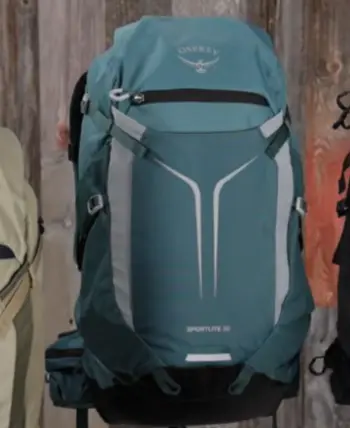
I noticed these packs serve different lifestyles right away. Here’s what stands out:
- Intended Use and Versatility: The Daylite feels like your go-to for urban adventures and light outings.
I used it for airport runs, office days, and casual walks where I didn’t need heavy support. The Sportlite shines on actual trails, bike rides, and scrambling where stability matters more.
- Capacity and Load Handling: With the Daylite, I packed essentials comfortably but ran out of room on longer days.
The Sportlite gave me breathing space for extra layers, a bigger first aid kit, or more food without feeling stuffed.
- Suspension and Comfort System: Daylite keeps things minimal with mesh straps and a simple back panel—great when the pack is light.
Sportlite adds a framesheet and padded hipbelt, which I appreciated after several miles when my shoulders thanked me.
- Weight and Packability: Daylite wins for throwing it in a larger bag or carrying it empty. Sportlite is still light for its features but feels more substantial.
- Organization and Access: Daylite offers straightforward pockets.
Sportlite includes more thoughtful dividers and external access points that helped me stay organized on the move.
These differences made me switch packs depending on the day, and understanding them helped me decide what to grab.
Key Features Of The Osprey Daylite
Living with the Daylite taught me its strengths in simplicity.
- Lightweight Construction: At just over a pound, it disappears on your back. I forgot I had it during city explorations.
- Panel-Loading Main Compartment: Easy to stuff and see everything inside without digging.
- Attachment Compatibility: It clips onto bigger Osprey packs seamlessly, perfect for travelers who want a daypack that integrates.
- Side Mesh Pockets and Front Organizer: Water bottles slide in easily, and the front pocket holds keys, wallet, and small items with a clip.
- Ventilated Harness: Spacer mesh straps and back panel kept me cooler than expected during warm walks.
- Hydration and Tech Sleeve: Works with a bladder, and the Plus version handles a laptop without drama.
- Eco-Friendly Materials: Recycled fabrics with DWR coating handled light rain well in my tests.
These features make the Daylite punch above its weight for everyday reliability.
Pros Of The Osprey Daylite
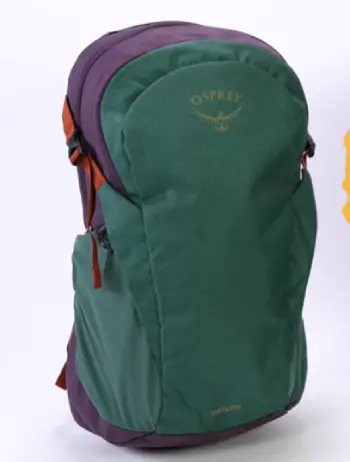
- Super Portable and Easy to Carry All Day Long: This pack weighs barely over a pound, which means I could wear it from morning coffee runs through evening errands without ever feeling burdened.
The slim profile hugs your back nicely, and the spacer mesh straps distribute light loads evenly so my shoulders stayed fresh even after eight hours of walking around town or through airports.
It never fought against my movements, making it feel almost like an extension of my outfit rather than extra gear.
- Great Value for Everyday Reliability: For the price, you get Osprey quality that lasts through years of regular abuse.
I have tossed it into car trunks, stuffed it under seats, and used it daily, and the zippers, stitching, and fabrics still look fresh.
It delivers performance that punches well above budget alternatives without making me feel like I overspent on something fancy I didn’t need.
- Minimalist Design That Fits Seamlessly into Busy Life: No bulky extras mean it slides into overhead bins, under desks, or into larger travel packs without taking up unnecessary space.
I appreciated how it stayed out of the way during crowded commutes yet still held everything essential like a jacket, laptop in the Plus version, water bottle, and snacks.
This simplicity lets you focus on your day instead of managing your bag.
- Comfortable Breathability for Mild Activities: The ventilated mesh back panel and shoulder straps allowed good airflow during warm city walks or short nature strolls.
I stayed noticeably cooler compared to heavier packs, and the adjustable sternum strap helped keep everything stable without pinching or sliding around.
- Versatile Attachment Points and Compatibility: The ability to clip it onto bigger Osprey packs turned it into a perfect daypack add-on for longer trips.
Compression straps let me cinch it down when lightly loaded, preventing flopping, while the overall design worked equally well clipped on or carried solo.
- Quick Access Pockets That Save Time: The front organizer with key clip and side mesh pockets meant I could grab my phone, sunglasses, or energy bar without stopping or unpacking. In real use, this small convenience added up during rushed mornings or quick trail breaks.
- Stylish and Low-Key Appearance for Town Use: It doesn’t scream outdoor gear, so I felt comfortable wearing it to casual meetings or while exploring cities. Available colors blend in nicely without looking too technical or out of place in urban settings.
Cons Of The Osprey Daylite
- Limited Capacity When Days Get Demanding: At 13-20 liters, I often had to make tough choices about what to bring on fuller outings.
Extra layers, a bigger camera, or more food quickly filled it up, forcing me to leave items behind or pack inefficiently. This became obvious on longer day trips where I wanted options.
- Basic Support Struggles with Heavier Loads: Without a dedicated padded hipbelt or strong internal frame, my shoulders carried most of the weight after a couple of hours.
On days when I packed more than 10-12 pounds, I noticed fatigue setting in faster than with more supportive packs, making it less ideal for extended wear with substantial gear.
- Fewer Organization Options Lead to Digging: The straightforward layout works for basics but lacks enough internal dividers or pockets.
Smaller items tended to settle at the bottom, requiring me to rummage around, especially when in a hurry. This contrasted with packs that keep things neatly separated.
- Side Pockets Can Feel Restrictive: While they hold standard water bottles, larger ones or ones with insulating sleeves sometimes slipped or required extra effort to secure.
During active movement, I occasionally had to readjust them, which interrupted my flow.
- Minimal Protection in Serious Weather: The DWR coating handles light drizzle effectively, but heavier rain soaks through faster than on more robust packs.
I learned to bring a separate rain cover for unpredictable days, adding a small extra step I didn’t need with tougher options.
- Less Structure Overall: The pack doesn’t stand upright easily when set down, and it can slouch when partially filled. This made it slightly annoying during quick stops where I wanted a stable place to rest it without it collapsing.
Key Features Of The Osprey Sportlite
The Sportlite quickly became my trail companion because of its thoughtful hiking focus.
- AirScape Back Panel and Framesheet: Provides support and airflow even with more weight inside.
- Padded Hipbelt with Pockets: Transfers load to hips and keeps small items accessible.
- Multiple Compartments: Dual-zip access, internal mesh pockets, and shove-it front pocket for layers.
- Compression Straps and Stability: Keeps everything tight so the pack doesn’t bounce on descents.
- Durable Ripstop Fabrics: Tougher bottom panel stands up to rough ground and abrasion.
- Hydration Sleeve and Bottle Pockets: Direct access and stretchy sides for on-trail refills.
- Adjustable Fit Options: Torso sizes help dial in comfort for different body types.
These elements turn the Sportlite into a capable performer for active days.
Pros Of The Osprey Sportlite
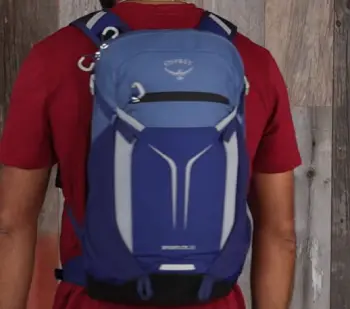
- Excellent Load Stability and Comfort on Longer Trails: The AirScape back panel combined with the framesheet and padded hipbelt transformed how I experienced hikes.
Carrying 15-25 pounds felt balanced and supported, with weight transferring nicely to my hips.
After full days on uneven terrain, my back and shoulders felt far less tired compared to minimalist packs, encouraging me to tackle bigger adventures.
- Thoughtful Organization Keeps You Efficient on the Move: Multiple compartments, internal mesh pockets, and easy-access external spots meant I could organize gear logically—quick snacks in hipbelt pockets, layers in the shove-it, and essentials in the main area.
This setup saved me time and frustration when I needed something specific without halting progress on the trail.
- Superior Ventilation During Active Efforts: On warm, sweaty hikes or bike rides, the back panel allowed noticeably better airflow than the Daylite.
I stayed drier and more comfortable even when pushing my pace, reducing that sticky feeling that can ruin an outing.
- Durable Construction Built for Real Use: The ripstop nylon and reinforced bottom handled scrapes from rocks, brush, and repeated setting down on rough ground.
After months of regular trail days, it showed minimal wear, giving me confidence it would last through many seasons of active adventures.
- Versatile Features for Sports and Hiking: Compression straps stabilized loads during descents or scrambling, while the hydration sleeve and generous bottle pockets supported high-activity days.
It adapted well to biking, light climbing, and multi-hour hikes without feeling specialized in only one direction.
- Convenient Hipbelt Pockets Add Practicality: Having dedicated spots for phone, map, or snacks right at my sides kept essentials instantly reachable.
This small detail made a big difference in maintaining rhythm during long outings.
- Room for Variable Needs and Extra Gear: The larger capacity let me pack for changing weather, longer distances, or sharing items with others without constant repacking.
I felt prepared rather than restricted, which boosted my enjoyment outdoors.
Cons Of The Osprey Sportlite
- Noticeably Heavier for Light or Urban Days: Compared to the Daylite, the extra weight from the suspension system becomes apparent during short errands or when carrying minimal loads.
It didn’t disappear on my back the same way, making it feel less ideal for quick, low-commitment trips around town.
- Bulkier Profile When Not Fully Loaded: The structured design takes up more visual and physical space when lightly packed or empty.
This made it slightly less convenient for travel packing or storing in tight spaces compared to more compressible options.
- Higher Cost Reflects the Features: You pay more for the advanced suspension and durability, which is fair for frequent trail users but can feel like overkill if most of your use is casual commuting or very light activities.
- Less Suited for Pure Everyday Commuting: The hiking-oriented look and features stand out in professional or urban settings.
It can feel a bit technical for office commutes or casual city exploration where a sleeker profile would blend in better.
- Initial Adjustment Period for Optimal Fit: Getting the torso length and straps dialed in took a couple of wears and tweaks.
While it pays off with great comfort once set, new users might need time to fine-tune it compared to simpler packs that require less setup.
- Slightly Less Packable for Travel: It doesn’t compress as flatly as the Daylite, so fitting it into already-full luggage or using it as a personal item bag requires more planning.
Which One Should You Choose?
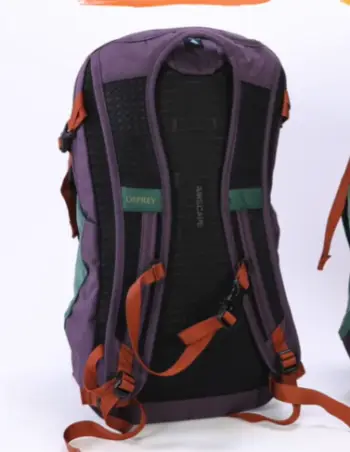
After months with both, I recommend the Daylite if your days involve light loads, commuting, travel, or casual outings.
You will appreciate its simplicity and low weight.
Grab the Sportlite when you plan real hikes, carry more gear, or want better support for active adventures.
Many people, including me, end up owning both for different scenarios.
Think about your typical activities first—what you carry and where you go most often.
I found myself defaulting to the Daylite for 70% of my week and pulling out the Sportlite for weekends in nature.
Your ratio might differ, but testing both in person at a store helped confirm the fit.
Real User Experiences And Tips
From my perspective, these packs deliver on Osprey’s promise of comfort and durability. I packed the Daylite for a week-long city trip and never felt limited for daily needs.
On a 12-mile hike with the Sportlite, the hipbelt and back panel made a huge difference in fatigue levels.
Pro tip: Adjust straps while wearing a light load first. For the Daylite, use compression straps to slim it down. For the Sportlite, load the heavier items close to your back for balance.
Both use recycled materials, which matters to me as someone who spends time outdoors. They also come with Osprey’s All Mighty Guarantee for peace of mind.
Also Read: Comparison Of Cotopaxi Allpa And Osprey Farpoint
Frequently Asked Questions (FAQ)
Yes, it’s excellent for active day hikes and sports with strong support and organization.
The Sportlite often feels most comfortable for loaded hikes thanks to its hipbelt and back panel, though Daylite excels for lighter use.
Daylite focuses on lightweight everyday and travel use with minimal features, while Hikelite emphasizes hiking ventilation and load carrying similar to Sportlite but with different harness priorities.
It’s great for commuting, light hikes, travel, and daily carry where simplicity and low weight matter most.
My Overall Verdict
Choosing between the Osprey Daylite and Sportlite boils down to matching the pack to your lifestyle.
I love how the Daylite keeps things effortless for everyday moments, while the Sportlite steps up when adventures call.
Neither disappointed me in their sweet spot. If you move between city and trail like I do, consider starting with one and adding the other later.
You will likely find yourself reaching for the right one instinctively after a few uses.
Take time to measure your needs—volume, typical weight, and activities. Both represent solid investments in gear that lasts.
Recent Posts
● Interactive 5-Zone Interior & Exterior Paint Blueprint Paint Coverage Calculator: Gallons, Primer, Square Footage & Cost Tap any architectural surface zone on the blueprint...
If you want smooth, shiny hair without spending a fortune on a premium styling tool, the Ella Bella hair dryer may be worth considering.In these Ella Bella hair dryer reviews, I’ll look...