
I’ve spent countless miles on trails with both the Osprey Tempest and Sirrus backpacks slung over my shoulders, and I want to share exactly what I’ve learned so you can pick the right one for your adventures.
In this article, I compare these two popular women’s packs head-to-head, covering their key features, comfort on long days, ventilation, durability, and how they handle real-world use.
Whether you’re planning day hikes, weekend backpacking trips, or multi-sport outings, I’ll help you decide which pack fits your needs best.
| Feature | Osprey Tempest | Osprey Sirrus |
| Best For | Day hikes, multi-sport (hiking, biking) | Day hikes, longer hikes with organization |
| Capacity Examples | 20L, 22L, 30L, 34L | 24L, 34L, 36L |
| Weight (approx. mid-size) | Lighter (e.g., ~1.5-2 lbs for 20-22L) | Heavier (e.g., ~2.5-3.25 lbs) |
| Back Panel | Ventilated AirScape with frame | Highly breathable AirSpeed trampoline mesh |
| Access | Panel loader (clamshell) | Often top loader + panel (size dependent) |
| Rain Cover | Not always included | Usually included and detachable |
| Load Range | Up to 20-30 lbs | Up to 25-40 lbs depending on size |
| Fit | Women’s specific, adjustable torso | Women’s specific, adjustable torso |
| Price Range (typical) | Slightly lower for similar sizes | Competitive, often praised for features |
I’ve carried gear in pouring rain, sweaty summer climbs, and crisp fall overnights with these packs. Let’s break it all down so you can picture yourself using them on your next trip.
Key Differences Between The Osprey Tempest And Sirrus
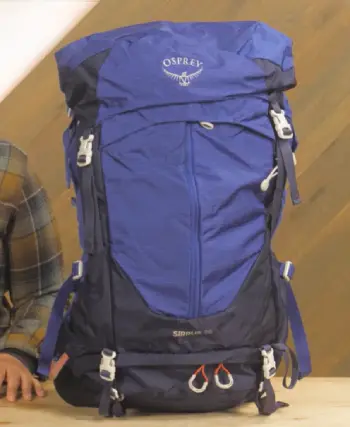
Here’s what sets them apart in my experience:
- Suspension and Ventilation Systems: The Tempest uses an AirScape backpanel that’s supportive and breathable for active movement.
The Sirrus shines with its AirSpeed trampoline-style mesh that creates more air gap between your back and the pack, which I’ve found keeps me drier during hot hikes.
- Weight and Packability: Tempest models tend to feel lighter and more nimble, great when I’m moving fast or combining hiking with biking.
Sirrus packs carry a bit more weight due to their robust build and included rain cover.
- Loading Style: Tempest often features easy clamshell panel access, letting me lay it flat to organize or grab items quickly.
Sirrus frequently uses top-loading with additional access points, which suits methodical packing.
- Durability and Protection: Sirrus comes ready with a rain cover in many versions, which saved my gear multiple times.
Tempest relies on its tough nylon fabrics but may need a separate cover.
- Capacity and Organization: Larger Sirrus options give more room for multi-day gear, while Tempest keeps things streamlined for quicker outings.
These differences really show up once you hit the trail.
Key Features Of The Osprey Tempest
I’ve tested several Tempest sizes, and these features consistently stand out:
- Women-Specific Fit: Contoured shoulder straps and hipbelt designed for female body shapes, with adjustable torso length that lets me dial in perfect comfort in minutes.
- AirScape Suspension: A flexible framesheet combined with ventilated foam keeps the load stable without feeling bulky, ideal for scrambling or fast-paced days.
- Panel Access: Wide zipper opening makes packing and finding items effortless—no digging through the top.
- Trekking Pole and Ice Axe Attachments: Stow-On-The-Go system lets me secure poles quickly while walking.
- Multiple Pockets: Hipbelt pockets fit my phone and snacks perfectly, plus side mesh for water bottles and a front stretch pocket for layers.
- Hydration Compatibility: Internal sleeve and port make it easy to stay hydrated without hassle.
- Durable Fabrics: High-denier nylon holds up against rocks and branches, with a reinforced bottom.
These elements make the Tempest feel like a versatile companion that doesn’t slow me down.
Pros Of The Osprey Tempest

- Lightweight and Agile Design: One of the first things I noticed is how the Tempest keeps its weight low, especially in the 20L to 30L range.
This makes a huge difference on steep inclines or when I’m trying to move quickly.
I don’t feel dragged down after several hours, and it encourages me to pack only essentials, which improves my overall hiking efficiency and enjoyment.
- Excellent Panel Access for Quick Organization: The clamshell-style opening lets me lay the pack flat like a suitcase.
On the trail, this means I can find my rain jacket, snacks, or map without emptying everything.
It saves time and reduces frustration during short stops, something I really appreciate during variable weather days.
- Multi-Sport Versatility: I’ve used the Tempest for hiking, mountain biking sections, and even light scrambling.
The responsive harness and stable suspension handle body movement well without shifting. This adaptability means I can use one pack for mixed adventures instead of switching gear constantly.
- Customizable Women-Specific Fit: The adjustable torso length combined with contoured shoulder straps and a shaped hipbelt conforms nicely to my frame.
After fine-tuning, I experience almost no shoulder strain or hip pressure points, even on longer outings. It feels tailored rather than generic.
- Strong Value for Day Hikers: For its feature set—including hydration compatibility, trekking pole attachments, and durable fabrics—the Tempest often feels like a premium option without an excessive price tag.
It delivers reliability that matches or exceeds expectations for most day hikes.
Cons Of The Osprey Tempest
- Limited Built-in Weather Protection: Unlike some competitors, many Tempest models don’t include a rain cover.
I’ve had to add one separately or use a pack liner during unexpected showers, which adds a small extra step and potential for gear getting damp if I’m not prepared.
- Ventilation Slightly Behind in Extreme Heat: While the AirScape system works well, it doesn’t create quite as much airflow gap as trampoline styles.
On very humid or hot summer days, I notice a bit more sweat accumulation on my back compared to alternatives, though it’s still better than many standard packs.
- Better Suited for Lighter Loads: The suspension shines up to around 20-25 pounds but can feel less optimal with heavier multi-day loads.
If I overpack for longer trips, the comfort advantage diminishes, pushing me toward larger capacity options.
- Fewer Integrated Extras in Base Models: Some versions lack the detachable rain cover or extra compression features found in other lines.
This means I occasionally need to buy accessories to match my specific needs, slightly increasing the total investment.
Key Features Of The Osprey Sirrus
The Sirrus has accompanied me on many humid East Coast hikes, and its standout traits include:
- AirSpeed Ventilation: The trampoline mesh backpanel creates serious airflow, which noticeably reduces sweat buildup.
- Included Rain Cover: Detachable and stored in its own pocket—super convenient when weather turns.
- Women’s Specific Design: Shorter torso, curved straps, and hipbelt that hugs female hips comfortably.
- Adjustable Fit System: Ladder-style adjustment for quick tweaks on the trail.
- Thoughtful Pockets: Zippered hipbelt pockets, large front stash, side compression, and hydration sleeve.
- Top-Loading with Extras: Easy main compartment access plus side entries in many models.
- Sturdy Build: Supports moderate loads well with internal frame support.
These features make it a reliable all-rounder for women who want comfort over long hours.
Pros Of The Osprey Sirrus
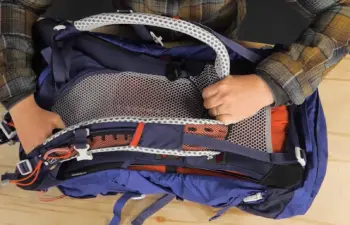
- Outstanding Ventilation for All-Day Comfort: The AirSpeed trampoline mesh backpanel is a game-changer.
It keeps the pack suspended away from my back, allowing constant airflow.
During hot, sweaty climbs, this noticeably reduces moisture buildup and helps me stay cooler and more focused on the scenery rather than discomfort.
- Included Detachable Rain Cover: This feature has saved me multiple times. Stored in its own pocket, it deploys quickly when clouds roll in.
Knowing my gear stays dry without extra planning gives me confidence on unpredictable trails and reduces the need to carry bulky alternatives.
- Generous Organization and Capacity Options: With multiple pockets, including spacious hipbelt ones that fit phones securely, side compression, and a large front stash, the Sirrus makes packing intuitive.
Larger sizes transition smoothly from day hikes to light overnights, letting me carry layers, extra water, and safety gear without feeling cluttered.
- Supportive Load-Carrying System: The internal frame and well-padded hipbelt distribute weight evenly across my hips and shoulders.
I’ve carried 25+ pounds comfortably for hours, with minimal fatigue, making it reliable for more demanding day trips or short backpacking excursions.
- Women-Specific Details Done Right: From the curved shoulder straps to the hipbelt that wraps around female anatomy and the adjustable torso ladder, everything feels thoughtful.
It minimizes common fit issues and lets me hike longer with better posture and less adjustment needed mid-trail.
Cons Of The Osprey Sirrus
- Heavier Overall Weight: The added ventilation tech, rain cover, and robust construction mean it weighs more than ultralight options.
On fast-and-light day hikes where every ounce counts, I feel the difference and sometimes wish for a sleeker profile.
- Slightly Bulkier Profile on Technical Terrain: The design that excels in comfort can feel a bit larger on my back during tight scrambles or narrow trails.
It doesn’t hinder movement drastically, but the Tempest feels more streamlined in those moments.
- Access Style Requires Adjustment: Many Sirrus models favor top-loading with supplemental entries.
While functional, it can mean more digging compared to full panel access if I need something buried at the bottom, especially when time is limited.
- Higher Feature Load Can Affect Minimalist Appeal: If you prefer the simplest possible setup, the Sirrus’s many pockets and extras might feel like overkill.
This can lead to overpacking if you’re not disciplined, and the price reflects the comprehensive feature set.
Which One Feels Better On Your Back?
I always adjust the torso length first thing.
Both packs offer women’s-specific shaping that prevents the common issues I’ve had with unisex options, like straps digging into my neck or hips slipping.
The Tempest’s harness feels more dynamic for quick movements, while the Sirrus’s seamless hipbelt integration creates a stable, wrap-around feel that excels on steady trails.
After hours of wear, the Sirrus’s ventilation often wins for all-day comfort in heat, but the Tempest edges ahead when I’m active and generating less sweat. You really can’t go wrong—try both in a store if possible to feel the difference on your body.
Staying Cool On Hot Hikes
Ventilation matters hugely to me. The Sirrus’s trampoline mesh suspends the pack away from my back, allowing air to flow freely even when loaded.
I’ve finished sweaty ascents with a drier shirt compared to other packs. The Tempest’s AirScape does a solid job with its molded foam channels, but it sits closer.
For summer day hiking, I lean Sirrus. For mixed conditions or faster paces, Tempest keeps things balanced without sacrificing support.
Capacity And Everyday Use
For pure day hiking, both excel, but the Tempest’s lighter weight and panel access make it my pick for quick outings under 15 pounds.
I can toss in lunch, layers, water, and first aid and barely notice it. The Sirrus shines for longer day hikes or light backpacking where I need extra clothes, a bigger hydration setup, or rain gear.
Its 24L-36L range handles that extra volume comfortably. If you’re mixing in overnights, the Sirrus feels more capable without becoming oversized for daily use.
Durability And Materials
Both use tough recycled nylons with DWR treatments. I’ve scraped the Tempest against granite and watched it shrug off abrasions.
The Sirrus’s bottom reinforcement and rain cover add protection in wet, rugged spots.
Neither has failed me after multiple seasons, but the Sirrus feels slightly more bombproof for all-weather adventures. Maintenance is simple—spot clean and air dry.
Which Should You Choose For Women’s Hiking Adventures?
As a woman who hikes regularly, I recommend the Tempest if you prioritize lightweight versatility and speed. Go with the Sirrus if ventilation, weather protection, and organization top your list.
Both deliver that Osprey quality with lifetime repair guarantees that give me confidence. Consider your typical load, climate, and activity mix.
I switch between them depending on the trip, and you might end up loving both too.
Also Read: Comparison of Cotopaxi Allpa And Osprey Farpoint
Frequently Asked Questions (FAQ)
The Tempest is lighter and more panel-access focused for active multi-sport use, while the Sirrus emphasizes superior ventilation, included rain cover, and organization for comfortable day-to-overnight hikes.
Tempest suits fast day hikes and multi-sport better; Sirrus handles day hiking with more comfort and light backpacking thanks to its features and capacity.
Sirrus generally provides better ventilation with its trampoline mesh, while both offer strong comfort through women-specific adjustable fits—Sirrus for hot steady trails, Tempest for dynamic movement.
Choose Tempest for lighter, versatile days and Sirrus for ventilated, weather-ready comfort on longer or variable outings. Both are excellent women-specific options tailored for female hikers.
Wrapping Up
I’ve come to see both the Osprey Tempest and Sirrus as fantastic choices that make my time on the trail more enjoyable.
You’ll likely develop your own preference after a few hikes, just like I did. Think about the adventures you want to tackle, try on the fit if you can, and pick the one that feels right on your back.
Whichever you go with, these packs will support you mile after mile and encourage you to explore further.
I’m already planning my next trip—hope this helps you plan yours too. Happy hiking!
Recent Posts
● Interactive 5-Zone Interior & Exterior Paint Blueprint Paint Coverage Calculator: Gallons, Primer, Square Footage & Cost Tap any architectural surface zone on the blueprint...
If you want smooth, shiny hair without spending a fortune on a premium styling tool, the Ella Bella hair dryer may be worth considering.In these Ella Bella hair dryer reviews, I’ll look...