
I spent months weighing roofing options for my own home after storms left me second-guessing every shingle claim I read online.
My goal here is simple: give you a clear, side-by-side look at Owens Corning Oakridge and Duration shingles so you can decide which fits your budget, climate, and long-term plans without the usual sales fluff.
| Feature | Oakridge | Duration |
| Type | Architectural laminate | Architectural laminate |
| Standard Wind Resistance | 110 mph | 130 mph |
| Max Wind (with system) | Up to 130 mph (6 nails + starters) | Up to 160 mph (full system) |
| Nailing Technology | Double-layer zone | SureNail triple-layer fabric strip |
| Impact Resistance | Standard / Class 2 | Class 3 |
| Approx. Weight per Square | 225 lbs | 250 lbs |
| Color Options | 10–14 | 18–20+ (TruDefinition) |
| Algae Resistance | StreakGuard (10–25 yr) | StreakGuard (10–25 yr) |
| Warranty | Limited Lifetime | Limited Lifetime |
| Relative Cost | Lower | 10–20% higher |
| Best For | Budget-conscious, milder climates | Storm-prone areas, longer ownership |
Understanding Architectural Shingles From A Homeowner’s View
When I first started looking at roofs, I thought all architectural shingles were basically the same thicker version of the old three-tab style.
That is only half true. Both Oakridge and Duration use a laminated design that creates depth and shadow lines, so your roof looks more like natural wood shakes from the street.
The difference shows up once you start comparing how they handle wind, hail, and the daily wear of sun and rain.
I live in an area that sees occasional high winds and the occasional hail event. That forced me to stop focusing only on price and start asking what each shingle actually does under stress.
Oakridge sits at the entry level of Owens Corning’s architectural lineup. Duration sits higher, with built-in features that change how the shingle is nailed and how it resists uplift. Neither is a cheap three-tab product, but one clearly aims at value while the other aims at performance.
Key Differences Between Oakridge And Duration
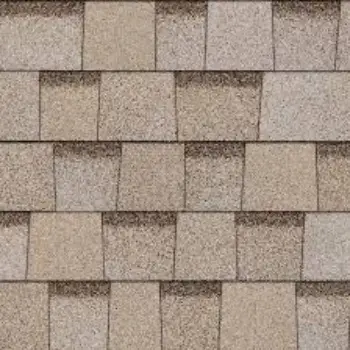
- Wind resistance ratings: Oakridge carries a standard 110 mph limited wind warranty with four nails and can reach 130 mph only when six nails plus matching starter strips are used.
Duration starts at 130 mph with the normal four-nail pattern thanks to its reinforced nailing zone and can climb to 160 mph with the full accessory system.
- Nailing zone construction: Oakridge relies on a double-layer area where the fasteners go and still needs careful placement for full strength.
Duration embeds a wide visible fabric strip called SureNail that creates a triple layer of material right where the nails hit for stronger grip and less risk of pull-through.
- Impact performance: Oakridge meets standard architectural impact expectations that often fall around Class 2.
Duration carries a Class 3 rating under UL 2218 testing that can open the door to insurance discounts in hail-prone regions.
- Weight and thickness: Oakridge runs roughly 225 pounds per square while Duration comes in around 250 pounds because of the extra reinforcement and denser build.
The added weight helps the shingles sit more securely on the deck.
- Color and appearance range: Oakridge offers a solid selection of popular earth tones and grays that usually stays between ten and fourteen options.
Duration uses the TruDefinition platform that blends multiple granule shades for higher contrast and richer depth across roughly eighteen to twenty colors.
- Cost difference: Installed prices vary by region yet Duration typically runs ten to twenty percent higher than Oakridge for the same square footage.
On a mid-size home that difference often lands between one and two thousand dollars before any system upgrades.
These differences are not marketing fluff. They show up in real weather events and in the way a contractor installs the product.
When I compared quotes side by side, the wind and nailing details became the deciding factors for my own roof.
Key Features Of Oakridge Shingles
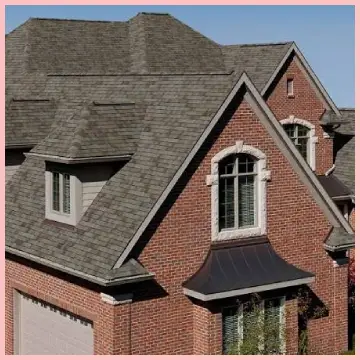
- Laminated architectural design: Two layers of asphalt and fiberglass create the dimensional look most people want when they move away from flat three-tab roofs.
The shadow lines give the surface more visual interest without the cost of designer shingles.
- Double-layer nailing zone: The area where nails go is reinforced with an extra layer of material that improves holding power compared with older single-layer designs.
This helps the shingle resist separation under normal wind loads.
- StreakGuard algae resistance: Copper-containing granules slow the growth of blue-green algae that causes dark streaks on north-facing slopes.
Standard coverage is ten years and can extend to twenty-five years when matching hip and ridge products are used.
- Class A fire rating: The shingles meet the highest fire resistance standard for asphalt products.
That rating matters for insurance and for peace of mind in dry climates.
- Limited lifetime warranty: Coverage lasts as long as you own the home and includes a ten-year non-prorated period for materials when installed by a preferred contractor.
- Wide availability and easier handling: Because the shingles are lighter and simpler in construction many crews find them straightforward to install.
That can keep labor costs more predictable on most jobs.
Oakridge delivers the core benefits most homeowners seek from an architectural shingle without the premium price tag. For a rental property or a home I planned to sell within a few years, this feature set would have been enough.
Pros Of Oakridge Shingles
- Lower upfront cost: You get a true architectural look and solid protection without paying the premium that Duration commands. On a tight budget this difference can decide whether the project moves forward this year or gets delayed.
- Adequate performance for milder climates: In areas that rarely see winds above 90 mph or frequent large hail the 110 mph rating and double-layer zone provide reliable service for decades.
- Straightforward installation: Lighter weight and simpler construction often translate into faster and less expensive labor. Contractors who work with Oakridge regularly report fewer placement questions on the job.
- Solid color selection for most homes: Popular neutrals and wood-tone options cover the majority of exterior color schemes without forcing you into a limited palette.
- Full limited lifetime warranty: You still receive manufacturer-backed coverage for as long as you own the home including the early non-prorated period that matters most.
- Good step up from three-tab: If your current roof is aging three-tab material Oakridge delivers a clear visual and performance upgrade without overspending.
For my neighbor who lives on a sheltered street and plans to move in five years, Oakridge checked every practical box. The savings stayed in his pocket rather than going into features he would not use.
Cons Of Oakridge Shingles
- Lower standard wind rating: The 110 mph baseline leaves less margin in storm-prone regions. Reaching 130 mph requires extra nails and specific accessories which not every crew applies correctly.
- No reinforced fabric nailing strip: The double-layer zone is better than older designs yet it still depends more heavily on precise nail placement. Missed nails reduce performance more quickly than with SureNail.
- Standard impact resistance: Without a Class 3 or higher rating hail damage is more likely to require full replacement rather than repair. Insurance discounts are harder to obtain.
- Fewer color choices: Some homeowners who want high-contrast or unique tones find the selection limiting compared with the Duration line.
- Slightly thinner feel: The lower weight shows up as less substantial underfoot during installation and can feel less robust when you compare samples side by side.
These drawbacks only matter if your location or ownership timeline exposes them. In a low-wind suburb they remain minor. In a coastal or plains area they become reasons to spend more.
Key Features Of Duration Shingles
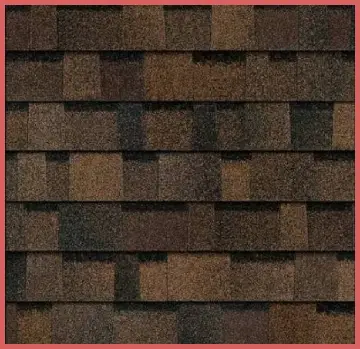
- SureNail Technology: A patented fabric strip runs across the nailing zone and stays highly visible so installers hit the correct area consistently.
The triple-layer construction resists nail pull-through and improves overall wind performance right out of the box.
- Higher standard wind rating: 130 mph coverage with a standard four-nail application removes the need for special nailing patterns in most situations.
That reduces the chance of installation errors that later cause blow-offs.
- Class 3 impact resistance: The denser construction and material makeup give better protection against hail.
In many markets this rating qualifies for insurance premium reductions that can offset part of the higher material cost over time.
- TruDefinition color technology: Multiple granule colors are blended on each shingle to create deeper and more vibrant tones.
The result looks richer from the street and holds its appearance longer under UV exposure.
- Enhanced adhesive bond: Duration uses a stronger sealant strip that activates with heat and locks the shingles together more firmly.
Once sealed the surface resists wind uplift better than many entry-level laminates.
- Same algae and fire protection as Oakridge: StreakGuard and Class A ratings carry over so you do not give up those basics when you step up to Duration.
- System upgrade path: Duration works with Owens Corning’s full accessory lineup and opens the door to higher wind coverage plus longer algae protection when the complete system is installed.
The SureNail strip is the feature that kept coming up in conversations with roofers I trusted.
Once I saw how much it simplified correct nailing, the performance gap felt real rather than theoretical.
Pros Of Duration Shingles
- Superior wind performance out of the box: 130 mph coverage with normal nailing removes variables that often lead to early failures. The SureNail strip makes correct installation almost automatic.
- Better hail resistance: Class 3 rating gives measurable protection and potential insurance savings. Over a twenty-year span those discounts can recover a large part of the initial premium.
- Richer curb appeal: TruDefinition colors create more depth and contrast. The roof looks newer longer which helps when you eventually sell.
- Stronger overall construction: Extra weight and reinforcement translate into a surface that feels more solid and resists the daily effects of temperature swings.
- Clearer installation target: Roofers repeatedly told me the visible fabric strip reduces callbacks related to nail placement. That reliability benefits both the homeowner and the crew.
- Path to higher system warranties: Pairing Duration with matching accessories unlocks longer algae coverage and elevated wind protection that Oakridge cannot match as easily.
When I calculated the cost of a potential early roof failure against the extra outlay for Duration, the math favored the stronger shingle for a house I plan to keep long term.
Cons Of Duration Shingles
- Higher purchase price: Ten to twenty percent more material cost adds up on larger roofs. If cash flow is tight the difference can push the project past an acceptable budget.
- Slightly heavier handling: The extra weight requires more effort during installation. On complex roofs this can extend labor time or increase crew fatigue.
- Overkill for mild climates: In sheltered neighborhoods with low wind and rare hail many of the advanced features sit unused. You pay for performance you may never need.
- Color premium on some shades: The most distinctive TruDefinition blends sometimes carry a small upcharge further widening the price gap.
- Still requires proper installation: Even the best shingle fails if underlayment flashing and ventilation are neglected. Duration does not eliminate the need for a skilled crew.
I weighed these points carefully. The higher cost was real yet the risk reduction in my weather zone outweighed the savings I would have gained by choosing Oakridge.
How Climate And Ownership Timeline Shape The Choice?
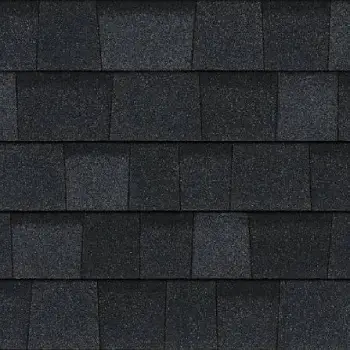
Your local weather does more than any brochure to decide which shingle makes sense.
In hurricane or tornado regions the 20 mph difference in standard wind rating is not theoretical. I watched nearby roofs lose sections during a derecho while a Duration roof across the street stayed intact.
That kind of real-world evidence sticks with you.
Hail frequency matters just as much. Areas that see regular Class 2 or larger hail events benefit from the Class 3 rating.
Insurance carriers in those markets often reduce premiums enough to recover the upgrade cost within a few years. In mild zones the same rating sits unused.
How long you plan to stay in the house changes the calculation too. If you expect to sell within five to seven years Oakridge’s lower price leaves more money for other improvements that show well to buyers.
If you intend to stay fifteen or twenty years Duration’s added durability and potential insurance savings become more attractive.
Roof complexity plays a role as well. Steep pitches multiple valleys and numerous penetrations increase labor time.
On those roofs the simpler Oakridge can keep total costs lower. On a straightforward gable roof the Duration premium feels smaller because labor stays similar.
Installation Considerations That Affect Both Products
Neither shingle performs to its rated level if the installation cuts corners. The deck must be sound underlayment properly lapped and ventilation adequate.
I insisted on watching the first few courses go down so I could see nail placement and sealant activation myself.
For Oakridge the installer must stay inside the double-layer zone and if higher wind coverage is desired switch to six nails plus starters.
For Duration the SureNail strip makes the target obvious yet the crew still needs to use the correct nail length and avoid over-driving.
Matching hip and ridge products matter for both lines if you want the extended algae warranty. Skipping them drops the algae coverage back to ten years. That detail is easy to Overlook When Comparing Only The Field Shingles.
Real Cost Picture Beyond The Bundle Price
Material cost is only the starting point. Labor tear-off disposal underlayment flashing and any deck repairs make up the majority of most invoices.
Duration’s higher material price typically adds one to two thousand dollars on a 2,000-square-foot roof yet the total project difference is often smaller once labor is fixed.
I requested itemized quotes that listed each component separately. That approach revealed where the real money was going and prevented surprises.
It also showed that choosing a preferred contractor sometimes unlocked better warranty terms that partially offset the material premium.
Long-term ownership costs include potential insurance discounts reduced repair frequency and the eventual resale value of a still-sound roof.
Duration tends to win on those secondary factors. Oakridge wins on the day the check is written.
Making The Final Decision For Your Situation
After all the comparisons I settled on Duration for my own home because of the wind exposure and the length of time I expect to stay.
The SureNail strip and higher impact rating gave me confidence that the roof would handle the next two decades of weather.
A friend in a quieter neighborhood chose Oakridge and has been equally satisfied with the look and performance at a lower price.
Ask yourself three questions. First what wind and hail risks does your location actually face. Second how long will you own the house.
Third does the extra cost of Duration fit comfortably in the overall project budget. Honest answers to those questions point clearly toward one product or the other.
Both shingles come from the same manufacturer and share the same basic quality standards.
The choice is not between good and bad it is between good enough for your conditions and built for tougher conditions. Once you frame the decision that way the right product becomes obvious.
Also Read: Comparison Of Travertine Flooring And Porcelain Tile
Frequently Asked Questions (FAQ)
Owens Corning ranks among the top national brands for architectural shingles competing closely with GAF and CertainTeed. Best depends on your climate budget and local contractor experience rather than a single ranking.
Duration ranks as one of the strongest mid-to-premium architectural options available especially for wind and impact performance. Whether it is the absolute best depends on how its features match your specific needs and location.
Architectural laminate shingles generally outperform traditional three-tab products in durability and appearance. Within that category higher-rated options like Duration suit demanding climates while entry-level choices like Oakridge work well for milder conditions.
Yes. Duration delivers reliable wind resistance solid impact protection and attractive color options backed by a limited lifetime warranty. Most homeowners who choose it report strong long-term satisfaction when installation is done correctly.
Wrapping Up
I started this comparison because I needed clear answers for my own roof not another vague product overview.
After looking at wind ratings nailing technology impact resistance cost and real ownership factors the differences between Oakridge and Duration became practical rather than theoretical.
You now have the same side-by-side view I used. If your climate is mild and your budget tight Oakridge gives you a solid architectural roof without overspending.
If storms are common or you plan to stay for decades Duration’s extra protection is worth the step up.
Measure your own risks and timeline then choose the shingle that matches them. Your roof will thank you every time the weather turns.
Recent Posts
● Interactive 5-Zone Interior & Exterior Paint Blueprint Paint Coverage Calculator: Gallons, Primer, Square Footage & Cost Tap any architectural surface zone on the blueprint...
If you want smooth, shiny hair without spending a fortune on a premium styling tool, the Ella Bella hair dryer may be worth considering.In these Ella Bella hair dryer reviews, I’ll look...