
I decided to compare travertine flooring and porcelain tile after remodeling two homes. I lived with both materials for years.
My goal is to give you a clear practical breakdown of how these floors perform in real daily use.
You can choose what fits your space budget lifestyle without regret. This article shares what I learned through installation maintenance everyday wear.
You walk away knowing the strengths limits of each option.
| Feature | Travertine Flooring | Porcelain Tile |
| Material Origin | Natural limestone formed by mineral deposits | Engineered clay and minerals fired at high heat |
| Appearance | Unique earthy tones holes variation | Consistent patterns wide design range |
| Durability | Soft can scratch etch | Extremely hard resistant |
| Water Resistance | Porous needs sealing | Nearly impermeable |
| Maintenance | Regular sealing gentle cleaning | Simple mopping low effort |
| Cost (material only) | Mid to high | Low to mid |
| Installation Difficulty | Higher skill care needed | More straightforward |
| Underfloor Heating | Excellent conductor | Good conductor |
| Longevity | Decades with care | 50+ years typical |
| Best For | Warm natural looks in dry sealed areas | High-traffic wet busy households |
My Real Experience With Both Chair
I installed travertine in the main living areas and master bath of my first home. Natural light moved across the pits and veins each day.
The floor looked warm and unique. Guests often stopped to comment on the character. After three years the path from the front door to the kitchen showed light wear.
A few etch marks appeared from dropped citrus. Twice-yearly sealing kept most stains away. The extra care took more time than I expected.
Porcelain went into the kitchen, laundry, and kids’ bathrooms of my second home. Juice spills, muddy boots, and pet accidents wiped up in seconds.
Large wood-look planks fooled visitors until they touched the surface. The floor stayed tough under heavy use.
Winter mornings felt colder until the radiant heat warmed it. No sealing schedule ever appeared on my calendar.
Both materials worked with underfloor heating. Travertine heated faster and held residual warmth longer.
Porcelain reached temperature reliably and stayed consistent. I preferred the organic feel of travertine in quieter rooms.
I chose porcelain wherever mess and traffic stayed high. The contrast taught me that beauty and ease rarely arrive in the same package.
Key Differences Between Travertine And Porcelain Tile
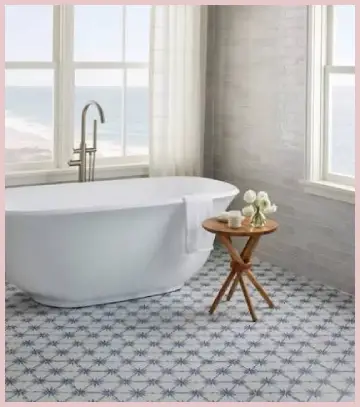
- Material composition and formation: Travertine forms naturally over long periods. Mineral rich water leaves calcium deposits.
Each slab shows distinct holes pits color shifts. Porcelain begins as refined clay feldspar silica.
High temperature firing produces a dense uniform body. Manufacturers control color pattern with precision.
- Surface texture and feel underfoot: Travertine often arrives honed or tumbled. The surface feels soft slightly uneven.
It offers organic warmth. Porcelain can copy that appearance. It usually stays flatter cooler unless given texture.
Barefoot walking reveals the contrast most clearly in morning hours.
- Weight and structural demands: Natural stone tiles measure thicker heavier. Subfloors require solid support.
Porcelain remains thinner while staying strong. Upper floors renovations benefit from lower weight.
Structural planning changes based on the chosen material.
- Repair and replacement options: Cracked travertine proves hard to match. Natural variation prevents perfect replacements.
Porcelain lines maintain consistency for years. Extra boxes allow easier blending of new pieces.
- Environmental footprint: Travertine involves quarrying heavy stone transport. Porcelain uses high energy during firing.
Recycled content appears more often in porcelain.
Production waste stays lower with engineered tiles.
Key Features Of Travertine Flooring
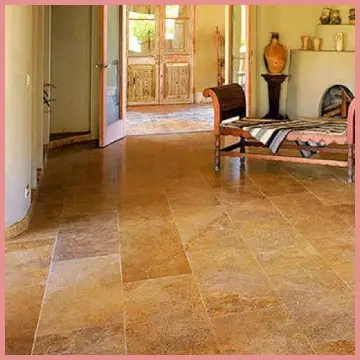
- Natural variation in every tile: No two tiles match exactly.
Veining pitting color shifts create a living surface.
Light changes the look throughout the day. People seeking non factory floors value this quality.
- Thermal properties: Stone stays cool during summer months.
Radiant heat warms it quickly. Previous installations showed longer heat retention compared to ceramic surfaces.
Comfort improves in seasonal shifts.
- Available finishes: Honed surfaces deliver a matte soft appearance.
Filled polished versions create smoother results with fewer open holes.
Tumbled edges add rustic character. Each finish alters both look maintenance needs.
- Thickness options: Residential travertine commonly measures one half inch or five eighths inch.
Thicker pieces feel more substantial.
They resist flexing on imperfect subfloors. Stability increases with greater depth.
- Compatibility with different settings: The material pairs with wood furniture iron fixtures soft textiles.
Earthy tones suit Mediterranean contemporary transitional rooms. Other materials receive no visual conflict.
Pros Of Travertine Flooring
- Timeless natural beauty: Organic patterns avoid looking dated. Printed tiles sometimes age poorly. Guests comment on warmth character regularly. Visual interest remains high over years.
- Comfort underfoot: Softer feel cushions impact slightly. Long standing periods in kitchens cause less fatigue. Daily use becomes more pleasant.
- Excellent heat conduction: Radiant systems operate efficiently. Warmth spreads evenly. Hot spots remain absent. Energy use improves in heated floors.
- Increases perceived home value: Real stone signals quality to many buyers. Open concept spaces gain elevated appearance. Continuous looks enhance floor plans.
- Can be refinished: Light scratches etch marks respond to professional honing. Resealing extends surface life. Restoration options exist for wear issues.
Cons Of Travertine Flooring
- High maintenance demands: Sealing follows installation. Resealing occurs every one to three years. Traffic cleaner use dictate the schedule. Missed cycles allow stains to set quickly.
- Susceptible to etching and scratching: Acidic liquids leave dull spots. Lemon juice vinegar wine cause damage. Sand grit from outside scratch surfaces over time. Protection requires constant attention.
- Higher installation cost and skill requirement: Careful handling proper thinset become necessary. Experienced setters understand natural stone movement. Mistakes remain permanent. Labor expenses rise.
- Color and shade variation challenges: Later orders often mismatch. Same lot purchases prove essential. Extra material must arrive with the original order.
- Not ideal for every climate or household: Very wet areas demand extra vigilance. Homes with messy pets children increase effort. Constant care becomes exhausting.
Key Features Of Porcelain Tile
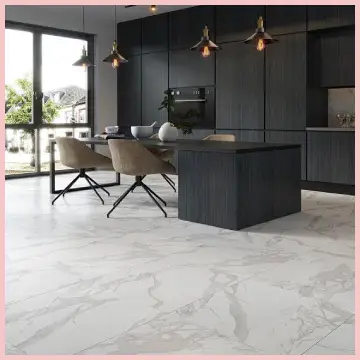
- Extreme density and low porosity: Water absorption rates stay under zero point five percent.
Spills remain on the surface. The tile body stays protected for decades.
Moisture threats reduce significantly.
- Design flexibility: Manufacturers print realistic wood marble concrete stone looks.
Large format planks geometric patterns become possible.
Consistency exceeds what natural stone provides.
- Rectified edges: Precise cutting follows the firing process.
Tight grout lines create a nearly seamless floor.
Modern clean appearances result from this step.
- Hardness rating: Most residential porcelain scores seven or higher on the Mohs scale.
Shoes chairs pets leave almost no marks.
Everyday abrasion meets strong resistance.
- Frost resistance: Dense construction handles freeze thaw cycles.
Covered outdoor areas accept porcelain safely.
Cracking risks drop compared to natural stone.
Pros Of Porcelain Tile
- Outstanding durability: Scratches chips heavy foot traffic meet strong resistance. Twenty year old installations often look nearly new. Busy entryways retain appearance well.
- Low maintenance routine: Sweeping vacuuming precede damp mopping. Neutral cleaners work fine. Sealing schedules disappear. Spills clean without panic.
- Wide price range and availability: Budget options exist beside premium large format designer lines. Home centers stock popular styles. Selection covers many needs.
- Moisture and stain resistance: Bathrooms laundry rooms mudrooms kitchens suit this material. Grout still needs care. The tile body stays protected.
- Design consistency: Exact matches remain available years later in many cases. Patterns stay uniform across entire floors. Replacement concerns reduce.
Cons Of Porcelain Tile
- Hard and cold underfoot: Radiant heat absence leaves the surface unforgiving. Dropped glasses plates shatter more easily. Softer materials offer better cushioning.
- Potential for a sterile or artificial look: High quality prints still appear flat under certain lighting. Manufactured nature never fully disappears for some people. Acceptance varies by preference.
- Difficult to repair individual tiles: Breaking one tile requires careful grout removal. Matching older stock frustrates owners. Discontinued lines create extra problems.
- Slippery when wet if smooth: Polished glazed surfaces need texture or rugs in wet zones. Matte finishes help. Caution remains necessary.
- Environmental cost of production: High firing temperatures consume significant energy. Dense tile transport adds footprint. Manufacturing impacts stay present.
Real-World Performance In Different Rooms
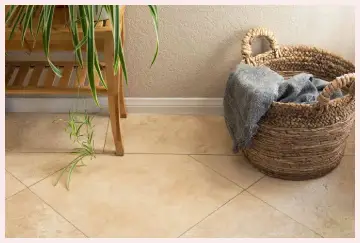
My first renovation used travertine in main living areas master bath.
Natural light shifted across pits veins. The living room looked stunning.
Three years later the path from front door to kitchen showed light wear. Occasional citrus drops left etch marks. Twice yearly sealing prevented stains.
Care time exceeded expectations.
Porcelain went into the second home kitchen laundry kids bathrooms. Juice boxes muddy boots pet accidents cleaned in seconds.
Large format wood look planks fooled most visitors. Touch revealed the truth. Winter mornings felt colder until radiant heat activated.
Both materials handle underfloor heating. Travertine responds faster. Residual warmth lasts longer. Porcelain works reliably after reaching temperature.
Freeze thaw climates favor porcelain for outdoor transitions. Durability wins there.
Installation Considerations From Experience
Travertine needs flat stable subfloors. Movement causes cracks. Setters fill natural holes on site. Pre filled material offers another choice.
Grout lines run wider for tumbled edges. Labor costs rise. Timelines extend.
Porcelain tolerates minor subfloor imperfections. Large format tiles still need care. Rectified edges allow one sixteenth or one eighth inch joints.
Clean modern looks result. Competent setters handle porcelain without special stone experience. Large planks require leveling. Lippage prevention matters.
High quality thinset proper expansion joints benefit both. Skipping steps creates future problems. Material choice does not remove that risk.
Long-Term Cost Analysis
Mid grade travertine material prices often start higher. Sealing products professional installation future maintenance widen the gap.
Porcelain costs less upfront. Twenty year expenses stay lower. Resealing special cleaners disappear.
A four hundred square foot space showed clear differences. Travertine material labor two first year sealings ran higher.
Annual sealing added ongoing cost. Porcelain stayed predictable. Occasional grout cleaning remained the main expense.
Resale value stays hard to measure. Some buyers pay premiums for real stone. Others prefer worry free porcelain. Location overall home style influence preference more than flooring alone.
Maintenance Routines That Actually Work
Travertine receives daily soft broom sweeping or hard floor vacuuming. Weekly damp mopping uses pH neutral stone cleaner.
Penetrating sealer applies every twelve to eighteen months after thorough cleaning. Acidic cleaners abrasive pads stay away.
Porcelain needs regular sweeping. Damp mopping with ordinary floor cleaner follows. Oil soaps leave residue. Avoid them. Soft brush mild solution cleans grout a few times yearly. The routine stays simple.
Pets alter the picture. Claws mark porcelain less. Travertine shows scratches more in lighter colors. Both handle accidents with prompt cleaning. Unsealed travertine risks staining.
Style Longevity And Design Flexibility
Travertine stays popular for decades. Natural stone avoids full style exit. Larger formats softer edges warmer tones suit traditional modern interiors. Minimal furniture lets stone become the focus.
Porcelain evolves faster. Wood look concrete look large marble look tiles dominate catalogs. Entire room aesthetics change without structural work. Frequent decor refreshers gain an edge.
Personal taste decides more than trends. Organic irregularities reward stone lovers daily. Clean lines zero fuss favor porcelain. Consistency delivers for many.
Environmental And Health Factors
Travertine remains a natural product. Chemical binders stay absent. Indoor air quality appeals to some. Cutting dust needs careful containment during installation. Sealed installed stone stays inert.
Porcelain production involves high heat. Chemical glazes appear sometimes. Modern makers improve emissions recycling rates. Finished tile stays stable. Off gassing does not occur. Correct installation supports healthy indoor environments for both.
Also Read: Is McMillan SPC Flooring Worth It?
Frequently Asked Questions (FAQ)
Regular sealing becomes necessary. Scratches etches appear more easily. Installation costs more. High traffic spots show wear.
No. Chemicals damage the sealer. Etching occurs on the stone. pH neutral stone cleaners remain the safe choice.
Hard cold feel underfoot exists. Low print quality looks artificial. Individual tile repairs involve more work.
Yes. Natural stone appears in classic contemporary designs. Unique character warmth keep demand steady.
rapping up
Three questions guide my advice to friends. Time attention available for the floor matters. Unique living surface versus uniform tough surface forms the second question.
Realistic budget covering installation ten years of care completes the set.
Beauty character with maintenance willingness points to travertine. Resilience simplicity design variety points to porcelain.
Many homes mix both successfully. Formal areas receive travertine. Wet high traffic zones receive porcelain.
Lifestyle climate design vision decide the better material. Both look stunning. Both last decades with clear eyed choice proper care.
Recent Posts
● Interactive 5-Zone Interior & Exterior Paint Blueprint Paint Coverage Calculator: Gallons, Primer, Square Footage & Cost Tap any architectural surface zone on the blueprint...
If you want smooth, shiny hair without spending a fortune on a premium styling tool, the Ella Bella hair dryer may be worth considering.In these Ella Bella hair dryer reviews, I’ll look...