
I set out to settle the Osmocote versus Nutricote debate for myself after years of mixed results in my own containers and garden beds.
My goal here is to give you a clear, practical side-by-side so you can pick the controlled-release fertilizer that actually matches your climate, plants, and patience level without wasting money or stressing roots.
| Feature | Osmocote | Nutricote |
| Coating Technology | Resin/polymer; thickness controls longevity | Resin with chemical release agent; porosity controls rate |
| Primary Release Trigger | Soil temperature (rated at ~21°C) | Temperature + moisture; more linear |
| Longevity Range | 3–14+ months depending on formula | 40–360+ days (rated at 25°C) |
| Heat Performance | Can accelerate sharply above 35°C | More stable through heat spikes |
| Nutrient Consistency | Higher early release, then taper | Steady, even delivery |
| Typical NPK Examples | 15-9-12, 14-14-14 | 18-6-8, 13-11-13, 16-10-10 |
| Micronutrients | Often included in Plus versions | Commonly included with Mg |
| Plant Safety | Very good; low burn risk | Excellent; minimal salt buildup |
| Availability | Widespread in garden centers | More common in specialty/pro channels |
| Relative Cost | Generally lower | Often higher upfront |
| Best Climate Fit | Temperate to moderate | Hot or fluctuating temperatures |
How These Two Fertilizers Actually Work In Real Soil?
I treat both as tools rather than magic pellets. Osmocote relies on osmosis through a resin coating.
Water moves in, nutrients dissolve, and the solution slowly seeps out. The thickness of that coating sets the expected months of feed, and it is calibrated around average soil temperatures near 21°C.
When soil warms, the coating becomes more permeable and release speeds up. When it cools, everything slows. That matching of plant demand to temperature is elegant in mild conditions.
Nutricote takes a different route. Its resin coating includes a release agent that creates consistent micro-porosity across every granule.
Thickness stays more uniform, and the agent itself dials the rate. The result is a flatter release curve that holds steadier when temperatures swing.
I noticed this difference most clearly during a stretch of 38°C days when my Osmocote-treated pots showed a flush of growth followed by slight yellowing weeks later, while the Nutricote pots kept even color.
Both products ignore soil pH, microbial activity, and salt levels for the most part. Moisture still matters because water is the vehicle, yet neither dumps everything the moment you water. That controlled behavior is why I switched away from water-soluble feeds for most of my containers.
Also Read: Is Neighbor’s Envy Fertilizer Worth It?
Key Differences Between The Osmocote And Nutricote

- Coating mechanism and consistency: Osmocote depends mainly on coating thickness and temperature-driven permeability.
Nutricote adds a chemical release agent inside a durable resin so every prill behaves almost identically.
In practice this means Nutricote gives me fewer surprises when weather turns erratic.
- Temperature sensitivity: Osmocote speeds up noticeably once soil stays above 30–35°C for days.
Nutricote still responds to heat but with less dramatic acceleration.
In my hotter beds I now default to Nutricote to avoid the mid-season nutrient dump that forces me to reapply early.
- Release pattern shape: Osmocote tends to front-load a larger share of nutrients in the first third of its rated period, then taper.
Nutricote stays closer to linear. That steady line reduces the feast-or-famine look I used to see on foliage plants.
- Nitrogen form and salt behavior: Many Nutricote formulas carry a higher proportion of nitrate nitrogen and contain no chloride or sulfate.
Osmocote formulas vary but can lean more ammoniacal.
The lower salt potential of Nutricote gives me extra safety with sensitive seedlings and salt-intolerant ornamentals.
- Longevity rating basis: Osmocote numbers are usually tied to 21°C. Nutricote often rates at 25°C. Real garden temperatures rarely match the lab average, so both products finish sooner in heat and last longer in cool soil.
I always shave a month off the label in my summer conditions.
- Availability and packaging range: Osmocote sits on nearly every big-box shelf in consumer sizes.
Nutricote appears more often in professional bulk bags or specialty nurseries, though home-garden packs are becoming easier to find.
The wider consumer presence of Osmocote still wins for convenience on a Saturday run.
Key Features Of Osmocote
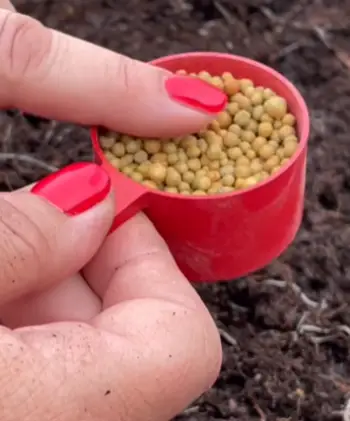
- Temperature-responsive resin coating: The coating opens and closes with soil heat so nutrient supply tracks plant growth rate.
I like this in spring when cool nights keep early release modest while roots establish.
- Broad longevity choices: Formulas cover short 3–4 month cycles up to 12–14 month or longer products.
Matching the bag to the crop cycle is straightforward once you know your average temperatures.
- Homogeneous prills with complete nutrition: Each granule carries NPK plus, in many Plus versions, a package of micronutrients.
No need to blend extra trace elements for most ornamental and vegetable uses.
- Low risk of root burn when used as directed: The gradual release keeps salt concentrations in the root zone modest.
I have top-dressed established containers without the scorch I once got from cheap granular feeds.
- Easy incorporation or top-dress options: Mix into potting soil at planting or sprinkle on the surface and water in.
The prills stay visible so I can confirm coverage.
- Proven track record across climates: Decades of nursery and home use mean most extension data and grower reports reference Osmocote, giving me confidence in expected behavior.
Pros Of Osmocote
- Wide retail availability and familiar packaging: I can grab a bag the same day I decide to pot up. That convenience matters when timing is tight.
- Competitive price per month of feed in moderate climates: Lower upfront cost lets me cover larger beds without hesitation. In temperate zones the value is hard to beat.
- Clear longevity labeling matched to common crop cycles: Choosing a 5–6 month product for summer annuals or an 8–9 month for landscape shrubs is simple.
- Good micronutrient packages in Plus lines: Iron, manganese, and other traces come already blended, reducing the need for separate supplements.
- Flexible application methods: Incorporation, top-dress, or dibbling all work. I use all three depending on whether I am filling pots or feeding established beds.
- Predictable behavior when temperatures stay near the rating point: In mild seasons the release curve matches plant demand closely and plants look steady.
Cons Of Osmocote
- Accelerated release in prolonged heat: Above 35°C the coating can open faster than expected, emptying the prills early. I have had to reapply in midsummer more than once.
- Front-loaded nutrient pattern: Early flush can produce soft growth that later needs support if the remaining nutrients taper too soon.
- Residual empty shells in reused media: The spent resin casings linger in potting mix. When I recycle soil I sometimes screen them out.
- Slight variation between batches or storage conditions: Age and storage heat can alter actual longevity. Fresh product performs more consistently.
- Less ideal for extreme temperature swings: Hot days followed by cool nights create uneven daily release that some sensitive crops notice.
Also Read: Is GreenView Fertilizer Worth It?
Key Features Of Nutricote
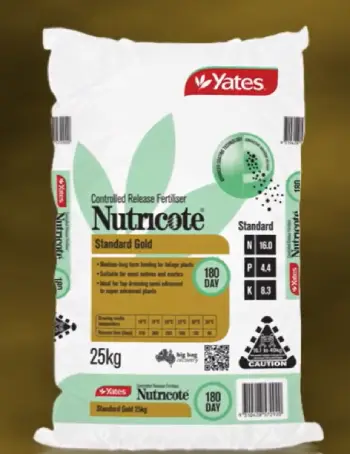
- Uniform resin coating controlled by release agent: Every prill receives nearly identical coating thickness and porosity.
This uniformity shows up as even plant growth across a whole bench or bed.
- Linear nutrient delivery curve: Release stays relatively steady rather than peaking early.
My foliage plants keep consistent leaf color without the mid-cycle fade I sometimes saw with other coated products.
- High plant safety and low salt accumulation: Formulas avoid chloride and sulfate, reducing the chance of salt damage.
Sensitive crops and young liners tolerate it well even at the higher end of recommended rates.
- Strong performance in elevated temperatures: The coating holds its rate better when soil exceeds 35°C.
In my hottest containers this single trait has saved me from early reapplication.
- Wide range of specialized NPK ratios: Options include high-nitrate, balanced, and potassium-focused blends plus micronutrients and magnesium.
Matching the formula to the crop stage feels precise.
- Durable, non-brittle coating: The resin resists cracking during mixing or handling. Broken prills are rare, so uncontrolled release stays minimal.
Pros Of Nutricote
- Superior consistency across temperature ranges: The release agent keeps delivery more linear even when soil temperatures climb. Plants in my sunniest beds stay evenly fed.
- Excellent safety margin for sensitive species: Low salt and absence of chloride let me use it closer to young roots without worry.
- Predictable finish date closer to the label: In real heat the product tends to last nearer its stated period than temperature-sensitive alternatives.
- High-quality, fully soluble nutrient core: No filler salts mean cleaner residual chemistry in the root zone after the prills empty.
- Strong performance in professional and home container culture: Uniform growth across many pots reduces the need for corrective liquid feeds.
- Durable coating that survives handling and mixing: Fewer broken prills mean fewer nutrient spikes at the start.
Cons Of Nutricote
- Higher purchase price in most markets: The premium can add up when covering large areas. I reserve it for high-value or heat-stressed plantings.
- More limited consumer packaging in some regions: Finding small bags can require a specialty nursery or online order rather than a quick hardware-store stop.
- Slightly less aggressive early release in cool soil: In early spring the slower start may leave plants looking a bit lean until temperatures rise.
- Fewer widely published home-gardener comparisons: Most detailed data comes from commercial trials, so real-yard anecdotes are thinner than for Osmocote.
- Need to match the type number carefully to the crop: Choosing the wrong longevity or NPK ratio wastes the precision the product offers.
Real-World Application Tips I Actually Use
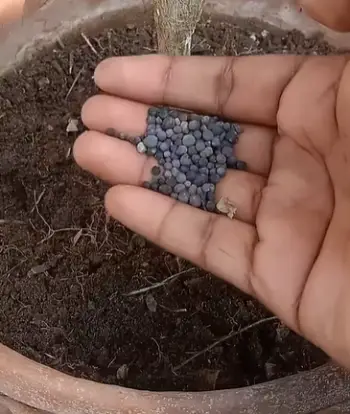
I incorporate either product into the top third of the potting mix when filling containers. For established plants I top-dress and scratch the prills lightly into the surface, then water thoroughly.
Rates stay close to label suggestions; more is rarely better with controlled-release materials. In beds I broadcast and rake in before mulching.
Both products work with organic matter, though I avoid mixing them with high-salt organics that could raise the overall EC.
In containers I prefer the longer longevities so one application covers the season. In the ground I sometimes choose shorter products and reapply if needed, because soil volume buffers any excess.
When temperatures run extreme I lean toward Nutricote. When the season looks mild and budget matters, Osmocote covers the need well.
I never rely solely on either product for heavy feeders such as tomatoes in peak fruiting. A light liquid boost mid-cycle still helps. For natives or low-nutrient plants I cut the rate in half or choose a lower-analysis formula.
Matching Product To Plant Type And Situation
For houseplants and indoor containers the steadier release of Nutricote often looks cleaner because indoor temperatures stay moderate and watering is frequent.
Outdoor annuals in full sun benefit from Osmocote’s temperature matching in spring and early summer, then may need a second light application if heat arrives early.
Landscape shrubs and trees tolerate both; I pick based on expected summer highs. Vegetables respond well to either when the NPK matches the growth stage—higher nitrogen early, more balanced or potassium-focused later.
In recycled potting media I favor Nutricote because fewer empty shells accumulate. In new mixes either works. For salt-sensitive crops such as certain ferns or orchids the lower salt profile of Nutricote gives extra margin.
Cost And Labor Reality Over A Full Season
Up-front price favors Osmocote. When I factor in possible mid-season reapplication in hot weather the gap narrows.
Labor savings come from fewer applications compared with soluble fertilizers. Both products cut the weekly feeding chore to once or twice a year for most containers.
That time saving is the real return for me.
Storage is simple: keep bags sealed and dry. Heat in a shed can slowly advance the coating, so I buy only what I will use within a year or two.
Also Read: Is Proven Winners Fertilizer Worth It?
Frequently Asked Questions (FAQ)
It depends on your climate. Nutricote is often better in prolonged heat and for consistent release; Osmocote is excellent in moderate temperatures and easier to find.
It is one of the best controlled-release options for convenience and reliability in many gardens, but no single fertilizer is best for every plant and condition.
Osmocote provides months of steady feed from one application. Miracle-Gro water-soluble products give quick results but need frequent reapplication and carry higher burn risk if overdone.
Yes. Top-dressing works well for established plants. Water thoroughly afterward so moisture reaches the prills and starts the release process.
Final Thoughts
After testing both products across several seasons I no longer treat the choice as absolute. Osmocote remains my everyday workhorse for temperate plantings and large areas where cost and availability matter.
Nutricote becomes the first bag I reach for when summer heat is intense or when I need the most even feeding on high-value containers.
The real win is understanding how each coating responds to your specific temperatures and watering habits.
Once you match the product to those conditions, either one reduces labor, lowers burn risk, and keeps plants growing steadily.
Try a small trial of both in identical pots if you remain undecided; the difference in leaf color and growth uniformity will show you which suits your garden better. You now have the practical details to make that decision with confidence.
Recent Posts
Fansidi Vs. Momcozy Baby Nail Trimmer: Which Quiet Electric File Actually Wins For Newborns?
I spent weeks testing both the Fansidi and Momcozy electric baby nail trimmers on my own newborn and toddler. I tracked how each one handled late-night sessions and daytime wriggles. My goal...
If you need affordable, stylish, and practical luggage for everyday travel, the Urbanlite Trapez luggage deserves a closer look.I like the idea of a suitcase that combines a modern appearance...