
I sat down to figure out which blender actually fits real kitchen life between Oster and Black and Decker, and the choice is not always obvious. After running both through everyday tasks like smoothies, ice crushing, and sauces, I want to share what works, what falls short, and who each one suits best so you can pick the right machine without wasting money or counter space.
| Feature | Oster (Pro 1200 style) | Black and Decker (10-Speed / Quiet Cyclone style) |
| Motor Power | 1200 watts | 550–900 watts |
| Jar Capacity | 48 oz glass + 24 oz personal | 40–48 oz glass + personal option |
| Speed Settings | Multiple + pulse + presets | 10 speeds + pulse or limited presets |
| Ice Crushing | Strong, snow-like results | Decent in small batches, less consistent |
| Noise Level | Louder | Quieter on many models |
| Build Notes | All-metal drive on many | Plastic gears more common |
| Price Range | Mid-budget | Lower budget |
| Best For | Tough ingredients, frequent use | Basic daily blending, quieter kitchens |
Key Differences Between The Oster And Black And Decker Blender

- Power output and what it means for daily jobs: Oster models like the Pro 1200 put out around 1200 watts.
They handle frozen fruit, leafy greens, nuts, and ice with less struggle. Black and Decker units often sit between 550 and 900 watts.
They work fine for softer fruits and simple purees. They can leave bits or need longer run times on denser mixes.
- Jar material and capacity practicality: Both brands offer glass jars in the 40 to 48 ounce range. These jars resist odors better than plastic.
Oster frequently includes a smaller personal cup for single servings. Black and Decker sometimes matches this.
It leans toward simpler pour spouts. These make serving less messy in everyday use.
- Drive system and long-term feel: Oster promotes an all-metal drive system on several models. This couples the blade to the motor more solidly.
Black and Decker tends to use more plastic components in the coupling. This keeps the price down.
It can wear faster if you blend thick mixtures often.
- Noise during operation: Black and Decker Quiet models run noticeably softer.
This matters if you blend early in the morning.
It also matters if you live in a small apartment. Oster machines deliver more power. They produce higher sound levels. These fill the kitchen.
- Control layout and ease of reaching the right texture: Oster often includes preset buttons for smoothies or ice.
It also offers manual speeds. Black and Decker spreads out ten distinct speeds on some models.
This gives finer control for sauces or soups. You can stop short of over-processing.
Key Features Of Oster Blenders

- High-wattage motor for tough ingredients: The 1200-watt class motors pull frozen berries, kale stems, and ice cubes into a smooth consistency faster than lower-powered machines.
In my tests this meant fewer pauses to scrape the sides. This happens when making nut butters. It also happens with thick green smoothies.
- Dual jar setup on popular models: A large borosilicate glass jar handles family batches. The 24-ounce personal jar with resealable lid lets you blend a single drink.
You can walk out the door.
That combination cuts down on extra containers. It prevents cluttering the counter.
- All-metal drive system: Metal-to-metal contact between the jar base and motor shaft reduces slipping under load.
Over repeated use this design holds up better than plastic gears.
This occurs when the blender works hard on ice. It also occurs with dense pastes.
- Multiple speed options plus pulse: You can start slow to pull ingredients down. You can then ramp up.
You can use pulse for chunky salsa. Some versions add one-touch programs.
These run a timed cycle for smoothies. They work without constant button pressing.
- Thermal-shock resistant glass: The jar accepts hot liquids for pureed soups without cracking.
This becomes a practical detail. It helps when you move straight from stovetop to blender.
- Dishwasher-safe components: Jar, lid, and blade assembly usually clean easily in the top rack.
This saves time after sticky recipes. Examples include peanut butter. Another example is hummus.
Pros Of Oster Blenders
- Strong performance on ice and fibrous foods: I crushed a full tray of ice into fine snow in under a minute on the Pro-style models and leafy greens and seeds broke down cleanly leaving fewer fibrous strings in the finished drink.
- Solid value for power delivered: You get near-professional results at a price far below high-end brands and the motor does not bog down as quickly when the jar is full of frozen fruit.
- Versatile jar options: Switching between the large glass jar and the personal cup covers both batch cooking and single-serve needs without buying a second machine and this flexibility shows up every day in a busy kitchen.
- Reliable for frequent use: Daily smoothie makers will appreciate the metal drive lasting through repeated heavy cycles better than lighter-duty options and the consistency holds after months of regular blending.
- Straightforward controls: Buttons or dials feel intuitive once you learn the layout and the pulse function gives quick bursts for precise texture control during any recipe.
Cons Of Oster Blenders
- Higher noise level: The powerful motor generates more sound than quieter competitors and early-morning blending can wake the household if walls are thin.
- Build quality varies by model: Some plastic exterior parts and lid seals feel less premium and can loosen over years of hard use which becomes noticeable after heavy sessions.
- Larger footprint on some versions: The base and tall jar take more counter space and this matters in compact kitchens where every inch counts.
- Occasional need to stop and scrape: Even with good power very thick mixtures like nut butter sometimes require a pause to push ingredients toward the blades and that extra step slows the process.
- Limited ultra-premium features: You will not find the same range of digital programs or self-cleaning cycles found on more expensive machines and the design stays focused on core blending instead.
Key Features Of Black And Decker Blenders

- Affordable power range: Motors from 550 to around 900 watts handle everyday smoothies, sauces, and light ice crushing without a high price tag.
The Quiet Cyclone versions add sound-dampening design that keeps operation calmer.
- Multi-speed controls and pulse: Ten distinct speeds on classic models let you match the texture exactly with low for purees and high for frothy drinks and pulse gives short bursts for chunky results.
- Glass jar with pour spout: Many units use a 40- to 48-ounce glass container that resists staining and includes a spout that reduces drips when pouring into glasses or bowls.
- Removable blade assembly: You can take the blades off for thorough washing under running water or in the dishwasher and this helps when sticky residue builds up after thick recipes.
- Compact base design: The footprint stays modest so the blender fits under standard cabinets and leaves room for other small appliances on a crowded counter.
- Personal jar options on select models: Some packages include a smaller cup with a travel lid and this proves useful for single protein shakes or office-bound smoothies.
Pros Of Black And Decker Blenders
- Lower price of entry: You can bring home a functional blender for basic daily tasks without stretching the budget and this makes it easy to replace if needs change later.
- Quieter operation on Quiet models: The reduced noise makes morning blending more neighbor- and family-friendly compared with higher-wattage machines and the difference shows in shared living spaces.
- Simple reliable everyday performance: Soft fruits, yogurt, and cooked vegetables blend smoothly and for light use these machines deliver consistent results without drama.
- Easy cleaning routine: Dishwasher-safe glass and removable blades cut cleanup time after most recipes and the process stays quick even after sticky mixtures.
- Good control for texture: Multiple speeds help you avoid over-blending delicate sauces or under-blending thicker mixtures and the range covers most common kitchen needs.
Cons Of Black And Decker Blenders
- Limited power for heavy tasks: Dense nut butters, large ice loads, or fibrous greens often need longer blending times or leave small unprocessed pieces and the motor shows its limits under full load.
- Plastic drive components on many units: The coupling can wear sooner under repeated high-load use and this shortens the overall lifespan compared with metal-drive designs.
- Ice crushing consistency varies: Small batches work well but larger amounts of ice may leave uneven chunks rather than uniform snow and the results depend heavily on load size.
- Fewer advanced presets: You rely more on manual speed selection rather than one-touch programs found on some competing models and the process takes a bit more attention.
- Build feels lighter: Exterior plastics and lid fit can feel less robust when the machine vibrates under load and the lighter construction shows during longer sessions.
Performance In Real Kitchen Scenarios
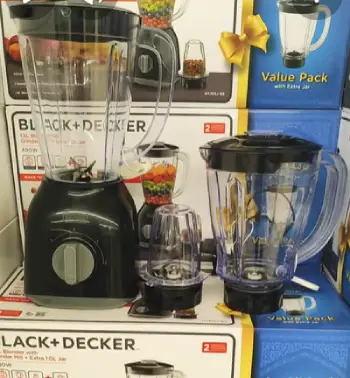
I started each morning for two weeks with a green smoothie using frozen spinach, banana, and ice.
The Oster pulled everything into a silky texture in about 45 seconds with minimal scraping. The Black and Decker needed closer to 90 seconds and left a few leaf bits near the top until I stopped and stirred.
For a batch of tomato soup pureed hot, both handled the temperature fine thanks to glass jars, but the Oster finished smoother and faster. When I tried almond butter, the Oster reached a spreadable consistency after a few minutes of pulsing and scraping.
The Black and Decker managed a usable paste but required more frequent stops and never quite reached the same creaminess.
Ice for frozen cocktails showed another clear gap. Oster models turned cubes into fine, almost powdery ice suitable for blended drinks.
Black and Decker produced usable crushed ice in small loads but struggled when the jar filled past halfway.
Noise was the trade-off. The quieter Black and Decker models let me blend while someone slept in the next room, while the Oster announced itself throughout the house.
Durability And Everyday Reliability
Over months of regular use the all-metal drive on Oster units held alignment better when the blender worked hard.
Blade assemblies stayed tight and the motor did not overheat as quickly during longer cycles.
Black and Decker machines performed well for lighter duty but showed more vibration and occasional gear wear after repeated thick blends.
Both brands offer dishwasher-safe parts that keep maintenance simple, yet the heavier-duty construction of many Oster models supports more frequent or demanding sessions without early decline.
Warranty coverage is similar in length across the mid-range lines, usually one to three years depending on the exact model.
Real-world longevity still depends more on how hard you push the machine than on the printed guarantee.
Who Should Choose Which Blender?
If you make smoothies with frozen fruit or greens several times a week, crush ice regularly, or want one machine that can also handle occasional nut butters and hot soups, the Oster side delivers more consistent results and better long-term value.
The extra power and sturdier drive justify the modest price difference for active users.
If your needs stay lighter—yogurt drinks, soft fruit purees, sauces, and the occasional small ice batch—and you prefer quieter operation or a lower purchase price, a Black and Decker model covers the basics well.
The reduced noise and simpler controls suit smaller households or anyone who blends less often.
Counter space, noise tolerance, and how often you tackle tough ingredients should guide the final call more than brand loyalty alone.
Price And Value Considerations
Oster Pro-style units typically land in the mid-budget range while still offering glass jars and solid power.
Black and Decker options often cost less upfront, making them attractive for first-time buyers or secondary kitchens.
Factor in how many years you expect the machine to last. A slightly higher initial outlay on an Oster can spread the cost over more reliable service if you blend daily.
For occasional use the lower-priced Black and Decker keeps total ownership costs smaller.
Availability of replacement jars and blades also matters. Both brands support common parts through major retailers, though exact models change over time.
Checking current stock of accessories before purchase avoids future frustration.
Also Read: Comparison Of Ninja Personal Blender And Nutribullet
Frequently Asked Questions (FAQ)
Oster generally performs better on tough ingredients and ice thanks to higher power and stronger drive systems, while Black and Decker suits lighter daily tasks at a lower price and often with less noise.
Local favorites such as Philips, Panasonic, and Miyako often lead for availability and service, though both Oster and Black and Decker models appear in larger stores depending on current stock.
Yes, many models deliver solid everyday performance and durability for their price, especially those with the all-metal drive system.
Yes for basic blending needs and budget-conscious buyers. The machines handle soft ingredients reliably though they show limits on heavy or frequent hard use.
Final Thoughts
After weeks of side-by-side testing I reached a clear personal preference for the Oster when the workload includes frozen or fibrous ingredients.
The extra power and metal drive simply finish the job cleaner and with less effort. Yet I still reach for a quieter Black and Decker model on mornings when noise is the bigger concern and the recipe stays simple.
You will get the best result by matching the machine’s strengths to the jobs you actually do most often rather than chasing the highest wattage number on the box.
Measure your typical ingredients, decide how quiet the kitchen needs to stay, and let those practical factors decide.
Both brands can serve you well once you pick the right match for your routine.
Recent Posts
● Interactive 5-Zone Interior & Exterior Paint Blueprint Paint Coverage Calculator: Gallons, Primer, Square Footage & Cost Tap any architectural surface zone on the blueprint...
If you want smooth, shiny hair without spending a fortune on a premium styling tool, the Ella Bella hair dryer may be worth considering.In these Ella Bella hair dryer reviews, I’ll look...