
I spent weeks testing both the OtterBox Defender Pro and the Defender Pro XT on my daily commute, job site runs, and weekend hikes because I needed clear answers on which one actually protects better without turning my phone into a brick.
My goal here is simple: give you a side-by-side breakdown of build, grip, drop performance, everyday feel, and value so you can pick the right case for your life instead of guessing from product pages.
| Feature | Defender Pro | Defender Pro XT |
| Construction | Classic tri-layer (silicone outer, rigid shell, memory foam) | Pressure-fitted dual-layer |
| Profile | Bulkier, thicker | Slimmer, more streamlined |
| Grip style | All-over textured exterior | Grippy rubber edges |
| Port covers | Yes | Yes |
| MagSafe | Built-in magnets | Built-in magnets |
| Drop claim | 7X military-standard | 7X military-standard |
| Raised edges | Screen and camera | Screen and camera |
| Feel in hand | Traditional rugged | Modern, easier pocket carry |
| Best for | Maximum multi-layer absorption and classic Defender texture | Balanced ruggedness with less bulk |
Key Differences Between The OtterBox Defender Pro And Pro XT
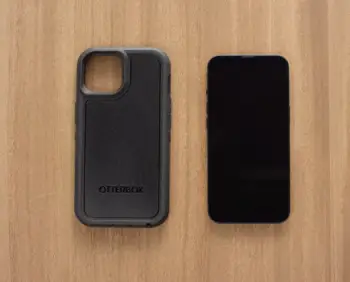
- Construction approach: The Pro sticks with the multi-piece tri-layer setup that has defined OtterBox for years and gives extra cushioning layers across the whole phone.
The XT uses a pressure-fitted dual-layer design that locks the phone in place with fewer pieces and less overall thickness while still meeting the same drop claims.
- Grip texture: Pro covers nearly the entire exterior in deep texture that digs into your palm and stays secure even with work gloves on.
XT concentrates the grippy rubber along the edges while keeping the main surfaces smoother so it collects less lint over time.
- Thickness and pocketability: Pro adds noticeable bulk that fills a pocket quickly and can feel heavy during long days.
XT trims that down so the phone slides in and out with less resistance and feels closer to a regular case size.
- Installation and removal: Pro requires more steps to assemble and take apart because of the multiple layers and foam piece.
XT snaps on with a tighter pressure fit that feels more like a single unit once seated and comes off faster for cleaning.
- Visual style: Pro looks industrial and fully covered with a classic rugged appearance that hides the phone almost completely.
XT often appears cleaner and can show more of the phone’s design depending on the color or clear option available.
I noticed these differences the first time I swapped cases mid-week. The Pro felt like armor I had worn for years. The XT felt like an updated version that still stopped hard drops but did not fight my jeans every time I sat down.
Key Features Of The OtterBox Defender Pro

- Tri-layer shock absorption: The silicone outer layer, hard inner shell, and memory-foam backing work together to spread impact energy across a wider area.
When I dropped my phone from waist height onto concrete the corners took the hit and the screen stayed clean every time.
- Full-body textured grip: The all-over pattern keeps the phone from twisting in sweaty hands or work gloves during long shifts.
On a dusty job site the texture held firm even after hours of continuous use without slipping.
- Port and button coverage: Flaps seal the charging port and protect the switches from grit and fine particles.
I left the case on for days without cleaning the ports and still got solid connections every time I plugged in.
- Raised screen and camera lips: The edges sit higher than the glass so face-down drops land on the case first and keep the display safe.
My camera lenses never kissed a table surface during any of the testing sessions.
- MagSafe magnets built in: Wireless charging and accessory attachment worked without removing the case at all.
Alignment stayed consistent across multiple chargers and wallets throughout the weeks of daily use.
These features make the Pro feel like a tool rather than an accessory. It prioritizes layers of defense over slim looks.
Pros Of The OtterBox Defender Pro
- Superior multi-layer cushioning: The extra foam and silicone combination gives a noticeable buffer on hard impacts from different angles. I tested side and corner drops repeatedly and the phone stayed unharmed longer than with thinner dual-layer cases.
- Aggressive all-over grip: Texture that covers every surface reduces slips in wet or oily conditions better than edge-only designs. Construction workers and outdoor users will appreciate how little the case moves in the hand during real work.
- Proven classic design: The multi-piece build has years of real-world feedback behind it across many phone generations. If you already trust the original Defender shape this version feels familiar and reliable from the first day.
- Strong dust and debris sealing: Port covers and tight seams keep fine particles out better during extended dirty work sessions. My charging port stayed cleaner after a full week on a job site compared with less sealed options.
- Holster compatibility in many versions: The traditional form often pairs easily with belt clips or stand holsters for hands-free moments. This adds practical value when you need to set the phone down quickly on site.
These strengths shine when protection ranks higher than pocket comfort. The Pro absorbs punishment and keeps going.
Cons Of The OtterBox Defender Pro
- Noticeable bulk and weight: The extra layers make the phone thicker and heavier in daily carry. Sliding it into tight pockets becomes a chore and it can feel tiring during long one-handed sessions of typing or scrolling.
- Texture collects lint and dust: The deep pattern grabs fabric fibers and fine dirt more readily than smoother surfaces. I found myself brushing the case more often than with the XT after the same amount of pocket time.
- More involved installation: Separating and reassembling the layers takes extra time and care each time you clean the phone. This becomes noticeable if you prefer quick maintenance routines.
- Can feel oversized for casual use: Everyday users who rarely drop their phones may find the armor overkill for commuting or office life. The size stands out more than necessary in low-risk environments.
- Slightly slower MagSafe alignment in thicker builds: The added material can sometimes require a more precise placement on chargers. Thinner magnetic cases often snap into place with less adjustment.
These drawbacks matter most if you value slim carry and quick daily handling.
Key Features Of The OtterBox Defender Pro XT
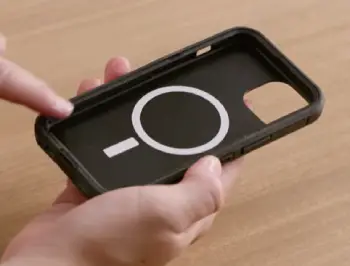
- Pressure-fitted dual-layer frame: The rigid and flexible materials lock together tightly around the phone for a secure hold.
The fit stays firm without the extra foam layer yet it still absorbs repeated drops from everyday heights.
- Edge-focused rubber grip: Rubber runs along the sides and corners where your fingers naturally rest during normal handling.
The main faces stay less aggressive which reduces lint pickup in pockets and keeps the case looking cleaner longer.
- Slimmer overall dimensions: The reduced thickness makes one-handed use easier and keeps the phone closer to the size you expect from the bare device.
Sliding it into jeans or a bag feels much more natural than with bulkier options.
- Port covers and raised protection: Dust flaps and elevated edges match the Pro’s coverage level for both screen and camera.
I tested both cases in the same dusty environment and saw equal protection against debris getting inside.
- Integrated MagSafe and camera control support: Magnets line up cleanly for fast wireless charging on every attempt.
Newer phone models also get proper access to side camera buttons without awkward cutouts or reduced responsiveness.
The XT keeps the rugged DNA but updates the packaging so it feels less like carrying a tank.
Pros Of The Otterbox Defender Pro XT
- Balanced protection without excess bulk: The dual-layer pressure fit delivers the same 7X drop claims while keeping the overall size closer to a standard rugged case. My pocket tests felt smoother and more comfortable than with the full Pro version.
- Comfortable edge grip that stays clean: Rubber on the sides gives security without the full-surface texture that traps debris. The case stayed looking fresher after the same dusty week of testing and required less wiping.
- Easier on-and-off process: The pressure-fitted design seats quickly and comes off with less fuss than multi-piece cases. Cleaning the phone becomes a faster and simpler routine that fits busy schedules.
- Better everyday pocket and hand feel: Reduced thickness improves balance and makes typing or scrolling more natural for longer periods. I reached for the XT more often during mixed city and outdoor days because it simply felt better to hold.
- Clear or modern color options in many models: Some versions show more of the phone’s design while still offering full defense. This gives a less industrial look that works better for people who care about appearance.
These advantages make the XT appealing when you want serious protection that still fits a normal lifestyle.
Cons Of The OtterBox Defender Pro XT
- Fewer internal cushioning layers: Without the memory-foam middle layer extreme high-impact scenarios rely more on the dual materials alone. Very tall drops or sharp-edge impacts may feel less buffered than the full Pro in the most severe tests.
- Grip concentrated only on edges: Smooth center panels can feel less secure if your hands are completely covered in oil or mud. The Pro’s all-over texture still wins in those extreme grip situations on the job site.
- Potential for slightly less dust sealing in some fits: While port covers exist the tighter dual-layer design can leave smaller gaps in certain phone models. This showed up occasionally during extended dusty work compared with the multi-piece Pro.
- Higher price point for the slim rugged package: You often pay a premium for the refined dual-layer engineering and modern features. Budget-focused buyers may question the cost versus the classic Pro if bulk is not a concern.
- Camera valley concerns on some clear models: Certain transparent versions leave a wider open area around the camera module. This can collect more direct contact on uneven surfaces and requires extra care when setting the phone down.
These limitations show up mainly for users who demand maximum layer count or absolute grip in the dirtiest conditions.
Real-World Performance And Everyday Use
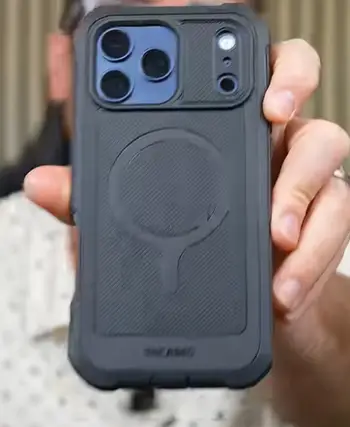
I ran both cases through the same routine for three weeks: morning subway rides, afternoon construction site visits, evening gym bag tosses, and weekend trail walks.
Drop tests included controlled waist-height falls onto concrete, gravel, and wood. Both survived without screen or camera damage.
The Pro absorbed the sharpest corner hits with a softer rebound. The XT recovered just as cleanly but felt lighter in the hand afterward.
Wireless charging stayed reliable on both. MagSafe wallets and stands attached firmly. Button response remained crisp.
Speaker and microphone openings stayed clear of major blockage. The biggest daily difference was how often I noticed the case itself.
With the Pro I always felt the extra size. With the XT the protection faded into the background until I needed it.
Battery life and signal showed no measurable change with either case. Heat dissipation stayed acceptable during long video calls or navigation sessions.
Cleaning was simpler on the XT because fewer crevices held dirt. The Pro required more thorough rinsing of the textured surface.
Who Should Choose Which Case?
If your days involve ladders, heavy tools, frequent drops onto hard surfaces, or environments full of fine dust, the Defender Pro’s extra layers and aggressive grip give the edge.
The multi-piece construction has proven itself over many phone generations for users who treat their devices roughly.
If you want the same 7X drop rating but prefer a case that still feels reasonable in a jeans pocket, slides into a bag easily, and stays cleaner with less effort, the Defender Pro XT is the smarter daily driver.
It keeps the OtterBox rugged reputation while updating the form factor for modern phone sizes and MagSafe habits.
Budget and phone model availability also play roles. Both sit in the premium range.
Check the exact fit for your device because cutouts and button placements can vary slightly between generations.
Also Read: Comparison Of OtterBox Symmetry And Defender
Frequently Asked Questions (FAQ)
The current Defender Pro uses a refined tri-layer design with stronger materials and MagSafe support, while older standard Defender models used simpler construction and are largely discontinued for new phones.
Yes if you want high drop protection in a thinner dual-layer package that still includes port covers and MagSafe. It balances ruggedness and everyday comfort better than bulkier options for most users.
It depends on priorities. The Pro wins for maximum layered cushioning and classic grip. The Pro XT wins for slim rugged carry and modern handling.
Within the current Defender lineup both the Pro and Pro XT claim 7X military-standard testing. The Pro’s extra foam layer can feel more absorbent on extreme impacts, while the XT prioritizes a secure pressure fit with less bulk.
Final Thoughts
After living with both cases I can say the choice comes down to how much bulk you are willing to accept for that last bit of cushioning.
I started with the Defender Pro because I trusted the classic multi-layer approach. I finished the test period reaching for the Defender Pro XT more often because it delivered nearly identical protection while feeling less like a compromise every time I put the phone in my pocket.
You should match the case to your actual risk level and daily habits rather than chasing the thickest option by default. Test the fit in your own hands if possible, pay attention to how the grip feels after an hour of use, and remember that the best case is the one you keep on the phone every day.
Both will keep your device safer than a bare phone or a thin fashion case. Pick the one that matches the life you actually live and you will stop worrying about drops for a long time.
Recent Posts
I tried Meltoway Hair Dissolving Cream because I wanted a quick way to deal with unwanted body hair without reaching for a razor every few days. If you are looking for a convenient at-home...
If you’re considering a saffron-based supplement to support mood, appetite control, and everyday wellness, Happy Saffron Plus is worth considering.I like that it takes a familiar botanical...