
I spent weeks comparing Owens Corning Teak and Brownwood shingles after deciding my own roof needed replacement.
My goal here is to share exactly what I learned so you can pick the color and line that fits your home, climate, and budget without second-guessing the decision later.
| Feature | Owens Corning Teak (typically Duration) | Owens Corning Brownwood (typically Oakridge) |
| Color tone | Warm reddish-brown with amber and olive hints | Dark warm brown with black, brown, and orange granules |
| Product line focus | Premium architectural (Duration) | Value architectural (Oakridge) |
| Wind resistance | Up to 130 mph with SureNail | 110 mph standard, 130 mph with 6-nail + starter |
| Impact rating | Class 3 | Standard (no Class 3 on base Oakridge) |
| Algae resistance | StreakGuard, 25-year limited | 25-year limited (regional) |
| Warranty | Limited lifetime | Limited lifetime |
| Approx. material cost/sq | $100–$139 | $90–$110 |
| Best visual match | Brick, stone, warm wood siding | Beige, cream, olive, traditional brick |
Key Differences Between Owens Corning Teak And Brownwood
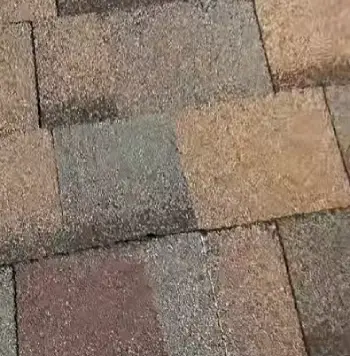
- Color temperature and undertones: Teak leans warmer with reddish and amber notes. It catches sunlight and creates richer wood-like depth.
Brownwood sits cooler in the brown family.
It relies on black and orange granules for contrast. On my sample board Teak looked more lively in morning light. Brownwood stayed steadier under overcast skies.
- Product line technology: Teak is most often ordered in the Duration series. It includes SureNail fabric reinforcement in the nailing zone.
Brownwood appears frequently in the Oakridge line. It uses a double-layer nailing area but lacks the patented strip. That difference shows up in wind ratings and installer feedback.
- Price positioning: Expect to pay roughly 10 percent more per square for Duration Teak.
The gap covers the upgraded holding power and impact class.
It is not about the color itself.
- Heat absorption behavior: Both colors are relatively dark.
Neither qualifies as a cool-roof option. Teak’s reddish base can feel slightly warmer on the attic side.
Brownwood’s darker granules absorb heat at a comparable rate.
- Availability by region: Both colors ship nationwide.
Local distributors sometimes stock one line more heavily.
In my area Duration Teak moved faster through the warehouse. Oakridge Brownwood lagged during peak season.
- Visual depth from the curb: Teak shows more multi-tone variation.
Brownwood presents a more uniform dark surface.
The difference becomes clear when you view both roofs from the street on a sunny day.
Key Features Of Owens Corning Teak Shingles
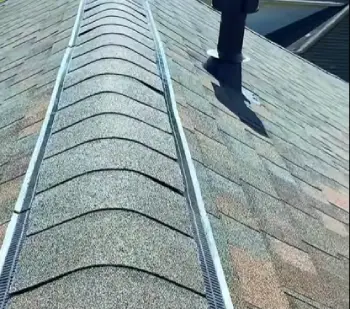
- TruDefinition color blending: Multiple granule shades create depth.
The surface avoids a flat single-tone look. The result holds its character longer under UV exposure.
- SureNail technology: A woven fabric strip runs through the nailing zone.
Roofers get a clear target. The shingle resists pull-through better during high-wind events.
- Class 3 impact resistance: The laminated construction meets UL 2218 Class 3.
This rating can help with insurance discounts in hail-prone zones.
- Dimensional profile: Exposure measures 5 5/8 inches.
A shadow line reads thicker from the curb than a basic 3-tab.
- Limited lifetime warranty: Coverage stays with the original owner.
Algae protection lasts 25 years.
- Consistent size and coverage: Each square covers 98.4 square feet.
Three bundles make one square. Installation stays predictable for most crews.
Pros Of Owens Corning Teak
- Strong curb appeal on traditional and craftsman homes: The warm reddish-brown pairs cleanly with brick. It also works with natural stone and wood accents. Neighbors noticed the change the same day my samples went up.
- Better wind and impact performance: The SureNail strip and Class 3 rating give measurable extra protection. Entry-level architectural options fall short in comparison.
- Color longevity: TruDefinition granules resist fading better. After five years the shift stays minimal according to long-term photo sets.
- Installer preference: Many crews like the visible nailing zone. It reduces placement errors on the job.
- Resale perception: Buyers often associate the Duration line with higher-quality roofing. This can support asking price when you sell.
- Shadow line definition: The laminated layers create stronger depth. The roof looks more substantial from the street.
Cons Of Owens Corning Teak
- Higher material cost: The premium sits at about $10 to $30 more per square. On a 30-square roof the difference adds up quickly.
- Heat absorption: Darker tones raise attic temperatures. Hot climates need excellent ventilation to offset this.
- Limited cool-roof credit: Neither Teak nor Brownwood meets the reflectance thresholds. Some California or municipal programs will not qualify them.
- Regional stock variations: Certain distributors prioritize other Duration colors. Lead times can stretch during busy seasons.
- Slightly heavier feel on the roof: The added reinforcement increases weight a bit. Structural checks remain wise on older homes.
Key Features Of Owens Corning Brownwood Shingles
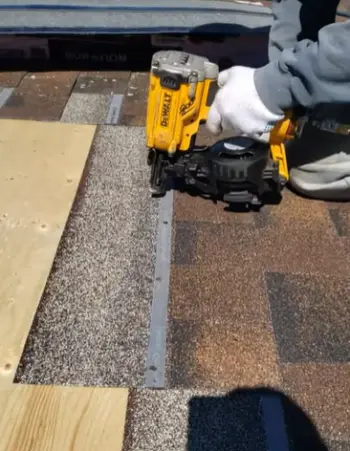
- Classic dark-brown granule mix: Black, brown, and orange particles create a solid earthy appearance.
The blend hides minor dirt and granule loss well.
- Double-layer nailing zone: It provides solid holding power.
The design works without the added fabric strip found in Duration.
- Architectural laminated construction: Size matches most Owens Corning architectural products.
Exposure stays at 5 5/8 inches.
- Class A fire rating: The product meets the highest asphalt-shingle fire standard.
Safety remains strong across most building codes.
- Limited lifetime warranty: Coverage length matches the Duration line for the original homeowner. Algae resistance is available regionally.
- Wide color consistency: The dark base stays even across batches. Matching later repairs is usually straightforward.
Pros Of Owens Corning Brownwood
- Lower price point: Materials come in roughly 10 percent under Duration Teak. The total project becomes more budget-friendly. Quality stays above basic 3-tab levels.
- Versatile pairing: It works well with beige, cream, and olive exteriors. Traditional red brick also pairs cleanly. The darker base grounds lighter siding without overpowering it.
- Proven everyday durability: Oakridge has a long track record. Residential roofs that see average weather perform reliably.
- Wide availability: Many big-box and independent suppliers keep Brownwood in stock. Year-round access reduces delays.
- Straightforward installation: Crews familiar with standard architectural shingles can move quickly. Labor time often drops as a result.
- Dirt camouflage: The darker granules hide surface dust better. The roof looks cleaner longer between cleanings.
Cons Of Owens Corning Brownwood
- Lower standard wind rating: The 110 mph base rating rises to 130 mph only with six nails. Proper starter strip use also matters. Installation detail becomes more critical.
- No Class 3 impact rating on base Oakridge: Hail-prone areas may need an upgrade. Duration or Duration FLEX often become necessary for insurance benefits.
- Less dimensional color depth: The granule blend is attractive. It does not reach the multi-tone contrast of TruDefinition Duration.
- Perceived as mid-tier: Some buyers and real-estate agents view Oakridge as a solid step above 3-tab. It still falls short of the top architectural lines in their eyes.
- Fewer advanced features: The absence of SureNail means less built-in nail placement guidance. Mistakes during install can cost more later.
Real-World Performance Observations
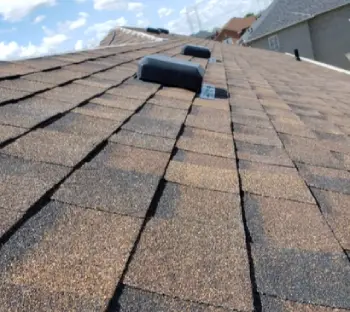
I walked several neighborhoods where both colors had been installed between three and twelve years earlier. Teak roofs still showed crisp shadow lines.
They held their reddish warmth even on the south-facing slopes. Brownwood roofs looked slightly more uniform. They had accumulated less visible dirt.
The darker granules likely camouflage better. Neither color exhibited unusual granule loss when the roof deck and ventilation were properly done.
In one coastal town the Duration Teak installations handled a 100-plus mph tropical system. Only minor edge lifting appeared on a few poorly nailed courses.
Nearby Oakridge Brownwood roofs performed adequately under the same storm. The six-nail pattern had to be confirmed first. The difference was measurable but not dramatic for most residential settings.
Temperature readings I took on sample boards showed both colors running 15 to 20 degrees hotter than a light gray option.
This happened on a 90-degree day. Attic fans and continuous ridge vents kept the difference from translating into noticeable cooling-bill increases. Proper airflow remains the real equalizer.
I also checked a few roofs after five years of service. Teak retained more of its original multi-tone character. Brownwood stayed consistent but looked flatter under close inspection. Both still shed water cleanly and showed no widespread curling when ventilation was adequate.
Choosing Based On Home Style And Climate
If your house has warm brick or natural wood trim, Teak tends to create a more cohesive picture. The reddish undertones echo the masonry.
The roof feels intentional rather than neutral. Brownwood suits cooler beige or olive siding. It gives a grounded traditional look that does not fight the wall color.
In hail belts I lean toward Duration Teak for the Class 3 rating. In milder regions the cost savings of Oakridge Brownwood make sense.
High-wind coastal zones favor the SureNail strip regardless of color. Duration becomes the safer default in those cases.
Budget still matters. On a 25-square roof the material gap between the two can run several hundred dollars before labor.
That money can buy better underlayment or upgraded ventilation. Both of those choices affect long-term performance more than the color itself.
Consider the view from the street as well. Teak draws the eye with its warmer depth. Brownwood blends more quietly into traditional neighborhoods.
Walk the block and look at existing roofs. Real examples beat online photos every time.
Installation And Maintenance Notes
Both colors install with the same basic technique. Proper starter strips keep the edges secure. Correct nailing pattern protects the warranty. Matching hip-and-ridge pieces finish the look. I watched crews prefer the Duration nailing strip. It reduces the chance of nails missing the high-strength zone. Oakridge still performs well when the double layer is respected.
Algae resistance works similarly on both. In humid climates a 25-year algae warranty is useful. Periodic soft washing still helps keep the surface looking sharp. Avoid pressure washing. It can strip granules and shorten the roof’s life.
Check attic ventilation before the new roof goes on. Both colors absorb heat. A continuous ridge vent paired with soffit intake makes a noticeable difference in summer attic temperatures. Poor airflow can cause problems no shingle color can fix.
Long-Term Ownership Thoughts
After living with sample boards on my porch for two summers and reviewing warranty claims data, I settled on Duration Teak for my own project.
The extra wind and impact protection felt worth the modest premium. The color matched my brick better.
A neighbor chose Oakridge Brownwood and is equally happy with the finished look and lower invoice. Both of us still have solid attractive roofs five years later.
Your decision should rest on three factors. First is how the color sits against your existing exterior. Second is the weather risks in your zip code.
Third is the total installed cost after labor and accessories. Samples under real sunlight remain the only reliable way to confirm the final appearance.
I also recommend asking your contractor for recent local installs of both colors. Seeing them in your actual climate and lighting removes most of the guesswork. Warranty paperwork should be reviewed carefully. Transfer rules and algae coverage can vary by region and product line.
Also Read: Comparison Of Roof Window And Skylight
Frequently Asked Questions (FAQ)
Driftwood and Estate Gray consistently rank at the top. Onyx Black follows closely. Brownwood and Teak remain strong sellers in the brown family.
Basic three-tab asphalt shingles from unknown or no-name brands often fail earliest. They lack the laminated structure and warranty strength of architectural lines.
Owens Corning Duration, GAF Timberline HDZ, and CertainTeed Landmark regularly top contractor and homeowner preference lists. They balance performance, warranty, and appearance well.
Owens Corning manufactures Brownwood as a color option. It appears across several of its architectural lines. Oakridge and Duration are the most common.
Wrapping Up
I weighed the real differences in performance, cost, and appearance so you can walk into your contractor meeting already knowing which direction fits your house best.
Whether you land on the richer warmth of Teak or the steady earthiness of Brownwood, both deliver reliable protection when installed correctly.
Take the samples outside. Check your local wind and hail history. Choose the combination that feels right for the next twenty-plus years of ownership.
Recent Posts
● Interactive 5-Zone Interior & Exterior Paint Blueprint Paint Coverage Calculator: Gallons, Primer, Square Footage & Cost Tap any architectural surface zone on the blueprint...
If you want smooth, shiny hair without spending a fortune on a premium styling tool, the Ella Bella hair dryer may be worth considering.In these Ella Bella hair dryer reviews, I’ll look...