
I decided to write this piece because choosing a prenatal vitamin can feel overwhelming when you are already juggling symptoms, appointments, and endless advice.
My goal here is simple: give you a clear, side-by-side look at Perelel and Thorne so you can decide which one actually fits your body, budget, and daily routine without the usual marketing noise.
| Feature | Perelel Prenatal Packs | Thorne Basic Prenatal |
| Formulation Style | Trimester-specific daily packs that change with each stage | Single consistent formula for preconception through nursing |
| Daily Pill Count | 4–5 capsules/softgels in one sachet | 3 capsules |
| Folate Form | Methylfolate (5-MTHF), higher in first trimester | 5-MTHF (1.7 mg DFE) |
| Iron | Chelated, moderate dose (around 16 mg early on) | Ferrous bisglycinate, 45 mg |
| Choline | About 120 mg | 110 mg |
| DHA/EPA | Included (around 250 mg DHA + 100 mg EPA) | Not included |
| Extra Support | Ginger + B6 for nausea in first trimester; calcium/magnesium later | Vitamins C, B6, and K for morning sickness relief |
| Price (approx. monthly) | $50–60 with subscription | $30–37 |
| Packaging | Individual daily sachets | Standard bottle |
| Testing | Third-party tested, cGMP facilities | NSF Certified for Sport, rigorous lot testing |
| Best For | Women who want stage-specific convenience and built-in omegas | Women who prefer fewer pills, higher iron, and a simpler routine |
Why These Two Brands Keep Coming Up?
When I started looking into prenatals, Perelel and Thorne showed up again and again in conversations with other moms and in practitioner recommendations.
Both brands lean on bioavailable forms of key nutrients instead of the cheap synthetic versions you find in many drugstore options.
Both use methylfolate rather than folic acid, which matters if you carry an MTHFR gene variation that makes converting folic acid harder.
Both avoid a long list of unnecessary fillers. Yet they take very different approaches to how those nutrients reach you.
Perelel treats pregnancy as a series of shifting needs. Thorne treats it as one continuous window that needs steady, high-quality coverage.
That single difference shapes almost everything else.
Key Differences Between Perelel And Thorne
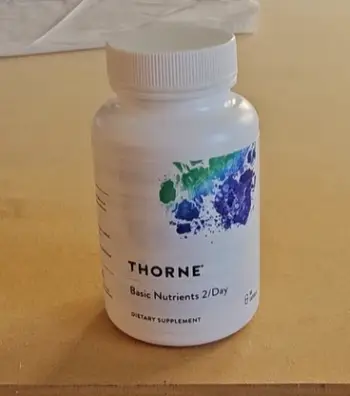
- Stage-specific versus one-formula design: Perelel changes the mix of nutrients as you move from the first trimester into the second and third.
Thorne sticks with the same three capsules the entire time.
The first approach feels more personalized while the second feels simpler and more predictable.:
- Built-in omega-3s versus separate purchase: Perelel includes DHA and EPA in every daily pack.
Thorne leaves omega-3s out so you add a separate fish-oil or algae softgel if you want that support for baby’s brain and eye development.:
- Pill count and packaging: Perelel’s daily sachet holds four or five pieces. Thorne asks for three capsules from a bottle.
If swallowing multiple pills already feels like a chore during nausea weeks the difference is noticeable.
- Iron dose and form: Thorne delivers a higher amount of gentle bisglycinate iron.
Perelel keeps iron more moderate in the early months and uses a chelated form as well.
Women who tend toward low ferritin often prefer Thorne’s dose while women who struggle with constipation sometimes prefer Perelel’s lighter touch.:
- Price and subscription model: Perelel sits at a premium price point and leans heavily on auto-renewing trimester packs that update automatically.
Thorne costs less per month and is easy to buy as a one-time bottle or through practitioner channels.:
These differences are not minor. They change how the product fits into real life.
Key Features Of Perelel Prenatal Packs
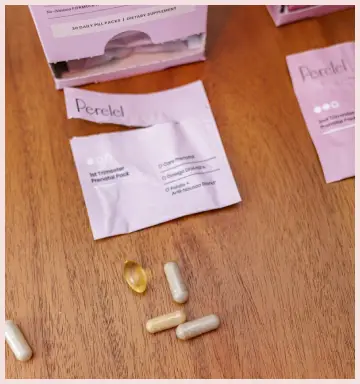
- Trimester-tailored formulas: The first-trimester pack adds extra methylfolate and a ginger-B6 softgel aimed at nausea.
Later packs bring in more calcium and magnesium for bone growth and muscle comfort.
The company updates your subscription as your due date approaches so the right pack arrives without you having to remember the switch.:
- Daily sachet convenience: Everything for the day sits in one small packet.
You tear it open swallow the contents and move on.
Travel becomes easier because you do not need to count pills from a bottle.
- Active nutrient forms: Methylfolate methylcobalamin B12 chelated minerals and vitamin D3 show up throughout the line.
The brand emphasizes forms the body can use without extra conversion steps.
- Included DHA and EPA: Roughly 350 mg of combined omega-3s come in the softgel.
That removes one extra bottle from the bathroom counter for many women.
- Clean-label approach: Non-GMO free of gluten soy artificial colors and fillers. Manufactured in cGMP facilities and third-party tested for purity and potency.
- Broader lifecycle support: Perelel also offers conception packs with CoQ10 and postpartum formulas so some women stay with the brand beyond the nine months.
Pros Of Perelel
- Personalized nutrient timing: The shift from extra folate and nausea support early on to calcium and magnesium later matches how needs actually change. Many women report feeling the difference in energy and fewer cramps once they move into the second-trimester pack.
- All-in-one daily ritual: Having the core prenatal omegas and stage-specific extras in one sachet reduces decision fatigue. You do not have to remember a separate fish-oil capsule.
- Thoughtful first-trimester extras: The ginger and B6 addition gives some women real relief during the worst of morning sickness without requiring another product.
- Automatic progression: Subscription customers do not have to track when to switch formulas. The brand handles the timing based on the due date you provide.
- Doctor-founded credibility. Formulated with input from OB/GYNs and reproductive specialists which gives many users extra confidence in the ingredient choices.
Cons Of Perelel
- Higher monthly cost: At roughly fifty dollars or more it sits well above many solid options. Over nine months the difference adds up.:
- Multiple pills per day: Four or five capsules can feel like a lot when nausea is strong or when you already struggle to keep anything down.:
- Choline remains modest: Around 120 mg is better than zero yet it still falls short of the 450 mg adequate intake many experts prefer. Food sources or an extra choline supplement may still be needed.:
- Not suitable for every diet: The fish-oil softgel rules it out for strict vegetarians and vegans. Some packs also contain ingredients that certain practitioners prefer to avoid.:
- Packaging volume: Individual sachets create more waste than a simple bottle even if the materials are recyclable.:
Key Features Of Thorne Basic Prenatal

- Consistent three-capsule dose: The same formula works from trying-to-conceive through nursing.
No need to change products or remember new combinations.
- High-quality active forms: 5-MTHF folate methylcobalamin B12 pyridoxal-5-phosphate B6 and chelated minerals appear throughout.
Iron comes as ferrous bisglycinate known for better tolerance.
- Solid iron support: Forty-five milligrams of gentle iron helps many women keep up with the increased blood volume of pregnancy without the harsh side effects of older iron salts.
- NSF Certified for Sport: The certification adds another layer of testing for banned substances and label accuracy which appeals to active women and those who simply want extra assurance.
- Clean inactive ingredients: Minimal fillers and no unnecessary coatings. The capsules are designed to be gentle on the stomach.
- Practitioner-trusted reputation: Thorne has long been a favorite among functional-medicine clinicians and midwives for its transparency and consistent quality control.
Pros OF Thorne
- Fewer pills and lower cost: Three capsules a day and a price closer to thirty-five dollars make it easier to stick with for nine months without budget stress.
- Higher iron in a well-tolerated form: Women who enter pregnancy with borderline ferritin often appreciate the 45 mg dose.
The bisglycinate form reduces the constipation and nausea that drive many people off prenatals entirely.
- Straightforward routine: One product one bottle same dose every day. That simplicity helps when life already feels complicated.
- Strong testing standards: Lot-by-lot heavy-metal screening plus NSF certification give many users peace of mind about purity.
- Suitable across the entire reproductive window: You can start it while trying to conceive and keep taking it postpartum without switching formulas.
Cons Of Thorne
- No built-in DHA or EPA: You will need a separate omega-3 supplement if you want those fatty acids for fetal brain and eye development. That adds another product and another cost.
- Modest choline: One hundred ten milligrams is a start yet most experts still recommend aiming higher through food or an additional supplement.
- Single formula means no stage-specific extras: You miss the targeted ginger support in early pregnancy or the extra calcium and magnesium later unless you add them yourself.
- Bottle format requires counting: Some people find it easier to grab a pre-portioned sachet than to measure out three capsules each morning.
- Capsule size: A few users note the capsules feel large when nausea is intense though many tolerate them better than expected because of the gentle nutrient forms.
How The Nutrient Profiles Stack Up In Real Life?
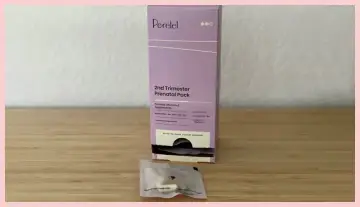
Both products cover the core prenatal essentials: folate iron iodine vitamin D B vitamins and zinc. The differences show up in the details that affect daily comfort and completeness.
Folate is strong in both. Perelel pushes the dose higher in the first trimester when neural-tube closure is most critical.
Thorne keeps a steady well-absorbed 1.7 mg DFE throughout. Either approach works for most women. The choice depends on whether you prefer a front-loaded strategy or steady coverage.
Iron is where Thorne often wins for women with higher needs. Forty-five milligrams of bisglycinate is meaningful support.
Perelel’s more moderate early dose may feel gentler if constipation is already a problem yet some women later wish they had more iron on board.
Choline is underwhelming in both relative to the 450 mg adequate intake. Neither brand claims to meet the full need so eggs liver or a separate choline product remain important for many.
Omega-3s tip the scale toward Perelel for convenience. If you already take a high-quality fish oil or algae oil Thorne’s omission is less of an issue.
If you want one less bottle Perelel’s inclusion is a clear advantage.
Vitamin D iodine and the active B vitamins look solid in both formulas. Neither brand relies on the poorly absorbed oxide or sulfate forms that still appear in cheaper prenatals.
Practical Considerations That Matter Day To Day
Cost is the most obvious practical difference. Perelel’s premium price buys you the sachet system the trimester updates and the included omegas.
Thorne’s lower price leaves room in the budget for a separate DHA softgel and still comes out ahead for many households.
Swallowing ability matters more than people admit. During peak nausea weeks four or five pills can feel impossible.
Three capsules from Thorne may be the difference between taking the prenatal and skipping it.
Conversely some women prefer the ritual of the sachet and report better consistency because of it.
Travel and daily routine also play a role. Sachets pack easily into a purse or overnight bag. A bottle of Thorne requires a pill case or careful packing.
Neither is a deal-breaker yet small friction points add up over nine months.
Dietary restrictions narrow the field quickly. Perelel’s fish-oil softgel excludes vegans. Thorne’s formula is more flexible on that front though neither is fully plant-based across every nutrient.
Who Might Prefer Perelel?
I see Perelel working best for women who value convenience and stage-specific support enough to pay the premium.
If you want the nausea-focused first-trimester pack automatic formula changes and built-in omegas the extra cost can feel justified.
Women who already take multiple supplements and want to consolidate into one daily packet also tend to like the system.
Who Might Prefer Thorne?
Thorne often fits women who want a clean practitioner-grade formula without the higher price or extra pills.
Higher iron needs preference for a simple three-capsule routine or a desire for NSF-level testing push many toward Thorne.
It also works well if you already have a DHA supplement you like and simply need a strong multi underneath it.
Also Read: Comparison Of Thorne And Ritual Prenatal
Frequently Asked Questions (FAQ)
Yes. It uses bioavailable forms includes DHA and adjusts nutrients by trimester. Many women tolerate it well and appreciate the convenience though the price and pill count are drawbacks for some.
Yes. It delivers active folate gentle high-dose iron and strong testing standards in a simple three-capsule format. The lack of DHA is the main gap most people need to fill separately.
It depends on your priorities. Choose Perelel for stage-specific support and built-in omegas. Choose Thorne for fewer pills higher iron and lower cost. Both are solid high-quality options.
There is no universal number-one. The best prenatal is the one you will actually take every day that covers your individual nutrient gaps and fits your budget and tolerance. Both Perelel and Thorne rank high for many women but personal needs decide the winner.
Wrapping Up
Neither product is perfect. Both leave choline short of ideal levels. Both require most women to think about omega-3s one way or another.
Both cost more than basic drugstore options and that higher price buys better forms and cleaner inactive ingredients rather than magic.
Perelel’s strength is the thoughtful progression through pregnancy and the reduction of decision fatigue.
Thorne’s strength is simplicity higher iron and rigorous quality controls at a lower price. The better choice depends on which of those strengths matches your biggest pain points.
If nausea dominates the first trimester and you hate managing multiple bottles Perelel’s pack system may keep you consistent.
If you already struggle with iron deficiency or simply want fewer capsules and lower cost Thorne is hard to beat.
In either case talk with your midwife or OB about your specific labs diet and symptoms. A prenatal is only one piece of the picture.
Food rest and individualized care still matter more than any single bottle or sachet.
Recent Posts
● Interactive 5-Zone Interior & Exterior Paint Blueprint Paint Coverage Calculator: Gallons, Primer, Square Footage & Cost Tap any architectural surface zone on the blueprint...
If you want smooth, shiny hair without spending a fortune on a premium styling tool, the Ella Bella hair dryer may be worth considering.In these Ella Bella hair dryer reviews, I’ll look...