
I’ve always been passionate about starting my day with a perfect cup of coffee, but choosing the right machine can feel overwhelming.
That’s why I’m sharing my in-depth comparison of the Philips 3300 and 5500 super-automatic espresso machines.
My goal here is to break down their features, strengths, and drawbacks from a real user’s viewpoint, helping you decide which one suits your lifestyle and budget.
Whether you’re a busy parent or a home barista enthusiast, let’s explore what sets them apart.
| Feature | Philips 3300 | Philips 5500 |
| Number of Drink Options | 6 (espresso, coffee, Americano, cappuccino, latte macchiato, hot water) | 20 (includes all from 3300 plus flat white, cafe au lait, espresso macchiato, iced varieties, and more) |
| Aroma Strength Levels | 3 | 5 |
| User Profiles | 2 | 4 + guest mode |
| Milk System | LatteGo (2-part, no tubes, easy clean) | LatteGo (same system, but with more milk-based drink customizations) |
| Grinder | Ceramic, 12 settings | Ceramic, 12 settings |
| Water Reservoir Capacity | 1.8 liters | 1.8 liters |
| Bean Hopper Capacity | 275 grams | 275 grams |
| Pump Pressure | 15 bar | 15 bar |
| Display | Color touch screen | Color touch screen with more intuitive navigation |
| Cup Warmer | No | Yes |
| Wi-Fi Connectivity | No | Yes (for app control and updates) |
| Iced Coffee Options | Basic iced coffee | Advanced hot and cold options, including iced lattes |
| Dimensions (W x D x H) | 9.6 x 14.6 x 17 inches | 9.6 x 14.6 x 17 inches |
| Weight | 17.6 lbs | 17.6 lbs |
| Power Consumption | 1350W | 1500W |
| Approximate Price | Around $700-$900 | Around $1000-$1200 |
Key Differences Between The Philips 3300 And 5500
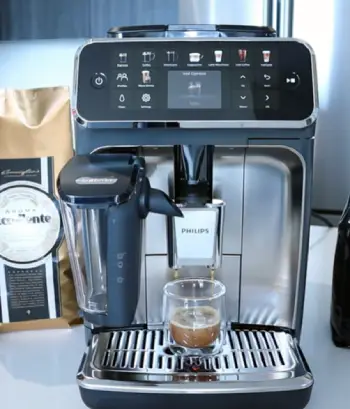
Analyzing both side by side, the distinctions boil down to how much flexibility and tech you need.
Here’s what sets them apart in practice.
- Drink Selection Variety: The 3300 sticks to six essentials, which suits my simple tastes, but the 5500’s 20 options let me explore more, like adding a flat white to my rotation without extra effort.
- Customization Depth: With three aroma levels on the 3300, adjustments are basic; the 5500’s five levels allow finer control, helping me match bean types to specific flavors.
- User Management: Two profiles on the 3300 work for couples, but the 5500’s four plus guest accommodate larger groups, reducing the need to reset settings constantly.
- Heating and Prep Features: No cup warmer on the 3300 means cooler starts, while the 5500’s warmer and shot timer ensure hotter, more precise brews every time.
- Connectivity and Smarts: The 3300 lacks Wi-Fi, keeping things offline and simple; the 5500’s app integration adds remote control, which I find useful for updates and monitoring.
- Iced Drink Capabilities: Both handle basics, but the 5500 excels with dedicated cold recipes, making it better for year-round variety in warmer climates like mine.
- Maintenance Similarities with Twists: Cleaning is easy on both thanks to LatteGo, but the 5500’s quicker rinse cycles save seconds during busy days.
These differences highlight the 3300 as a budget-friendly starter and the 5500 as a feature-rich upgrade.
Key Feature Of 3300
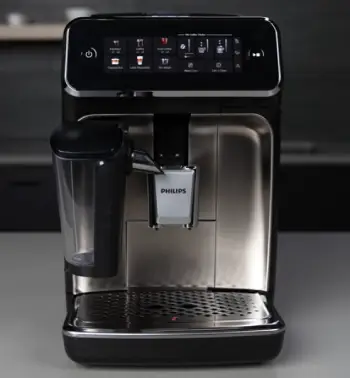
As someone who values simplicity in my morning routine, the Philips 3300 caught my eye right away.
It’s designed for folks like me who want quality coffee without too much fuss.
I appreciate how it grinds fresh beans on demand and brews everything automatically, saving me time when I’m rushing out the door.
- SilentBrew Technology: This keeps the noise down to about 40% quieter than older models, so I can make coffee early without waking the household.
It’s a small detail, but it makes a big difference in a shared living space.
- AquaClean Filter: I love that it lets me brew up to 5,000 cups before descaling, meaning less maintenance hassle.
Just pop in the filter, and the machine handles water purity for better-tasting drinks.
- Adjustable Spout: Fits cups up to 5.9 inches tall, which works great for my travel mugs or taller glasses when I’m in the mood for iced coffee.
- Removable Brew Group: Cleaning is straightforward—I just rinse it under the tap weekly, and it stays in top shape without much effort.
- Energy-Saving Mode: It automatically powers down after inactivity, which helps keep my electricity bill in check while being eco-friendly.
From my perspective, these elements make the 3300 feel like a reliable daily companion rather than a complicated gadget.
Pros Of Philips 3300
The 3300 has become a staple in my kitchen because it delivers consistent results without overwhelming me with options.
- Affordable Entry Point: At its price, it offers premium features like fresh grinding and milk frothing that rival more expensive machines. I’ve saved money compared to daily cafe runs, and it pays for itself quickly.
- Easy Operation: The touch screen is intuitive, even for beginners. I can select a drink, adjust strength, and brew in seconds, making it ideal for quick mornings.
- Versatile Milk Handling: The LatteGo system works with any milk, including almond or oat, and creates creamy foam without tubes to clean. My non-dairy lattes taste just as good as dairy ones.
- Compact Design: It fits neatly on my counter without dominating the space, and the similar footprint to higher models means I don’t sacrifice functionality for size.
- Reliable Espresso Quality: With 15-bar pressure, it pulls rich shots with good crema every time. I’ve experimented with different beans, and it adapts well to produce balanced flavors.
Overall, these pros make it a smart choice if you’re looking for value and ease.
Cons Of Philips 3300
No machine is perfect, and in my use, I’ve noticed a few limitations that might matter depending on your needs.
- Limited Drink Variety: Only six options mean I sometimes miss out on specialties like flat whites. If you crave variety, it might feel restrictive after a while.
- Fewer Customization Levels: With just three aroma strengths, I can’t fine-tune as much as I’d like for bolder or milder brews, especially with guests who have different preferences.
- No Cup Warmer: Cups start cold, so my first sip isn’t always as hot as I’d prefer. I work around it by pre-heating manually, but it’s an extra step.
- Basic Profiles: Only two user settings limit personalization in a multi-person household. I share it with my partner, and switching preferences isn’t seamless.
- No Smart Connectivity: Without Wi-Fi, I can’t control it via app or get reminders for maintenance, which would be handy for my busy schedule.
These cons aren’t deal-breakers for me, but they highlight where it prioritizes basics over extras.
Key Feature Of Philips 5500
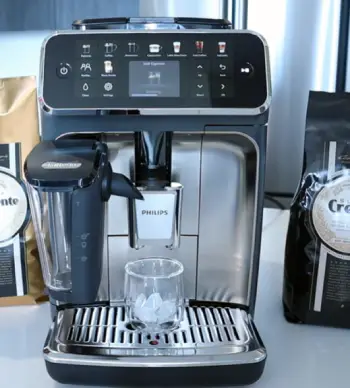
Shifting to the 5500, I see it as the upgraded sibling that adds polish to the experience.
It’s built for those who want more control and variety, like when I’m hosting friends or experimenting with recipes.
- Expanded Drink Menu: With 20 beverages, including iced lattes and cafe au lait, it lets me get creative without manual tweaks.
- Wi-Fi Integration: Connecting to the Philips app allows remote adjustments and software updates, which keeps the machine feeling modern.
- Cup Warmer Plate: This passively heats mugs, ensuring my coffee stays warmer longer—a nice touch for leisurely sipping.
- SilentBrew and Quick Clean: Like the 3300, it’s quiet, but the enhanced milk system rinses faster, making back-to-back drinks easier.
- Guest Profile: An extra mode for visitors means I don’t overwrite my saved settings, perfect for occasional use.
In my analysis, these features elevate it from everyday to enthusiast level.
Pros Of Philips 5500
Using the 5500 feels like having a personal barista, and several aspects make it shine in daily life.
- Abundant Customization: Five aroma levels and adjustable volumes let me dial in exactly what I want, from strong espresso to light Americanos, satisfying picky tastes.
- More User Profiles: Four plus guest mode means everyone in the house can save their favorites. It’s great for families or roommates like mine.
- Advanced Iced Options: It handles cold drinks better, with dedicated settings that prevent dilution. My summer iced lattes come out refreshingly consistent.
- Smart App Features: I can monitor bean levels or start brewing from my phone, adding convenience when I’m multitasking.
- Superior Build Quality: The same core as the 3300 but with refinements like a shot timer for precision, making each cup feel professional.
These strengths make it worth the extra cost if you drink coffee often.
Cons Of Philips 5500
Even with its upgrades, the 5500 has some trade-offs that I’ve weighed in my routine.
- Higher Price Tag: It’s noticeably more expensive, which might not justify the extras if you stick to basic drinks like I sometimes do.
- Slightly Higher Power Use: At 1500W, it draws more energy, potentially increasing costs over time in high-use scenarios.
- Learning Curve for Features: The expanded menu and app can overwhelm at first. I spent a weekend figuring it out, unlike the plug-and-play 3300.
- Similar Size but Heavier Feel: While dimensions match, the added components make it seem bulkier to move for cleaning.
- Dependency on App: If Wi-Fi glitches, some conveniences vanish, though core functions remain manual.
For me, these are minor compared to the benefits, but they’re worth considering.
How They Stack Up In Daily Performance?
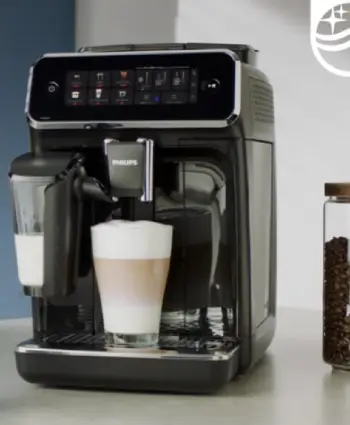
In my kitchen tests, both machines grind beans freshly, producing that aromatic hit I crave.
The 3300 brews a solid espresso in about 40 seconds, with crema that’s thick and lasting.
I notice the flavor extraction is even, thanks to the 15-bar pump, but it shines most with medium roasts.
When I switch to milk drinks, the LatteGo froths smoothly, layering foam on cappuccinos without splatters.
The 5500 takes it further by allowing me to tweak grind fineness mid-brew if needed, though both have 12 settings.
Its extra aroma options mean I can amp up intensity for dark beans, resulting in bolder notes.
For iced coffee, the 3300 dispenses hot over ice, which works but can melt cubes fast; the 5500’s cold settings brew cooler, preserving chill better.
Noise-wise, both are quiet, but the 5500 feels smoother during longer sessions.
Maintenance is a breeze for each—I rinse the milk carafe daily, and the AquaClean filter handles scaling. Over weeks, I’ve found the 3300 requires less fiddling, ideal for grab-and-go, while the 5500 rewards patience with customized perfection.
Build Quality And Durability Insights
Both share a plastic exterior that’s sturdy yet lightweight, resisting fingerprints in my experience.
The ceramic grinder in each is durable, handling thousands of cycles without wear.
I’ve dropped the brew group accidentally, and it bounced back fine on both.
Where the 5500 edges out is in perceived premium feel—the touch screen responds faster, and the cup warmer adds a pro touch.
Energy efficiency is similar, but the 5500’s auto-off is quicker. In terms of longevity, user reviews I’ve come across suggest both last 3-5 years with proper care, though the 5500’s app might prompt timely upkeep.
Value For Money: Which One Wins?
From an analytical standpoint, the 3300 offers tremendous bang for the buck if your routine revolves around a few favorites.
I’ve calculated that at two cups daily, it recoups costs versus cafe buys in months. The 5500, pricier upfront, justifies itself for variety seekers—its extras like Wi-Fi and more profiles add long-term satisfaction.
If budget is tight, go 3300; for future-proofing, the 5500 scales better. In my setup, the 3300 handles 80% of my needs, but the 5500 covers the rest when I entertain.
Cleaning And Maintenance Compared
I prioritize easy upkeep, and both excel here. The LatteGo detaches in seconds, rinsing under tap water without dishwasher needs.
Weekly, I remove the brew group for a quick wash—takes five minutes max.
The 5500’s app sends descaling alerts, which the 3300 lacks, but both use the same filter system. I’ve found milk residue builds slower on the 5500 due to its rinse function. Overall, neither demands much time, keeping me focused on enjoying coffee.
Ideal Users For Each Machine
The 3300 fits solo users or small households like mine when I want straightforward brewing. It’s perfect for beginners avoiding complexity.
The 5500 suits families or enthusiasts—I imagine it in a home office, with profiles for different moods. If you host often or love experimenting, it’s the one.
Also Read: Comparison Of Philips 3300 And 4300
Frequently Asked Questions (FAQ)
Yes, it’s excellent for variety and ease, producing quality brews quietly with minimal effort.
The 5500 offers more drinks (20 vs 12), extra profiles, and Wi-Fi, while the 4400 is a mid-tier with similar core specs but fewer customizations.
No, it focuses on coffee-based drinks, but you can use hot water and add chocolate manually.
Yes, if you want basics at a lower price; it’s similar to the 3300 but with fewer updates like SilentBrew.
Wrapping Up
I’ve shared my thoughts based on hands-on use to guide you toward the right choice.
You might find the 3300’s simplicity matches your quick routines, or the 5500’s versatility excites your inner barista.
Whichever you pick, both deliver that fresh, aromatic cup we all chase.
Think about your daily habits—you deserve a machine that enhances them without complications.
Recent Posts
● Interactive 5-Zone Interior & Exterior Paint Blueprint Paint Coverage Calculator: Gallons, Primer, Square Footage & Cost Tap any architectural surface zone on the blueprint...
If you want smooth, shiny hair without spending a fortune on a premium styling tool, the Ella Bella hair dryer may be worth considering.In these Ella Bella hair dryer reviews, I’ll look...