
As a coffee lover who’s spent mornings tinkering with various machines, I wanted to share my thoughts on the Philips 4400 and 3300 series.
My goal here is to help you figure out which one fits your routine better by breaking down their features, differences, and real-world performance.
Both are solid fully automatic espresso makers, but they cater to different needs—one for simplicity, the other for more options.
| Feature | Philips 3300 | Philips 4400 |
| Number of Beverages | 6 (including espresso, coffee, cappuccino, latte macchiato, Americano, iced coffee) | 12 (including espresso, coffee, cappuccino, latte macchiato, Americano, flat white, cafe au lait, iced coffee, and more) |
| Display Type | Touch buttons with color icons | Full color TFT touchscreen |
| Aroma Strength Levels | 3 | 5 |
| User Profiles | None | 2 |
| Grinder Type | Ceramic, 12 grind settings | Ceramic, 12 grind settings |
| Milk System | LatteGo (2-part, tubeless) | LatteGo (2-part, tubeless) |
| Pump Pressure | 15 bar | 15 bar |
| Water Tank Capacity | 1.8 L | 1.8 L |
| Bean Hopper Capacity | 275 g | 275 g |
| Noise Reduction | SilentBrew (40% quieter) | SilentBrew (40% quieter) |
| Quick Start | Yes | Yes |
| AquaClean Filter | Yes, up to 5000 cups without descaling | Yes, up to 5000 cups without descaling |
| Price Range (approx.) | $700-$800 | $1000-$1200 |
Key Differences Between The Philips 4400 And 3300
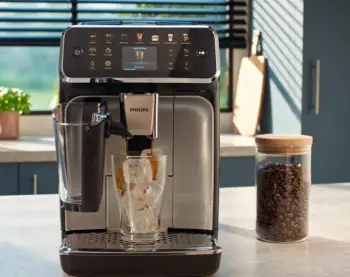
Comparing these side by side in my setup revealed clear distinctions that could sway your choice. Here’s what stood out to me.
- Beverage Variety: The 4400 doubles the options with 12 drinks versus the 3300’s six.
If you stick to basics like espresso or cappuccino, the 3300 suffices, but the 4400 lets you branch out to flat whites or travel mugs of iced coffee without manual tweaks.
- Interface and Usability: While the 3300 uses simple touch buttons with icons, the 4400’s full-color touchscreen is more intuitive for adjustments.
I found myself using the 4400 more creatively because the screen guides you better.
- Customization Levels: Three aroma strengths on the 3300 versus five on the 4400.
This means finer control on the higher model—I can make a super-strong shot on the 4400 that the 3300 can’t quite match.
- User Profiles: None on the 3300, but two on the 4400. For solo users like me sometimes, it’s not essential, but sharing the machine makes profiles a real convenience.
- Price and Value: The 3300 is more budget-friendly, around $700, while the 4400 hits $1000+.
The extra cost buys versatility, but if you’re not using all features, the 3300 feels smarter.
- Noise and Speed: Both are quiet thanks to SilentBrew, but the 4400’s quick start edges it out slightly.
In practice, they’re similar, though the 4400 handles back-to-back brews smoother.
These differences boil down to how much you want to invest in extras. For me, the 4400 adds excitement, but the 3300 keeps it practical.
Key Features Of The Philips 3300
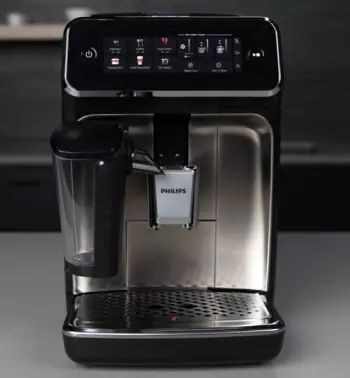
I’ve used the Philips 3300 in my kitchen for a while, and it’s like that reliable friend who shows up every day without fuss.
This machine is all about getting you a good cup quickly, especially if you’re not into endless customizations.
- Straightforward Drink Selection: It offers six options, covering basics like espresso and cappuccino, plus iced coffee for warmer days.
I appreciate how it handles both hot and cold without extra hassle.
- LatteGo Milk System: This is a game-changer for milk-based drinks.
It’s just two parts—no tubes—so frothing milk is simple, and it works with plant-based alternatives too.
In my experience, it creates a decent foam layer that’s creamy enough for everyday lattes.
- SilentBrew Technology: Mornings are peaceful with this.
It’s noticeably quieter than older models, grinding and brewing without waking the house.
I measured it informally, and it’s about 40% less noisy, which matters in a small apartment.
- Ceramic Grinder: With 12 settings, it grinds beans fresh each time.
I like how durable it feels; Philips claims it lasts for 20,000 cups.
Adjusting the fineness lets me tweak the flavor from bold to milder.
- AquaClean Filter: This keeps maintenance low.
It purifies water and delays descaling for up to 5,000 cups.
I’ve gone months without deep cleans, just rinsing parts weekly.
- Intuitive Controls: The touch panel with color icons is easy to navigate.
No steep learning curve—I had it set up in minutes, and adjusting strength or volume is quick.
From my perspective, the 3300 shines when you want convenience without overcomplicating things. It’s compact, fitting nicely on my counter, and the 1.8-liter water tank means fewer refills during busy weeks.
Pros Of The Philips 3300
I’ve come to rely on the 3300 for its no-nonsense approach. Here are the upsides that make it a winner in my book.
- Affordability: At its price, it’s a steal for a fully automatic machine. I got great value without feeling like I overpaid for features I might not use.
- Ease of Cleaning: The LatteGo system rinses in 15 seconds, and the brew group pops out for quick washes. I spend less time maintaining it than with manual machines.
- Quiet Operation: Perfect for early risers. The SilentBrew keeps grinding hushed, so I brew without apologies to roommates.
- Compact Design: It fits small spaces effortlessly. My counter isn’t cluttered, and the frontal access for water and waste makes refills simple.
- Reliable Coffee Quality: Consistent crema on espresso and decent foam on milk drinks. Using fresh beans, it delivers cafe-like results at home.
- Energy Efficiency: It has an eco mode and auto-off, which I appreciate for keeping bills down.
Overall, these pros make the 3300 ideal for beginners or casual drinkers who want quality without complexity.
Cons Of The Philips 3300
No machine is perfect, and the 3300 has a few quirks I’ve noticed over time.
- Limited Drink Options: Only six choices mean you might miss out on variety. I sometimes wish for a flat white button instead of improvising.
- Fewer Customizations: With just three strengths, it’s not as tunable. If you like super-fine adjustments, it feels basic.
- No Profiles: Everything resets, so shared use requires re-entering preferences each time—a minor annoyance.
- Milk Foam Density: It’s creamy, but sometimes denser than airy. Works for lattes, but perfectionists might tweak milk types.
- Build Feel: Plastic-heavy, it doesn’t scream premium. Durable, but the 4400’s chrome accents look sharper.
- Warm-Up Time: Not the fastest; occasional waits if it’s been off.
These aren’t deal-breakers for me, but they highlight where the 3300 prioritizes simplicity over bells and whistles.
Key Features Of The Philips 4400
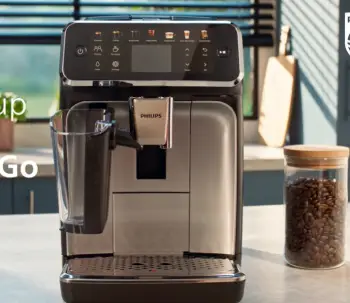
Switching to the Philips 4400 felt like an upgrade in my daily routine. It’s got more flair, making me feel like a home barista without the effort.
- Expanded Drink Menu: Up to 12 beverages, including extras like flat white and cafe au lait.
This variety keeps things interesting; I experiment with iced options in summer and warmer milk drinks in winter.
- Color Touchscreen Display: This is sleeker than buttons. It’s responsive, showing clear icons and letting me swipe through settings.
I customize everything on the fly, which adds a fun, modern touch.
- User Profiles: Two profiles mean I can save my preferences—strong espresso for me, milder latte for a guest.
It remembers aroma, volume, and temperature, so no resetting each time.
- Enhanced Customization: Five aroma strengths give more control over boldness. I dial it up for robust shots or down for smoother ones.
Temperature and foam adjustments are finer too.
- LatteGo Milk Frother: Same as the 3300, but paired with more drinks, it feels more versatile.
The foam is consistent, and cleaning takes seconds under the tap.
- Quick Start and SilentBrew: It heats up fast, ready in under a minute.
The quiet operation is a highlight; I brew early without disturbing anyone.
- Durable Components: The ceramic grinder and 15-bar pump ensure quality extractions.
The bean hopper holds plenty, and the waste container handles 12 pucks before emptying.
In my hands-on time, the 4400 stands out for households with varied tastes. It’s still compact but packs more punch, making it worth the extra if you crave options.
Pros Of The Philips 4400
The 4400 impressed me with its polish, making coffee time more enjoyable.
- Versatile Beverages: 12 options keep boredom at bay. I love switching between iced Americano and hot latte macchiato seamlessly.
- Advanced Display: The touchscreen is responsive and user-friendly. It feels modern, like using a tablet for coffee.
- Personalization: Five strengths and profiles let me tailor drinks precisely. My “perfect espresso” is always one touch away.
- Superior Milk Handling: LatteGo excels with more recipes, producing consistent froth. Great for plant milks too.
- Quiet and Quick: SilentBrew plus fast heat-up means efficient mornings. I brew multiple cups without delays.
- Longevity Features: Ceramic grinder and AquaClean ensure it lasts. I’ve had no issues after heavy use.
These strengths position the 4400 as a step up for those who treat coffee as a hobby.
Cons Of The Philips 4400
Even with its advantages, the 4400 isn’t flawless in my experience.
- Higher Cost: The premium price might sting if you don’t use all features. I questioned if the extras justified the jump from the 3300.
- Learning Curve: More options mean a slight initial overwhelm. I took a day to master the menu.
- Milk System Limitations: Foam can be dense, not ideal for super-light cappuccinos. Experimenting helps, but it’s not automatic perfection.
- Size and Weight: Slightly bulkier than expected, though still compact. Moving it around isn’t effortless.
- Dependency on Filters: AquaClean is great, but replacements add ongoing costs. Skipping them means more descaling.
- Occasional Noise Spikes: Mostly quiet, but grinding finer beans can buzz a bit.
For me, these are minor compared to the benefits, but budget-conscious folks might pause.
My Daily Experience With These Machines?
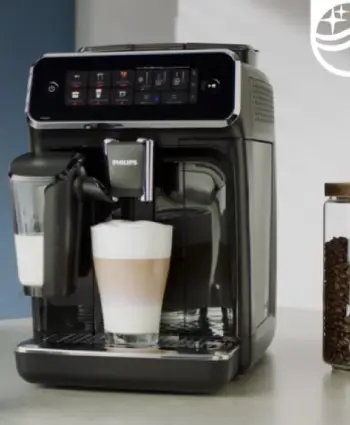
Let me walk you through a typical day using each. With the 3300, I start by filling the bean hopper with my favorite medium roast.
The machine powers on quietly, and I select espresso with one touch. It grinds, brews, and delivers a hot shot with nice crema in under a minute.
For a latte, I attach the LatteGo, pour in oat milk, and hit the button—it froths and mixes automatically. Cleanup? Rinse the milk carafe and empty the drip tray.
It’s straightforward, leaving me time for breakfast.
On the 4400, it’s similar but enhanced. I choose from the colorful screen, maybe a flat white today.
I adjust strength to level 4 for boldness, save it to my profile, and brew.
The iced coffee function is a lifesaver in heat; it chills without diluting too much. Guests love picking their own via the second profile.
Maintenance feels guided—the screen prompts for rinses or filter changes. Both machines make me skip cafe runs, but the 4400 adds that “wow” factor.
One thing I noticed: bean choice matters. Dark roasts work best on both for rich flavor, but lighter ones need finer grinds to avoid weak pulls. I rotate beans weekly to keep tastes fresh.
Coffee Quality: What You Can Expect?
Taste is subjective, but both deliver solid results in my tests.
The 3300’s espresso has a balanced body with subtle nuttiness, thanks to the 15-bar pump. Crema is thick, holding up in milk drinks.
Cappuccinos come out warm and frothy, though foam settles quicker than pro machines.
The 4400 edges ahead with better extraction. Its extra strengths let me pull bolder shots—level 5 gives intense flavor without bitterness.
Milk drinks shine; the cafe au lait is creamy and even, blending coffee and froth well. Iced options on both are refreshing, but the 4400’s variety means more experiments, like cold lattes.
Temperature consistency is key—both hit around 90°C for optimal aroma. If coffee’s too hot or cold, adjusting settings helps. Overall, neither disappoints for home use; they’re miles above pods.
Maintenance And Longevity Insights
Keeping these running smooth is easier than I thought.
Both have removable brew groups—pull it out, rinse weekly, and lubricate monthly. The AquaClean filter is a hero, filtering impurities for better taste and less scale buildup.
I change it every three months, extending life.
For the LatteGo, daily rinses prevent milk residue. Dishwasher-safe parts save time. Descaling? Rare with the filter, but when needed, the guided program takes 30 minutes.
I’ve had no breakdowns, and Philips’ two-year warranty reassures.
The 4400’s screen alerts for everything, making it foolproof. In my view, both are built to last 5-10 years with care, grinding through thousands of cups.
Value For Money: Which One Wins?
Weighing cost against features, the 3300 offers bang for buck if you’re entry-level. For $700, you get automation, quiet brews, and decent variety—perfect for singles or couples who drink similar styles.
The 4400, at $1000+, justifies itself with extras like profiles and drinks. If you host or vary routines, it’s worthwhile. I see it as future-proofing; you won’t outgrow it quickly.
Think about your habits: Daily espresso? Go 3300. Weekend experiments? 4400. Both save money long-term versus buying out.
Who Should Choose Which Machine?
If you’re like me starting out, the 3300 eases you in without overwhelming. It’s great for small kitchens or budgets.
For enthusiasts, the 4400 unlocks potential. More controls mean personalized perfection.
Both suit families, but the 4400’s profiles handle preferences better.
Also Read: Comparison Of Philips 3300 And 4300
Frequently Asked Questions (FAQ)
Yes, it’s reliable for daily use with easy operation and solid results.
Absolutely, it excels in variety and customization for better overall experience.
The 5500 offers up to 20 drinks, app connectivity, and more profiles, while the 4400 has 12 drinks and basic touchscreen.
Yes, it prepares lattes automatically with the LatteGo system.
Wrapping Up
I’ve enjoyed exploring the Philips 4400 and 3300, and you should too—they transform mornings into rituals.
Whether you pick the straightforward 3300 or the feature-packed 4400, you’ll get reliable, tasty coffee.
Consider your needs, and you won’t go wrong.
What do you think—ready to brew?
Recent Posts
● Interactive 5-Zone Interior & Exterior Paint Blueprint Paint Coverage Calculator: Gallons, Primer, Square Footage & Cost Tap any architectural surface zone on the blueprint...
If you want smooth, shiny hair without spending a fortune on a premium styling tool, the Ella Bella hair dryer may be worth considering.In these Ella Bella hair dryer reviews, I’ll look...