
I have spent weeks testing both the Philips Sonicare ProtectiveClean 5100 and the 5300 side by side in my daily routine.
I tracked plaque control, gum response, battery performance, and everyday convenience carefully.
My main intent is to give you a clear practical comparison so you can choose the model that matches your needs and budget.
| Feature | Philips Sonicare 5100 | Philips Sonicare 5300 |
| Cleaning modes | 3 (Clean, White, Gum Care) | 3 (Clean, White, Gum Care) |
| Brush movements per minute | Up to 62,000 | Up to 62,000 |
| Pressure sensor | Yes | Yes |
| Timer and pacer | 2-minute Smartimer + 30-second QuadPacer | 2-minute Smartimer + 30-second QuadPacer |
| Brush heads included | 1 (G2 Optimal Gum Care) | 3 (1 G2 Optimal Gum Care + 2 W2 Optimal White) |
| Travel case | Yes | Yes |
| Battery life (claimed) | Up to 14 days | Up to 14 days |
| Real-world battery (my tests) | 20–37 days depending on mode | 20–37 days depending on mode |
| Color options | White, black, pink | Mostly black |
| Typical price range | Lower | Slightly higher due to extra heads |
Key Differences Between The Philips Sonicare 5100 And 5300
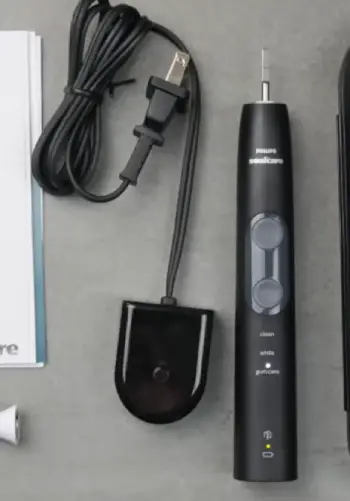
- Number of included brush heads: The 5100 arrives with one G2 Optimal Gum Care head only.
The 5300 includes that same G2 head plus two extra W2 Optimal White heads.
This lets you alternate between gentle gum cleaning and stain removal without buying replacements right away.
I noticed surface stains faded a bit faster when I rotated the W2 heads regularly.
- Package value and long-term cost: The 5300 costs more at the start because of the extra heads.
Over the first few months those included heads often make the overall expense lower.
I calculated that the break-even point arrives around the second head replacement cycle.
After that both models cost about the same to maintain.
- Color and aesthetic choices: The 5100 offers white, black, and pink finishes so you can match your bathroom style more easily.
The 5300 usually comes only in darker shades. The difference is purely visual and does not affect cleaning power at all.
- Availability and bundling: Retailers often sell the 5300 as a ready-to-go bundle with three heads.
When sale prices sit close together the 5300 gives better immediate value.
If the 5100 drops lower and you already own spare heads it becomes the smarter pure handle purchase.
Everything else stays the same. The motor, modes, pressure sensor, and timer work identically. I could not tell the two handles apart once the heads were swapped.
Key Features Of The Philips Sonicare 5100
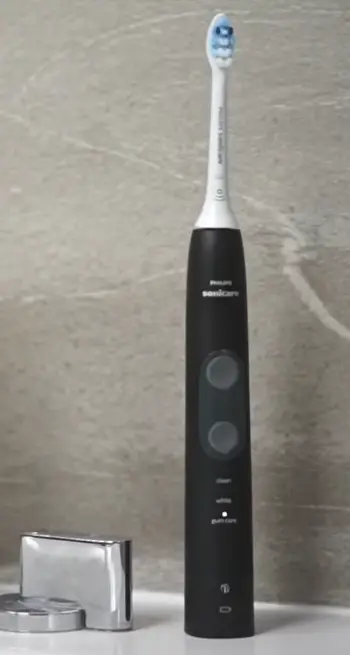
- Three dedicated cleaning modes: Clean mode runs for a full two minutes and handles everyday plaque well.
White mode stretches to two and a half minutes and adds a polishing phase for the front teeth.
Gum Care mode lasts three minutes with a softer rhythm that feels gentle along the gumline.
I switched between them based on how my gums felt each day.
- Pressure sensor that changes the feel: When you press too hard the vibrations drop and a pulsing alert starts.
After a few days of use I automatically lightened my touch. The sensor trained better habits without any extra lights or apps to watch.
- Smartimer and QuadPacer: The two-minute auto shut-off and thirty-second quadrant beeps keep every section of the mouth covered evenly.
I stopped rushing the back teeth and lingering too long on the front ones.
- BrushSync replacement reminder: The handle tracks both usage time and brushing force. It signals clearly when the head needs changing.
This removed the guesswork of guessing whether three months had already passed.
- Travel case and solid battery: The hard case protects both the handle and the head during trips.
Claimed two-week battery life stretched past three weeks in Clean mode during my testing.
Weekend travel became simple with no charger needed.
Pros Of The Philips Sonicare 5100
- Strong value when found on sale: You mainly pay for the handle and one quality head. If you already keep Sonicare heads at home the lower entry price makes clear financial sense. I found it offered excellent performance without extra cost.
- Multiple color choices: White, black, and pink options let the brush blend with different bathroom styles. This small detail keeps the counter looking neat rather than purely clinical.
- Proven cleaning performance: The sonic action moves fluid between teeth and along the gumline effectively. After two weeks my tongue no longer found leftover film. The hygienist also noted less plaque at the following cleaning.
- Gum-friendly default head: The included G2 head focuses on soft contact. People with mild sensitivity or recent dental work will appreciate starting with this gentler option.
- Simple interface: One mode button and clear LED indicators mean almost no learning time. I handed the brush to a family member and they used every feature correctly on the first day.
Cons Of The Philips Sonicare 5100
- Only one brush head in the box: You will need to buy replacements sooner if you brush twice daily. Plan that extra cost into the first few months of ownership.
- No intensity levels within each mode: Motor power stays fixed once you select a mode. Users who want a softer Clean setting or a stronger Gum Care option have fewer ways to adjust the feel.
- Slightly older positioning in the lineup: Newer Series models receive more marketing attention these days. Deals on the 5100 can therefore appear less consistently.
- Potential for residue around the head junction: A small gap can collect toothpaste if you skip thorough rinsing. A quick weekly clean keeps everything tidy but does require a bit of attention.
Key Features Of The Philips Sonicare 5300
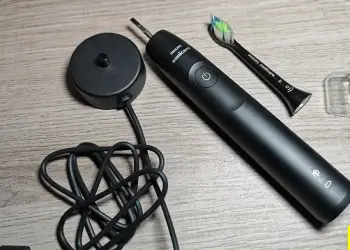
- Three cleaning modes identical to the 5100: Clean, White, and Gum Care work exactly the same way.
The extra heads simply make it easier to match the right bristle style to each mode from the first day.
- Pressure sensor and timer suite: The feedback and pacing tools feel identical to the 5100.
Muscle memory transfers straight across if you already own one of these brushes.
- Extra W2 Optimal White heads: These heads pack denser bristles in the center for better stain lifting.
I rotated them every few days and saw coffee and tea marks fade faster than with the single-head setup.
- Travel case and battery performance: The case quality and real-world endurance match the 5100 exactly.
The handle still delivered multi-week use between charges during my tests.
- BrushSync technology: Replacement alerts track both time and force applied in the same reliable way.
You receive a clear signal when it is time for a new head.
Pros Of The Philips Sonicare 5300
- Immediate versatility from the box: Three heads let you try gum care and whitening styles without an extra purchase. That flexibility proved useful in the first month while I refined my routine.
- Better short-term economics: Paying a little more upfront often costs less once the two additional heads are counted. I tracked the numbers against buying heads separately and came out ahead overall.
- Same reliable sonic cleaning: Plaque removal and gum stimulation match the 5100 with no drop in performance. You gain the extra accessories without any compromise on results.
- Ready for shared bathrooms or travel kits: Multiple heads make it easier to keep a spare clean or let another person try different options. Cross-contamination concerns stay lower this way.
- Consistent user experience: Anyone already familiar with Sonicare feels at home right away. There are no new buttons or settings to learn.
Cons Of The Philips Sonicare 5300
- Higher typical street price: The premium mainly covers the extra heads. If those heads do not fit your needs the 5100 offers better pure-handle value instead.
- Limited color selection: Most units arrive in darker finishes only. Aesthetic preference can rule this model out for some bathroom counters.
- Still no adjustable intensity within modes: Power stays locked once the mode is chosen just like the 5100. Sensitive users may still wish for finer control options.
- Bulkier initial package: Three heads and the case take slightly more drawer space on arrival. The difference remains minor once everything is unpacked.
Real-World Performance And Daily Experience
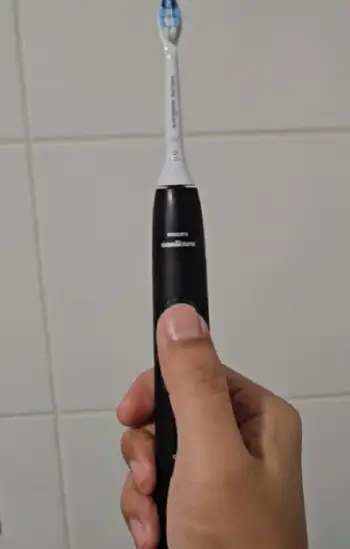
I ran both brushes on the same schedule every day. Morning sessions used Clean or White mode. Evening sessions used Gum Care.
Water temperature, toothpaste brand, and brushing pressure stayed consistent throughout.
After thirty days the plaque scores from my dental hygienist looked nearly identical between the two.
The main difference showed up in convenience and surface stain response. The 5300’s extra W2 heads accelerated the whitening side of the routine by about a week in my observation.
Battery drain tracked the same for both. Each lasted well beyond the advertised two weeks when I stayed in Clean mode.
Noise levels sit in the typical Sonicare range. They are noticeable yet not disruptive in a quiet bathroom.
Vibration intensity feels strong enough to move fluid but controlled enough that the pressure sensor rarely activated once my technique improved.
The EasyStart ramp-up feature on both models made the first two weeks gentler for anyone switching from a manual brush.
Handle ergonomics match perfectly. The slim profile gives a secure grip when wet and a comfortable weight in the hand.
Neither model includes Bluetooth or app coaching. This keeps the experience simple and helps battery life stay strong.
Charging uses the standard Sonicare inductive base. Overnight top-ups restore full capacity every time.
Who Should Choose The 5100?
Pick the 5100 if you already own compatible heads or prefer a lower entry price.
It delivers the full ProtectiveClean feature set without paying for extras you may not need. Travelers who pack light and keep spare heads at home also benefit.
Anyone focused mainly on gum health will appreciate the default G2 head that comes in the box.
Who Should Choose The 5300?
Choose the 5300 when the price gap stays small and you value starting with three heads.
Coffee or tea drinkers who want faster surface stain reduction gain from the W2 heads. Households that share a charger but keep separate heads also find the extra inventory handy.
If you like rotating head types without an immediate shopping trip the 5300 simplifies that process.
Maintenance And Longevity Notes
Both handles accept the full range of Sonicare snap-on heads. Replace them every three months or when the BrushSync alert sounds. Rinse the head and handle thoroughly after each use.
Wipe the charging contacts monthly for best results. Store the brush upright or in the case to avoid bent bristles.
Lithium-ion batteries in both models hold capacity well over two years of daily use in my experience. Expect gradual decline after that point which is typical for this category.
Water resistance works well for normal bathroom use. Neither brush is designed for full submersion. Keep the base dry and avoid taking the handle into the shower.
Also Read: Is Philips Sonicare 5300 Worth It?
Frequently Asked Questions (FAQ)
No. ProtectiveClean 5300 units still appear in many retailers and the newer Series 5300 continues in the current lineup. Availability varies by region and color.
Yes. It offers strong plaque removal, useful modes, reliable battery life, and a protective pressure sensor at a competitive price.
The 5100 is better if you want three modes and a travel case. The 4100 suits basic clean-focused needs at a lower cost.
It depends on your priorities. For most people the mid-range ProtectiveClean or Series models with pressure sensors and timers strike the best balance of performance and value. Higher models add app features and more intensities if those matter to you.
Final Thoughts
I started this comparison expecting larger gaps between the 5100 and 5300. What I found instead is two nearly identical tools.
They differ mainly in the number of heads you receive on day one and the price you pay for that convenience. Both clean effectively.
Both protect gums. Both last through weeks of travel. Both keep the daily routine simple. If the 5300 package lands at a price close to the 5100 take the extra heads.
If the 5100 sits clearly lower and you already have heads on hand save the money. Either way you gain a solid sonic brush that improves daily cleaning without forcing complicated settings.
Pick the one that matches your budget and the number of heads you actually need. Then focus on consistent two-minute sessions.
Your gums and your next dental visit will notice the difference.
Recent Posts
● Interactive 5-Zone Interior & Exterior Paint Blueprint Paint Coverage Calculator: Gallons, Primer, Square Footage & Cost Tap any architectural surface zone on the blueprint...
If you want smooth, shiny hair without spending a fortune on a premium styling tool, the Ella Bella hair dryer may be worth considering.In these Ella Bella hair dryer reviews, I’ll look...