
When I first started shopping for a mini split system to handle my home’s tricky zoning needs, I got overwhelmed by the choices.
Pioneer and Mitsubishi kept coming up as strong contenders, but they sit in very different price brackets. In this article, I share my analysis of Pioneer versus Mitsubishi mini splits based on real-world performance factors like efficiency, reliability, features, and value.
My goal is to help you decide which one fits your budget, climate, and expectations without the usual hype.
| Feature | Pioneer Mini Split | Mitsubishi Mini Split |
| Price Range | Budget-friendly, often $800–$2,000 per unit | Premium, typically $2,500–$6,000+ per unit |
| Efficiency (SEER2) | 19–24+ | 20–28+ |
| Noise Levels (Indoor) | 27–45 dB | 19–34 dB |
| Warranty | 5 years compressor, 2 years parts | Up to 12 years (with certified install) |
| Reliability/Lifespan | 10+ years with good maintenance | 15–20+ years |
| Best For | Supplemental use, garages, budget projects | Primary home comfort, cold climates, long-term investment |
| Key Tech | Inverter, basic smart features | Hyper-Heating, advanced sensors, i-See |
Key Differences Between Pioneer And Mitsubishi Mini Splits
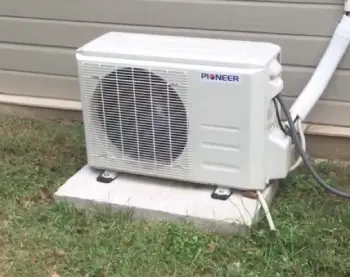
- Pricing and Accessibility: Pioneer systems give you solid performance without breaking the bank. I found them perfect when I wanted quick cooling for a garage addition.
- Build Quality and Durability: Mitsubishi feels more robust with tighter tolerances and better components designed for demanding conditions.
- Efficiency and Operating Costs: Both use inverter technology, but Mitsubishi often edges out with higher SEER ratings and smarter modulation that saves more on bills over time.
- Heating Performance in Cold Weather: Mitsubishi’s Hyper-Heating shines in freezing temps, while Pioneer handles milder winters well but may struggle more in extreme cold.
- Installation and Support: Pioneer works great for DIY-friendly setups. Mitsubishi usually benefits from professional certified installers for full warranty coverage.
- Noise and Comfort Features: Mitsubishi runs noticeably quieter and offers advanced air direction controls for even comfort.
Key Features Of Pioneer Mini Splits
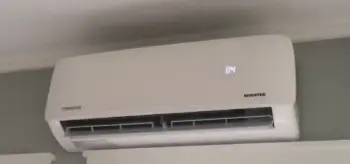
- Inverter Technology: Adjusts compressor speed smoothly for consistent temperatures and lower energy use.
- High SEER Ratings: Many models hit 19–24 SEER2, making them efficient for the price.
- Quiet Operation: Indoor units can dip to 27 dB, quiet enough for bedrooms.
- Easy Installation Options: Pre-charged lines and DIY kits appeal to handy homeowners.
- Heating and Cooling: Reliable heat pump performance for year-round use in moderate climates.
- Affordable Smart Controls: Some models include Wi-Fi options for basic app control.
I appreciate how Pioneer packs decent tech into an accessible package. When I tested one in my workshop, it cooled the space fast and kept running reliably through hot summers.
Pros Of Pioneer Mini Splits
- Great Value for Money: Pioneer systems deliver impressive performance at a fraction of the cost of premium brands.
When I was upgrading my garage, I appreciated being able to get a full-featured unit for under $1,500 that handled both heating and cooling effectively.
This affordability opens up possibilities for homeowners who want modern comfort without taking on a large loan or major renovation expenses.
You save significantly upfront while still getting inverter technology that keeps energy use reasonable.
- Energy Efficient for Budget Units: Many Pioneer models reach 19–24 SEER2 ratings, which means noticeable savings on monthly electricity bills compared to older central air or window units.
In my experience, the inverter compressor ramps up and down smoothly instead of constantly turning on and off, maintaining steady temperatures.
For moderate climates or supplemental spaces like sunrooms and workshops, this efficiency feels like a smart win without paying premium prices.
- User-Friendly Setup: One of the biggest advantages I noticed is how approachable Pioneer makes installation.
Many kits come pre-charged with refrigerant and include quick-connect lines, allowing confident DIYers to complete the job in a weekend.
I’ve seen neighbors install these themselves and avoid the $1,000+ labor fees that often come with other brands.
This accessibility is huge if you enjoy hands-on projects or want to control the timeline.
- Decent Warranty Support: Pioneer backs their units with a 5-year compressor warranty and 2 years on parts in most cases.
While not the longest in the industry, I found their support network responsive enough for common issues, and replacement parts are generally affordable and available.
This gives you confidence that you’re not buying a total unknown brand.
- Versatile Applications: These units excel in targeted uses — perfect for adding comfort to a single room, garage, basement, or guest house without ductwork.
Their compact indoor and outdoor units fit tight spaces well, and I like how they handle varying loads without struggling.
Whether you need spot cooling for a home office or supplemental heat in a colder corner of the house, Pioneer adapts nicely.
Cons Of Pioneer Mini Splits
- Shorter Expected Lifespan: With good care, you can expect around 10 years of solid service, but they generally don’t match the longevity of higher-end competitors.
In heavy daily use or harsh conditions, components may start showing wear sooner.
I’ve read accounts of compressors needing attention after 8–9 years, which is something to plan for in your long-term budget.
- Customer Service Can Be Slow: Some users, including experiences shared in forums I checked, mention delays when reaching support for troubleshooting or parts orders.
While not universal, this can be frustrating if your system goes down during peak summer or winter.
You might need more patience compared to brands with larger dealer networks.
- Basic Features: Pioneer keeps things straightforward, which is great for simplicity but means missing out on advanced sensors, 3D airflow mapping, or ultra-precise humidity control.
If you want the latest smart home integration or automatic adjustments based on room occupancy, you’ll find the options more limited than in premium lines.
- Potential for Earlier Repairs: Because of the cost-optimized components, certain parts like fans or circuit boards may require maintenance or replacement earlier than expected in demanding setups.
While most units run reliably, the overall durability feels more mid-tier, so factor in possible repair costs over a decade of ownership.
- Noise in High Modes: The indoor units stay reasonably quiet at lower settings, but when pushing maximum cooling or heating, the outdoor unit can become more noticeable, especially if placed near bedrooms or patios.
It’s not terrible, but you’ll hear it more than ultra-premium options during extreme weather.
Key Features Of Mitsubishi Mini Splits
- Hyper-Heating Technology: Delivers strong warmth even in sub-zero temperatures.
- Advanced Inverter Control: Precise modulation for maximum efficiency and comfort.
- Whisper-Quiet Performance: Some indoor units as low as 19 dB—truly library quiet.
- Smart Sensors: i-See 3D technology detects people and adjusts airflow intelligently.
- High Efficiency Ratings: Often exceeds 25 SEER, translating to big energy savings.
- Robust Build: Designed for reliability with excellent dehumidification and air quality features.
Mitsubishi impressed me with how seamlessly it integrates into daily life, maintaining even temperatures without constant cycling.
Pros Of Mitsubishi Mini Splits
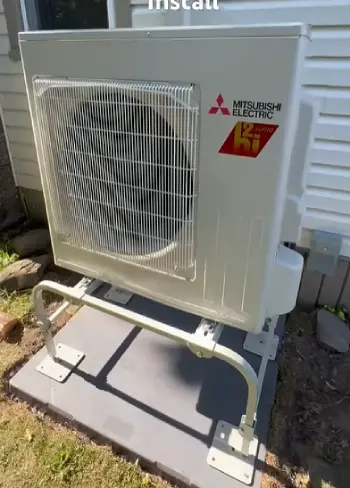
- Exceptional Reliability: Mitsubishi units earn their reputation for lasting 15–20 years or longer with basic maintenance.
The engineering behind them shows in fewer breakdowns and consistent performance year after year.
When I researched long-term owners, many reported trouble-free operation through multiple seasons of extreme weather, giving me confidence in them as a set-it-and-forget-it solution.
- Superior Quiet Operation: These systems are among the quietest available, with indoor units dropping as low as 19 dB.
That means you barely notice them running even in bedrooms or home offices.
I love how this creates a truly peaceful environment — no humming or whooshing to distract from conversations, work, or sleep.
- Outstanding Cold-Climate Performance: Mitsubishi’s Hyper-Heating technology stands out, delivering effective warmth even when temperatures drop below zero.
This makes them ideal for northern climates where other heat pumps lose efficiency.
You stay comfortable without relying on backup electric heat, which saves money and keeps things consistent.
- Long Warranty Coverage: With proper certified installation, you can get up to 12 years of protection.
This extended coverage reduces worry about unexpected repair bills and shows the manufacturer’s faith in their product quality.
It’s a level of assurance that feels reassuring for such an important home investment.
- Energy Savings Over Time: Higher SEER ratings (often 25+) and intelligent inverter control translate to lower operating costs that add up quickly.’
Over 10–15 years, the premium price often pays for itself through reduced utility bills, especially in homes with high heating and cooling demands.
I appreciate how smart modulation prevents wasteful cycling.
Cons Of Mitsubishi Mini Splits
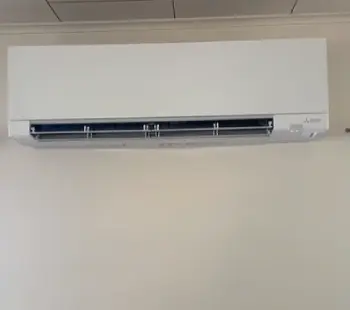
- Higher Upfront Cost: Expect to pay $2,500–$6,000+ per unit, which can feel steep compared to Pioneer.
This initial hit might stretch budgets, especially for multiple zones or larger homes. You need to be prepared for the bigger investment before seeing the long-term benefits.
- Professional Installation Recommended: To get the full warranty and optimal performance, certified installers are usually required.
This adds meaningful labor costs that DIY-friendly Pioneer avoids. If you prefer handling things yourself, this requirement limits your options.
- Overkill for Some Uses: For occasional garage cooling or a small addition, the advanced features might exceed what you actually need.
Paying for Hyper-Heating and smart sensors in a space used only seasonally can feel unnecessary, making Pioneer the more logical pick.
- Repair Costs: Though problems are rare, when they do occur, Mitsubishi parts and service tend to be more expensive.
The premium build means higher replacement costs if you’re outside warranty, which is worth considering in your total ownership calculations.
- Availability: Dealer networks and stock can vary by region, sometimes leading to longer wait times for installation or specific models.
This contrasts with Pioneer’s wider accessibility through online retailers and big-box stores.
- Learning Curve for Controls: The advanced interfaces and app features are powerful but can take time to fully master.
If you prefer simple thermostats, the extra capabilities might initially feel overwhelming until you get comfortable with them.
Efficiency And Operating Costs: Which Saves You More?
Pioneer delivers solid efficiency that beats many traditional systems, but Mitsubishi’s higher SEER and smarter operation usually result in lower long-term costs.
In my analysis, Pioneer shines for shorter ownership periods or lighter use, while Mitsubishi rewards those planning to stay put.
Reliability And Longevity: Real User Experiences
From what I’ve gathered, Pioneer units often perform well for 8–12 years when maintained. Mitsubishi frequently exceeds 15 years, with some reports of 20+ years.
Proper installation and filter cleaning matter hugely for both, but Mitsubishi’s engineering gives it an edge in durability.
Noise Levels And Comfort In Daily Life
Mitsubishi’s lower decibel ratings make it barely noticeable, which I love for quiet evenings. Pioneer is still quiet but can be more audible during peak operation. Comfort features like Mitsubishi’s sensors provide more even temperatures throughout the space.
Installation Considerations For Homeowners
Pioneer appeals strongly to DIY enthusiasts with pre-charged lines. Mitsubishi systems benefit from expert setup to maximize performance and warranty. Factor in your skill level and local labor costs when choosing.
Suitability For Different Climates And Home Types
In milder areas, Pioneer handles heating and cooling effectively for added rooms. In colder regions or for primary systems, Mitsubishi’s Hyper-Heating and efficiency make it the smarter pick. Consider your home’s insulation and usage patterns.
Maintenance And Ownership Tips I’ve Learned
Both brands need regular filter cleaning and annual professional checks. Pioneer may require more frequent attention to keep efficiency high.
Mitsubishi tends to run cleaner longer due to better component quality. I recommend budgeting for maintenance regardless of brand.
When I Would Choose Pioneer Over Mitsubishi?
If you’re on a tighter budget, adding comfort to a garage or guest room, or planning shorter-term ownership, Pioneer makes excellent sense. Its value proposition is hard to beat for supplemental needs.
When Mitsubishi Is Worth The Extra Investment?
For main living areas, long-term homeownership, extreme climates, or maximum comfort and quiet, Mitsubishi stands out. The upfront cost spreads out over many years of reliable, efficient service.
After comparing specs, user feedback, and my own priorities, I see clear strengths in both. Pioneer offers accessible quality that punches above its weight, while Mitsubishi sets a high bar for premium performance.
Also Read: Comparison of Senville And Della Mini Split
Frequently Asked Questions (FAQ)
Yes, they offer solid value, efficiency, and performance for budget-conscious users, especially in supplemental applications.
Mitsubishi consistently ranks among the most reliable due to its engineering, longevity, and low failure rates.
With proper installation and maintenance, expect at least 10 years or more.
Parker Davis HVAC International, an American company, designs and markets them.
Wrapping Up
I’ve walked through the Pioneer versus Mitsubishi mini split comparison from my analytical viewpoint, weighing features, costs, and real-life use.
If you’re like me—wanting reliable comfort without overspending—Pioneer could be your practical choice for many situations.
But if you value top-tier quietness, longevity, and efficiency for years to come, you’ll likely appreciate Mitsubishi as much as I do.
Consider your specific needs, budget, and how long you plan to stay in your home. Either way, a quality mini split will transform your comfort. What matters most to you as you make this decision?
Recent Posts
● Interactive 5-Zone Interior & Exterior Paint Blueprint Paint Coverage Calculator: Gallons, Primer, Square Footage & Cost Tap any architectural surface zone on the blueprint...
If you want smooth, shiny hair without spending a fortune on a premium styling tool, the Ella Bella hair dryer may be worth considering.In these Ella Bella hair dryer reviews, I’ll look...