
I have spent years testing and living with both plastic and stainless steel tub dishwashers in real kitchens. I tracked how they handle daily loads, hard water, and the occasional forgotten pizza pan. My goal here is simple.
I want to give you a clear, experience-based breakdown so you can decide which tub material actually fits your household without the usual marketing fog.
| Aspect | Plastic Tub | Stainless Steel Tub |
| Durability | Moderate, can stain or crack over time | High, resists dents, stains, odors |
| Noise Level | Higher, less sound dampening | Lower, better vibration absorption |
| Drying Performance | Average, relies more on heated dry | Stronger, retains heat longer |
| Stain & Odor Resistance | Can absorb smells and discolor | Excellent, easy to wipe clean |
| Upfront Cost | Lower | Higher |
| Weight & Installation | Lighter, simpler | Heavier, more stable |
| Longevity | 5–8 years typical | 10–15+ years common |
| Heat Retention | Poor | Excellent |
| Aesthetic Appeal | Functional | Premium look |
| Maintenance Needs | Higher for odors | Minimal |
Key Differences Between Plastic And Stainless Steel Tubs
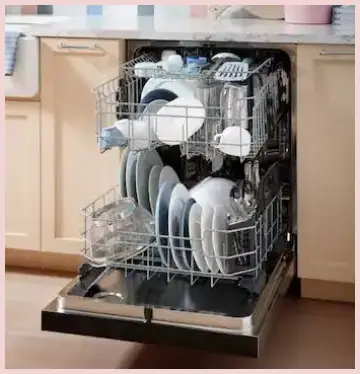
- Material composition and structure: Plastic tubs use molded polypropylene formed into one shell.
Stainless steel tubs rely on formed metal sheets that are welded into a rigid box. The plastic version flexes slightly under load while the metal stays firm.
- Heat behavior during and after the cycle: Plastic loses heat quickly once the wash ends.
Stainless holds residual heat that keeps evaporating water from dishes long after the element shuts off.
That difference changes drying results more than most people expect.
- Sound transmission through the cabinet: Plastic passes vibration from the pump and spray arms into the floor and walls.
Stainless absorbs those frequencies so the same motor sounds quieter from the next room.
- Surface reaction to food soils and hard water: Plastic can trap oils and mineral deposits in tiny pores over time.
Stainless presents a smooth face that releases soils more readily and resists etching from detergents.
- Long-term structural integrity under daily stress: Plastic may develop hairline cracks near mounting points or the door seal after several years.
Stainless keeps its shape and seal alignment far longer under repeated heating and cooling.
Also Read: Comparison Of Bosch And LG Dishwasher
Key Features Of Plastic Tub Dishwashers
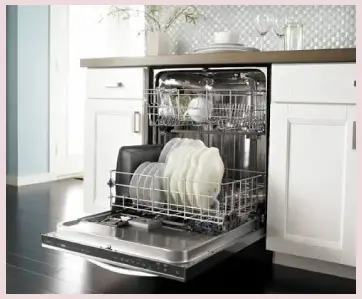
- Lower manufacturing cost that reaches the buyer: The molded tub keeps the overall machine price down.
This helps if you replace appliances every seven or eight years.
- Lighter overall unit weight for easier moves: Two people can shift it into a tight kitchen space without scratching floors or cabinets.
Installation feels simpler on many models.
- Decent thermal insulation during the active wash: Certain plastic formulas hold wash temperature well enough while the cycle runs.
They give the heat up fast once the water stops circulating.
- Resistance to minor dents from dropped utensils: A metal spoon that falls hard rarely damages the plastic surface.
The softer walls absorb impact better than thin metal.
Simpler repair access on many entry-level units: Technicians can sometimes replace panels without full disassembly.
The single molded piece reduces the number of seams that need sealing.
Pros Of Plastic Tub Dishwashers
- Affordability that fits tighter budgets: You can often add a higher cycle count or better rack design while staying under a price that stainless models exceed. The savings appear right at purchase.
- Adequate results for light to moderate daily loads: Households that run mostly plates, glasses, and light soils get clean dishes without drama for the first several years. Performance holds steady under normal use.
- Reduced chance of sharp-edge damage to delicate pieces: Softer walls mean fewer chips on thin glass if something shifts during the wash. Fragile items feel safer inside the tub.
- Slightly faster warm-up on short cycles: Less mass needs heating so the water reaches temperature a bit quicker. Quick wash programs benefit from this trait.
- Wider availability in compact and apartment units: Manufacturers still favor plastic when space and weight limits dominate the design. Small kitchens have more choices in this category.
Cons Of Plastic Tub Dishwashers
- Gradual odor retention that lingers: The surface absorbs residual food smells that rinse aid cannot fully remove. Garlic-heavy weeks left a noticeable scent in my first plastic model.
- Visible staining that fades but never vanishes: Coffee, curry, and tomato residues leave ghost marks. Bleach cycles lighten them yet the shadows remain.
- Weaker drying on plastics and silicone items: The tub cools rapidly so these pieces come out damp more often. Extra towel work or a longer heated-dry cycle becomes routine.
- Potential warping near high-heat zones over time: Prolonged sanitize or high-temp programs can soften mounting points. Door alignment may shift after years of heavy use.
- Shorter expected service life under frequent runs: Families that run two loads a day often see the tub or seals fail before the pump or electronics. Replacement arrives sooner than planned.
Key Features Of Stainless Steel Tub Dishwashers
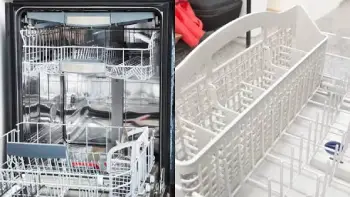
- Superior residual heat that aids passive drying: After the final rinse the metal walls stay warm.
They pull moisture off glassware and plastics more effectively than heated dry alone.
- Built-in noise reduction without extra packs: The density of the steel cuts higher-frequency pump noise that plastic lets through.
Open-plan kitchens benefit the most from this quiet.
- Strong resistance to discoloration from common soils: Tomato sauces, coffee, and hard-water minerals leave almost no permanent marks.
I have run the same stainless tub for over a decade with no lasting stains.
- Structural rigidity that protects the door seal: The tub does not flex when the door is closed hard or when the racks are loaded unevenly.
Leaks stay rare for years.
- Higher perceived quality and resale value: Buyers notice the metal interior at once.
When I sold a previous kitchen set the stainless model drew more interest than the plastic ones beside it.
Pros Of Stainless Steel Tub Dishwashers
- Consistent drying across mixed load types: Glasses, plastics, and thick cookware leave the machine drier. Residual heat keeps working after the cycle ends and cuts the need for full heated dry.
- Quieter operation that suits open living spaces: The difference is clear when the machine runs during conversation or while someone works nearby. Evening noise stays in the background.
- Long-term resistance to hard water and detergent effects: The surface stays bright and smooth so spray arms and sensors stay clearer. Scale builds up more slowly on the metal.
- Better support for heavy cookware loads: Full racks of cast iron or dense ceramic do not stress the walls the way they can stress plastic. The structure holds firm cycle after cycle.
- Greater confidence in long ownership periods: I treat a stainless tub as a ten-to-fifteen-year appliance. That shift changes the real cost per year in a positive direction.
Cons Of Stainless Steel Tub Dishwashers
- Higher purchase price that stretches some budgets: The premium is real and may force trade-offs on other features such as a third rack. Remodel plans sometimes need adjustment.
- Greater weight that complicates DIY placement: Moving the unit usually needs two strong people and careful floor protection. Solo installation feels harder.
- More visible water spotting if rinse aid runs low: The smooth metal shows mineral deposits clearly until the dosage is correct. Regular checks prevent the issue.
- Slightly longer heat-up on the first cycle of the day: Extra mass takes a bit more energy to reach temperature. Modern efficient models keep the gap small.
- Cosmetic scratches from careless loading habits: Dropped utensils can leave marks that are harmless yet noticeable. Owners who want a pristine interior notice them quickly.
Also Read: Comparison Of Cascade Complete And Platinum
Performance In Everyday Kitchen Conditions
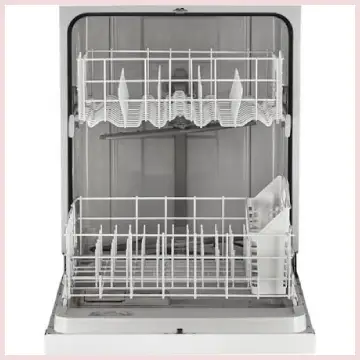
I track cycle results the same way I track coffee strength. I look at what actually comes out clean and dry. Stainless tubs pull ahead on mixed loads that include plastics and thick cookware.
The residual heat continues working after the machine stops so I open the door to steam rather than standing water.
Plastic tubs need the heated-dry option more often. That choice adds both time and energy use.
Noise matters more than the numbers on a specification sheet admit. In a small apartment the plastic model I once owned forced me to schedule runs for times when I left the house.
The stainless replacement runs during dinner without stopping conversation. That single quality-of-life change is hard to measure until you live with both.
Hard water reveals another clear gap. Plastic eventually develops a cloudy film that no vinegar rinse fully clears.
Stainless shows the same minerals as temporary spots that wipe away with a microfiber cloth. Over years the difference grows into fewer deep cleans and fewer service calls for clogged sensors.
Cost Reality Over Time
Upfront cost favors plastic. Over a decade the numbers often reverse. A stainless machine that lasts twelve years and needs only ordinary detergent and rinse aid costs less per year than a plastic unit replaced at year seven.
The extra energy from repeated heated-dry cycles on plastic adds to that gap. I stopped counting only the sticker price after my second plastic tub failed under warranty but outside the easy-return window.
Energy use stays close between the two if you avoid heated dry on the stainless model. When plastic forces that option more often the annual difference appears on the utility bill. Water consumption remains nearly identical because the tub material itself does not change fill volumes.
Longevity And Real Maintenance Habits
Stainless rewards lighter maintenance better than plastic. I can stretch the time between filter cleans and still get acceptable results because soils release more easily.
Plastic demands stricter habits. Weekly filter checks, occasional baking-soda soaks, and careful avoidance of prolonged high-heat programs become necessary. Skip those steps and odors return faster.
Door seals last longer on rigid stainless frames. Plastic tubs can shift enough over time that the seal no longer seats evenly. Slow leaks then damage cabinets before you notice them. I have replaced more seals on plastic machines than on stainless ones.
Choosing Based On Household Patterns
If you cook simply, run one load most days, and replace appliances on a shorter cycle, plastic still makes sense.
The savings at purchase can fund better racks or a quieter motor package. If you run the machine hard, value quiet evenings, dislike damp plastics, and plan to keep the unit a decade or more, stainless pays for itself in both performance and peace of mind.
I lean stainless for most full-size kitchens now. The combination of drying power, lower noise, and longer life outweighs the higher entry cost once the machine is installed.
Plastic remains useful for rentals, secondary kitchens, or tight budgets where the ownership horizon is short.
Also Read: Comparison Of Kirkland Ultrashine And Cascade
Frequently Asked Questions (FAQ)
Avoid the cheapest plastic-tub models that lack a proper soil sensor and force every cycle into heated dry. They cost more in energy and fail earlier than expected.
Some stainless items, especially those with decorative finishes or certain alloys, can discolor or pit from high heat and harsh detergents. Always check the manufacturer marking first.
Stainless offers better drying, quieter operation, and longer life at higher cost. Plastic is cheaper and lighter but stains more easily, retains odors, and dries less effectively.
Stainless steel remains the strongest overall choice for durability, hygiene, and everyday performance across typical household use.
Wrapping Up
I started this comparison because I was tired of replacing machines that looked fine on the outside while the interior quietly degraded.
After living with both materials under real cooking loads the pattern is clear. Stainless steel tubs deliver better daily results and last longer. Plastic tubs serve well when budget and short ownership are the main priorities.
You now have the side-by-side details to match the machine to your actual kitchen life instead of brochure claims.
Choose the tub that fits how you cook and how long you plan to keep the appliance. The rest of the features will matter far less once that decision is settled.
Recent Posts
I spent weeks comparing GAF and CertainTeed shingles for my own roof replacement because I wanted a clear, practical answer on which one actually delivers better long-term value, durability, and...
Burrow Span Sleeper Sofa Reviews: Is This Modern Sleeper Sofa Worth Buying?
If you want a stylish sofa that can transform into an extra sleeping space without making your living room feel crowded, the Burrow Span Sleeper Sofa deserves your attention.I like its modern...