
I wrote this article because I kept seeing the same question from homeowners and DIYers: which subfloor material actually performs better in real houses, plywood or OSB? After installing both on dozens of jobs, dealing with moisture problems, squeaks, and long-term wear, I want to walk you through the practical differences so you can pick the right one for your project without guessing.
| Feature | Plywood Subfloor | OSB Subfloor |
| Composition | Cross-laminated wood veneers | Compressed wood strands with resin |
| Typical Thickness | ¾ inch or 23/32 inch | ¾ inch or 23/32 inch |
| Cost per Sheet | Higher (often 20-40% more) | Lower |
| Strength Direction | Strong across and along grain | Stronger along the long axis |
| Moisture Resistance | Better when wet, recovers more evenly | Swells more at edges if soaked |
| Weight | Lighter in most grades | Slightly heavier |
| Surface Smoothness | Smoother, fewer voids | Can have more surface texture |
| Code Acceptance | Fully accepted in most jurisdictions | Fully accepted and widely used |
| Long-term Squeak Risk | Lower if properly fastened | Can be higher if edges swell |
| Availability | Good, but varies by region | Excellent and consistent |
Understanding The Two Materials From A Builder’s Perspective
I have ripped out both plywood and OSB subfloors that failed for different reasons. Plywood is made by gluing thin sheets of wood veneer at right angles to one another.
That cross-grain construction gives it balanced strength. OSB, or oriented strand board, starts as wood strands coated in resin and wax, then pressed into large sheets under heat and pressure.
The strands are arranged in layers that run in specific directions, which is why the board behaves differently along its length than across its width.
Both products come in structural grades rated for floor use. You will usually see ¾-inch or 23/32-inch panels stamped with span ratings such as 24/16.
That number tells you the maximum joist spacing they can handle when the long edge runs across the joists. I always check the stamp before I buy.
A panel without a clear span rating does not belong under a finished floor.
Key Differences Between Plywood And OSB Subfloors
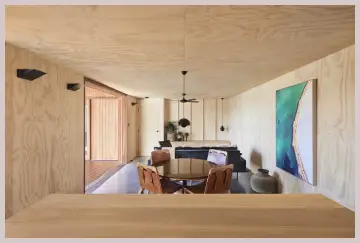
- Moisture behavior: Plywood absorbs water more slowly at the edges and returns closer to original thickness after drying.
OSB can swell significantly at the edges if water sits on it and the swelling is harder to reverse.
- Cost structure: OSB almost always costs less per sheet and the gap widens with full truckloads.
plywood’s higher price reflects the labor of peeling and grading veneers.
- Strength orientation: Plywood stays closer to equal strength in every direction, but OSB is engineered to be stronger in one direction so panel orientation on the joists matters more.
- Surface quality for finished flooring: Plywood usually needs less preparation before vinyl, laminate, or engineered wood goes down.
OSB sometimes requires a thin underlayment or careful sanding of high spots.
- Long-term edge integrity: On jobs where the subfloor saw repeated wetting and drying cycles, I have seen OSB edges soften and compress under fasteners more than plywood edges.
- Weight and handling: Plywood is generally lighter, which reduces fatigue during installation and makes single-person handling safer on upper floors.
- Code and inspection familiarity: Both materials meet the same structural codes when properly graded, and inspectors rarely question either if the span rating and installation method are correct.
Key Features Of Plywood For Subfloors
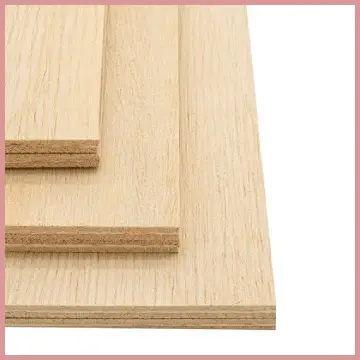
- Cross-laminated veneer construction: This layered design gives plywood consistent strength in both directions and creates a more even feel underfoot
I walk across a finished installation.
- Smoother face surface: The outer veneers stay tighter and less textured, so underlayment and finished flooring sit flatter with fewer high spots that need sanding or shimming.
- Better dimensional recovery after wetting: When a plywood panel gets wet and later dries, it returns closer to its original thickness than OSB, which I have measured on jobs that sat through rain delays.
- Lighter weight in comparable grades: Carrying plywood sheets up stairs feels noticeably easier on the shoulders, and that difference adds up over a full day of installation.
- Predictable fastener holding: Screws and nails bite cleanly into the veneers, so I rarely see the edge crushing that sometimes happens with OSB when fasteners are over-driven near the panel edge.
Pros Of Plywood As A Subfloor Material
- Superior performance in wet or humid conditions: I prefer plywood in bathrooms, laundry rooms, or any area where plumbing leaks are possible because the material tolerates occasional water exposure without permanent thickness gain.
- Reduced risk of edge swelling that leads to floor squeaks: When OSB edges swell and later get compressed by fasteners or adjacent panels, the resulting movement creates noise, but plywood is less prone to that cycle.
- Cleaner surface for direct-laid flooring: Many thin finished floors show every imperfection in the subfloor, and plywood’s smoother face reduces the need for extra underlayment layers.
- Better long-term dimensional stability: In climate zones with large seasonal humidity swings, plywood moves less overall and that stability helps keep tile and hardwood from cracking or gapping.
- Easier repairs when damage occurs: Cutting out a damaged section of plywood and patching it usually produces a cleaner, stronger repair than the same work on OSB.
Cons Of Plywood As A Subfloor Material
- Higher purchase price: On a 2,000-square-foot house the material cost difference can reach several hundred dollars, and that matters on tight budgets.
- Potential for internal voids in lower grades: Not every plywood sheet is perfect, so I still inspect for voids near the edges before fastening, especially on cheaper stock.
- Slightly more variation between sheets: Thickness and flatness can differ more from one plywood manufacturer to another than with OSB, although consistent suppliers help reduce the problem.
- Heavier environmental footprint in some manufacturing processes: Veneer peeling generates more waste wood than strand production, even though modern mills recover most of it.
Key Features Of OSB For Subfloors
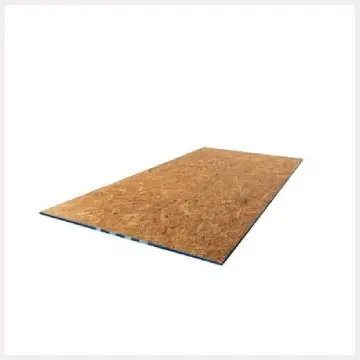
- Uniform density throughout the panel: OSB contains fewer internal voids than some lower-grade plywood, and that consistency shows up clearly.
I cut openings for plumbing or electrical boxes.
- Higher shear strength along the long axis: When the panels are oriented correctly on the joists, OSB handles lateral loads very well and meets the same structural expectations that building codes require.
- Lower material cost: On large projects the price difference can free up budget for better underlayment or sound-control layers, and I have used that savings more than once.
- Excellent availability and consistent sizing: OSB sheets arrive square and true more often than plywood in my experience, which reduces the time spent trimming edges to fit.
- Good resistance to concentrated loads when dry: Under normal household traffic and furniture, properly installed OSB carries the same loads as plywood of matching thickness without noticeable deflection.
Pros Of OSB As A Subfloor Material
- Significant cost savings on large projects: Builders choose OSB partly because the lower price improves the overall job budget without sacrificing code compliance.
- Consistent panel quality and sizing: I can order OSB and know the sheets will be the same thickness and square from the first to the last, and that predictability speeds layout.
- Strong performance under dry, normal use: In living rooms, bedrooms, and hallways that stay dry, OSB carries the same loads as plywood and shows comparable longevity.
- Good availability even during supply shortages: When plywood prices spike or lead times stretch, OSB usually remains on the shelf and that reliability keeps schedules intact.
- Effective shear resistance for structural floors: Oriented strands give OSB excellent racking resistance when the panels are installed with the correct orientation and fastening schedule.
Cons Of OSB As A Subfloor Material
- Greater edge swelling when exposed to water: Once the edges take on moisture they can expand enough to create ridges under the finished floor, and those ridges are difficult to flatten later.
- Higher potential for long-term squeaks in damp environments: Swollen edges that later dry and shrink can leave fasteners slightly loose, and the resulting movement produces noise that is hard to silence without major work.
- Rougher surface that may need extra preparation: Some finished flooring manufacturers recommend an underlayment over OSB for this reason, and that adds another material and labor cost.
- Slightly heavier panels: On multi-story work the extra weight shows up in labor time and fatigue, although two-person crews handle it fine while solo installers notice the difference.
- Less forgiveness if the floor gets wet during construction: Rain or plumbing leaks during the framing stage can permanently affect OSB more than plywood, so tarping and quick drying become more critical.
How Moisture Really Affects Each Material?
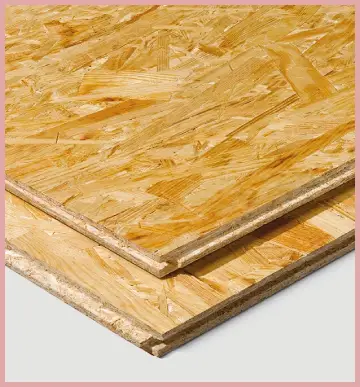
I have seen both materials sit through unexpected rain on open framing.
Plywood absorbs water across its surface and through the edges, but the cross-laminated structure limits how far the swelling travels.
Once the water is gone and the panels dry, most of the thickness returns. OSB, by contrast, pulls water into the strand edges rapidly.
The resin and wax help when the panel is intact, yet any cut edge or damaged surface becomes a highway for moisture.
The resulting swell can add 1/8 inch or more at the tongue-and-groove joints. That extra thickness creates a ridge that transmits through carpet, vinyl, and even some hardwoods.
In bathrooms I almost always specify plywood or a moisture-resistant underlayment over OSB.
The same rule applies near exterior doors and in laundry rooms. For dry living spaces the moisture difference matters less, and OSB performs adequately.
Cost Comparison Beyond The Sheet Price
The sticker price of OSB looks attractive, yet the total installed cost can narrow when you factor in extra underlayment, additional fasteners, or future repairs.
On one project I calculated that the savings from OSB were nearly erased by the cost of a ¼-inch underlayment layer required by the flooring manufacturer.
Plywood would have allowed direct installation. Labor is another factor. Plywood’s lighter weight and cleaner edges sometimes let a crew finish a floor faster, offsetting part of the material premium.
For budget-driven production housing, OSB still wins on pure material cost.
For custom homes or renovations where the owner plans to stay long-term, the extra investment in plywood often pays back through fewer callbacks and quieter floors.
Installation Practices That Matter For Both
Regardless of which material you choose, the installation details determine success more than the panel itself.
I always use the manufacturer’s recommended fastener schedule—usually 6 inches on edges and 12 inches in the field for ¾-inch panels on 16-inch joist spacing.
Construction adhesive applied in a continuous bead under each joist reduces squeaks dramatically.
Leaving a 1/8-inch gap at panel edges and against walls allows for expansion. Skipping that gap is one of the most common mistakes I see, and it leads to buckling later.
Tongue-and-groove edges help keep the surface flat, but only if the tongues are fully seated.
I drive the panels together with a block and hammer rather than relying on fasteners alone.
When I switch between plywood and OSB on the same job, I keep the fastening pattern identical so the floor behaves as one system.
Longevity And Real-World Performance
Both materials last decades when kept dry and properly supported. I have walked on 40-year-old plywood subfloors that still felt solid.
I have also walked on 25-year-old OSB that performed just as well in dry conditions. The difference appears when water enters the picture.
Homes with chronic plumbing issues or poor exterior drainage show more damage on OSB floors. Homes that stay dry show almost no difference in service life.
Squeaks develop for many reasons—loose fasteners, joist movement, or panel edge compression.
Plywood’s greater resistance to edge compression gives it a slight edge in long-term quietness, but only if the rest of the installation is done correctly.
A poorly fastened plywood floor will squeak just as loudly as a poorly fastened OSB floor.
Also Read: Comparison Of AdvanTech And Plywood Subfloor
Frequently Asked Questions (FAQ)
Use plywood if moisture is a concern; OSB works well in consistently dry areas and saves money.
Plywood offers better moisture recovery and surface quality, while OSB provides strength at lower cost. The best choice depends on water exposure and budget.
Builders choose OSB primarily for lower material cost and consistent availability while still meeting structural codes.
Plywood resists permanent swelling better and recovers more evenly after wetting than OSB.
Final Thoughts
I have installed enough of both materials to know that neither is universally superior. Plywood gives you a more forgiving surface and better behavior around water.
OSB gives you solid structural performance at a lower price when conditions stay dry. Your decision should rest on the specific risks in your house—moisture, budget, finished flooring type, and how long you plan to live with the result.
Measure those factors honestly, follow the fastening and spacing rules, and either material can deliver a quiet, stable floor that lasts.
Choose the one that matches the real conditions of your project rather than the loudest opinion you hear online, and you will end up with a subfloor that supports everything above it for decades.
Recent Posts
● Interactive 5-Zone Interior & Exterior Paint Blueprint Paint Coverage Calculator: Gallons, Primer, Square Footage & Cost Tap any architectural surface zone on the blueprint...
If you want smooth, shiny hair without spending a fortune on a premium styling tool, the Ella Bella hair dryer may be worth considering.In these Ella Bella hair dryer reviews, I’ll look...