
I have spent years working with drywall compounds on everything from small home repairs to full-room renovations, and the choice between ProForm Lite Blue and Plus 3 comes up constantly.
This article lays out a clear, practical comparison of the two so you can pick the right one for your project without guesswork.
| Feature | ProForm Lite Blue | Plus 3 (USG Sheetrock) |
| Weight | About 30% lighter than conventional | About 25% lighter than conventional |
| Primary Use | Finishing, topping, spotting, textures | Lightweight all-purpose coating and finishing |
| Shrinkage | Up to 33% less | Reduced compared to standard |
| Sanding | Very easy, clean | Easy, smooth |
| Adhesion for Taping | Moderate – better with standard first coat | Moderate – less bond than full all-purpose |
| Mold Resistance | Yes | Standard (varies by batch) |
| Consistency | Creamy, pulls smoothly | Soft, spreads easily |
| Common Package | 4.5-gallon carton or pail | 3.5–4.5 gallon pail / blue box |
| Best For | Second and third coats, metal beads, less shrinkage jobs | General coating, lighter work, DIY finishing |
Understanding The Two Compounds From A Real User Perspective
When I first started mudding walls I grabbed whatever was on the shelf.
That led to more sanding dust, more shrinkage cracks, and more second trips to the store than I care to admit.
ProForm Lite Blue and Plus 3 both promise lighter weight and easier work, yet they behave differently once the knife hits the board.
ProForm Lite Blue is a vinyl-based ready-mix lightweight compound from the ProForm line. It sits roughly 30 percent lighter than conventional joint compound.
The formula focuses on reduced shrinkage, smoother pull, and a finish with fewer pocks and pinholes. I use it most often for the second and third coats, covering corner bead, and spotting fasteners. It also works for light texture work.
Plus 3, the well-known blue-box lightweight from USG, markets itself as a lightweight all-purpose product. It weighs about 25 percent less than standard mud.
Contractors reach for it when they want one product that can handle coating and finishing without the full bulk of traditional all-purpose.
It spreads easily and sands with less effort than heavy green-lid compounds, yet many of us notice it feels softer and can scratch more readily under aggressive knife work.
Both products aim to cut the physical strain of hauling heavy buckets and the time spent sanding
The difference shows up in how they set, how hard the dried surface becomes, and how well they hold up under tape versus top-coat conditions.
Key Differences Between The ProForm Lite Blue And Plus 3
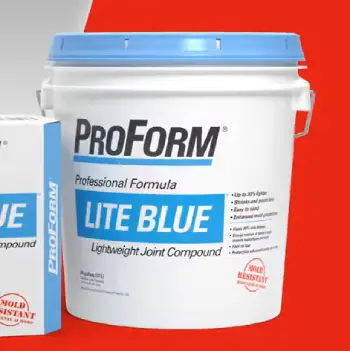
- Weight reduction percentage: Lite Blue claims a larger reduction around 30 percent versus Plus 3’s approximately 25 percent, and on a full day of work the extra few pounds saved per bucket add up.
- Hardness of the dried surface: Many users, including myself, find ProForm Lite Blue dries to a harder finish that resists scratching better when you cross flat-to-butt joints or sand aggressively, while Plus 3 often feels softer and can show marks more easily.
- Shrinkage control: Lite Blue advertises up to 33 percent less shrinkage, and in practice I see fewer hairline cracks over fasteners and seams compared with Plus 3 on the same wall.
- Ideal stage of the job: Lite Blue performs best after the tape is already embedded, whereas Plus 3 can stretch a bit further into general coating roles, though neither replaces a true all-purpose for the first tape coat in high-stress applications.
- Mold resistance and finish quality: Lite Blue includes mold resistance as a standard feature and produces fewer pocks, while Plus 3 focuses more on the lightweight all-purpose balance.
- Consistency under the knife: Lite Blue feels creamier and more controlled, and Plus 3 spreads with a softer, almost fluffy character that some prefer for quick coverage and others find less precise.
- Long-term surface durability under critical light: The harder film of Lite Blue holds up better when walls receive strong side lighting, reducing the chance of visible imperfections after painting.
Key Features Of ProForm Lite Blue
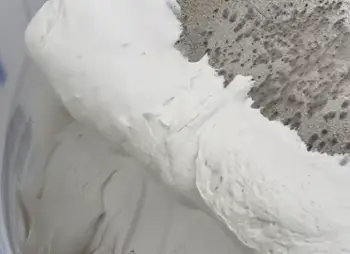
- Approximately 30 percent lighter than conventional ready-mix: The reduced weight makes a noticeable difference when you carry multiple buckets up stairs or across a job site, and my arms and back thank me on multi-day projects.
- Up to 33 percent less shrinkage: Fewer cracks appear as the compound dries, which means fewer touch-ups and a tighter final surface, especially over butt joints and fasteners.
- Easy pull and superior finish: The mud glides under the knife with less drag, and I see fewer air pockets and pinholes so the surface looks cleaner before sanding even begins.
- Covers metal corner bead in two coats: On many jobs I finish bead with only two passes instead of the usual three, and that saves both time and material.
- Mold-resistant formula: In humid basements or bathrooms this extra protection gives me peace of mind that the finished surface stays cleaner longer.
- Designed for finishing joints, spotting, and textures: It is not the strongest choice for the initial tape embed, but once the tape is set with a heavier compound, Lite Blue shines on the following coats.
Creamy workability that stays controlled: The compound levels nicely and resists running, so I waste less material fighting drag or unexpected air bubbles during application.
Pros Of ProForm Lite Blue
- Noticeably lighter buckets reduce physical strain: Carrying four or five cartons of Lite Blue feels easier than the same volume of standard mud, and over a week-long project that difference protects shoulders and lower back.
- Reduced shrinkage cuts down on callbacks: I spend less time filling cracks that appear days later, and the surface stays flatter, which is especially helpful under paint that highlights imperfections.
- Cleaner sanding and fewer surface defects: The compound sands with less effort and leaves fewer pinholes, so cleanup is faster and the final paint job looks smoother with less primer absorption variation.
- Strong performance on corner bead: Two coats usually cover metal bead cleanly, and that speed advantage adds up when a room has many outside corners.
- Mold resistance built in: In bathrooms, laundry rooms, or basements the extra protection is a quiet benefit that homeowners notice over time.
- Creamy workability that feels controlled: The mud stays where I put it and levels nicely under the knife, so I waste less material fighting drag or air bubbles.
- Reliable results on large open walls: The combination of low shrinkage and clean finish minimizes seams that show under window light or recessed fixtures.
Cons Of ProForm Lite Blue
- Not the strongest choice for initial tape embed: The lighter formula carries less adhesive strength than a full-weight all-purpose, so I still reach for standard or mid-weight mud for the first coat when maximum bond is critical.
- Availability can vary by region: Some stores stock it heavily while others push the more familiar blue-box brands, and planning ahead prevents last-minute substitutions.
- Slight learning curve on knife pressure: Because it pulls so easily, new users sometimes apply it too thin on the first pass, though a couple of practice strokes solve that quickly.
- Price can sit a bit higher than basic lightweight options in some markets: The performance gains usually justify the cost, yet budget-conscious buyers may notice the difference on large volumes.
- Requires a solid first coat for best overall results: Using it alone for the entire process can leave the tape bond weaker than a mixed-product approach.
Key Features Of Plus 3
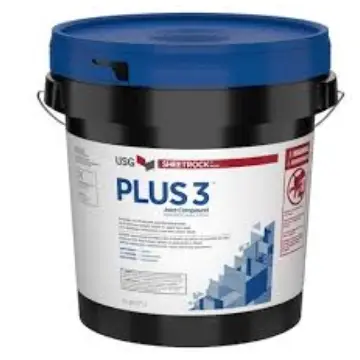
- Roughly 25 percent lighter than conventional compounds: The lighter pail still reduces fatigue compared with standard all-purpose, though the difference is slightly less dramatic than Lite Blue.
- Lightweight all-purpose performance: One product can handle coating and finishing in many situations, and DIY users often appreciate the simplicity of grabbing a single bucket.
- Smooth spreading and easy sanding: The soft consistency lets the knife move freely, and after drying the surface sands with less clogging and less pressure.
- Good bond for general coating work: It sticks well enough for second and third coats, though I still prefer a standard-weight compound when embedding paper tape for maximum adhesion.
- Widely available in blue boxes or pails: Most big-box stores stock it, so you rarely have to hunt for a specialty supplier.
- Formulated for reduced weight without extreme softness trade-offs in some batches: Performance can vary slightly by region and production run, but the overall feel remains consistent enough for everyday use.
- Familiar packaging that speeds job-site decisions: The recognizable blue box makes it easy to grab the right product quickly when time is limited.
Pros Of Plus 3
- True lightweight convenience in a familiar package: The blue box is easy to find and the reduced weight makes hauling simpler than standard all-purpose.
- Versatile enough for many coating and finishing steps: One product covers a wide range of tasks without forcing constant product changes on smaller jobs.
- Soft consistency that spreads quickly: Coverage goes fast, which helps when time is short or when working alone.
- Easy sanding that produces less fatigue: The dried surface yields readily under sandpaper or a sanding sponge, reducing arm strain during final prep.
- Reliable performance for everyday DIY and light professional work: Countless homes have been finished with Plus 3 without major issues when the product is used within its strengths.
- Simple one-bucket approach for quick repairs: Small patches and closet work move faster when you do not need to switch compounds mid-job.
Cons Of Plus 3
- Softer dried surface can scratch more easily: Aggressive knife work or heavy sanding sometimes leaves marks that require extra attention.
- Less aggressive shrinkage control than some dedicated lightweight formulas: On larger seams I occasionally see more settling than with Lite Blue under identical conditions.
- Adhesion for taping is only moderate: Like most lightweight products, it is not ideal as the sole compound for embedding tape in high-movement areas.
- Can feel overly soft for precise flat-to-butt transitions: Some finishers prefer a harder mud that holds a sharper edge during final coats.
- Performance consistency varies slightly by production lot: Most batches are solid, yet a few users report differences in workability from one pail to the next.
- May need extra touch-up under critical lighting: The softer film can reveal more imperfections when strong side light hits the finished wall.
Real-World Application Scenarios
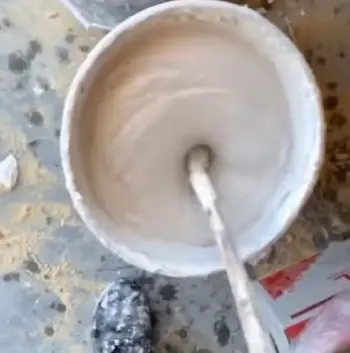
On a typical bedroom remodel I start with a standard-weight compound to embed the paper tape and set the corner bead.
Once that coat is dry I switch to ProForm Lite Blue for the second and third coats. The lighter mud levels faster, shrinks less, and sands cleaner.
The walls end up flatter under the paint, and I finish the room with less dust in the air.
When the job is a quick ceiling repair or a few fastener spots in an existing room, Plus 3 often wins for pure convenience.
I can grab one bucket, cover the needed area, and move on without worrying about specialized performance.
The soft feel lets me feather edges quickly so the repair disappears under a coat of paint.
In humid climates or rooms that will see moisture, the mold resistance of Lite Blue gives an edge.
I have returned to jobs months later and found the finished surface still looking solid with no early signs of discoloration that sometimes appear with ordinary compounds.
For large open walls that will receive grazing light from windows or recessed fixtures, the reduced shrinkage and cleaner finish of Lite Blue minimize the risk of visible seams.
Plus 3 can still deliver acceptable results, yet the extra attention needed during sanding and touch-up adds time.
Analytical Look At Performance Factors
Weight savings translate directly into productivity. A 30 percent reduction means you move more material with the same energy.
Over a multi-room project the cumulative effect shows in how late in the day you still feel sharp enough for careful knife work.
Shrinkage control affects both appearance and labor. Every crack that appears after the compound dries requires another trip with the knife and more sanding.
Lite Blue’s stronger claim here reduces that cycle. Plus 3 still shrinks less than traditional heavy mud, yet the margin is narrower.
Sanding effort matters for both health and schedule. Lighter compounds generally produce less airborne dust and clog paper less often. Both products improve on standard mud, but the harder finish of Lite Blue often sands to a more uniform surface with fewer passes.
Adhesion strength remains the clearest dividing line. Neither product matches a full all-purpose for the critical first tape coat. Using the right sequence—standard for embed, lightweight for finish—delivers the best of both worlds.
Cost per finished square foot favors the product that reduces labor hours. Even if Lite Blue carries a modest premium at the register, the time saved on sanding, touch-ups, and rework usually tips the overall expense in its favor on larger jobs.
Also Read: Is Henry Elastomeric Roof Coating Worth It?
Frequently Asked Questions (FAQ)
No. They are different brands and formulas. Lite Blue is a ProForm lightweight finishing compound; Plus 3 is a USG lightweight all-purpose product.
Yes. It delivers strong performance for finishing coats with less weight, less shrinkage, and easier sanding than conventional mud.
Use all-purpose for embedding tape when maximum adhesion is needed. Plus 3 works well for subsequent coats and lighter overall jobs.
It is used for finishing joints, spotting fasteners, covering corner bead, and light texture work after the initial tape coat is complete.
Final Thoughts
After comparing the two side by side across many projects, I favor ProForm Lite Blue when the finish quality and long-term surface stability matter most.
The combination of greater weight reduction, stronger shrinkage control, and a harder dried film consistently delivers cleaner walls with less follow-up work.
Plus 3 remains a solid, convenient choice for smaller jobs or when you want a single lightweight product that covers general coating needs.
You now have the practical differences, the real-world trade-offs, and the situations where each product shines.
Match the compound to the stage of your project and the demands of the space, and the walls will reward you with a smooth, durable surface that looks professional under any light. Choose thoughtfully, apply with care, and the results will speak for themselves.
Recent Posts
I spent months comparing budget options against established names after my last set of tires wore out sooner than expected.My goal here is to share what I learned from putting Dextero and...
AquaTru Carafe Vs. Classic: Which Is Actually Fits Your Kitchen?
I decided to write this comparison after months of testing both the AquaTru Carafe and the Classic in my own kitchen. Tracking covered daily use.Taste stayed consistent. Refill frequency...