
If you’re planning a landscaping project, fixing a driveway, or setting a solid base for your next DIY build, I genuinely think Quikrete All-Purpose Gravel is one of those products you should strongly consider buying.
I’ve used it myself, and what stood out immediately was how dependable and versatile it felt right out of the bag.
Whether you’re a beginner or someone who has handled construction materials before, this gravel makes things surprisingly straightforward.
My Personal Experience Using Quikrete All-Purpose Gravel
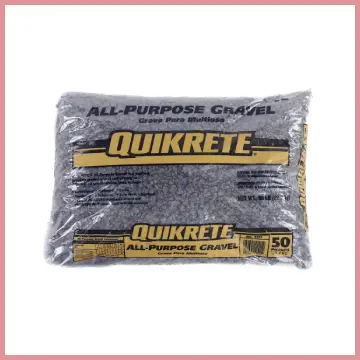
When I first picked up QUIKRETE All-Purpose Gravel, I wasn’t expecting anything extraordinary—it’s gravel, after all.
But once I started using it, I realized how much difference quality aggregate can make in a project.
I initially used it for a small backyard drainage fix. Water used to pool in one corner of my yard after rain, and it was getting annoying.
So I dug a shallow trench, poured in the gravel, and leveled it out. What surprised me right away was how clean and consistent the gravel looked.
You don’t get a mix of dust, debris, and uneven chunks like with cheaper alternatives. It felt ready to use straight out of the bag.
As I worked with it, I noticed how well it compacted. When you press it down—even manually—it locks together nicely.
This is important because loose gravel can shift over time, but this stayed fairly stable. I didn’t even need heavy equipment for my small project, which made things easier.
Later, I used the same gravel as a base for stepping stones. Again, it performed well. It provided a solid foundation that didn’t sink or shift after a few weeks, even with regular foot traffic.
You know that frustrating feeling when things settle unevenly? I didn’t experience that here.
What really made me appreciate it was the versatility. One day I’m fixing drainage, the next I’m using it as a base layer.
You don’t need to buy multiple types of gravel for different tasks—it handles a lot of roles.
There is some weight to it, of course. Carrying multiple bags can be tiring, especially if you’re working alone.
But that’s expected with any gravel product. I’d rather have dense, durable material than something lightweight that doesn’t perform.
Overall, my experience felt smooth, predictable, and reliable—which is exactly what you want when working on projects that require stability.
What Makes Quikrete All-Purpose Gravel Stand Out?
One of the first things you’ll notice is the uniform size of the stones. This might seem minor, but it plays a huge role in how the gravel settles and supports weight. When the sizes are consistent, the gaps between stones are more evenly distributed, which improves compaction and drainage.
Another thing I liked is that it comes pre-washed. That means less dust, less mess, and better performance when mixing with concrete or using as a base. You don’t have to worry about impurities affecting your project.
Durability is another strong point. Whether exposed to water, pressure, or time, the gravel holds up. I’ve seen cheaper gravel break down into smaller particles over time, but this one maintains its structure much better.
And then there’s convenience. The packaging is sturdy, easy to store, and manageable enough for most people to handle without professional tools.
Pros Of Quikrete All-Purpose Gravel
- Consistent size and quality you can rely on
One of the first things you’ll notice—and probably appreciate immediately—is how uniform the gravel is.
When I opened multiple bags, I didn’t see random oversized rocks or excessive dust mixed in. That consistency matters more than you might think.
It means you can spread it evenly without constantly adjusting or removing unwanted pieces.
For you, this translates to less frustration and a smoother workflow, especially if you’re not a professional.
- Excellent drainage performance
If you’re dealing with water issues like I was, this gravel does a great job. The spacing between the stones allows water to pass through easily instead of pooling on the surface.
I used it in a drainage trench, and after a few heavy rains, the difference was noticeable—no standing water, no muddy mess.
You’ll find it especially useful for garden beds, walkways, or areas where water tends to collect.
- Strong and stable compaction
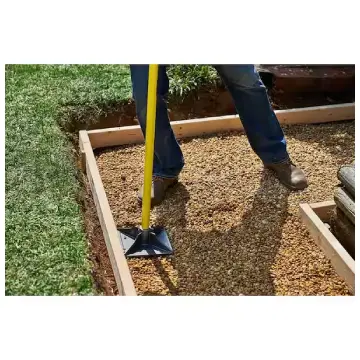
Once you lay it down and compact it, it forms a surprisingly firm base. I’ve used it under stepping stones and as a base layer, and it held up without shifting.
That stability is key when you’re building anything that needs to stay level over time.
If you’re planning a patio, pathway, or even a small slab, you’ll appreciate how well it locks into place.
- Ready-to-use and clean material
Because it’s pre-washed, you don’t have to deal with excessive dust or debris.
This might seem like a small detail, but it saves time and effort. You can use it straight from the bag without rinsing or sorting.
If you’re mixing concrete, this cleanliness helps ensure better bonding and overall performance.
- Versatility across multiple projects
What I really liked is that I didn’t need different types of gravel for different tasks.
You can use this for drainage, as a base layer, for mixing concrete, or even for simple landscaping.
That flexibility makes it a practical choice, especially if you like tackling different DIY projects around your home.
- Durable and long-lasting
Once it’s in place, it stays effective for a long time.
I haven’t noticed it breaking down or turning into fine particles, which can happen with lower-quality gravel.
This durability means fewer repairs or replacements down the line, saving you both time and money.
Cons Of Quikrete All-Purpose Gravel
- Heavy and physically demanding to handle
Let’s be real—this stuff is not light. Each bag has a decent amount of weight, and if you’re working on a bigger project, carrying multiple bags can wear you out quickly.
I definitely felt it after moving a few. If you’re working alone, you might need to pace yourself or use a wheelbarrow to make things easier.
- Not designed for decorative use
If your goal is purely aesthetic—like creating a visually striking garden or pathway—you might find this gravel a bit underwhelming.
It’s more functional than beautiful. The color and texture are fairly basic, so if appearance is your priority, you may want to look at decorative stones instead.
- Slightly higher cost compared to bulk gravel
When you compare it to buying gravel in bulk from a local supplier, the price per unit can feel a bit higher.
You’re essentially paying for convenience, packaging, and consistent quality.
For smaller projects, this is usually worth it. But if you’re working on something large-scale, the cost can add up.
- Limited variation in stone size
While consistency is a strength, it can also be a limitation.
Sometimes, you might want a mix of different sizes for better interlocking or a specific type of finish. With this product, what you see is what you get.
If your project requires more variation, you might need to combine it with other materials.
- Requires proper preparation for best results
This isn’t really a flaw of the product itself, but it’s something you’ll notice during use.
If the ground underneath isn’t properly prepared—leveled and compacted—you won’t get the best results. The gravel performs well, but it still depends on how well you set up the base.
Skipping prep work can lead to uneven surfaces later.
- Can shift without edging or containment
In areas with frequent movement, like walkways or driveways, the gravel can spread out over time if you don’t contain it properly.
I noticed that adding edging made a big difference. Without it, you might find yourself occasionally readjusting or topping up certain spots.
Tips For Quikrete All-Purpose Gravel
- Start with a properly prepared base
I learned this the hard way—maintenance actually begins before you even lay the gravel.
If the ground underneath isn’t leveled and compacted, you’ll end up fixing problems later. When I rushed one section without proper prep, it settled unevenly within weeks.
So take your time here. Remove loose soil, compact the ground, and create a firm base.
You’ll save yourself a lot of future maintenance work.
- Maintain the right depth over time
Gravel naturally shifts and settles, especially in high-traffic areas.
You might notice that some spots become thinner over time. When that happens, don’t ignore it. Add a fresh layer to maintain consistent depth.
I usually check every couple of months, and topping it up early prevents bigger issues like uneven surfaces or exposed soil.
- Compact periodically for long-term stability
Even after the initial installation, occasional compaction helps keep everything in place.
You don’t need heavy machinery for small areas—a simple hand tamper works fine.
I’ve found that doing this after adding new gravel or after heavy rain keeps the surface firm and stable. It’s a small step that makes a noticeable difference.
- Control weed growth before it starts
Weeds can sneak through gravel if you’re not careful. To avoid this, I recommend laying a weed barrier fabric underneath the gravel during installation.
If you’ve already installed it without one, don’t worry—you can still manage weeds by removing them early before they spread.
Staying on top of this keeps your area looking clean and low-maintenance.
- Use edging to keep gravel contained
One thing you’ll notice over time is that gravel tends to spread, especially in walkways or driveways. Without proper edging, you’ll keep losing material around the edges.
I added simple borders to my setup, and it made a huge difference. It keeps everything neat and reduces the need for constant adjustments.
- Rake and level the surface regularly
Every now and then, take a rake and smooth out the surface.
This helps redistribute the gravel evenly, especially in areas where foot traffic or water flow has shifted it around. I usually do this after heavy rain or when I notice uneven patches.
It keeps the surface looking fresh and functional.
- Improve drainage if needed
Even though the gravel itself drains well, poor surrounding conditions can still cause water issues.
If you notice pooling, consider adjusting the slope or adding more gravel to low areas. In my case, a slight slope adjustment solved a recurring puddle problem.
Keeping water flowing away from the area is key to long-term performance.
- Clean debris to maintain effectiveness
Leaves, dirt, and other debris can build up over time, especially if your gravel is near trees or open areas.
This buildup can block drainage and even encourage weed growth.
I make it a habit to clear debris regularly using a rake or blower. It keeps the gravel functional and looking tidy.
- Avoid mixing with poor-quality materials
If you’re adding more gravel later, try to stick with the same quality. Mixing in low-grade or dusty gravel can reduce the overall performance.
I once tried blending in a cheaper option, and it affected compaction and drainage. It’s better to stay consistent for the best results.
- Check for shifting after heavy use or weather
After heavy rain or frequent use, take a quick walk over the area and inspect it. Look for dips, loose spots, or areas that feel unstable.
Fixing these early is much easier than dealing with a larger issue later. A few minutes of checking can prevent long-term problems.
Comparison Of Quikrete All-Purpose Gravel With Other Brands
- Quikrete vs Generic Local Gravel
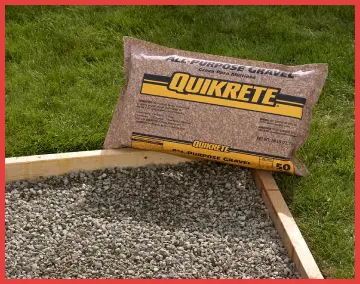
When you compare Quikrete All-Purpose Gravel to generic gravel you might get from a local supplier, the difference is noticeable almost immediately.
Local gravel can be inconsistent—some bags may have large chunks, others more sand and dust.
With QUIKRETE, you get predictability. Every bag feels the same. That consistency saves time because you don’t need to sort or adjust your approach mid-project.
- Quikrete vs Premium Decorative Gravel Brands
Decorative gravel brands often focus on appearance—polished stones, unique colors, and aesthetic appeal. While they look great, they’re not always designed for structural use.
Quikrete, on the other hand, is built for function. It may not be the prettiest option, but if you care about strength, stability, and performance, it’s a more practical choice.
- Quikrete Vs Bulk Construction Aggregate
Bulk aggregate can be cheaper if you’re working on large-scale projects, but it comes with trade-offs. You’ll often need additional equipment, and quality can vary depending on the supplier.
QUIKRETE offers convenience. You get a controlled quantity, consistent quality, and no need for special logistics. For small to medium projects, that’s a big advantage.
Also Read: Is Jonathan Green Black Beauty Ultra Grass Seed Worth It?
Frequently Asked Questions (FAQ)
Yes, it works well as a base layer for driveways due to its strength and compaction ability.
Yes, it’s commonly used as a stable base before pouring concrete.
Simply prepare the area, spread the gravel evenly, and compact it for best results.
Gravel with uniform size and good compaction properties, like this one, is ideal.
Wrapping Up
After using Quikrete All-Purpose Gravel across different projects, I can confidently say it’s worth buying if you value reliability and ease of use.
It may not be flashy, but it delivers exactly what you need—strength, consistency, and versatility.
If you want a gravel product that won’t surprise you in a bad way, this is a solid choice that gets the job done right.
Recent Posts
● Interactive 5-Zone Interior & Exterior Paint Blueprint Paint Coverage Calculator: Gallons, Primer, Square Footage & Cost Tap any architectural surface zone on the blueprint...
If you want smooth, shiny hair without spending a fortune on a premium styling tool, the Ella Bella hair dryer may be worth considering.In these Ella Bella hair dryer reviews, I’ll look...