
I bought Redline fuel injector cleaner because I wanted a simple way to address sluggish acceleration, rough idling, and possible injector deposits without immediately paying for professional fuel-system service.
After using it, I found that it makes the most sense for drivers who want a concentrated cleaner that can be added directly to the fuel tank as part of routine maintenance.
If you want a practical fuel injector cleaner for keeping deposits under control, I think Redline is worth considering, especially when your vehicle is showing mild signs of fuel-system buildup.
My First Experience With Redline Fuel Injector Cleaner
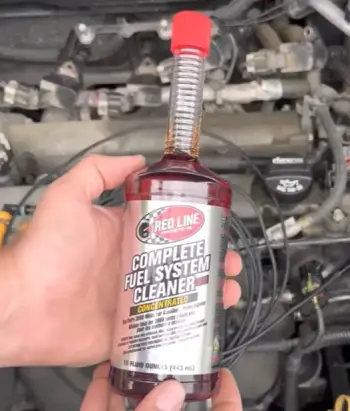
My first impression of Redline fuel injector cleaner was that it was designed for people who want a straightforward fuel-system treatment rather than another complicated maintenance product.
I simply followed the dosage instructions, added the recommended amount to the fuel tank, and continued driving normally.
What I was watching for was not some dramatic overnight transformation. Instead, I paid attention to the things that usually tell me whether a fuel additive is doing anything useful: idle smoothness, throttle response, acceleration, starting behavior, and general engine feel.
Before using it, I noticed that my engine did not feel quite as responsive as I expected. The car still ran, but acceleration felt slightly lazy at times. I also wanted to address potential injector deposits before they became a bigger issue.
After using Redline, I felt the engine became smoother during everyday driving. The difference wasn’t dramatic, and I wouldn’t claim that a bottle of cleaner can repair a mechanically damaged injector. However, the overall engine response felt more consistent to me.
One thing I liked was the convenience. I didn’t have to remove an injector, visit a repair shop, or spend hours working on the fuel system. I could add the cleaner to the tank and get back to driving.
I also appreciated that the product is concentrated. That matters because fuel additives can become annoying when you need a large quantity for every treatment. Redline’s concentrated formulation makes it practical for periodic fuel-system maintenance.
At the same time, I kept my expectations realistic. If your vehicle has a failing injector, damaged fuel pump, clogged fuel filter, ignition problem, vacuum leak, or another mechanical issue, a cleaner isn’t going to magically fix it.
For me, that’s the biggest takeaway. I see Redline as a maintenance product rather than a repair product. If deposits are the problem, a cleaner can be useful. If the engine has a genuine mechanical fault, diagnosis should come first.
Pros Of Redline Fuel Injector Cleaner
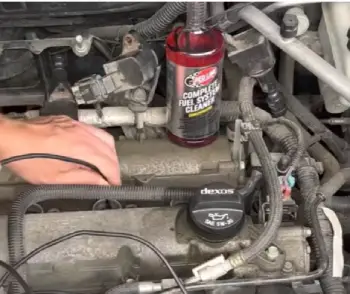
- Strong Cleaning Potential
The biggest reason I would consider Redline is its cleaning capability. Fuel-system deposits can affect injector performance, and removing those deposits can help the fuel system operate more consistently.
I don’t expect a cleaner to transform an old engine into a brand-new one. However, when deposits are actually contributing to rough running or reduced responsiveness, cleaning can make a noticeable difference.
For me, this is the product’s strongest advantage.
- Convenient Tank Treatment
I like products that don’t turn a simple maintenance job into an afternoon project.
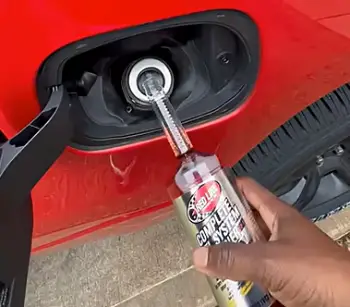
With Redline, the process is straightforward. You add the recommended amount to your fuel tank and drive.
That makes it appealing to people who don’t have the tools, time, or desire to perform more involved fuel-system maintenance.
You don’t need to remove fuel injectors or disassemble components. For routine maintenance, that convenience matters.
- Useful for Preventative Maintenance
I wouldn’t wait until my car develops severe symptoms before thinking about fuel-system cleanliness.
Using a suitable fuel-system cleaner periodically can be a practical addition to regular maintenance, particularly for higher-mileage vehicles or cars that spend a lot of time in stop-and-go traffic.
If you want to take a preventative approach, Redline can fit into that routine.
- May Improve Throttle Response
One thing I pay attention to after using a fuel-system cleaner is throttle response.
When deposits interfere with injector performance, fuel delivery may not be as efficient as it should be. Once deposits are reduced, the engine may feel more responsive.
I noticed that my vehicle felt smoother and more willing to respond under normal acceleration.
I wouldn’t promise this result for every vehicle because the condition of the engine and injectors matters enormously.
- Helps Maintain Injector Performance
The injectors are small components, but they have a major effect on how an engine runs.
Keeping them clean can help maintain proper fuel atomization and consistent fuel delivery.
That’s particularly important if you’re trying to preserve the driving characteristics of an older vehicle.
For me, the value isn’t just about fixing an existing complaint. It’s also about maintaining the condition of the fuel system over time.
- Easy to Add to a Maintenance Routine
I appreciate maintenance products that are easy to remember.
I can coordinate a fuel-system treatment with an oil change, seasonal maintenance, or another routine service. That makes it less likely that I’ll forget about fuel-system cleanliness entirely.
The simpler a maintenance habit is, the more likely I am to actually follow it.
- Suitable for Drivers Who Want a Concentrated Formula
A concentrated cleaner can be more convenient than products that require large quantities for each treatment.
Because you’re dealing with a fuel additive, dosage is important. I always recommend following the label rather than assuming that more product means better cleaning.
More isn’t automatically better.
Cons Of Redline Fuel Injector Cleaner
- Results Depend on the Condition of Your Vehicle
This is probably the biggest limitation I noticed.
If your injectors aren’t significantly dirty, you may not notice much improvement.
That’s completely logical. A cleaner can remove deposits, but there may not be enough buildup to create an obvious difference.
So if your vehicle already runs perfectly, don’t expect a dramatic transformation.
- It Cannot Repair Mechanical Problems
This deserves emphasis.
If you have a damaged injector, failing fuel pump, bad ignition coil, clogged filter, vacuum leak, or sensor problem, Redline isn’t a repair solution.
If your engine is misfiring badly or the check-engine light is flashing, I’d diagnose the actual problem rather than repeatedly adding cleaner.
- Not Every Vehicle Responds the Same Way
Two cars can receive the same treatment and produce completely different results.
Engine design, mileage, fuel quality, maintenance history, and injector condition can all influence the outcome.
That’s why I wouldn’t judge a fuel-system cleaner based on one vehicle alone.
- You Shouldn’t Overuse It
More frequent treatment isn’t necessarily better.
I prefer to follow the manufacturer’s directions and use the product as intended. Overusing additives can be unnecessary and waste money.
A sensible maintenance schedule is more useful than simply adding cleaner whenever you remember.
Maintenance Tips For Redline Fuel Injector Cleaner
- Follow the Correct Dosage
This is the first thing I’d recommend.
Read the bottle and use the amount intended for your fuel volume and vehicle application. Don’t assume that doubling the dosage will double the cleaning power.
When I use fuel additives, I treat the recommended dosage as a guideline to follow carefully rather than something to experiment with.
- Add It Before Refueling When Appropriate
Adding the cleaner before filling the tank can help distribute the treatment through the fuel as the tank is filled.
I find this method convenient because the fresh fuel mixes with the additive naturally.
The exact procedure should still follow the product instructions.
- Don’t Use It as a Substitute for Repairs
This is one of the most important maintenance rules.
If your car has persistent symptoms, investigate the cause.
For example, if you’re experiencing repeated misfires, hard starting, severe hesitation, poor fuel economy, or a check-engine light, don’t assume dirty injectors are responsible.
Fuel-system cleaner is best viewed as maintenance support, not a diagnostic tool.
- Keep Up With Regular Oil Changes
A clean fuel system is only one part of maintaining an engine.
I wouldn’t spend money on fuel additives while ignoring oil changes, air filters, spark plugs, coolant, and other scheduled maintenance.
The engine works as a complete system.
If I want my vehicle to remain reliable, I pay attention to all of these areas rather than relying on one bottle of additive.
- Use Quality Fuel
The fuel you put into your vehicle matters.
I prefer purchasing fuel from reputable stations and avoiding questionable fuel sources whenever possible.
A fuel cleaner can help manage deposits, but good fuel practices are still important.
- Pay Attention to Driving Symptoms
I think drivers should pay attention to subtle changes.
If your car begins idling roughly, hesitating during acceleration, becoming harder to start, or delivering noticeably worse fuel economy, don’t immediately assume that adding cleaner will solve it.
Instead, consider when the problem started and whether other maintenance is due.
That approach saves money because you aren’t blindly replacing or treating components.
- Give the Treatment Time to Work
I don’t expect instant results from every fuel additive.
The cleaner needs to pass through the fuel system and interact with deposits during normal operation.
So I prefer evaluating the vehicle over subsequent driving rather than deciding whether it worked after a few minutes.
- Don’t Mix Random Additives
I wouldn’t pour several different fuel treatments into the same tank without understanding whether they’re compatible.
More additives don’t automatically mean a cleaner fuel system.
Keeping your maintenance routine simple is usually the better approach.
Comparison Of Redline Fuel Injector Cleaner With Other Brands

- Redline vs Techron
Techron is another well-known name in fuel-system cleaning, and it has a strong reputation among drivers.
When I compare the two, I see them as products serving a similar purpose rather than completely different categories.
Redline appeals to me when I want a concentrated treatment with a strong cleaning focus. Techron can be attractive if you already use it as part of your regular fuel-system maintenance routine.
The better choice depends on your vehicle, the formulation you prefer, dosage requirements, and how frequently you plan to use it.
I wouldn’t say one is automatically superior for every engine.
- Redline vs Gumout
Gumout offers several fuel-system and injector cleaning products, so it has plenty of options for drivers with different needs.
Compared with Redline, I think Gumout is particularly appealing to people who like having multiple formulations to choose from.
Redline is more attractive to me when I want a straightforward concentrated treatment without overcomplicating the process.
If you’re comparing these products, look at the specific formula rather than judging the entire brand. Different products within the same brand can have very different purposes.
- Redline vs Lucas
Lucas is another familiar name in automotive additives.
What I like about comparing Lucas with Redline is that both brands offer products designed around fuel-system maintenance, but their formulas and intended applications can differ.
I wouldn’t choose based purely on brand recognition.
I’d look at the treatment concentration, recommended usage, vehicle compatibility, and the specific problem you’re trying to address.
For concentrated injector cleaning, Redline remains an option I’d seriously consider.
- Redline vs Sea Foam
Sea Foam is often associated with general fuel-system and engine cleaning.
I see Sea Foam as a broader maintenance-oriented option, while Redline can be appealing when my main focus is injector and fuel-system deposit control.
If your goal is specifically injector cleanliness, I’d choose a product based on its intended function rather than buying the most recognizable bottle.
Is Redline Fuel Injector Cleaner Worth It?
For me, the answer is yes, with reasonable expectations.
I like Redline because it makes fuel-system maintenance simple. I can add the recommended treatment to the fuel and continue driving without taking apart the vehicle.
The potential benefits are most relevant when deposits are contributing to poor fuel delivery, sluggish response, or rough running.
However, I wouldn’t buy it expecting miracles.
If your car has a serious mechanical problem, diagnose it. If the engine runs perfectly, don’t expect an obvious improvement. If your vehicle has accumulated significant mileage and you’re interested in preventative fuel-system maintenance, though, a quality cleaner can make sense.
The biggest mistake is expecting an additive to do the job of a mechanic.
Who Should Consider Redline Fuel Injector Cleaner?
I’d consider it if you own an older or higher-mileage vehicle and want to keep the fuel system clean.
It’s also worth considering if you’ve noticed mild hesitation, sluggish acceleration, or less-than-perfect idle quality and you’ve already ruled out more obvious maintenance problems.
I think it’s particularly convenient for drivers who prefer simple DIY maintenance.
On the other hand, if your vehicle is experiencing severe symptoms, I’d put diagnosis ahead of buying another bottle of cleaner.
Also Read: Is Red Line Fuel System Cleaner Worth It?
Frequently Asked Questions (FAQ)
There isn’t one universal winner. The best choice depends on the vehicle, injector condition, deposits, and the specific formulation.
Redline is a strong option, but I wouldn’t call any cleaner the best for every vehicle.
Both are reputable choices. Your vehicle’s needs and the specific product formulation should guide the decision.
There isn’t a universally accepted #1 cleaner. Redline, Techron, Gumout, Lucas, and other products can all have their place.
Final Verdict
I would recommend Redline fuel injector cleaner to drivers who want an easy, concentrated way to support fuel-system cleanliness and injector performance.
In my experience, its biggest strengths are convenience and cleaning potential, while its biggest limitation is that it cannot repair mechanical faults.
If you want routine maintenance rather than a miracle fix, I think it’s a worthwhile option to keep in your garage.
Just use the correct dosage, maintain your vehicle properly, and diagnose serious symptoms instead of expecting a fuel additive to solve everything.
Recent Posts
● Interactive 5-Zone Interior & Exterior Paint Blueprint Paint Coverage Calculator: Gallons, Primer, Square Footage & Cost Tap any architectural surface zone on the blueprint...
If you want smooth, shiny hair without spending a fortune on a premium styling tool, the Ella Bella hair dryer may be worth considering.In these Ella Bella hair dryer reviews, I’ll look...