
As someone who has personally weighed the options for updating the windows in my own home, I wrote this piece to cut through the confusion around replacement windows versus new construction windows.
My main intent is to give you a clear, practical comparison so you can decide which approach matches your budget, timeline, and long-term goals without second-guessing every detail.
| Aspect | Replacement Windows | New Construction Windows |
| Installation Method | Fits into existing window opening and frame | Requires removal of old frame; uses nailing fins |
| Typical Cost | Lower overall project cost | Higher due to labor and materials |
| Project Disruption | Minimal; often done from inside | More invasive; exterior work common |
| Best For | Existing homes needing efficiency upgrades | New builds or full-frame overhauls |
| Frame Retention | Keeps much of the original frame | Completely new frame structure |
| Weatherproofing | Relies on existing structure plus seals | Built-in flashing and full exterior seal |
| Time to Complete | Faster (hours to a day per window) | Longer (more prep and exterior finishing) |
| Structural Impact | Limited change to wall integrity | Can improve or fully reset structural details |
Key Differences Between The Windows And New Construction Windows
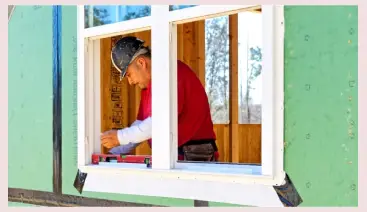
- Installation approach differs in both method and impact. Replacement units drop into an existing pocket while new construction units require a full rough opening prepared from the outside.
The first method protects interior finishes and the second resets the entire window-to-wall connection.
- Structural involvement varies with each choice. Replacement leaves the original framing and often the exterior casing intact.
New construction removes everything and rebuilds the relationship between window and wall so problems can be corrected.
- Waterproofing performance depends on how the unit meets the wall. Replacement relies on high-quality sealants and the condition of the remaining frame.
New construction uses the nailing fin plus modern flashing tape and house wrap to create a continuous drainage plane.
- Aesthetic flexibility is greater with new construction. Replacement keeps the original exterior look with minimal change.
New construction lets you alter size, shape, or style because the opening is rebuilt from the start.
- Project scale suitability guides the practical decision. Replacement works well for single rooms or whole-house updates where the existing frames are still sound.
New construction fits new homes, major renovations, or situations where frames have failed beyond repair.
These differences are not abstract. They show up in the final invoice, the number of days the crew is on site, and how the windows perform ten years later.
Also Read: Is Caner Impact Windows Worth It?
Key Features Of Replacement Windows
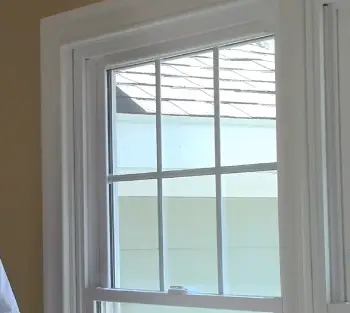
- Pocket or insert style that nests inside the existing frame. This design keeps the original structure mostly intact and reduces the amount of cutting and rebuilding that is required during installation.
- Multiple glass options such as double or triple pane with low-E coatings. These choices allow you to improve energy performance and reduce noise without changing the size of the opening.
- Operable styles that match what you already have. Double-hung, casement, and sliding versions are widely available so the new units feel familiar in daily use.
- Pre-applied weatherstripping and foam insulation around the perimeter. The added seals help limit air leaks and make the installation tighter than the old windows they replace.
- Interior and exterior trim kits that finish the look without major carpentry. These kits speed up the final appearance and reduce the need for custom woodwork around each opening.
From my experience, the real appeal sits in the speed. A skilled crew can finish a whole house of replacements in a few days with almost no exterior scaffolding.
You keep living in the space. Dust is manageable. And because the structural opening remains untouched, you avoid the risk of discovering rot or out-of-square framing that can turn a simple job into a wall rebuild.
Yet that same frame retention creates limits. If the original frame is warped, water-damaged, or poorly insulated, the new glass sits inside a compromised shell.
I learned this the hard way on one older unit where the sill had soft spots. The replacement looked sharp from inside, but the exterior still needed attention later.
Pros Of Replacement Windows
Replacement windows bring clear advantages that kept me leaning toward them for most of my project.
- Lower total cost keeps the project realistic for many budgets. You avoid the labor of frame removal and exterior repair, and material prices are often lower because the unit is smaller and simpler.
- Faster installation with less mess allows normal life to continue. Most work happens from inside so furniture stays put and landscaping remains untouched.
- Preservation of exterior appearance protects curb appeal and historic details. Brick, stone, or siding around the window stays intact and needs little or no repair.
- Energy gains without full reconstruction improve comfort quickly. Modern low-E glass and gas fills deliver noticeable improvements in temperature control and utility bills even when the old frame remains.
- Easier permitting in many jurisdictions simplifies the paperwork. Because the structural opening is unchanged, some localities treat the work as a repair rather than a major alteration.
These strengths make replacement the default choice for the majority of existing homes that simply need better performance and updated looks.
Cons Of Replacement Windows
The limitations became obvious once I started measuring openings and inspecting frames.
- Dependence on existing frame condition can limit final results. Soft wood, rusted metal, or poorly insulated frames reduce the performance of even the best new glass.
- Restricted size and style changes keep you within the current opening. Expanding the glass area or switching to a completely different configuration usually requires extra framing work.
- Potential for less robust weather sealing exists at the joint. Even with quality caulk and foam, the connection between old frame and new unit can remain a weak point if the original construction had flaws.
- Limited ability to correct structural issues leaves old problems in place. Out-of-square openings stay out of square and settling that has twisted the frame continues to affect the assembly.
- Exterior appearance constraints make major style updates harder. Matching surrounding windows or achieving a seamless modern exterior is more difficult when the old casing remains.
I ran into the frame-condition issue on two windows and had to decide whether to proceed with replacement or switch those openings to full new construction. That mixed approach added complexity.
Key Features Of New Construction Windows
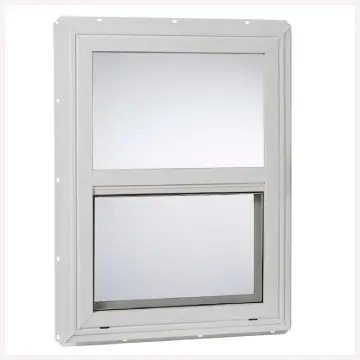
- Integral nailing fins for secure attachment to the structure. The fins create a solid connection to the wall and support proper flashing that directs water away from the opening.
- Wider range of sizes and custom shapes because the opening can be adjusted. This flexibility lets you enlarge glass area or change the window style when the wall is already open.
- Superior integration with house wrap and flashing systems. The design works with modern weather barriers and reduces the chance of long-term water problems.
- Ability to change the window size or location during the same project. You gain freedom to improve light and views while the framing is accessible.
- Factory-applied exterior cladding options on some vinyl and fiberglass lines. These options can simplify matching or updating the outside appearance of the house.
I have watched crews install these on addition projects and full exterior remodels. The result is a cleaner waterproofing plane.
Water that hits the window is directed out by the fin and proper flashing rather than relying on the seals of an old frame.
For homes in harsh climates or areas with frequent driving rain, that difference matters.
The trade-off is disruption. You open the wall. You may need to repair sheathing, add new insulation, and re-side or re-stucco around each opening.
The project timeline stretches. Material costs climb because you are buying a complete window system plus the labor to rebuild the opening.
Pros Of New Construction Windows
When the situation calls for it, new construction windows deliver benefits that replacement simply cannot match.
- Complete control over the opening allows precise corrections. You can square up the frame, add proper insulation, and size the window exactly as desired for better light and function.
- Superior integration with the building envelope improves long-term protection. The nailing fin and modern flashing create a more reliable barrier against water and air infiltration.
- Design freedom supports meaningful architectural changes. You can switch from double-hung to casement, enlarge the opening, or introduce specialty shapes while the wall is open.
- Higher potential energy performance comes from a fully new assembly. Every component starts fresh and can reach the top of the manufacturer’s ratings more consistently when detailed correctly.
- Opportunity to address hidden damage prevents future surprises. Removing the old assembly reveals rot, insects, or insulation gaps that would have stayed buried and costly later.
These advantages explain why builders and remodelers default to new construction windows whenever the wall is already open.
Cons Of New Construction Windows
The drawbacks are equally real and often decisive for homeowners.
- Significantly higher cost affects the overall budget. Labor for demolition, framing adjustments, exterior finishing, and interior trim drives the price up along with higher material costs.
- Greater disruption to daily life extends the inconvenience. Open walls mean weather exposure, noise, and temporary loss of security for longer periods than replacement work.
- Extended project timeline stretches the schedule. What takes a day with replacement can stretch to several days per opening once framing, flashing, cladding, and finish work are included.
- Risk of exterior mismatch can lower curb appeal. Matching existing siding, brick, or stucco around a new opening requires skill and poor matches stand out clearly.
- More complex permitting and inspection add steps. Altering the rough opening often triggers stricter review, especially in older neighborhoods or historic districts.
I watched a neighbor choose new construction for an entire façade and live with scaffolding and temporary plastic for weeks. The finished result looked excellent, yet the process tested everyone’s patience.
Also Read: Is Climate Guard Windows Worth It?
Cost Realities And Budget Planning
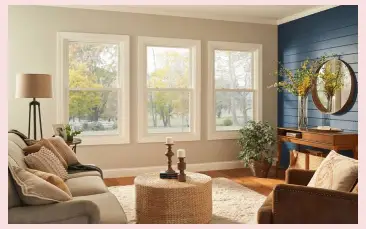
From the numbers I gathered while pricing my own project, replacement windows typically run 30 to 50 percent less than a comparable new construction installation when the existing frames are sound.
Labor savings form the largest part of that gap. Material differences are smaller once you choose similar glass packages and frame materials.
Yet the cheapest option on paper is not always the cheapest over time. If a compromised frame leads to water damage two years later, the repair cost can erase the original savings.
I budgeted a contingency for the two openings that showed soft wood and ended up converting them to new construction mid-project. That hybrid approach still cost less overall than doing every window as new construction from the start.
Energy savings also factor into the long view. Both window types can cut heating and cooling costs when they replace single-pane or failed double-pane units.
The difference in annual savings between a well-installed replacement and a well-installed new construction unit is usually modest if the glass packages are equivalent. The bigger variable is how carefully the installation seals the perimeter.
Installation Experience And What To Expect?
I spent time observing crews and asking questions. Replacement installation feels almost surgical. The old sash comes out, the new unit is dry-fitted, shimmed, insulated, and trimmed.
Good installers check for square and plumb even inside an imperfect old frame. Exterior caulking finishes the weather seal.
New construction installation is heavier work. The old unit and frame come out completely. The rough opening is inspected and corrected.
House wrap is cut and taped. The new window is set, the fin is nailed, and flashing is applied in sequence.
Then the exterior cladding is repaired or replaced around the perimeter. Interior drywall or plaster may need patching as well.
The quality of either installation depends more on the crew than on the window type. I learned to ask for references specific to the method I was considering and to watch for attention to detail around the sill and head flashings.
Energy Efficiency, Comfort, And Long-Term Performance
Both styles accept the same advanced glass technologies. Low-E coatings, argon or krypton fills, and warm-edge spacers deliver measurable gains.
The difference appears in air leakage and thermal bridging at the frame.
A tightly installed replacement window can perform nearly as well as a new construction unit in the short term. Over a decade, however, the integrity of the original frame becomes the limiting factor. Wood frames can swell and shrink. Older aluminum frames conduct heat.
Vinyl frames that have UV damage may lose rigidity. New construction windows start with fresh materials and modern thermal breaks, giving them an edge in consistency.
Comfort is noticeable either way. Rooms that once felt drafty settle into steadier temperatures. Condensation on glass decreases.
Outside noise drops. Those daily improvements matter more to most people than the technical distinction between the two window categories.
Making The Decision For Your Home
I approached the choice by answering a short set of questions for each opening. Is the existing frame solid, square, and free of water damage?
Do I want to keep the current exterior look with minimal change? Is budget the primary constraint? Am I already opening the walls for other reasons?
When the answers pointed toward preservation and economy, replacement won. When the answers pointed toward correction of problems or design change, new construction made more sense. Some homes end up with a mix.
That is not a failure of planning. It is a realistic response to different conditions in different walls.
Talk with installers who regularly handle both types. Ask them to inspect the frames before you commit. A good inspection often reveals which openings can stay replacement and which should move to new construction.
Also Read: Is Andersen Acclaim Windows Worth It?
Frequently Asked Questions (FAQ)
They can perform very well when the existing frames are sound and the installation is careful. Long-term durability may lag if the original frame deteriorates.
It is possible but uncommon. You would still need to create a proper rough opening and address the exterior finish, which removes most of the cost advantage of a true replacement approach.
Look for a nailing fin or flange around the perimeter. New construction units have them. Replacement units usually lack the fin and show a simpler frame that sits inside the old one.
Replacement windows are almost always less expensive for an existing home when the frames remain usable. New construction costs more because of the additional labor and materials required to rebuild the opening.
Final Thoughts
Looking back on the choices I made and the results I live with every day, I see that neither option is universally better.
Replacement windows gave me faster comfort improvements and kept the project affordable. The few openings I converted to new construction solved problems that would have limited performance.
The right answer depends on the specific condition of your frames, your budget, and how much change you want to make to the house itself.
You now have a clear picture of the trade-offs. Measure your openings, inspect the frames, and talk with experienced installers.
Once you match the method to the actual conditions in your walls, the decision becomes straightforward and the finished windows will serve you well for years.
Recent Posts
Flexsteel Vs. Southern Motion: Which Recliner Brand Lasts Longer And Feels Better?
I spent weeks comparing Flexsteel and Southern Motion recliners and motion sofas because I needed durable, comfortable seating that would hold up in a busy home without constant...
Trex Select Decking Reviews: Is This Composite Decking Worth Buying?
If you want an attractive outdoor deck without the constant maintenance of traditional wood, Trex Select decking deserves your attention. I like its combination of durability,...