
I spent years bouncing between stuffy mornings, post-nasal drip, and that constant pressure behind my eyes.
I tried every over-the-counter fix until I landed on two options that actually changed how I manage my nasal health: saline spray and the neti pot.
My goal here is simple—to break down how these two tools work, where each shines, and which one might fit your routine based on real daily use, not marketing claims.
| Aspect | Saline Spray | Neti Pot |
| Delivery Method | Fine mist from a bottle | Gravity-fed liquid pour through nose |
| Volume of Solution | Small, measured bursts | Larger volume (typically 8 oz) |
| Time Required | 10–30 seconds | 2–5 minutes |
| Mess Level | Minimal, easy to control | Higher, requires sink and towel |
| Learning Curve | Almost none | Moderate (angle and flow matter) |
| Portability | High—fits in pocket or bag | Low—bulky and needs water source |
| Thoroughness of Cleanse | Surface-level moisture and mild flush | Deep irrigation of sinus passages |
| Best For | Quick daily moisture and mild relief | Heavy congestion, allergies, post-cold |
Key Differences Between Saline Spray And Neti Pot
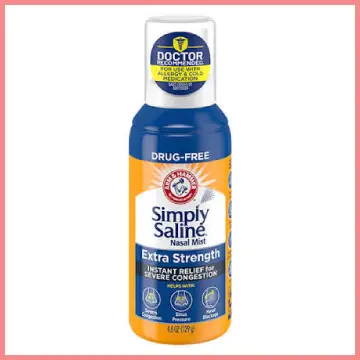
- Volume and depth of cleanse: Spray delivers a light surface coating while the neti pot moves a much larger amount of fluid through the entire nasal system and reaches deeper sinus spaces for stronger clearing.
- Time and convenience: Spray takes only seconds and works almost anywhere you stand whereas the neti pot needs a sink, a few quiet minutes, and a towel to manage the flow and drips.
- Learning and comfort curve: Almost anyone can use a spray on the first try with no practice required but the neti pot needs a short period of adjusting head position and flow rate to avoid temporary ear pressure or gagging.
- Risk profile: Spray bottles come pre-sterilized and ready for immediate use while neti pots demand distilled, sterile, or properly boiled and cooled water every single time to stay safe.
- Frequency of use: Spray suits multiple daily applications with little downside yet daily neti pot use can dry out or irritate tissues if the solution strength or technique drifts off track.
- Cost over time: A spray bottle lasts weeks and stays inexpensive to replace while a neti pot is a one-time purchase that only needs ongoing saline packets or basic salt for refills.
These differences shape which tool fits which moment in your day.
Key Features Of Saline Spray
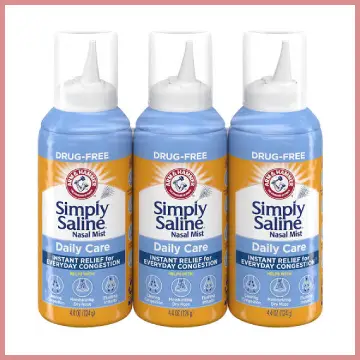
- Fine mist delivery that reaches the front of the nasal cavity without flooding: The soft spray creates tiny droplets that coat the inner lining evenly and provide quick moisture without any heavy flow or discomfort during regular daily use.
- Sterile, pre-mixed solution that eliminates measuring or mixing: Every bottle arrives ready to use so you avoid the risk of incorrect salt levels and can grab it for instant relief whenever dryness or mild congestion appears.
- Compact bottle design that travels easily and needs no cleanup: The small size fits into a pocket, purse, or desk drawer and leaves almost no residue so you stay ready for relief in any setting without extra steps.
- Option for isotonic or hypertonic formulas depending on congestion level: You can choose a gentler match to body fluids for everyday care or a stronger version that draws out thicker mucus when symptoms feel more intense.
- Soft spray nozzles that reduce the chance of irritation even with frequent use: The design stays gentle on sensitive tissue and supports multiple applications throughout the day without leaving the nose feeling raw or sore.
These features make the spray feel like a low-effort habit rather than a chore.
Pros Of Saline Spray
- Instant accessibility: I can pull it out during a meeting or in the car without drawing attention or needing any extra space or water source nearby.
- Low mess and zero cleanup: A few sprays followed by a quick tissue leave almost nothing behind so the whole process stays simple and fast.
- Gentle enough for frequent use: Even three or four times a day rarely leaves my nose feeling raw and the soft mist supports steady moisture without harsh effects.
- Travel-friendly size: It slips into a toiletry bag or jacket pocket without fuss and stays ready whenever dryness or mild stuffiness appears on the go.
- Consistent sterile formula: No mixing mistakes or water-quality worries appear because every bottle arrives sealed and ready for safe repeated use.
- Suitable for kids and sensitive users: Many pediatric versions exist and the light mist feels less intimidating than a full rinse for younger or more delicate noses.
Each of these points has kept the spray in my daily rotation even after I added a neti pot.
Cons Of Saline Spray
- Limited reach: It moistens and loosens surface mucus but stops short of flushing the deeper sinus pockets where thicker buildup often hides.
- Short-lived effect during heavy congestion: When pollen counts spike or a cold hits hard the relief often fades within an hour or two and leaves you reaching for something stronger.
- Plastic bottle waste: Frequent replacement means more packaging over a year and that adds up if you rely on the spray as your main daily tool.
- Possible preservative sensitivity: Some formulas contain additives that bother certain noses after long-term use and can create mild irritation over time.
- No customization: You get whatever concentration the manufacturer chose and cannot adjust salt level or warmth to match changing comfort needs.
These drawbacks push me toward the neti pot when symptoms intensify.
Key Features Of The Neti Pot
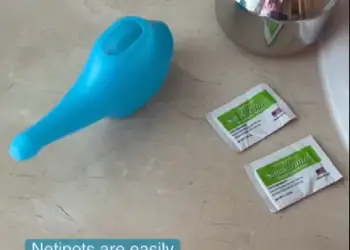
- Gravity-driven flow that irrigates both nasal passages and sinus openings: The steady pour moves solution through the full nasal system and reaches areas that a light mist cannot access for a more complete cleanse.
- Capacity for 200–250 ml of solution in a single session: The larger volume supports a deeper flush that removes thicker buildup and leaves the passages feeling clearer for a longer stretch of time.
- Ceramic, plastic, or stainless-steel body options with different spout shapes: You can select a material and spout style that feels comfortable in your hand and matches how you prefer to control the flow during each rinse.
- Ability to customize salt concentration and temperature for personal comfort: Mixing your own solution lets you adjust strength and warmth so the experience stays soothing instead of harsh on sensitive tissue.
- Reusable design that cuts long-term cost compared with disposable sprays: One sturdy pot lasts through many months of use and only needs inexpensive saline packets or plain salt for continued sessions.
Those features explain why people who deal with chronic sinus issues often keep a neti pot in their bathroom even if they also own a spray.
Pros Of The Neti Pot
- Thorough mechanical flush: The larger volume physically removes allergens, thick mucus, and debris that spray cannot dislodge and leaves the passages feeling noticeably clearer.
- Longer-lasting relief: After a proper rinse I often breathe freely for several hours and sometimes enjoy open airways for the rest of the day.
- Customizable solution: I can adjust salt level, add baking soda for buffering, or warm the water to a comfortable temperature that feels soothing rather than sharp.
- Cost-effective over years: One well-made pot lasts a long time and saline packets cost little so the overall expense stays lower than constant bottle replacements.
- Helpful during recovery: After colds or sinus infections the deep clean supports healing by reducing residual irritation and leftover mucus that can prolong discomfort.
- Sense of control: Performing the rinse feels active rather than passive and gives a clear sense that you are directly clearing the source of pressure.
These advantages explain why the neti pot becomes a go-to tool for many people with recurring sinus pressure.
Cons Of The Neti Pot
- Higher time commitment: Filling the pot, positioning your head, rinsing both sides, and cleaning everything afterward adds several minutes that can feel hard to spare on busy days.
- Mess potential: Even experienced users occasionally get solution on the counter or shirt and need a towel ready to catch drips during the process.
- Strict water rules: Tap water is off-limits because of rare but serious infection risks so you must keep distilled or boiled water on hand every time.
- Learning curve discomfort: Early sessions can cause ear fullness, gagging, or a brief sense of panic if the head angle or flow rate is not quite right yet.
- Not ideal for every setting: Hotels, offices, and airplanes make the process awkward or impossible because a sink and private space are usually required.
- Overuse risk: Daily aggressive rinsing without enough recovery time can strip natural mucus and leave the nose feeling dry or more sensitive than before.
I weigh these cons carefully and limit full rinses to days when congestion feels heavy.
When I Reach For Saline Spray?
Morning dryness after sleeping with the heat on, mild afternoon stuffiness at my desk, or a quick refresh before a workout—these are spray moments.
The bottle lives within arm’s reach and requires almost zero decision-making. I also rely on it during travel when a neti pot feels impractical.
For Maintenance Rather Than Rescue, The Spray Wins.
When The Neti Pot Earns Its Place?
Allergy season peaks, a lingering cold leaves thick mucus, or sinus pressure builds for days—these call for the deeper clean.
I set aside five minutes in the bathroom, use distilled water and a pre-measured saline packet, and finish with a soft tissue to catch residual drips.
The payoff is clearer breathing that lasts. I never force the rinse if my ears feel blocked or if I have an active ear infection; those are clear stop signs.
Practical Tips From My Own Routine
I keep both tools because they serve different jobs. On ordinary days the spray handles moisture and light debris.
Twice a week or whenever symptoms climb, the neti pot takes over.
I always check the expiration date on saline packets and clean the pot with hot soapy water after every use, then air-dry it completely.
Temperature matters—lukewarm solution feels far better than cold. If the flow stalls, I pause, blow my nose gently, and resume. Small adjustments like these turn an awkward process into a reliable habit.
Safety Considerations That Matter

Both tools are generally safe when used correctly, yet the neti pot carries stricter rules. Never use untreated tap water.
Distilled, sterile, or previously boiled and cooled water is non-negotiable. Share neither the pot nor the spray nozzle.
If you have a compromised immune system, recent nasal surgery, or frequent nosebleeds, check with a doctor before starting either method.
Stop immediately if you feel sharp pain, dizziness, or ear pressure that does not ease.
How The Two Tools Complement Each Other?
I stopped treating them as rivals. The spray keeps the nasal lining happy between deeper cleans.
After a neti pot session I sometimes follow with a light spray later in the day to maintain moisture.
This combination reduces how often I need medicated sprays or oral antihistamines. The spray is the daily maintenance; the neti pot is the periodic reset.
Real-User Observations Over Time
After several months of consistent use I noticed fewer morning congestion episodes and less post-nasal drip at night.
Friends who only used spray reported good moisture but still struggled during high-pollen weeks.
Those who only used the neti pot loved the deep clean yet admitted they skipped sessions when life got busy.
Owning both removed the all-or-nothing pressure and let me match the tool to the day’s needs.
Also Read: Comparison Of Navage And Neti Pot
Frequently Asked Questions (FAQ)
Many do, provided you use sterile or distilled water and proper technique.
A full sinus rinse usually provides more thorough relief for moderate to severe issues; spray works better for mild daily symptoms.
Some people prefer powered irrigation devices that deliver a controlled stream, but results vary by individual preference and consistency of use.
Tap water can contain low levels of microorganisms that are harmless when swallowed but dangerous when introduced into the nasal passages.
Final Thoughts
I started this comparison because I was tired of guessing which tool would actually help on any given day.
After testing both extensively I see saline spray as the reliable daily companion and the neti pot as the stronger periodic cleaner.
You now have a clear picture of how each works, where each falls short, and how they can sit side by side in a practical routine.
Pick the approach that matches your symptoms and lifestyle, stay consistent, and give your sinuses the steady care they need. Your breathing will thank you.
Recent Posts
● Interactive 5-Zone Interior & Exterior Paint Blueprint Paint Coverage Calculator: Gallons, Primer, Square Footage & Cost Tap any architectural surface zone on the blueprint...
If you want smooth, shiny hair without spending a fortune on a premium styling tool, the Ella Bella hair dryer may be worth considering.In these Ella Bella hair dryer reviews, I’ll look...