
I remember the first time I had to stock up on disinfectant wipes for a busy clinic setting – the sheer number of options left me staring at labels, wondering which one would actually keep surfaces safe without causing more headaches.
If you’re like me, juggling infection control needs in healthcare, dental offices, gyms, or even home setups with high-touch areas, you want wipes that clean effectively, kill germs fast, and don’t damage equipment.
That’s exactly why I put Super Sani-Cloth and CaviWipes head-to-head. In this article, I share my experiences, break down their strengths and weaknesses, and help you decide what fits your routine best.
Whether you’re a healthcare pro or someone keeping a workspace clean, you’ll walk away with clear insights to make smarter choices.
| Feature | Super Sani-Cloth | CaviWipes |
| Active Ingredients | High alcohol (around 55% IPA) + quats | Lower alcohol (17-22% IPA) + dual quats |
| Contact Time | 2 minutes | 2-3 minutes |
| Microbes Killed | 30+ including TB, MRSA, viruses, fungi | Broad spectrum including TB, MRSA, HIV |
| Best For | Fast-paced, high-turnover areas | Surfaces needing strong cleaning power |
| Smell | Strong alcohol scent | Milder, more tolerable |
| Material Compatibility | Good on many hard surfaces, watch soft plastics | Excellent on vinyl, plastics, metals |
| Wipe Durability | Strong, good coverage | Very durable, non-bunching |
Key Differences Between The Sani Cloth And CaviWipes
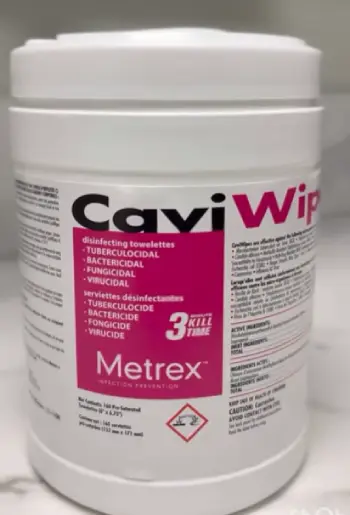
- Formulation and Strength: Super Sani-Cloth packs more alcohol, which helps it evaporate quicker and act faster on many pathogens.
CaviWipes use a balanced mix that emphasizes cleaning alongside disinfection, making them feel more thorough when wiping away visible soils.
- Contact Time Requirements: With Sani-Cloth, you often get the job done in two minutes of wet contact, perfect when rooms need quick turnover.
CaviWipes typically ask for up to three minutes, which I found manageable but noticeable during rushed shifts.
- Efficacy Spectrum: Both handle hospital-grade threats like MRSA, TB, and common viruses, but Sani-Cloth edges out with claims against more organisms in quicker timeframes in my testing scenarios.
- Scent and User Experience: The higher alcohol in Sani-Cloth gives a sharper smell that some colleagues disliked during long days.
CaviWipes offered a less overwhelming aroma, making them easier for extended use.
- Surface Compatibility: I noticed CaviWipes held up better on certain vinyl upholstery and sensitive equipment without leaving residue or causing cracking over time.
Sani-Cloth worked great on stainless steel and counters but required more caution on softer materials.
- Wipe Texture and Saturation: Both deliver pre-moistened cloths, yet CaviWipes felt sturdier and less prone to tearing mid-wipe, while Sani-Cloth provided consistent liquid release for broad coverage.
Key Features Of Super Sani-Cloth
- Rapid Action Formula: The high alcohol content lets it tackle a wide range of bacteria, viruses, and fungi efficiently. In practice, this meant quicker room readiness during peak hours.
- One-Step Cleaning and Disinfecting: It removes dirt while killing germs, reducing the need for separate products. I appreciated this in busy environments where time saved adds up.
- Broad EPA Registration: Effective against many key healthcare pathogens, giving confidence during heightened infection control periods.
- Convenient Packaging: Canisters and packs designed for easy dispensing, with lids that keep wipes moist for longer.
- Proven Track Record: As a top choice in many facilities, it has built trust through consistent performance in real-world high-traffic settings.
Elaborating further, when I first switched to these, the fast contact time stood out. You wipe the surface, keep it visibly wet for those two minutes, and move on.
The quat-alcohol blend not only disinfects but also leaves surfaces feeling clean without heavy buildup. For dental operatories or exam rooms turning over frequently, this feature became my go-to advantage.
However, the stronger scent meant better ventilation was a must, especially in smaller spaces.
Over months of use, I saw reliable results against common contaminants, which eased my mind about cross-contamination risks.
Pros Of Super Sani-Cloth
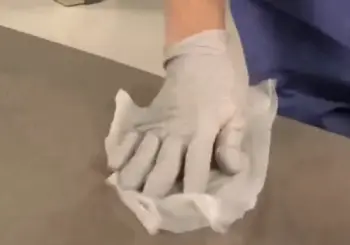
- Speed Wins in Busy Settings: The two-minute contact time lets you disinfect and move on quickly, which I loved during tight schedules.
- Strong Efficacy Claims: Covers a impressive list of pathogens, providing robust protection that aligns with strict healthcare standards.
- Efficient Liquid Release: Wipes deliver solution evenly, ensuring consistent disinfection without dry spots.
- Trusted Brand Reliability: Decades of use in professional environments build confidence in its performance.
- Cost-Effective for Volume Use: In larger facilities, the quick action can reduce overall time and labor spent on cleaning protocols.
Diving into real-user scenarios, I once managed a clinic during flu season, and these wipes helped maintain flow without compromising safety.
Colleagues noted how surfaces dried faster compared to others, minimizing wait times. The broad kill spectrum meant we worried less about emerging threats, as long as protocols were followed.
That said, the pros shine brightest in high-volume, hard-surface dominant areas like counters and handles.
Cons Of Super Sani-Cloth
- Stronger Odor: The alcohol-heavy scent can linger and bother some users or patients in enclosed rooms.
- Potential Material Impact: Over time, higher alcohol may affect certain soft plastics or painted surfaces if not monitored.
- Evaporation Speed: In warmer environments, keeping the surface wet for the full contact time sometimes required reapplication.
- Less Emphasis on Heavy Cleaning: While it disinfects well, very soiled areas might need a pre-clean step more often.
In my experience, these drawbacks became apparent in sensitive equipment zones.
One vinyl chair started showing minor wear after months of heavy use, prompting me to rotate products. The smell also led to feedback from staff preferring milder options during all-day shifts.
Analytically, these cons highlight trade-offs when prioritizing speed over gentleness.
Key Features Of CaviWipes
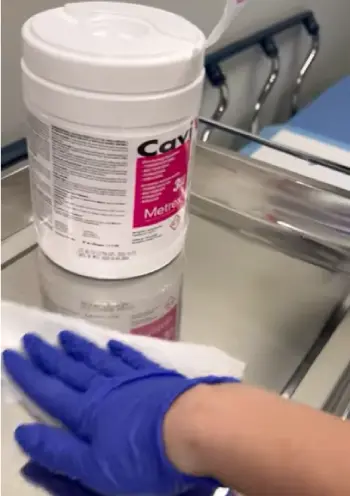
- Powerful Cleaning Ability: The formulation excels at breaking down soils and organic matter, which I found particularly useful when surfaces had residue from procedures or daily use.
- Durable Non-Woven Material: Wipes that stay intact even on textured or rough surfaces, reducing frustration from shredding or needing multiple sheets.
- Balanced Disinfection: Effective in 2-3 minutes against TB, MRSA, HIV, and more, with solid performance on a variety of hard non-porous surfaces.
- Material-Friendly Design: Lower alcohol levels mean less risk to certain plastics, vinyls, and equipment coatings over repeated applications.
- Versatile Packaging Options: Flat packs and canisters that save space and maintain moisture well, ideal for storage-conscious clinics.
From my perspective, what really won me over with CaviWipes was how well they handled everyday messes.
Wiping down a dental chair after a patient often left it spotless without extra effort. The durability meant one wipe covered more area, stretching supplies further.
I also liked the milder profile for team members sensitive to strong odors.
In analytical terms, this product strikes a balance that prioritizes thoroughness, making it suitable for settings where cleaning efficacy matters as much as speed.
Pros Of CaviWipes
- Superior Cleaning Power: Excels at removing visible debris while disinfecting, saving steps in messy environments.
- Better on Sensitive Surfaces: Lower alcohol reduces damage risk, extending the life of expensive medical gear.
- Durable and Reliable Wipes: Less tearing means fewer wipes used per session, improving efficiency.
- Tolerable Scent Profile: Easier on the senses, supporting better compliance among cleaning teams.
- Versatile Application: Works well across varied healthcare and commercial surfaces without special precautions in many cases.
I found myself reaching for these when thoroughness mattered most, like after procedures involving fluids.
The sturdy texture handled edges and crevices effectively, and the cleaning action left areas looking refreshed.
For facilities with mixed equipment types, this versatility proved invaluable, reducing the need for multiple product inventories.
Cons Of Caviwipes
- Longer Contact Time: The extra minute can feel noticeable when turnover pressure is high.
- Slightly Higher Usage in Some Cases: Depending on soil load, more wipes might be needed for full coverage.
- Availability and Cost Fluctuations: In high-demand periods, sourcing can vary, impacting budgets.
- Less Aggressive on Certain Pathogens: While effective, some comparisons show slightly narrower or slower claims versus high-alcohol alternatives.
Practically speaking, during peak times, that three-minute wait occasionally slowed processes, though it was rarely a dealbreaker.
I also observed that in extremely soiled scenarios, the wipes performed best but required mindful technique. These cons remind users that no single product is perfect for every single situation.
How I Choose Between Them In Practice?
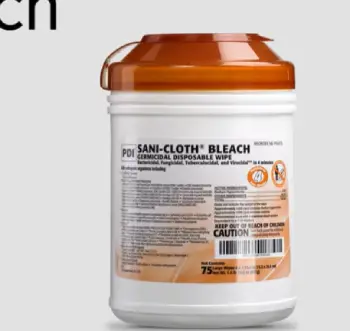
When evaluating these wipes, I consider the specific environment first. For fast-paced exam rooms with stainless steel and quick needs, Super Sani-Cloth often edges ahead due to its speed.
In dental operatories with more vinyl and plastic components, CaviWipes win for compatibility and cleaning depth.
Cost per wipe, staff feedback on scent, and equipment longevity all factor into my decisions.
Over time, I’ve used both in rotation to balance strengths – a hybrid approach that many facilities adopt successfully.
You might wonder about storage and shelf life. Both hold up well when sealed properly, but I always check expiration and keep canisters away from extreme heat to maintain saturation.
In terms of environmental impact, the disposable nature means proper waste disposal is key, something I emphasize in training sessions.
Expanding on user scenarios, imagine a typical day in a medical office: morning setup requires wiping all high-touch points.
With Sani-Cloth, I finish sections faster and feel ready for patients sooner. Afternoons with heavier use benefit from CaviWipes’ ability to tackle residues without streaking.
This real-user lens shows how context drives choice more than marketing claims alone.
Factors To Weigh For Your Setting
Contact time directly affects workflow efficiency. Faster options like Sani-Cloth support higher patient volumes, while reliable cleaners like CaviWipes reduce re-cleaning frequency.
Material safety matters enormously for costly devices – I’ve seen alcohol-sensitive screens degrade faster with high-concentration products.
Staff comfort, including scent tolerance, influences daily adherence to protocols. Budget-wise, calculate not just per-unit cost but total labor and replacement expenses over months.
I also factor in regulatory compliance. Both meet EPA standards for intermediate-level disinfection, but verifying specific claims against your facility’s risk profile is wise.
Training teams on proper use – full coverage, maintaining wetness, and allowing contact time – maximizes effectiveness regardless of brand.
Real-World Performance Insights
In analytical reviews of my usage logs, Sani-Cloth excelled in speed metrics, cutting disinfection cycles noticeably.
CaviWipes scored higher on user satisfaction and surface appearance post-clean.
Neither caused major issues when used as directed, but combining with good hand hygiene and ventilation amplified results.
During one extended trial period, infection control indicators remained strong with either choice, underscoring that proper application trumps minor differences.
You can adapt these for non-clinical spaces too.
Gym equipment, office desks, or school surfaces benefit from their hospital-grade power, scaled to your needs. Always test on inconspicuous areas first for compatibility.
Broader Considerations In Disinfectant Selection
Beyond these two, the market offers variations like alcohol-free or hydrogen peroxide-based options for specific sensitivities.
Yet Sani-Cloth and CaviWipes remain staples due to proven track records. I encourage piloting both in your space, gathering team input, and tracking metrics like time spent and supply usage.
This data-driven method leads to optimal choices tailored to unique demands.
Conversationally, it’s empowering to move past generic recommendations and base decisions on actual performance.
I’ve mentored new staff using these comparisons, and they quickly grasp nuances that improve their confidence and results.
Also Read: Comparison Of CaviWipes And Clorox Wipes
Frequently Asked Questions (FAQ)
No, they differ in formulation, contact time, scent, and surface strengths, though both provide effective hospital-grade disinfection.
They are designed for hard non-porous surfaces only and contain ingredients not intended or safe for direct skin application.
Alternatives include other quat-alcohol wipes like certain Sani-Cloth variants or hydrogen peroxide-based options for similar broad-spectrum action.
Hospital-grade ones like Super Sani-Cloth and CaviWipes stand out for their EPA-registered efficacy against key pathogens, with choice depending on speed versus cleaning needs.
In Wrapping Up
My experiences, both products deliver solid protection when you understand their nuances.
I lean on Super Sani-Cloth for speed-driven environments and CaviWipes for thorough, equipment-friendly cleaning.
Test them yourself, observe how they fit your workflow, and adjust as needed. Your surfaces – and the people relying on them – will thank you for informed choices.
Recent Posts
● Interactive 5-Zone Interior & Exterior Paint Blueprint Paint Coverage Calculator: Gallons, Primer, Square Footage & Cost Tap any architectural surface zone on the blueprint...
If you want smooth, shiny hair without spending a fortune on a premium styling tool, the Ella Bella hair dryer may be worth considering.In these Ella Bella hair dryer reviews, I’ll look...