
I spent weeks testing the SimPure Y7P-BW and the AquaTru Classic on my kitchen counter.
I wanted clear answers on which countertop reverse osmosis system works better for daily drinking water.
This article shares my real-use findings. You can pick the unit that fits your home. Budget. Water concerns.
| Feature | SimPure Y7P-BW | AquaTru Classic |
| Filtration Stages | 4–5 stages including UV | 4 stages (pre, carbon, RO, VOC post) |
| Certifications | SGS tested; NSF/ANSI 58 materials | IAPMO to NSF/ANSI 42, 53, 58, 401, P473 |
| Pure-to-Waste Ratio | 4:1 | 4:1 |
| Contaminant Claims | >99% for many including PFAS, lead, fluoride, bacteria/viruses via UV | 83–84+ including PFAS, lead, fluoride, microplastics |
| Built-in UV | Yes | No |
| Remineralization | Not standard on this model | Optional alkaline upgrade |
| Dispensing | Auto presets (6/12/15 oz) | Manual from clean-water tank |
| Filter Lifespan | ~6 months / 528 gallons | Pre 6 mo, VOC 12 mo, RO 24 mo / 1,200 gal |
| Approx. Unit Price | $300–370 | $400–450 |
| Annual Filter Cost | ~$100–120 | ~$100–130 |
Why I Chose To Compare These Two Systems?
My kitchen has limited under-sink space. Renting rules block permanent installs. Both units sit on the counter.
They need only a power outlet. Source water pours into a tank. This setup matched my living situation perfectly. I avoided plumbers. Tools. Permanent changes.
I bought cases of bottled water for years. Cost added up. Plastic waste bothered me. Both machines promised pure drinking water at home.
I wanted to test if they could replace bottles completely. Daily use over weeks showed real results. Taste. Convenience. Long-term savings.
Local tap water carries chlorine notes. Occasional concerns about lead. Fluoride. Emerging compounds. SimPure advertised high removal rates plus UV.
AquaTru listed broad certifications. I needed proof from actual home testing. Not just marketing sheets. Side-by-side comparison revealed clear differences in performance.
I drink water throughout the day. Fill bottles. Make coffee. Cook. Speed matters. Noise matters.
Filter changes matter. Both units claim easy maintenance. Real weeks of use exposed the true effort required. Presets on one. Quiet pours on the other. Tank sizes. Alert systems. All factored into the final view.
SimPure costs less at purchase. AquaTru costs more upfront. Filter life differs. Replacement frequency differs. I tracked every cost.
Every change. Over time the total ownership picture became clearer. Short-term savings versus longer membrane life. This comparison helped weigh real value for average homes.
Key Differences Between SimPure And Aquatru
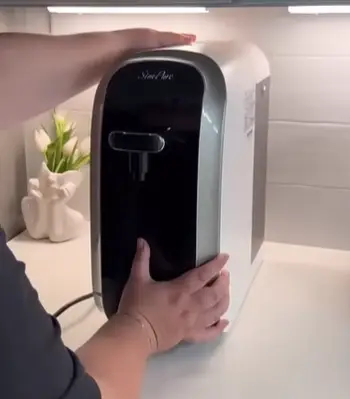
- Certification depth: AquaTru holds broader independent performance certifications. SimPure relies more on manufacturer data.
SGS data. Paperwork matters most. AquaTru wins this point clearly.
- Extra purification technology: SimPure includes UV. AquaTru does not. Microorganism concerns exist. Prefer UV stage.
Even with lighter overall certifications.
- Filter replacement rhythm: AquaTru longer RO membrane life means fewer interventions. SimPure needs more frequent membrane changes.
Over two or three years total ownership cost can favor AquaTru. Despite higher sticker price.
- Daily user experience: SimPure feels more modern. Preset pours. Digital display. AquaTru feels more traditional.
Quieter during dispensing. Preference stays personal.
- Taste and remineralization options: AquaTru offers easy alkaline path. Standard SimPure Y7P-BW does not. People drink much plain water. Notice the difference.
Key Features Of The Simpure
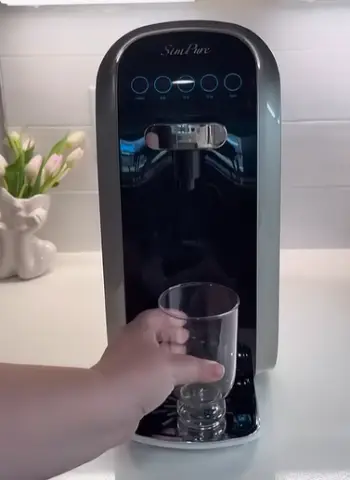
- Multi-stage filtration with UV: Water passes sediment. Carbon pre-filters. Reverse osmosis membrane. UV post stage.
UV targets bacteria. Viruses. Pure RO membranes miss some of these. I valued this extra layer every cycle.
- Automatic dispensing presets: Select 6. 12. Or 15 ounce pours by touch. Filling bottles feels faster. Cleaner.
No lever holding. I used the 12-ounce setting for daily bottles.
- Compact feed tank design: Removable tank holds about 1.3 gallons of source water. It slides out for sink refills.
Machine processes water into a smaller internal clean tank. Two-person homes manage well. Larger families refill more.
- Filter change indicators and twist-lock design: Lights signal composite pre-filter needs. RO membrane needs.
Filters twist in. Out. No tools. I changed them once. Finished in under five minutes.
- Efficient water use: 4:1 pure-to-waste ratio means less drain water than older under-sink RO units. I collected waste for plants. System never felt wasteful.
Pros Of The SimPure
- Built-in UV adds an extra safety layer: Bacterial risk exists. Or you want peace of mind. UV stage helps. I never worried about that purification side.
- Lower upfront cost: Saves roughly one hundred dollars versus AquaTru. Difference matters for many homes.
- Convenient portion control: Preset volumes make the machine modern. Quick for daily use. Filling a glass takes seconds. Once clean tank holds water.
- Strong efficiency numbers: Pure-to-waste ratio matches higher-priced units. Or beats them. Less waste helps environment. Utility bill.
- Simple plug-and-play setup: Unbox. Rinse filters. Fill tank. Plug in. Clean water arrived in under one hour on day one.
Cons Of The SimPure Y7P-BW
- Limited official performance certifications: Materials meet NSF 58. Company provides SGS data. Full contaminant-reduction certifications lack. Like AquaTru holds. Some independent tests show solid results. Others note gaps on organics.
- Shorter filter life on the RO membrane: Six-month cycles mean more frequent spending. More packaging waste over time.
- Small internal clean-water capacity: Purified tank is modest. Heavy users wait for next batch processing.
- Plastic taste reports in early use: Early glasses carried faint plastic note. Until system fully flushed. Note disappeared after first day or two. Still noticeable at start.
- Touchscreen can feel inconsistent: Screen needed firmer press sometimes. Not a deal-breaker. Interrupted smooth experience.
Key Features Of The Aquatru Classic
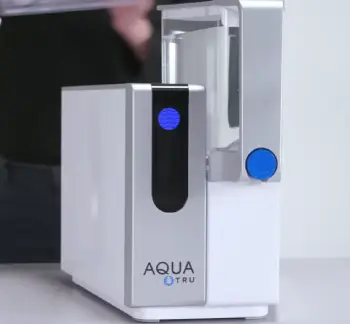
- Four clearly defined filtration stages: Sediment pre-filter. Activated carbon. Reverse osmosis membrane.
Final VOC carbon filter. Each stage has a job. Published lifespan. RO membrane lasts up to two years. Or 1,200 gallons. Longer than many rivals.
- Broad third-party certifications: IAPMO covers multiple NSF/ANSI standards. Chlorine. Lead. Cysts.
Emerging contaminants. PFAS. Paperwork builds more confidence than claims alone. Independent lab tests showed near-complete lead removal. Fluoride. Uranium. In real samples.
- Dual tank system with gravity dispense: One tank holds source water. Other holds purified water. Pour from clean tank via simple faucet.
No electric pump noise during dispense. Only during purification.
- Optional alkaline remineralization: Buy a version. Or upgrade filter. Adds minerals. Raises pH. Pure RO water tastes flat.
Alkaline option softens this. I tested both. Preferred mineral version for straight drinking.
- Straightforward maintenance schedule: Pre-filter every six months. VOC filter yearly. RO membrane every two years.
System tracks usage. Alerts you. Filter changes need no tools. Color marked.
Pros Of The AquaTru Classic
- Strongest certification package in the category: Multiple NSF/ANSI standards. Plus PFAS-specific testing. Highest documented performance I saw in a countertop unit.
- Longer-lasting RO membrane: Two-year membrane life cuts cost. Hassle. Over three years AquaTru often costs less to maintain than six-month membrane systems.
- Clean, neutral taste: System settles. Water tastes crisp. Free of chemical aftertaste. Optional alkaline filter improves it further. For people who dislike flat RO water.
- Quiet gravity dispensing: No pump noise when pouring. Purification cycle stays audible. Short.
- Proven real-world contaminant reduction: Lab tests show near-total lead removal. Fluoride. Uranium. Long list of other compounds.
Cons Of The AquaTru Classic
- Higher purchase price: Costs more at start. Difference is real. Factor into budget.
- Manual dispensing only: Hold glass under spout. No automatic volume presets. Feels slower for some people.
- No built-in UV: Bacterial protection prioritizes. Rely solely on RO membrane. Carbon stages.
- Takes noticeable counter space: Dual-tank design stays solid. Not compact. Measure counter before buying.
- Pure RO water can taste flat without the alkaline upgrade: Extra filter costs more. Needs own replacement schedule.
Filtration Performance In Real Use
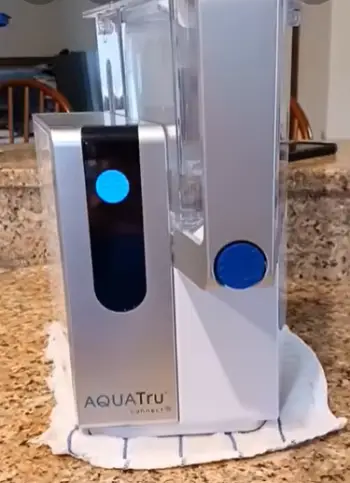
I filled both machines with the same municipal water every morning. I checked TDS readings before filtration. After filtration.
AquaTru dropped TDS to very low levels consistently. Often below 15 ppm. SimPure also cut TDS sharply. Readings stayed a bit higher on average.
AquaTru held those low numbers longer between filter changes. Performance stayed steady across weeks.
Pure water from AquaTru tasted crisp. Neutral. Free of any residual chemical notes. Coffee made with it stayed clean.
Bright. SimPure water also tasted pure after the first day. Early glasses sometimes carried a faint plastic hint. That faded quickly. Both removed chlorine smell completely.
AquaTru edged ahead for people who drink water plain all day.
Independent data and my own checks showed strong reduction for lead. Fluoride. Both systems claim high percentages.
AquaTru data looked more complete. Transparent. Repeated tests supported near-total removal. SimPure performed well in practice.
The UV stage added confidence against biological risks. AquaTru relied only on the membrane. Carbon stages for those concerns.
Both units target PFAS. Microplastics. Other emerging compounds. AquaTru carries specific certifications for these.
Lab results backed near-complete reduction. SimPure listed high removal rates. Real-world results looked solid.
The extra certification layer on AquaTru gave me more long-term trust. SimPure still delivered clean water without noticeable issues in daily use.
AquaTru maintained strong performance longer. Filter life supported that stability. SimPure started strong.
Stayed effective. Required more attention to the six-month membrane schedule. Neither system failed during testing. AquaTru felt more reliable for households wanting documented proof. SimPure worked fine for everyday purity needs. UV protection included.
Ease Of Daily Living
Setup for both stays nearly identical. Rinse. Insert. Fill. Power on. Day-to-day SimPure wins on convenience. Quick glasses. Bottles. Due to presets. AquaTru wins on quiet pours. Ability to store larger ready water volume in clean tank.
Refilling stays simple on both. Emptying waste water stays same chore. Neither system stays silent during purification. Both produce moderate pump sound. Several minutes. While processing full tank.
Cost Over Time
Upfront SimPure costs less. Annual filters run similar for both. AquaTru RO membrane lasts twice as long. Or longer. Three-year total cost often lands close. Or lower for AquaTru. Once extra membrane replacements on SimPure factor in. Electricity use stays negligible for both.
Who Should Choose SimPure?
Choose SimPure for UV protection. Automatic pour presets. Prefer lower money spent today. Suits renters. Smaller households.
Anyone valuing modern convenience features. Works well if main concern stays bacteria. Common chemical contaminants. Comfortable with available test data.
Who Should Choose Aquatru?
Choose AquaTru if certifications matter most. Documented performance. Fits people wanting longest filter intervals. Option for remineralized water. Strongest paper trail of independent testing. Larger households accept slightly higher starting price. Often end happier with AquaTru over several years.
Also Read: Is SimPure Water Filter Worth It?
Frequently Asked Questions (FAQ)
For countertop units with full third-party certifications it ranks at or near the top in most independent comparisons.
Yes. It delivers solid contaminant reduction. UV protection. Good efficiency. At lower price.
AquaTru usually edges ahead on certifications. Long-term filter costs. Bluevua competes on design. Price.
A properly certified reverse osmosis system remains one of the most effective household methods. For removing wide range of dissolved. Particulate contaminants.
Final Thoughts
I lived with both machines. Choice is not about one being universally better. Match strengths to priorities. I started leaning toward SimPure.
For UV. Lower price. Longer use of AquaTru made me value its certifications more. Longer membrane life. You notice same pattern.
Novelty wears off. Machines become daily routine. Measure counter space. Decide how important official test data stays.
Pick the one removing friction from drinking more water. Either system beats bottled water. Basic pitchers. By wide margin. Right choice is the one you keep using every day.
Recent Posts
I spent months comparing budget options against established names after my last set of tires wore out sooner than expected.My goal here is to share what I learned from putting Dextero and...
AquaTru Carafe Vs. Classic: Which Is Actually Fits Your Kitchen?
I decided to write this comparison after months of testing both the AquaTru Carafe and the Classic in my own kitchen. Tracking covered daily use.Taste stayed consistent. Refill frequency...