
If you are thinking about buying window film to reduce heat, glare, and UV exposure, you have probably come across SolarFree window film.
I decided to test and research it after seeing aggressive marketing claims and mixed customer feedback online.
After spending time with the product and comparing it with competing brands, I can confidently say this is not a window film I would personally recommend for most homeowners.
While it offers some short-term benefits, the long-term performance, installation issues, and durability complaints make it difficult to justify over better alternatives on the market.
My First Experience With Solarfree Window Film
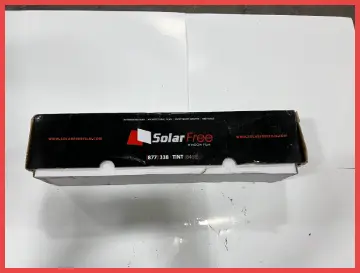
When I first heard about SolarFree window film, I was honestly intrigued. Like many homeowners, I wanted a solution that could reduce indoor heat without spending thousands on new energy-efficient windows.
The promises sounded appealing: lower energy bills, reduced glare, UV protection, and improved privacy. On paper, it looked like a smart investment.
I installed SolarFree film on two west-facing windows in my living room and one bedroom window that gets intense afternoon sunlight.
Right away, I noticed a moderate reduction in glare. Watching TV during the afternoon became easier, and the room did feel slightly cooler during peak sunlight hours. At first glance, it seemed like the product was doing its job.
The installation process, however, was more frustrating than expected. Even after carefully cleaning the glass and following the instructions step by step, the film was difficult to align smoothly.
Tiny bubbles kept appearing, and the adhesive felt inconsistent. If you have never installed window film before, you may find yourself struggling quite a bit.
After about three weeks, I started noticing the first signs of trouble. One corner of the film began peeling slightly, especially on the bedroom window where humidity levels were higher.
The adhesive simply did not feel premium. Over time, the edges collected dust, making the film look cheap and poorly installed even though I spent a lot of time applying it carefully.
Another issue was clarity. During daytime use, visibility was acceptable, but at night the film created a slightly hazy appearance from certain angles.
It was not terrible, but it definitely did not have the clean, polished look that higher-end films offer. If aesthetics matter to you, this can become annoying fairly quickly.
The heat reduction performance also felt inconsistent. Yes, the room was somewhat cooler, but not dramatically.
I expected stronger insulation considering the marketing claims. During extremely hot afternoons, I still needed to rely heavily on air conditioning.
What disappointed me most was the overall value. SolarFree is not the cheapest window film available, yet the quality felt closer to budget-tier products.
When I compared it side by side with premium brands later, the difference became obvious. Better films had smoother finishes, stronger adhesives, clearer visibility, and more noticeable heat rejection.
I also spent time reading customer feedback across various ecommerce platforms and forums. Surprisingly, many people shared similar frustrations.
Common complaints included peeling edges, bubbling after installation, weak adhesive performance, discoloration over time, and customer support delays. Some users were happy initially but became dissatisfied after several months.
That does not mean SolarFree is completely useless. If you need a temporary solution for reducing glare or adding minor privacy at a relatively moderate price point, it may work for you.
But if you are looking for a long-term investment that truly improves comfort and energy efficiency, there are simply better choices available.
By the end of my testing period, I realized SolarFree window film sits in an awkward middle ground. It is not terrible enough to avoid completely, but it also does not deliver enough quality or reliability to stand out positively. For me, that makes it hard to recommend.
What Is Solarfree Window Film?
SolarFree window film is a residential and commercial window tint designed to reduce solar heat, block UV rays, and improve indoor comfort. The product is marketed as an energy-saving solution that can help reduce cooling costs while protecting furniture and flooring from sun damage.
Most SolarFree films use reflective or dyed technology to manage sunlight. Some variants also include privacy features that make it harder for outsiders to see inside during daytime conditions.
The company promotes the film as a cost-effective alternative to replacing windows. Instead of installing expensive insulated glass, users apply the film directly onto existing windows.
While the concept itself is practical, execution matters. Unfortunately, SolarFree does not consistently meet expectations when it comes to durability and overall finish quality.
Key Features Of Solarfree Window Film
- Heat Reduction
The biggest selling point is heat rejection. SolarFree claims to reduce solar heat entering your home, which should help maintain cooler indoor temperatures.
In my experience, the cooling effect was noticeable but moderate. You will likely feel some improvement near sun-facing windows, but do not expect dramatic changes unless you combine the film with proper insulation and curtains.
- UV Protection
One area where SolarFree performs reasonably well is UV blocking. The film does help reduce direct ultraviolet exposure, which can protect furniture, flooring, and fabrics from fading over time.
If your home gets strong sunlight throughout the day, this feature can still provide some value.
- Glare Reduction
Glare reduction was honestly one of the better aspects during my testing. Bright sunlight became less harsh, making screens easier to view.
For home offices or entertainment rooms, this can improve comfort significantly.
- Daytime Privacy
Some SolarFree variants provide mirror-like daytime privacy. During daylight hours, people outside have difficulty seeing indoors while you maintain visibility outward.
However, nighttime privacy is limited because interior lights reverse the reflective effect. That means you still need curtains or blinds after dark.
- Decorative Appearance
Window films can add a modern aesthetic to plain glass. SolarFree gives windows a darker, slightly reflective look that some homeowners enjoy.
Still, lower-grade adhesive quality and occasional bubbling can hurt the appearance over time.
Pros Of Solarfree Window Film
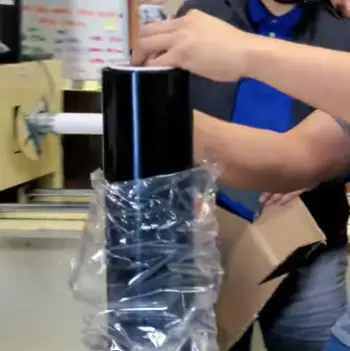
- Affordable Compared to Full Window Replacement
One reason many people consider SolarFree is cost savings. Replacing windows throughout a house can become extremely expensive. Window film offers a cheaper alternative for reducing heat and glare without major renovation work.
If you are on a tight budget, SolarFree may seem attractive initially because it promises energy efficiency without requiring professional construction.
That said, affordability only matters if the product lasts long enough to justify the purchase. Unfortunately, durability concerns weaken the overall value.
- Noticeable Glare Reduction
I genuinely appreciated the glare control during daytime use. Afternoon sunlight became much more manageable, especially in rooms with large windows.
If you work from home or spend hours watching TV near bright windows, you may enjoy the improvement immediately.
The softer lighting also made certain rooms feel more comfortable during peak sunlight hours.
- Some Improvement in Indoor Comfort
Although the heat rejection was not exceptional, it still helped slightly. Rooms exposed to direct sunlight felt less aggressive during the hottest parts of the day.
You probably will not see a dramatic reduction in electricity bills, but you may notice your air conditioner cycling less often in certain situations.
For apartments or smaller rooms, the effect may feel more noticeable.
- UV Protection Helps Preserve Interiors
Sun damage is real. Floors, couches, curtains, and artwork can fade significantly after years of UV exposure.
SolarFree does help minimize that problem to some degree. If you want basic protection for indoor furnishings, the film can contribute positively.
This is especially useful for homes with large glass doors or sunrooms.
- Easier Than Replacing Windows
Even though installation can be frustrating, applying film is still easier and cheaper than replacing entire windows.
You can usually finish smaller rooms within a few hours if you have patience and proper tools.
For renters or temporary living situations, window film offers flexibility without permanent modifications.
- Daytime Privacy Can Be Useful
If your house faces a busy street or nearby neighbors, daytime privacy film can make you feel more comfortable.
I liked that people outside could not easily see inside during daylight hours. It created a slightly more private atmosphere without needing closed curtains constantly.
Still, you should remember that this effect disappears at night when indoor lights are on.
Cons Of Solarfree Window Film
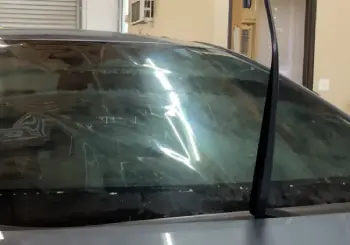
- Adhesive Quality Feels Weak
The biggest problem I encountered was adhesive reliability. Edges started lifting sooner than expected, particularly in humid conditions.
When a film begins peeling, dust accumulates around the edges and ruins the appearance quickly.
This issue appears frequently in customer complaints as well.
- Bubbling Can Become Frustrating
Even careful installation may not prevent bubbling entirely. Some bubbles appear immediately while others develop over time.
Nothing makes window film look cheaper faster than trapped air pockets across the glass.
Higher-quality brands usually provide more forgiving adhesives and smoother finishes.
- Durability Concerns
Long-term durability is where SolarFree struggles the most.
Several users report discoloration, fading, or peeling within a relatively short period. In extreme heat, some films lose effectiveness faster than expected.
When you buy window film, you want something that lasts years, not months.
- Limited Heat Rejection Compared to Premium Brands
While SolarFree does reduce some heat, the performance simply does not compete with premium ceramic or nano-ceramic films.
If your primary goal is maximum heat rejection, you will probably end up disappointed.
Other brands offer stronger insulation technology and more noticeable comfort improvements.
- Installation Is Not Beginner-Friendly
The marketing makes installation seem easy, but real-world application can be tricky.
Tiny mistakes become very visible on glass surfaces. Dust particles, uneven alignment, and trapped moisture can create frustrating imperfections.
If you are inexperienced, you may need professional installation anyway.
- Nighttime Visibility Issues
Some versions create slight haze or reflection distortions at night.
This may not bother everyone, but I personally found it distracting in certain lighting conditions.
Clear visibility matters more than many people realize until they experience reduced optical quality firsthand.
- Customer Service Complaints
Another recurring issue in reviews involves customer support responsiveness.
Some buyers mention slow warranty responses or difficulty resolving product issues.
Good customer service becomes extremely important when dealing with installation or durability problems.
- Not the Best Long-Term Investment
When you factor in possible peeling, replacement needs, and inconsistent performance, SolarFree becomes less attractive financially.
Spending slightly more on a better film often produces stronger long-term value.
In many cases, cheap or mid-range products become expensive once replacement costs enter the picture.
Maintenance Tips For Solarfree Window Film
- Wait Before Cleaning Newly Installed Film
After installation, you should avoid cleaning the windows immediately. Most films need time for the adhesive to cure properly.
I recommend waiting at least one week before touching the surface with cleaning products or cloths.
During this curing period, slight haziness or moisture pockets may appear temporarily.
- Use Gentle Cleaning Solutions
Avoid ammonia-based cleaners because they can damage the film coating over time.
Instead, use mild soap mixed with water or specialized tint-safe cleaning products.
Harsh chemicals can weaken adhesives and shorten the film’s lifespan significantly.
- Always Use Soft Microfiber Cloths
Paper towels and rough cloths can scratch window film surprisingly easily.
I learned this the hard way after noticing tiny surface marks under direct sunlight.
Soft microfiber cloths are much safer and help maintain clarity longer.
- Avoid Sharp Objects Near the Film
Scrapers, blades, or abrasive cleaning pads can permanently damage the film surface.
Even accidental scratches from jewelry or tools may become highly visible.
You should treat window film more carefully than untreated glass.
- Inspect Edges Regularly
Check corners and edges every few weeks, especially during hot weather.
If you notice early peeling, addressing it quickly may prevent larger sections from lifting completely.
Once dirt enters beneath the adhesive, repair becomes much harder.
- Control Indoor Humidity
High humidity can affect adhesive strength over time.
Bathrooms, kitchens, and humid climates may accelerate peeling if ventilation is poor.
Using exhaust fans or dehumidifiers may help preserve film performance longer.
- Limit Excessive Heat Exposure During Installation
Applying film during extremely hot weather can create installation challenges.
Moderate temperatures usually produce better adhesion and smoother results.
If possible, install the film during cooler morning or evening hours.
- Keep Expectations Realistic
One important maintenance tip is understanding the product’s limitations.
SolarFree is not a miracle solution. It may improve comfort slightly, but it will not completely transform indoor temperatures or eliminate energy costs.
Managing expectations helps avoid disappointment later.
Comparison Of Solarfree Window Film With Other Brand
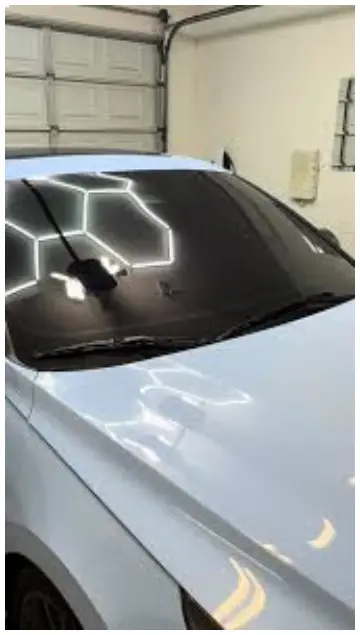
- SolarFree vs 3M Window Film
When comparing SolarFree with 3M window film products, the quality gap becomes obvious quickly.
3M films generally offer better clarity, stronger heat rejection, and far superior durability. Adhesive quality also feels much more professional.
The downside is price. 3M costs more upfront, but the long-term reliability often justifies the investment.
If your budget allows it, I would personally choose 3M every time.
- SolarFree vs Gila Window Film
Gila occupies a similar budget-friendly category, but I found Gila slightly easier to install.
Gila films also seem to have fewer peeling complaints overall.
Neither brand competes with premium ceramic films, but Gila delivers more consistent value for casual home use.
- SolarFree vs Llumar Window Film
LLumar is widely respected in the automotive and residential tint industry for good reason.
The optical clarity is cleaner, heat rejection is stronger, and durability is substantially better.
SolarFree simply cannot match the premium feel or long-term performance of Llumar products.
- SolarFree vs Ceramic Window Films
Ceramic films from premium manufacturers outperform SolarFree in nearly every category.
You get better heat rejection without excessively dark tint, improved visibility, and stronger longevity.
The upfront cost is higher, but ceramic films usually provide noticeably better comfort and energy savings.
Is Solarfree Window Film Worth It?
After using SolarFree and comparing it against competing brands, my answer is mostly no.
It is not the worst window film available, but it struggles to justify itself in a crowded market full of stronger alternatives.
The moderate heat reduction and decent glare control are positives, but the adhesive issues, bubbling risks, inconsistent durability, and underwhelming long-term value make it difficult to recommend confidently.
If you only need a temporary or low-budget solution, you might tolerate the compromises. But if you want lasting performance and a polished appearance, spending more on a higher-quality brand is the smarter move.
Who Should Avoid Solarfree Window Film?
You should probably avoid SolarFree if:
- You want long-term durability
- You expect premium optical clarity
- You live in very humid climates
- You are inexperienced with film installation
- You want maximum heat rejection
- You dislike maintenance hassles
- You prefer products with stronger customer support
For serious energy efficiency upgrades, better options exist.
Also Read: Is Rabbitgoo Window Film Worth It?
Frequently Asked Questions (FAQ)
Many professionals consider brands like 3M, LLumar, and FormulaOne among the best because they offer stronger durability, better heat rejection, and clearer visibility than many budget competitors.
Solar films can peel, bubble, discolor, reduce nighttime visibility, and sometimes interfere with indoor lighting quality. Lower-quality films may also have weak adhesives and shorter lifespans.
Ceramic window films are generally considered the best overall because they provide strong heat rejection without making windows excessively dark. Premium brands usually outperform cheaper alternatives in durability and clarity.
Daytime privacy films, reflective films, and one-way mirror films can help you see outside while limiting visibility from outdoors during daylight hours. However, most lose effectiveness at night when interior lights are turned on.
Final Verdict
After testing SolarFree window film and analyzing widespread customer feedback, I cannot honestly recommend it for most homeowners.
While it offers decent glare reduction and minor heat control, the durability concerns and adhesive problems outweigh the benefits.
You may save money initially, but frequent replacement or cosmetic issues can become frustrating over time.
If you truly want reliable heat rejection, cleaner appearance, and better long-term performance, investing in a premium window film brand will likely leave you far more satisfied.
Recent Posts
● Interactive 5-Zone Interior & Exterior Paint Blueprint Paint Coverage Calculator: Gallons, Primer, Square Footage & Cost Tap any architectural surface zone on the blueprint...
If you want smooth, shiny hair without spending a fortune on a premium styling tool, the Ella Bella hair dryer may be worth considering.In these Ella Bella hair dryer reviews, I’ll look...