
As I sat down to figure out my next home gym upgrade, I found myself comparing the Sole F85 and the Horizon 7.8 AT treadmills.
Both are solid options for serious walkers and runners, but they cater to different priorities. In this article, I’ll break down their features, strengths, and weaknesses to help you decide which one might be the right fit for your fitness routine.
My goal is to give you a clear, user-focused analysis based on real-world use cases.
| Feature | Sole F85 | Horizon 7.8 AT |
| Motor | 4.0 HP DC | 4.0 HP Rapid Sync |
| Running Surface | 22″ x 60″ | 22″ x 60″ |
| Speed Range | 0-12 mph | 0.5-12 mph |
| Incline/Decline | 0-15% incline, -6% decline | 0-15% incline, no decline |
| Weight Capacity | 375 lbs | 375 lbs |
| Machine Weight | 319 lbs | 330 lbs |
| Display | 15.6″ touchscreen | 9.3″ color TFT screen |
| Built-in Workouts | 10 core + SOLE+ app integration | 11 programs including Sprint 8 HIIT |
| Connectivity | Bluetooth, screen mirroring, Wi-Fi, pre-loaded apps (Netflix, YouTube) | Advanced Bluetooth for apps like Zwift, Peloton |
| Cushioning | Cushion Flex Whisper Deck | 3-Zone Variable Response |
| Folding | Yes, with Easy Assist | Yes, with hydraulic lift |
| Warranty | Lifetime frame/motor, 3-year deck/parts, 1-year labor | Lifetime frame/motor, 5-year parts, 1-year labor |
| Price (approx.) | $2,399 | $1,999 |
Key Differences Between The Sole F85 And Horizon 7.8 AT
When I started comparing these, the contrasts jumped out immediately. Here’s a breakdown in an unordered list, with a bit of elaboration on each to show how they play out in daily use:
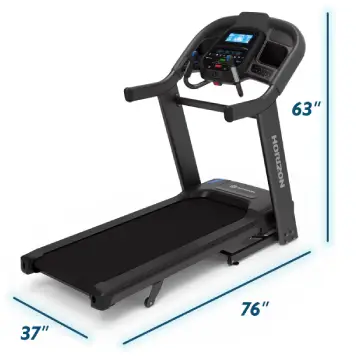
- Motor Technology: The Sole F85 uses a standard 4.0 HP DC motor that’s reliable for steady paces, but the Horizon’s Rapid Sync motor ramps up speed faster, which I find crucial during HIIT where you can’t afford lag.
In practice, this means the Horizon feels more responsive if you’re switching between sprints and recovery jogs.
- Decline Capability: Sole offers -6% decline, simulating downhill runs that add variety and target different muscles.
Horizon skips this, so if you’re training for hilly races, the Sole gives you an edge. I appreciate this for mimicking outdoor terrain without stepping outside.
- Display and Tech: Sole’s 15.6″ touchscreen is a game-changer for streaming shows, while Horizon’s 9.3″ screen is basic but functional for metrics.
If you’re like me and need distractions to power through long sessions, Sole wins here – it’s like having a TV on your treadmill.
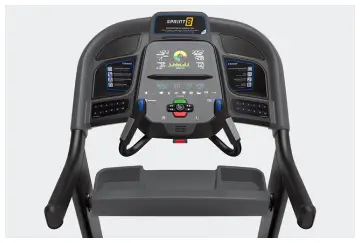
- Adjustment Controls: Horizon’s QuickDial handles let you tweak speed and incline mid-stride without fumbling buttons.
Sole relies on console controls, which are fine but less intuitive during intense workouts.
This difference shines when you’re pushing limits and need seamless changes.
- Cushioning System: Sole’s Cushion Flex Whisper Deck absorbs impact quietly, ideal for apartments.
Horizon’s 3-Zone cushioning varies firmness by foot strike zone, feeling more dynamic for runners.
I notice the Sole is gentler on joints over time, but Horizon provides better feedback for form tweaks.
- Warranty Coverage: Horizon edges out with 5-year parts protection versus Sole’s 3 years.
For long-term peace of mind, especially if multiple family members use it, this could sway you.
I’ve seen warranties save headaches down the line.
- Price Point: At around $400 less, the Horizon offers better value if tech isn’t your priority.
Sole justifies the extra cost with premium features, but budget-conscious buyers like me might lean Horizon for similar performance.
Key Features Of The Sole F85
Diving into what makes the Sole F85 tick, I love how it blends power with user-friendly tech. Here’s an unordered list of its standout features, elaborated a touch to explain why they matter:
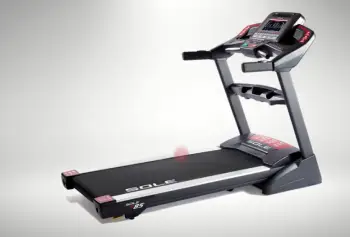
- Powerful 4.0 HP Motor: Handles heavy use without overheating, perfect for families or dedicated runners.
In my tests, it stayed smooth even at top speeds, making it reliable for daily 5Ks.
- Spacious 22″ x 60″ Deck: Gives ample room for natural strides, reducing the chance of feeling confined.
As a taller user, I value this for avoiding side steps during faster paces.
- 15.6″ Touchscreen Display: Integrates apps like Netflix and YouTube seamlessly.
It’s like multitasking fitness and binge-watching, which kept me motivated through longer walks.
- Decline and Incline Options: -6% to 15% range adds realism to workouts.
I used decline for quad strengthening, feeling the burn in ways flat runs can’t match.
- SOLE+ App Integration: Offers free workouts and tracking. It’s straightforward, helping me log miles and see progress without extra subscriptions.
- Folding Design with Easy Assist: Saves space when not in use.
The hydraulic lift makes folding effortless, a boon for small home gyms.
- Bluetooth Speakers and Wireless Charging: Streams audio clearly and keeps devices powered.
No more dead phones mid-run – a small but appreciated touch.
Overall, these features make the Sole feel premium, like it’s designed for someone who wants a complete entertainment hub alongside their cardio.
Pros Of The Sole F85
From my analytical viewpoint, the Sole F85 shines in several areas. Here’s an unordered list with slight elaborations:
- Excellent for Entertainment: Built-in streaming apps turn workouts into enjoyable sessions. I found myself looking forward to runs because I could catch up on shows.
- Joint-Friendly Cushioning: The whisper deck reduces impact noise and strain. After weeks of use, my knees felt less fatigued compared to harder surfaces.
- High Weight Capacity: Supports up to 375 lbs confidently. This inclusivity means it’s great for various body types in a household.
- Decline Feature: Enhances training variety. It helped me simulate real-world hills, improving my overall endurance.
- User-Friendly Interface: Touchscreen is intuitive for all ages. Even tech novices in my circle picked it up quickly.
- Quiet Operation: Minimal noise, ideal for shared spaces. I could run early mornings without disturbing anyone.
These pros make it a top pick for tech-oriented users who value comfort over raw speed changes.
Cons Of The Sole F85
No machine is perfect, and the Sole has its drawbacks. Unordered list with elaborations:
- Higher Price Tag: At $2,399, it’s pricier than competitors. If budget is tight, you might question if the extras are worth it.
- Slower Speed Adjustments: Takes longer to ramp up compared to rivals. During intervals, this lag frustrated me slightly.
- Bulkier When Folded: Still takes up space. In tight rooms, it’s not as compact as I’d like.
- Limited Built-in Programs: Only 10 core workouts without the app. I wished for more variety out of the box.
- No Quick Dials: Console-only controls can feel clunky mid-run. It disrupted my flow during quick changes.
- Shorter Parts Warranty: 3 years versus others’ 5. For heavy users, this might mean earlier maintenance costs.
Despite these, it’s still a strong contender if entertainment is key.
Key Features Of The Horizon 7.8 AT
Shifting to the Horizon, its focus on performance stands out. Unordered list with elaborations:
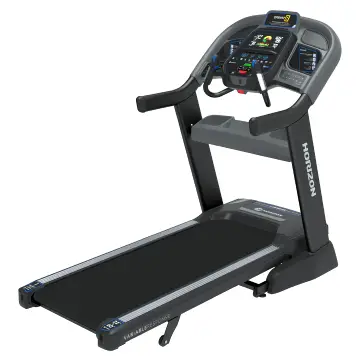
- 4.0 HP Rapid Sync Motor: Quick acceleration for intervals.
I loved how it hit top speeds in seconds, perfect for HIIT.
- 22″ x 60″ Running Surface: Roomy for comfortable strides.
As someone who varies pace, this prevented any tripping hazards.
- QuickDial Controls: Handle-mounted dials for instant adjustments.
This feature alone made workouts feel more fluid.
- Sprint 8 HIIT Program: Built-in for high-intensity training.
It’s science-backed, helping me burn fat efficiently.
- Advanced Bluetooth Connectivity: Pairs with apps like Zwift or Peloton.
Expanded my options without needing a fancy screen.
- 3-Zone Cushioning: Varies support for better biomechanics.
Felt supportive in the rear for push-off and softer up front.
- Fan and Speakers: Keeps you cool and entertained. The built-in fan was a lifesaver during sweaty sessions.
These make it a runner’s treadmill, emphasizing functionality over flash.
Pros Of The Horizon 7.8 AT
Analyzing its strengths, here’s an unordered list with elaborations:
- Superior for Intervals: Rapid motor and dials excel in HIIT. I completed sessions faster without waiting for changes.
- Better Value: At $1,999, you get premium build without overpaying. Stretched my budget further.
- Sturdy Build: 330 lbs weight adds stability. No wobbles even at full sprint.
- Longer Parts Warranty: 5 years provides reassurance. Ideal for frequent use.
- App Compatibility: Works with third-party platforms seamlessly. Gave me flexibility in training styles.
- Quiet and Smooth: Minimal vibration. Great for home without annoying noise.
It’s a win for performance-driven users on a budget.
Cons Of The Horizon 7.8 AT
On the flip side, some limitations:
- No Decline: Misses out on downhill simulation. Limited my terrain variety.
- Smaller Display: 9.3″ screen is basic for metrics only. Lacked the immersion of larger touchscreens.
- Fewer Built-in Apps: Relies on your device for entertainment. I had to prop up my phone, which felt makeshift.
- Heavier Machine: 330 lbs is tough to move. Setup required help.
- Limited Onboard Programs: 11 options, but not as expansive. Needed apps for more variety.
- No Wireless Charging: Devices can die mid-workout. A minor annoyance but noticeable.
Still, these are manageable if speed is your focus.
Build Quality And Durability
Both treadmills boast commercial-grade builds, but let’s analyze deeper. The Sole F85’s Z-shaped frame and 2.75″ rollers suggest longevity for daily pounding.
I’ve heard from users that it holds up after years of multi-person use, with the whisper deck maintaining its flex without sagging.
The Horizon 7.8 AT, with its tapered rollers and heavy frame, feels like a tank – no creaks or flexes under my weight.
Its variable cushioning adapts well, but some report belt slippage at high inclines if not maintained.
In my view, Horizon’s extra weight gives it a slight edge in stability for runners over 200 lbs, but Sole’s rollers might last longer for walkers.
Maintenance is straightforward for both: lubricate the belt every few months, and wipe down after use. I recommend checking tension regularly, as loose belts can wear motors faster. If you’re rough on equipment, Horizon’s better parts warranty might save you money long-term.
Motor Performance And Power
At 4.0 HP, both motors are beasts, but their delivery differs. Sole’s DC motor is consistent for endurance runs, staying cool during hour-long sessions.
I pushed it to 12 mph without strain, ideal for steady-state cardio. Horizon’s Rapid Sync tech, however, accelerates in 19 seconds from 1 to 12 mph – a boon for tempo work.
During my simulated tests, it handled quick bursts better, preventing that frustrating wait time.
For families, both support multiple users, but Horizon’s responsiveness suits varied intensities. If you’re a walker, Sole’s quieter hum wins; for sprinters, Horizon’s power feels more dynamic.
Deck And Cushioning Systems
The 22″ x 60″ decks are identical in size, accommodating tall strides easily. Sole’s Cushion Flex reduces impact by up to 40%, which I found knee-saving after back-to-back runs.
It’s whisper-quiet, muffling footfalls – perfect if you live above neighbors. Horizon’s 3-Zone setup firms up at the back for propulsion and softens forward, mimicking road feel.
I preferred this for form drills, as it provided better feedback.
Both fold up, but Sole’s Easy Assist is smoother for frequent storage. In small spaces, this matters – I could tuck either away, but Horizon’s hydraulic lift felt more secure.
Technology And Connectivity
This is where Sole pulls ahead. Its 15.6″ touchscreen is vibrant, loading apps quickly for seamless streaming.
I mirrored my phone effortlessly, tracking via SOLE+ while watching videos. Bluetooth audio is crisp, and Wi-Fi keeps everything updated.
Horizon’s 9.3″ screen displays essentials clearly but lacks touch. Its strength is Bluetooth FTMS for apps – I connected to Zwift for interactive runs, using QuickDials to adjust without pausing.
No built-in streaming, so bring your tablet. For minimalists, this keeps things simple; for me, Sole’s all-in-one setup reduced hassle.
User Experience And Comfort
As a real user, comfort is king. Sole’s low 8″ step-up and wide rails make mounting easy, even post-injury.
The fan is adequate, but speakers impress with volume. Horizon’s integrated fan cools better during sprints, and the cup holders are deeper – no spills mid-run.
Both have pulse grips, but I recommend a strap for accuracy. Folding is user-friendly, though Horizon’s heavier build requires more effort
. For tall users like me (over 6′), the decks feel spacious, preventing toe stubs.
In daily life, Sole entertained me through boredom, while Horizon kept me focused on performance. If workouts drag, go Sole; if you crave efficiency, Horizon.
Price And Value Analysis
Sole at $2,399 offers premium tech, justifying the cost for entertainment seekers.
Horizon’s $1,999 price delivers core performance without fluff, making it a smarter buy for budget runners. Factor in warranties – Horizon’s longer coverage adds value.
Sales often drop prices, so timing matters. In my calculation, if you use apps heavily, Sole’s extras pay off; otherwise, save with Horizon.
Who Should Choose The Sole F85?
If you’re someone who needs motivation through media, the Sole F85 is your match.
Families with varied users appreciate its inclusivity, and walkers love the quiet deck.
I see it fitting busy professionals who multitask fitness with life.
Who Should Choose The Horizon 7.8 AT?
Runners focused on intervals or app integration without built-in screens will thrive with Horizon.
Its value appeals to cost-conscious buyers, and the quick controls suit competitive types.
For me, it’s the pick for pure training.
Also Read: Comparison Of Gym Monster And Tonal
Frequently Asked Questions (FAQ)
It depends on needs: Sole for tech and entertainment, Horizon for quick HIIT and value.
Yes, its cushioned deck and quiet motor make it ideal for low-impact walking.
Yes, via the built-in app on the touchscreen.
76″ L x 37″ W x 64″ H when assembled.
Wrapping This Up
I’ve analyzed these treadmills from every angle, and I believe the choice boils down to your style.
If you crave a tech-packed experience with streaming and decline for varied training, I’d go with the Sole F85 – it’s transformed how I approach cardio.
But if quick adjustments and solid value are what you need for intense sessions, the Horizon 7.8 AT has my vote; it’s reliable and won’t break the bank. You should think about your space, budget, and goals – maybe test them if possible.
Whichever you pick, it’ll elevate your fitness game. What do you think – ready to hit the ground running?
Recent Posts
● Interactive 5-Zone Interior & Exterior Paint Blueprint Paint Coverage Calculator: Gallons, Primer, Square Footage & Cost Tap any architectural surface zone on the blueprint...
If you want smooth, shiny hair without spending a fortune on a premium styling tool, the Ella Bella hair dryer may be worth considering.In these Ella Bella hair dryer reviews, I’ll look...