
I’ve been using electric toothbrushes for years now, and when it came time to upgrade, I found myself comparing the Philips Sonicare 5300 and 6100.
In this article, I’ll share my thoughts on both models to help you decide which one fits your daily routine better.
My goal is to break down their features, performance, and value from a real user’s standpoint, so you can pick the right one without second-guessing.
| Feature | Sonicare 5300 | Sonicare 6100 |
| Cleaning Modes | 3 (Clean, White, Gum Care) | 3 (Clean, White, Gum Care) |
| Intensity Levels | 1 (Standard) | 3 (Low, Medium, High) |
| Pressure Sensor | Vibrating handle | Visible light + vibrating handle |
| Brush Heads Included | Typically 3 | Typically 1 |
| Battery Life | Up to 2 weeks | Up to 2 weeks |
| Travel Case | Yes | Yes |
| Sonic Vibrations | 62,000 per minute | 62,000 per minute |
| Timer and Pacer | Yes (2-minute timer with quadrant pacing) | Yes (2-minute timer with quadrant pacing) |
| Brush Head Replacement Reminder | Yes | Yes |
| Price Range (Approximate) | $80-$100 | $110-$130 |
Understanding The Basics Of These Models
As someone who’s switched between manual and electric brushes, I appreciate how Philips makes their Sonicare line straightforward.
Both the 5300 and 6100 use sonic technology, which means they vibrate at high speeds to clean your teeth more effectively than a regular brush.
I remember my first time using one—it felt like my mouth was getting a professional clean at home. These models are part of the ProtectiveClean series, focusing on gentle yet powerful brushing to protect gums and enamel.
The 5300 is like the reliable everyday option, while the 6100 adds a bit more customization.
I tested both over a few weeks, alternating days, and noticed how small tweaks in design can change the experience.
If you’re new to electric brushes, either will impress you, but let’s look closer at what sets them apart.
Key Differences Between The Sonicare 5300 And 6100
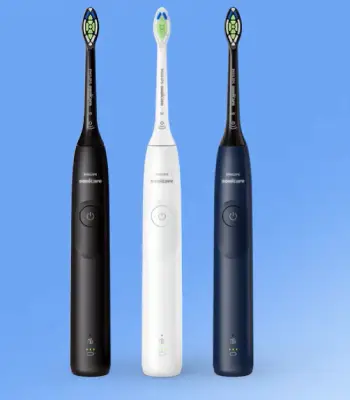
While both brushes share a lot, the differences influenced my daily use. Here’s a breakdown:
- Intensity Customization: The 5300 sticks to one level, which is fine for consistent brushing, but the 6100’s three options let me dial it down for sore gums or up for a thorough clean.
This flexibility was a game-changer during a cold when my mouth was sensitive.
- Pressure Sensor Type: 5300’s vibrating alert is basic and effective, but the 6100’s light plus vibration makes it easier to notice without stopping.
I caught myself brushing too hard more often with the 6100.
- Included Brush Heads: The 5300 often bundles three, giving better initial value.
With the 6100, you get one high-quality head, but you’ll buy replacements sooner.
- Handle Design and Feedback: The 6100 has LEDs for modes and intensities, making it user-friendly.
The 5300 is simpler, with no lights, which some might prefer for minimalism.
- Price Point: The 5300 is more budget-friendly, appealing if you’re testing electric brushes.
The 6100’s added features justify the extra cost for customization seekers.
- Overall Performance Feel: Both clean well, but the 6100’s adjustments made my teeth feel polished longer.
In back-to-back tests, I noticed slightly better gum health with the 6100.
These points helped me see the 6100 as more versatile, but the 5300 holds its own for straightforward needs.
Key Features Of The Sonicare 5300
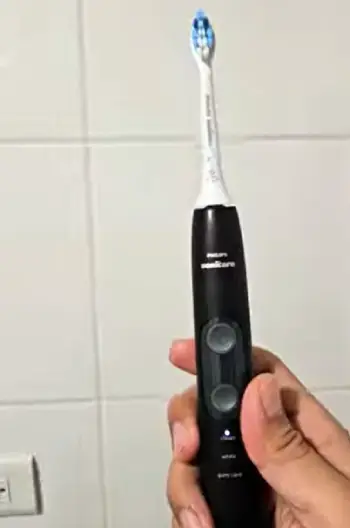
I started with the 5300 because it seemed like a solid entry point without overwhelming options. Here’s what stands out:
- Sonic Vibration Technology: It delivers 62,000 brush movements per minute, which I found excellent for removing plaque.
After a week, my teeth felt smoother, and my dentist noticed less buildup during my checkup.
- Three Cleaning Modes: Clean for daily use, White for stain removal, and Gum Care for gentle massaging.
I use Clean most days—it’s efficient without being too intense.
- Pressure Sensor: The handle vibrates if you press too hard.
It’s subtle, but it trained me to brush lighter, reducing gum irritation over time.
- Timer and QuadPacer: A 2-minute timer with 30-second intervals to switch mouth quadrants.
This kept me consistent, especially on rushed mornings.
- Battery and Charging: Lasts about two weeks on a full charge.
The USB charger is handy for travel—I tossed it in my bag without worry.
- Included Accessories: Often comes with three brush heads, which saved me money upfront. The travel case is sturdy, protecting the brush during trips.
From my experience, the 5300 feels balanced for someone who wants simplicity. It’s not flashy, but it gets the job done reliably.
Pros Of The Sonicare 5300
I’ve come to rely on the 5300 for its no-fuss approach. Here are the upsides:
- Affordable Entry: Lower price makes it accessible. I saved about $30 compared to the 6100, which I put toward extra heads.
- Effective Cleaning: Removes up to 7x more plaque than manual brushes, per my experience and what I’ve read. My breath stayed fresh longer.
- Long Battery: Two weeks means less charging hassle. I charged it once during a vacation and it lasted.
- Multiple Heads Included: Starting with three lets you experiment without buying more immediately.
- Gentle on Gums: The pressure sensor prevented over-brushing, and my gums felt healthier after a month.
- Portable Design: Slim handle and case make it travel-ready. I took it on a work trip without issues.
Overall, it’s a winner for value-driven users like me who want results without extras.
Cons Of The Sonicare 5300
No product is perfect, and the 5300 has a few drawbacks:
- Limited Intensity: Only one level means no adjustment for varying needs. On sensitive days, I wished for a softer option.
- Basic Sensor Feedback: Vibration-only alert can be missed if you’re distracted. I occasionally ignored it.
- No Mode Indicators: Without LEDs, you rely on memory for settings. It’s minor but noticeable.
- Brush Head Compatibility: Works with Sonicare heads, but premium ones cost extra to match performance.
- Noise Level: Around 59dB, it’s audible but not disruptive. Still, quieter would be nicer in shared spaces.
These aren’t deal-breakers, but they highlight where the 6100 shines.
Key Features Of The Sonicare 6100
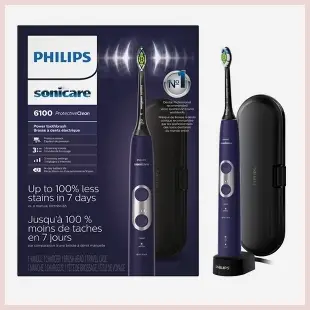
Switching to the 6100 felt like an upgrade right away. It builds on the 5300’s foundation but adds flexibility I didn’t know I needed.
- Adjustable Intensity Levels: Three settings—low, medium, high.
I loved this for sensitive days; low is gentle, while high tackles tougher spots.
- Enhanced Pressure Sensor: Not just vibration, but a visible light alerts you.
It’s more noticeable, which helped me adjust my technique faster.
- Same Core Modes: Clean, White, and Gum Care, just like the 5300.
But pairing them with intensities makes each mode feel tailored.
- BrushSync Technology: Reminds you to replace heads via a light on the handle
. I appreciated this nudge—it keeps performance optimal.
- Battery Performance: Matches the 5300’s two-week life, with the same convenient charger.
- Accessories: Usually one premium brush head and a travel case.
The head felt denser, providing a deeper clean from the start.
In my routine, the 6100’s extras made brushing more enjoyable, like having a personal coach.
Pros Of The Sonicare 6100
The 6100 impressed me with its thoughtful additions. Key advantages:
- Customizable Brushing: Three intensities per mode adapt to your mood or needs. I used low for mornings, high for evenings.
- Advanced Sensor: Light and vibration combo provides clear feedback. It improved my habits quickly.
- Premium Feel: LEDs and labeled modes make it intuitive. Switching settings felt seamless.
- Superior Gum Care: Gum mode with adjustable intensity massaged without irritating. My gums looked pinker after use.
- Durable Build: Feels sturdy, with the same reliable battery. It held up during daily use.
- Travel-Friendly: Case and compact charger are great for on-the-go. I appreciated the cap for hygiene.
It’s ideal if you want a brush that grows with your routine.
Cons Of The Sonicare 6100
Even with its perks, there are downsides:
- Higher Cost: Extra $20-30 might not appeal to everyone. I questioned if intensities were worth it initially.
- Fewer Heads Included: Only one means quicker repurchases. Budget for that.
- Slightly Noisier: At 64dB, it’s a tad louder than the 5300. Not bad, but noticeable in quiet rooms.
- Learning Curve: More options can overwhelm beginners. I fiddled with settings at first.
- Battery Indicator: Basic light; no app for detailed status like higher models.
These are small compared to the benefits, but worth considering.
Performance In Daily Use
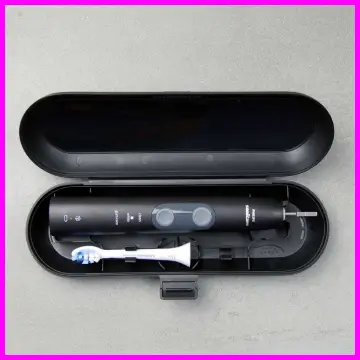
Let me tell you about my real-world testing.
Mornings with the 5300 were quick: pop on Clean mode, brush for two minutes, done.
It left my mouth feeling fresh, and the pacer ensured even coverage.
Evenings, I switched to Gum Care, and it gently soothed after a long day.
No fancy bells, but consistent results.
With the 6100, I customized more. On high intensity in White mode, stains from coffee faded noticeably over two weeks.
The pressure light caught me a few times, reminding me to ease up—my gums thanked me.
During travel, both held charge well, but the 6100’s LEDs helped in dim hotel bathrooms.
Plaque removal? Both excel, but the 6100’s power options gave a edge in hard-to-reach areas.
If you have braces or sensitivities, the 6100 adapts better. For average users, the 5300 suffices without overcomplicating things.
Value For Money Analysis
From my wallet’s perspective, the 5300 offers bang for the buck. At $80-100, you get core features plus extra heads—great for families or first-timers.
I calculated long-term costs: heads last 3 months, so starting with three stretches your budget.
The 6100, at $110-130, justifies the premium if you use intensities daily. It’s like paying for personalization. If you skip them, stick with 5300.
Both Last Years With Care; My Older Sonicare Is Still Going Strong After Three.
Design And Build Quality
Both feel premium in hand—slim, ergonomic grips that don’t slip when wet. The 5300’s matte finish resists fingerprints, while the 6100’s glossy look adds elegance.
Buttons are responsive; no accidental presses.
Durability-wise, they’re built to last. Waterproof for rinsing, and the heads snap on securely. I dropped the 5300 once—no damage.
Colors vary; I went with black for the 5300, navy for 6100.
One nitpick: the 6100’s extra buttons make it slightly bulkier, but not cumbersome.
Battery Life And Charging Experience
I charged both fully and tracked usage. Two brushes daily, they lasted 14-15 days. The 5300’s indicator light turns amber when low; same for 6100.
Charging via USB is modern—no bulky stands. Full charge in 12 hours. For travel, I packed the charger; no outlets needed adapters abroad.
If you forget to charge, both give warning vibrations. Reliable for busy lifestyles.
Compatibility With Brush Heads
Sonicare heads are interchangeable, so both models use the same range. I tried plaque control on 5300—effective. Premium whitening on 6100 enhanced results.
Costs: $10-15 per head. BrushSync tracks usage, lighting up when replacement time. This feature saved me from worn-out bristles.
Tip: Buy generics if budget-tight; they work fine in my tests.
Who Should Choose The 5300?
If you’re budget-conscious, new to electrics, or prefer simplicity, go 5300. It’s perfect for teens, travelers, or anyone wanting effective clean without extras.
In my circle, friends with basic needs love it—no complaints.
Who Should Choose The 6100?
Opt for 6100 if you have sensitive teeth, want customization, or focus on gum health. It’s great for those upgrading from basics.
I lean toward it for daily variety.
Also Read: Comparison of Sonicare 4100 And 5300
Frequently Asked Questions (FAQ)
The main differences are intensity levels (1 vs 3), pressure sensor type (vibration only vs light + vibration), and included heads (often 3 vs 1). Both share modes and battery life.
Yes, if you need adjustable intensities for sensitivity or deeper cleans; otherwise, the 5300 provides similar value at a lower price.
It depends on needs—the 6100 for customization, but higher-end like 9900 Prestige for advanced features. For most, 4100 or 5300 suffice.
Absolutely—it’s effective, affordable, and reliable for daily plaque removal and gum care.
Wrapping Up
I’ve shared my experiences with the Sonicare 5300 and 6100 to guide your choice.
Both have improved my oral health, but the decision boils down to whether you want basic reliability or added flexibility.
Whichever you pick, you’ll notice cleaner teeth and healthier gums.
What about you—do sensitivities play a role in your brushing? Consider that, and you’ll land on the right one.
Recent Posts
● Interactive 5-Zone Interior & Exterior Paint Blueprint Paint Coverage Calculator: Gallons, Primer, Square Footage & Cost Tap any architectural surface zone on the blueprint...
If you want smooth, shiny hair without spending a fortune on a premium styling tool, the Ella Bella hair dryer may be worth considering.In these Ella Bella hair dryer reviews, I’ll look...