
I decided to put stucco and vinyl siding side by side after years of watching homeowners wrestle with the same choice I faced on my own place.
My goal here is straightforward: walk you through the real trade-offs in cost, durability, upkeep, climate fit, and long-term value so you can pick the exterior that actually matches your budget, climate, and how long you plan to stay.
| Factor | Vinyl Siding | Stucco |
| Installed cost per sq ft | $3.50–$7.00 (up to $12) | $6.00–$9.00 (up to $17) |
| Typical 2,000 sq ft home | $7,000–$14,000 | $12,000–$34,000 |
| Lifespan | 20–40 years | 50–80+ years |
| Maintenance | Occasional rinse | Crack checks, occasional paint |
| Installation | Fast, panel-based | Multi-coat, skilled labor |
| Fire resistance | Combustible | Non-combustible |
| Best climate | Most climates | Hot, dry preferred |
| Finish | Visible seams, many profiles | Seamless, textured |
Key Differences Between Stucco And Vinyl Siding
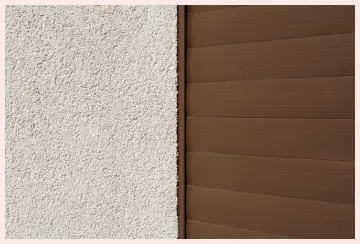
- Material composition: Vinyl starts as polyvinyl chloride formed into interlocking panels while stucco uses a cement-lime-sand mix applied in layers over lath.
One feels plastic and flexible, and the other feels solid and masonry-like.
- Installation process: Vinyl crews hang panels over house wrap in a few days, but stucco needs a scratch coat, brown coat, and finish coat with curing time between each.
The stucco job therefore stretches longer and demands more skill.
- Appearance and curb appeal: Vinyl gives clean horizontal or vertical lines with visible joints.
Stucco creates one continuous surface that can look Mediterranean, Southwestern, or contemporary depending on the texture you choose.
- Thermal and moisture behavior: Standard vinyl offers modest insulation, and insulated versions improve it.
Traditional stucco has low R-value on its own yet pairs well with foam systems, while vinyl sheds water easily if the details are correct.
- Repair approach: A damaged vinyl panel often swaps out cleanly if the color still matches.
Stucco repairs require matching the exact texture and color, which can leave a visible patch if the original finish has aged.
Key Features Of Vinyl Siding
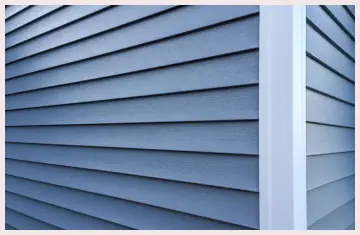
- Interlocking panel design: Panels lock together and nail through a top flange so the surface can expand and contract with temperature swings without buckling when the gaps are right.
- Color-through composition: Most modern vinyl carries color all the way through the material rather than as a surface coating, and this helps it resist fading better than older painted products.
- Lightweight construction: The material adds almost no structural load, which makes it practical for older homes or second-story work where weight matters.
- Wide profile selection: You can choose traditional lap, Dutch lap, board-and-batten, shake, or vertical styles, and a range of thicknesses affects rigidity and impact resistance.
- Optional insulation backing: Foam-backed panels raise the R-value and can cut drafts along the wall plane, something bare vinyl does not do well on its own.
Pros Of Vinyl Siding
- Lower upfront cost: In most markets vinyl lands well below stucco on the initial invoice, and this frees budget for windows, roofing, or other upgrades.
- Minimal ongoing upkeep: A soft brush and hose once or twice a year usually keep it looking presentable. No scraping, sanding, or regular painting cycles are required.
- Faster project timeline: A crew can often finish a typical house in days rather than weeks, and this reduces the period of disruption around your property.
- Broad color and style range: You can match almost any architectural style without waiting for custom mixes, and replacement panels stay available for years.
- Good moisture performance: The material itself does not absorb water, and when it is installed over proper wrap and flashing it sheds rain effectively.
Cons Of Vinyl Siding
- Shorter service life: Even quality vinyl usually needs full replacement somewhere between twenty and forty years, especially in high-sun or high-impact areas.
- Vulnerability to extreme temperatures: Cold snaps can make thinner panels brittle and prone to cracking from hail or baseballs. Extreme heat can cause warping if the panels were installed too tight.
- Visible seams and potential for fading: Joints remain part of the look. Darker colors tend to show more color shift over decades than lighter ones do.
- Lower impact and fire resistance: A hard hit can leave a permanent dent or hole, and the material will melt or burn under direct flame exposure.
- Resale perception in some markets: In neighborhoods dominated by masonry or stucco, vinyl can read as the less expensive option even when it is well installed.
Key Features Of Stucco
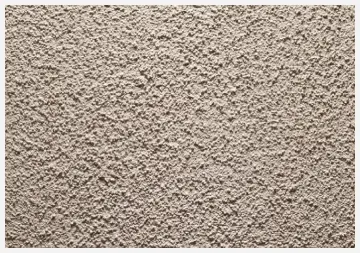
- Multi-layer application: Traditional three-coat work builds a hard shell over metal or fiberglass lath, and this creates a solid exterior that feels permanent once it has cured.
- Texture and color flexibility: Finish coats accept smooth, sand, lace, or Spanish-style textures, and integral color or paint can produce almost any shade you want.
- Fire and impact resistance: Cement-based stucco earns a high fire rating, and it shrugs off hail better than thin vinyl in most cases.
- Seamless surface: No panel lines mean the exterior reads as one continuous plane, which many people prefer for clean modern or Mediterranean looks.
- Compatibility with insulation systems: Exterior Insulation and Finish Systems place foam board under the finish, and this combines the look of stucco with higher energy performance.
Pros Of Stucco
- Exceptional longevity: Properly detailed and maintained stucco routinely lasts fifty to eighty years or more, and it often outlives the original owners of the house.
- Superior fire performance: Cement stucco is non-combustible, and it can help slow the spread of exterior fires, which is a real advantage in wildfire-prone regions.
- Seamless, high-end appearance: The continuous surface gives a custom look that many buyers associate with quality construction.
- Strong wind and impact resistance: Once cured, the shell handles high winds and moderate hail better than standard vinyl panels do.
- Potential energy benefits with modern systems: Traditional stucco has thermal mass, and EIFS versions add foam insulation that improves the wall’s overall R-value.
Cons Of Stucco
- Higher installed cost: Labor intensity and multi-coat application push the price above vinyl in nearly every market.
- Cracking risk: Foundation movement, seismic activity, or freeze-thaw cycles can open hairline cracks that need prompt attention to keep water out.
- Climate sensitivity: In wet or freeze-thaw regions the system demands careful flashing, weep screeds, and drainage planes. Poor detailing leads to expensive repairs later.
- More involved maintenance: You will walk the walls looking for cracks, and every eight to fifteen years most homes need a new paint or color coat.
- Repair visibility: Matching an aged finish perfectly is difficult, so patches sometimes remain noticeable even after skilled work.
Cost Analysis From A Practical Standpoint
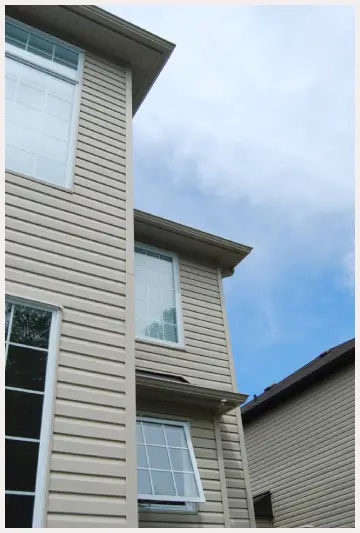
When I ran the numbers for a typical two-thousand-square-foot house, vinyl usually came in between seven and fourteen thousand dollars installed, while stucco ranged from twelve thousand on the low end to well over thirty thousand depending on the system and region.
Those figures assume the old exterior comes off and the substrate is sound.
Add removal of failing material, scaffolding for two-story walls, or complex trim and the totals climb.
Over thirty years the picture shifts. Vinyl may need a full re-side once, adding another full project cost.
Stucco may need a couple of paint cycles and a handful of crack repairs, yet
the base material stays in place. In dry climates the long-term math often favors stucco.
In areas with harsh winters or heavy rain, the extra maintenance can erase some of that advantage.
Labor makes up a larger share of the stucco bill because the work is skilled and sequential. Vinyl installation is faster and more standardized, which keeps labor lower.
Material cost for vinyl is modest; stucco materials themselves are not extreme, but the volume of labor and the need for perfect moisture details raise the total.
Durability And Climate Fit
I have seen vinyl perform well for decades in moderate climates when the panels were thick enough and installed with expansion gaps.
In desert heat or coastal sun the color can shift and the material can become more brittle. Hail storms leave more visible damage on vinyl than on well-applied stucco.
Stucco thrives in the Southwest and other dry regions where temperature swings are wide but moisture is limited.
In the Pacific Northwest or the Northeast, freeze-thaw cycles test every crack. Modern acrylic-modified finishes and proper drainage planes improve performance, yet the installation quality still decides whether the system lasts fifty years or develops problems in ten.
Fire resistance tips toward stucco in almost every comparison. Vinyl will melt and contribute fuel; cement stucco will not. For homes in wildfire zones that single factor can outweigh cost differences.
Maintenance Reality Check
Vinyl asks almost nothing beyond a seasonal wash to remove pollen, mold, or road dust. Inspect the panels after storms for loose pieces or impact damage and you are largely done.
Stucco rewards regular walks around the house. Catch hairline cracks early, seal them, and the system stays watertight.
Ignore them and water finds its way behind the finish, which is far more expensive to fix. Painting every decade or so keeps the surface sealed and the color fresh.
The work is less frequent than wood siding but more than vinyl.
Installation Considerations
Vinyl is more forgiving of less experienced crews and can even be a serious DIY project for someone comfortable on a ladder with the right tools.
Stucco almost always belongs in the hands of specialists who understand lath attachment, control joints, and curing conditions.
Rushing the coats or skipping weep details creates long-term headaches that no amount of surface patching will fully solve.
Both materials need a solid weather-resistive barrier and correct flashing around windows, doors, and roof intersections. The cladding is only as good as the layers behind it.
Aesthetic And Resale Impact
Vinyl has improved dramatically in texture and color depth, yet it still reads as manufactured panels. Stucco can look handmade and substantial.
In neighborhoods where stucco is the local vernacular, switching to vinyl can lower perceived value. In tract developments full of vinyl, stucco can make a house stand out.
Return-on-investment studies usually show vinyl recovering a higher percentage of its cost at resale because the initial outlay is smaller. Stucco recovers a lower percentage but often contributes more absolute value in the right market because of its longevity and appearance.
Making The Choice For Your Situation
If your priority is lowest first cost, fastest installation, and almost no maintenance, vinyl is hard to beat.
If you plan to stay for decades, live in a dry climate, want fire resistance, and prefer a seamless look, stucco earns its higher price.
Hybrid approaches exist—stucco on the main body and vinyl on gables or additions—but they require careful detailing at the transitions.
Local labor rates, building codes, and climate data should drive the final decision more than any national average. Get at least three detailed quotes that break out substrate repair, moisture barriers, and finish options.
Walk existing examples of both materials in your area after a hard rain or freeze cycle and notice how they are holding up.
Frequently Asked Questions (FAQ)
Vinyl siding is almost always the less expensive option for both materials and labor.
Yes. Higher cost, greater cracking risk in freeze-thaw climates, and more involved long-term maintenance.
Expect roughly $12,000 to $34,000 installed, depending on system type, region, and substrate condition.
Standard vinyl siding remains the lowest-cost practical choice for most full-house projects.
Wrapping Up
I weighed the numbers, the climate realities, and the day-to-day ownership experience so you can move past marketing claims and choose with clear eyes.
Whether you lean toward the lower cost and simplicity of vinyl or the longevity and solid feel of stucco, the right material is the one that matches how long you will live with it and what your local weather actually does to exterior walls.
Take the comparison table, the pros and cons, and the cost ranges, then get local quotes. You will end up with an exterior that protects your house and fits your life instead of fighting both.
Recent Posts
IKO Vs. Owens Corning Shingles: Which Brand Wins For Your Roof?
I spent months weighing options for my own roof replacement, talking with installers, checking real-world performance, and comparing product specs side by side.My goal here is straightforward:...
Quartz Vs. Laminate Countertops: My Honest Take After Years Of Kitchen Decisions
I have spent more time than I care to admit standing in showrooms, reading product specs, and talking with installers while deciding between quartz and laminate countertops for real homes.The...