
I spent months weighing options for my own roof replacement, talking with installers, checking real-world performance, and comparing product specs side by side.
My goal here is straightforward: give you a clear, practical breakdown of IKO shingles versus Owens Corning so you can decide which fits your home, climate, budget, and long-term plans without the usual sales spin.
| Feature | IKO Shingles | Owens Corning Shingles |
| Popular Lines | Cambridge, Dynasty | Oakridge, Duration |
| Typical Price Range (materials per square) | $80–$155 | $95–$175 |
| Wind Resistance | Up to 130 mph (premium lines) | Up to 130–160 mph (with full system) |
| Impact Resistance | Class 3 standard; Class 4 on Nordic | Class 3 standard; Class 4 on STORM/FLEX |
| Nailing Technology | ArmourZone (reinforced zone) | SureNail (fabric strip) |
| Algae Resistance | Yes (limited years) | StreakGuard (often longer coverage) |
| Warranty | Limited lifetime (varies by line) | Limited lifetime + system options |
| Aesthetic Range | Solid dimensional look, fewer colors | Broader color blends, designer options |
| Best For | Value-focused projects | Long-term performance and curb appeal |
Key Differences Between IKO And Owens Corning
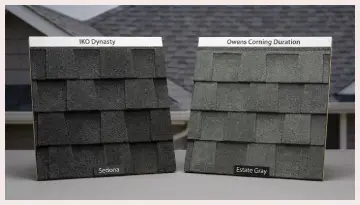
- Pricing and value positioning: IKO generally costs less than Owens Corning. Cambridge and Dynasty often run ten to twenty percent cheaper, and that difference adds up fast on a full roof.
Owens Corning charges more, yet it includes stronger brand support and system options in the price.
- Nailing and wind-hold technology: IKO uses ArmourZone to create a wider reinforced nailing area that resists pull-through.
Owens Corning places a fabric strip called SureNail in the nailing zone, and this strip gives installers a clear target while improving grip.
Both features fight wind lift, but crews often prefer the consistency of SureNail.
- Warranty structure and transferability: Both brands offer limited lifetime coverage on architectural shingles.
Owens Corning usually allows easier transfer to a new owner and ties enhanced coverage, including some workmanship protection, to certified contractors.
IKO terms can feel stricter, and labor coverage appears less often outside special programs.
- Color depth and curb appeal: Owens Corning TruDefinition blends create richer contrast and more color choices in many markets.
IKO Cambridge and Dynasty still look dimensional and solid, yet the overall palette stays narrower.
Homes that sit in full view from the street often benefit from the extra depth Owens Corning provides.
- Regional availability and contractor familiarity: IKO holds strong market share in Canada and parts of the northern United States, so many builders treat Cambridge as a standard product.
Owens Corning enjoys wider retail and contractor presence across most of the U.S., and this wider network can simplify both sourcing and future repairs.
- Weight and material density: IKO Cambridge tends to weigh slightly less per square than Owens Corning Duration.
The lighter weight can make handling easier during installation, but the denser Owens Corning product often feels more substantial underfoot and may resist wear a bit longer in harsh sun.
Also Read: Comparison Of CertainTeed And GAF Roofing Shingles
Key Features Of IKO Shingles
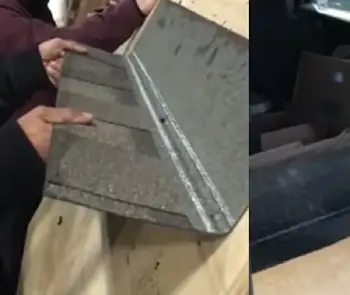
- Laminated architectural construction: Cambridge and Dynasty use multi-layer design that creates shadow lines and a thicker profile than basic three-tab shingles.
The finished roof feels more substantial, and it handles everyday weather better than entry-level options.
- ArmourZone nailing reinforcement: Dynasty and certain other lines include a reinforced band through the nailing area.
This band helps keep fasteners seated even when wind tries to lift the shingle, and installers notice fewer missed nails along with better hold in moderate-to-high wind zones.
- Impact ratings on select products: Nordic and some Cambridge variants carry Class 4 impact ratings.
That rating can matter for insurance discounts in hail-prone areas, and it also gives extra confidence against ice and falling debris.
- Algae-resistant granules: Copper or similar treatments slow the black streaking that appears in humid climates.
Coverage length varies by product and region, but the feature comes standard on most architectural lines.
- Cool-color options: Certain Cambridge Cool Colors reflect more solar energy.
In hot climates this can lower attic temperatures slightly, and it may reduce cooling loads over the summer months.
- Larger shingle size on some lines: Dynasty measures a bit longer than many standard architectural shingles.
This size can reduce the total number of pieces needed and speed up coverage on larger roof planes.
Pros Of IKO Shingles
- Strong price-to-performance ratio: You receive architectural looks and solid weather resistance without stretching the budget as far. For rental properties or homes where every dollar counts, this balance often becomes the deciding factor.
- Wide contractor familiarity in key markets: In Canada and parts of the northern United States, crews install Cambridge routinely. That experience can translate into faster, cleaner jobs and fewer installation surprises.
- Competitive wind ratings on premium lines: Dynasty carries a one-hundred-thirty mile-per-hour rating that matches many higher-priced competitors when installed correctly. For most residential settings this level of protection proves more than adequate.
- Decent impact protection options: Class 4 availability on Nordic gives homeowners in storm belts a realistic upgrade path. You gain extra toughness without jumping all the way to fully premium brands.
- Straightforward product line: Fewer specialty variants mean less confusion when comparing quotes. Cambridge covers the mid-range need for most houses, and Dynasty steps up cleanly when extra toughness is wanted.
- Good availability through distributors: Many supply yards stock Cambridge and Dynasty as everyday items. This steady supply can shorten lead times when a project needs to start quickly.
Cons Of IKO Shingles
- Mixed long-term durability reports: Some homeowners and roofers note earlier granule loss or curling compared with heavier competitors. Real-world lifespan for Cambridge often lands in the seventeen-to-twenty-five-year range rather than the upper end of lifetime marketing language.
- Warranty claims can feel restrictive: Fine print around installation method, ventilation, and proof of purchase has led to frustration in some cases. Transferability stays limited compared with Owens Corning’s more flexible approach.
- Narrower aesthetic range: Color selection and blend depth lag behind Owens Corning in many regions. Homes that rely heavily on curb appeal may find the finished look less distinctive.
- Past product issues linger in reputation: Older organic-based lines faced lawsuits over premature failure. Although those products were discontinued, the history still surfaces in online discussions and can affect buyer confidence.
- Heavier reliance on proper installation: ArmourZone helps, yet the lighter weight of some Cambridge bundles means mistakes in nailing or ventilation show up faster than on thicker alternatives.
- Limited designer options: Specialty shapes and high-end visual profiles remain fewer than those offered by Owens Corning. Homeowners seeking a unique roof appearance may feel restricted.
Also Read: Comparison Of Oakridge And Duration Shingles
Key Features Of Owens Corning Shingles

- SureNail Technology: A woven fabric strip runs through the nailing zone on Duration and related lines.
It creates a high-friction target that holds nails more securely, and it reduces the chance of blow-offs when strong wind hits the roof.
- TruDefinition color technology: Multi-tone granules produce deeper shadows and more realistic depth.
The finished roof often looks richer, and it holds color better under long-term ultraviolet exposure.
- StreakGuard algae resistance: Copper-containing granules inhibit blue-green algae growth.
Coverage periods have expanded in recent years, and they frequently outlast basic algae warranties from other makers.
- System warranty options: When installed by Preferred or Platinum contractors using Owens Corning components, enhanced coverage can include longer non-prorated periods and limited workmanship protection.
That extra layer is hard to match with open-market products.
- Impact and wind upgrades: Duration STORM and Duration FLEX raise the impact rating to Class 4.
Wind coverage can reach one hundred sixty miles per hour when the full system of starters, ridge, and underlayment is used.
- Triple-layer protection design: Duration builds extra material layers into the shingle body.
This construction adds stiffness and helps the product resist tearing under stress.
Pros Of Owens Corning Shingles
- Consistent installation feedback: Crews repeatedly praise the SureNail strip for making proper fastening easier and more reliable. Fewer installation errors mean fewer early problems on the finished roof.
- Stronger brand support and resale perception: Homebuyers and appraisers often recognize the name. A documented Owens Corning roof can support better resale conversations than a lesser-known label.
- Broader color and designer choices: More options let the roof complement siding, stone, or trim more precisely. Designer lines push the aesthetic further for high-visibility homes.
- Flexible warranty transfer: One-time transfer is generally smoother. This feature matters if you plan to sell within the first decade or two of ownership.
- Proven performance in varied climates: Duration and Oakridge show up frequently in both coastal and inland installations. They deliver solid track records when ventilation and fastening are handled correctly.
- Helpful marketing and educational resources: Owens Corning provides clear product literature and contractor training materials. Homeowners can review these resources to understand what they are buying before signing a contract.
Cons Of Owens Corning Shingles
- Higher material cost: Expect to pay a premium over IKO Cambridge or even Dynasty. On a large roof the difference can reach several thousand dollars before labor is added.
- System benefits require certified installers: The best warranty tiers and full wind ratings often demand Owens Corning Preferred or Platinum contractors. Using an independent crew can leave you with standard coverage only.
- Color availability varies by region: Not every TruDefinition shade ships everywhere. Matching an existing roof or a specific sample can occasionally take extra time.
- Still an asphalt product: No matter the technology, heat, ultraviolet light, and poor attic ventilation will age these shingles. They are not immune to the same fundamental limits that affect every asphalt roof.
- Some stiffness in cold weather: Installers note that Duration can feel stiffer in very low temperatures. Extra care is required to avoid cracking during cold-season jobs.
- Premium pricing can limit budget flexibility: Once the higher material cost is locked in, less money remains for upgrades such as better underlayment or improved ventilation. Careful planning is needed to keep the total project balanced.
Additional Factors To Weigh
- Climate match and local weather patterns: Homes in high-hail zones gain more from Class 4 options on either brand, while coastal or open-field properties benefit most from the strongest wind ratings. Matching the product to the actual weather load improves long-term results.
- Installer skill and ventilation quality: Even the best shingle fails early when attic airflow is poor or nails are driven incorrectly. A careful crew and a well-vented roof often matter more than the brand name printed on the package.
- Total system cost beyond the shingle itself: Underlayment, starter strips, ridge vents, and flashing add significant expense. Comparing full-system quotes rather than shingle prices alone prevents later surprises.
Real-World Performance Considerations
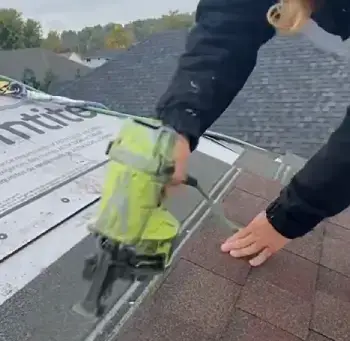
When I compared both brands for my project, climate and roof complexity mattered more than brand marketing.
In moderate zones with good attic ventilation, both Cambridge and Duration can deliver two decades of service.
In high-wind or hail corridors, the reinforced nailing features and Class 4 options become the real differentiators.
Ventilation quality, deck condition, and flashing details still outweigh the shingle choice itself. A poorly ventilated Duration roof will age faster than a well-ventilated Cambridge roof every time.
Cost calculations should include the full system. Underlayment, starter strips, ridge vent, and labor often dwarf the pure shingle price difference.
Asking contractors for itemized quotes that specify exact product lines and warranty tiers removes most of the guesswork.
Also Read: Is Atlas Prolam Shingles Worth It?
Frequently Asked Questions (FAQ)
Granule loss, occasional curling, and wind-related lifting on older or improperly installed Cambridge roofs appear most often. Past issues with organic-based lines also surface in older reviews.
No single brand wins every category. Owens Corning frequently ranks high for technology and aesthetics; IKO scores well for value. Local climate, installer skill, and budget determine the practical best choice.
Most real-world reports place Cambridge between 17 and 25 years when installed correctly and maintained with proper ventilation.
Avoid any product with a documented history of systemic failure in your climate or any installer who cannot provide clear warranty registration and ventilation details. Brand reputation alone is less important than verified local performance.
Closing Thoughts
I walked through the same decision you face now. IKO delivered the lower price and solid everyday performance I needed for one project; Owens Corning’s SureNail grip and richer colors made more sense on another.
Your climate, how long you plan to stay, and how much you care about curb appeal will tip the scale. Get multiple detailed quotes, confirm the exact product line and warranty tier, and prioritize a crew that treats ventilation and flashing as non-negotiable.
The right choice between these two brands is the one that matches your house and your priorities rather than the one with the louder marketing.
Recent Posts
Quartz Vs. Laminate Countertops: My Honest Take After Years Of Kitchen Decisions
I have spent more time than I care to admit standing in showrooms, reading product specs, and talking with installers while deciding between quartz and laminate countertops for real homes.The...
CertainTeed Vs. GAF Roofing Shingles: Which Brand Wins For Your Home?
I spent months comparing roofing options for my own home and talking with contractors who install both brands every week.My goal here is simple: help you decide between CertainTeed and GAF...