
I spent years dealing with a damp basement that turned every heavy rain into a stressful waiting game.
After replacing pumps more than once and comparing options side by side, I decided to lay out everything I learned about submersible sump pumps versus pedestal sump pumps.
My goal is simple: help you weigh the real differences in noise, power, lifespan, cost, and maintenance so you can pick the setup that actually protects your home without the usual trial-and-error headaches.
| Factor | Submersible Sump Pump | Pedestal Sump Pump |
| Motor Location | Fully submerged in the pit | Mounted above the pit on a vertical column |
| Noise Level | Quiet (water muffles sound) | Noticeably louder (exposed motor) |
| Pumping Capacity | Higher (often 2,000–3,000+ GPH) | Moderate (typically up to ~2,000 GPH) |
| Debris Handling | Better (handles some solids) | Limited (best with clear water) |
| Lifespan | 7–10 years typical | 10–15+ years common |
| Maintenance Access | Requires lifting the unit out | Easy (motor stays above water) |
| Pit Requirements | Wider and deeper pit needed | Fits narrower or shallower pits |
| Upfront Cost | Higher | Lower |
| Best For | Finished basements, heavy flooding | Budget setups, unfinished spaces, easy service |
Key Differences Between Submersible And Pedestal Sump Pumps
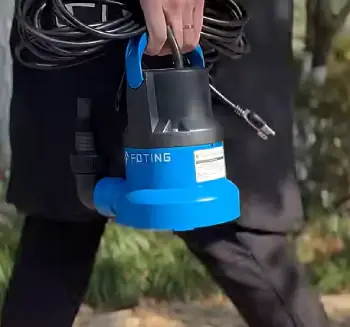
- Motor placement and cooling: Submersible units rely on the pit water itself for cooling and sound reduction, which allows steady performance during long storms.
Pedestal motors stay dry and cool by air, and this reduces moisture-related wear even though the unit remains exposed.
- Noise during operation: Water surrounding a submersible muffles the motor so thoroughly that many homeowners barely notice it running in finished spaces.
Pedestal motors sit in open air and produce a clear humming that carries through unfinished rooms, which can become distracting over time.
- Pumping power and solids handling: Submersibles commonly come in higher horsepower ranges and move larger volumes of water more quickly when heavy rain arrives.
Many also pass small debris better than pedestal models that prefer cleaner water and lower flow rates.
- Space and pit compatibility: A submersible needs enough diameter and depth to sit fully submerged without crowding the pit walls.
Pedestals need less pit width because only a slim shaft and impeller go below, yet they demand clear vertical space above the floor.
- Service access and long-term durability: Pulling a wet submersible out of a pit for inspection or repair takes more effort and time during emergencies.
Pedestal motors remain reachable at all times, and this shortens maintenance while often supporting longer motor life under moderate use.
These differences matter most when you match them to your basement layout, local rainfall patterns, and how often the pump must cycle.
Also Read: Is AutoBest Fuel Pump Worth It?
Key Features Of Submersible Sump Pumps
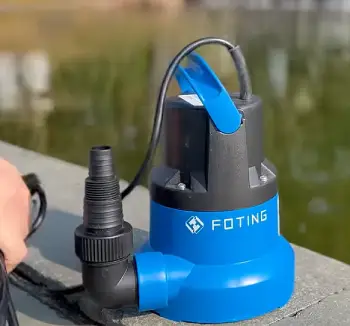
- Fully sealed waterproof housing: The motor and electrical components sit inside a watertight casing that is usually cast iron or high-grade thermoplastic.
This design lets the unit run continuously underwater without shorting out during storms.
- Water-based cooling and quiet running: Heat transfers into the surrounding water, and this allows sustained operation without thermal shutdown.
The same water layer cuts noise dramatically compared with any exposed motor design.
- Higher flow rates and solid-handling options: Many models move 2,500 to over 3,000 gallons per hour at typical head heights.
Screened intakes on quality units tolerate some sediment and small debris that collect in active pits.
- Compact footprint under a lid: Once installed, the entire pump disappears beneath a sealed pit cover so the floor stays open for storage or living use.
The sealed cover also limits moisture escape and improves control of soil gases.
- Float switch variety: Vertical, tethered, or electronic switches let you fine-tune activation levels to match pit depth. Proper adjustment prevents short cycling and keeps the pump ready for sudden water rises.
These features make the submersible feel like a reliable solution in homes where quiet operation and strong capacity rank highest.
Pros Of Submersible Sump Pumps
- Quiet daily operation: Water surrounding the motor absorbs sound so effectively that the pump rarely interrupts conversations or sleep in nearby finished rooms. This single advantage convinced me after living with a louder unit for several seasons.
- Stronger water-moving capacity: Higher available horsepower and efficient underwater design clear rising water faster during heavy rain or high water-table periods. Faster clearance reduces the chance of overflow when storms last for days.
- Space-saving and tidy appearance: The pump stays hidden under a sealed lid, and the floor remains open for storage or living use. The sealed cover also helps limit moisture and soil gases from entering the basement air.
- Better debris tolerance: Many models handle small solids and sediment that would clog lighter-duty intakes. This tolerance proves useful in pits that collect silt over months of regular use.
- Self-cooling under load: Continuous water contact carries heat away from the motor, and this supports longer run times without thermal shutdown. Extended storms no longer force the pump to stop and restart repeatedly.
Taken together, these strengths explain why most modern finished basements rely on submersible pumps.
Cons Of Submersible Sump Pumps
- Higher initial cost: Sealed construction and more robust materials raise the purchase price compared with basic pedestal models. Installation labor can also run higher if the pit needs enlargement before the unit will fit.
- More involved maintenance: Any inspection or repair requires disconnecting the discharge line and lifting a wet unit out of the pit. This extra step discourages frequent checks and can delay simple fixes.
- Shorter average service life: Constant exposure to moisture, sediment, and temperature swings typically limits lifespan to roughly 7–10 years. Quality cast-iron models can stretch further when annual cleaning is performed consistently.
- Wider pit requirement: The full body of the pump needs adequate diameter and depth to sit properly. Narrow or shallow pits may force a different choice or require costly pit modification.
- Seal and bearing wear over time: Even well-built units eventually face seal degradation that allows moisture into sensitive areas. Once seals fail, the motor can short and the entire unit needs replacement.
These drawbacks become manageable when capacity and quiet performance matter more than service convenience.
Also Read: Is Zomee Z2 Breast Pump Worth It?
Key Features Of Pedestal Sump Pumps
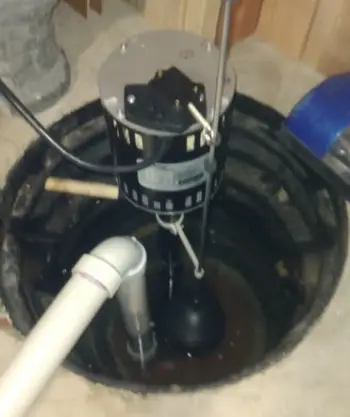
- Elevated dry motor on a vertical column: The motor stays completely above the water line and connects by a shaft to the impeller below.
This simple layout avoids complex underwater seals around the motor itself.
- Easy visual inspection and service: You can check the motor, switch, and connections without removing anything from the pit.
Minor adjustments or part swaps happen at floor level and take only a few minutes.
- Lower purchase price and simpler construction: Without the sealed waterproof housing that submersion requires, pedestal units typically cost less to manufacture.
The lower price makes them practical for basic replacements or secondary protection.
- Narrower pit compatibility: The slim vertical design fits pits that are too tight for a full submersible body.
This advantage helps in older homes or constrained crawl spaces where space is limited.
- Adjustable float range in many models: The float often hangs from the column and can be set for a wider on-off differential.
A wider range reduces short cycling when water levels rise and fall slowly.
These traits appeal when budget, service access, or limited pit size drive the decision.
Pros Of Pedestal Sump Pumps
- Lower purchase and often lower install cost: Simpler construction keeps the unit price down, and this makes them attractive for budget-conscious replacements.
Labor costs also tend to stay lower when the existing pit already fits the slim design.
- Straightforward maintenance access: The motor stays in plain sight above the floor so checks happen quickly.
Cleaning the float or swapping components takes minutes rather than a full extraction from dirty water.
- Longer typical motor life: Keeping the motor dry and air-cooled reduces corrosion and seal-related failures.
Many units reach 10–15 years or more under moderate use when basic annual inspections are performed.
- Fits tight or shallow pits: Only the impeller and shaft enter the water, so the design works in basins too narrow for a submersible body.
Older homes with limited pit space often benefit from this flexibility.
- Visible status at a glance: You can see whether the motor is running and listen for unusual sounds without opening a lid.
Early detection of problems becomes easier when the unit remains fully exposed.
These advantages suit unfinished basements, lighter water loads, and homeowners who prefer hands-on upkeep.
Cons Of Pedestal Sump Pumps
- Higher noise levels: The exposed motor transmits sound directly into the room, and regular cycling can become an ongoing annoyance. Finished living spaces nearby make this drawback especially noticeable during rainy seasons.
- Lower overall pumping capacity: Most residential pedestal models stay in lower horsepower ranges and move less water per hour. Intense storms or high groundwater periods can leave them behind when inflow rises quickly.
- Vertical space demand: The tall column rises several feet above the floor and needs clear headroom. Low ceilings, storage shelves, or finished ceilings may make installation impractical in some basements.
- Limited debris handling: Open or simpler intakes clog more readily with silt, leaves, or small solids. Dirty pits require more frequent cleaning to keep the impeller free and the pump reliable.
- Greater visibility and potential trip hazard: The upright structure remains in the open, which some homeowners find unattractive. The column can also interfere with room layout or create a minor obstacle in high-traffic areas.
These limitations explain why pedestal pumps appear less often in modern finished basements despite their durability advantages.
Real-World Performance And Decision Factors
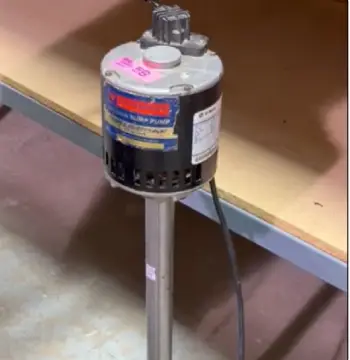
I have seen both types succeed and fail depending on the specific basement.
In a high-water-table neighborhood with frequent storms and a finished rec room, the quiet high-capacity submersible kept the space usable and the family comfortable.
In an older utility basement with a narrow pit and only occasional seepage, the pedestal unit delivered reliable service for over a decade with almost no attention.
Consider how often the pump will run. Constant cycling shortens any motor’s life, yet submersibles handle frequent starts better when sized correctly because of their cooling advantage. Measure your pit carefully.
Depth under 18 inches or diameter under 14–16 inches often favors a pedestal. Evaluate noise tolerance. If the pit sits near bedrooms or living areas, the submersible’s silence usually wins. Factor total ownership cost. A cheaper pedestal that lasts longer may cost less over twenty years, while a more expensive submersible that prevents even one flood can pay for itself immediately.
Battery backup systems pair well with either style. Power outages during storms remain the biggest risk for both, so adding a battery unit or water-powered backup strengthens protection regardless of primary pump choice.
I always recommend testing the full system before the rainy season begins so small issues surface on a dry day rather than during a flood.
Maintenance Practices That Extend Service Life
Both pumps last longer when the pit stays clean. Once or twice a year I pour several buckets of water into the pit to confirm the float activates and the pump discharges properly.
I clear sediment from the bottom, check the discharge line for free flow, and verify the check valve prevents backflow.
For submersibles I inspect the power cord and seals when the unit is lifted. For pedestals I wipe dust from the motor housing and ensure the shaft turns freely.
Avoid running either pump dry. A stuck float or clogged intake can burn out a motor quickly. Keep the discharge pipe free of ice in winter and directed well away from the foundation.
These simple habits stretch the usable years of whichever style you choose. Consistent attention prevents most sudden failures and keeps repair costs lower over the long term.
Also Read: Is Xtremepowerus Pool Pump Worth It?
Frequently Asked Questions (FAQ)
Harder access for repairs, higher upfront cost, and a typical lifespan of 7–10 years because the motor stays in constant contact with water and sediment.
Lower cost, easier motor access for maintenance, longer potential lifespan from the dry motor, and better fit in narrow or shallow pits where a submersible will not install cleanly.
For most finished basements and heavy water loads a submersible performs better overall. A pedestal suits budget-focused, unfinished, or space-constrained situations with lighter demand.
Many reach 10–15 years or longer when the motor stays dry and the unit receives basic annual checks, though heavy continuous use shortens that range.
Wrapping Up
After living with both styles and watching how they handle real storms, I lean toward a quality submersible for most homes because the quiet operation, stronger capacity, and tidy sealed installation improve everyday living while still protecting against flooding. That said, your specific pit size, noise tolerance, and budget may point the other way.
You now have the practical differences, strengths, and limitations laid out clearly so you can match the pump to your basement rather than guessing.
Choose the design that fits your conditions, keep up with simple maintenance, and add backup power.
Your basement will stay drier and your stress level lower the next time the rain settles in for days.
Recent Posts
If you're looking for an energy-efficient way to heat water, an LG heat pump water heater may be worth considering. I like the idea of combining inverter technology with lower electricity...
Pentair Water Softener Review: Is It Worth Buying For Your Home?
If hard water is leaving mineral deposits on your faucets, making your skin feel dry, or reducing the efficiency of your appliances, a Pentair water softener may be worth considering. I...