
If you’re looking for an energy-efficient way to heat water, an LG heat pump water heater may be worth considering.
I like the idea of combining inverter technology with lower electricity consumption, especially for households that use hot water regularly.
LG is a recognized appliance manufacturer, but I would still compare its heating performance, installation requirements, operating costs, and warranty before purchasing.
If you want modern technology, quieter operation, and potential long-term energy savings, LG is a brand worth putting on your shortlist.
My First Experience With LG Heat Pump Water Heaters
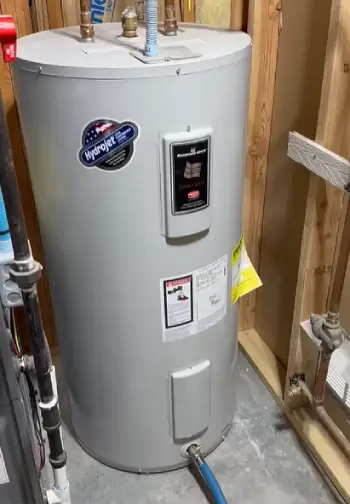
When I evaluate an LG heat pump water heater, I focus on three things: how efficiently it heats water, how consistently it supplies hot water, and whether it makes everyday household use easier.
A water heater is something you depend on every day, so I don’t think its performance should be judged by energy ratings alone.
The first thing that attracts me to LG’s heat pump technology is its approach to energy efficiency. Unlike conventional electric water heaters that generate heat directly through resistance elements, heat pump systems transfer heat from the surrounding air into the water.
This process can reduce electricity consumption significantly under suitable operating conditions.
I also appreciate LG’s experience with inverter technology. Inverter-driven systems can adjust compressor operation according to heating demand instead of constantly operating at one fixed speed. This can help improve efficiency and maintain more consistent performance.
However, the actual features depend on the specific LG model, so I would always check the product specifications before making a purchase.
Another thing I consider is household convenience. Imagine having several family members using hot water throughout the morning.
A dependable water heater should recover its temperature efficiently without making everyone wait too long. Tank capacity, heating output, incoming water temperature, and usage patterns all influence this experience.
Noise is another important consideration. Traditional electric water heaters are generally quiet because they don’t use an air-moving heat pump system.
Heat pump models, on the other hand, have compressors and fans. I would therefore pay attention to installation location and manufacturer noise specifications.
I also wouldn’t ignore the installation environment. Heat pump water heaters typically need sufficient surrounding air and appropriate ventilation.
A cramped utility room may not provide the conditions necessary for efficient operation.
Overall, I see LG heat pump water heaters as an interesting option for homeowners who want to reduce electricity consumption while enjoying modern heating technology. However, I would choose a model based on verified specifications rather than assuming every LG product offers identical performance.
Also Read: Is Noritz Tankless Water Heater Worth It?
Pros Of LG Heat Pump Water Heaters
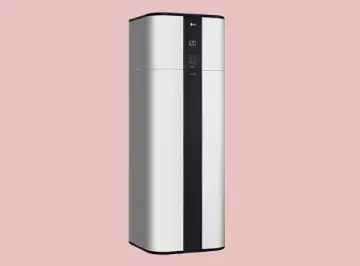
- Potentially Lower Electricity Consumption
The biggest advantage of a heat pump water heater is its potential to reduce electricity consumption.
Traditional electric resistance heaters convert electrical energy directly into heat. Heat pump systems transfer thermal energy from the surrounding environment.
This difference can make heat pump water heaters considerably more efficient.
For households with high hot-water consumption, the savings may become particularly attractive. Families that regularly use hot water for showers, laundry, and kitchen cleaning may benefit more than households with occasional hot-water requirements.
I would still calculate the expected savings using local electricity rates and the specific model’s efficiency rating. A higher purchase price doesn’t automatically mean better financial value.
- Modern Inverter Technology
LG has considerable experience developing inverter-based appliances, including air conditioners and refrigeration equipment.
When a heat pump water heater incorporates inverter technology, variable-speed operation can help the system respond to changing heating demand.
I like this approach because the heater doesn’t necessarily need to operate at maximum capacity every time the water temperature drops.
Depending on the model, inverter operation may also help reduce unnecessary compressor cycling.
For me, this is an important consideration when comparing modern heat pump systems with older heating technologies.
- Reduced Environmental Impact
Electricity consumption has an environmental impact, particularly in regions where power generation relies heavily on fossil fuels.
By potentially using less electricity than conventional resistance water heaters, heat pump systems can help reduce the indirect emissions associated with household water heating.
I consider this a meaningful advantage for homeowners who want to make their properties more energy-conscious.
Of course, the actual environmental benefit depends on the electricity generation mix, refrigerant type, equipment efficiency, and product lifespan.
- Convenient Hot Water Storage
Many heat pump water heaters use insulated storage tanks to keep heated water available for household use.
This arrangement is practical because you don’t have to wait for the system to heat every gallon or liter of water from scratch whenever someone opens a hot-water tap.
Tank capacity is particularly important here.
A small tank may struggle to meet the needs of a large family, even when the heat pump itself is efficient.
I would compare the tank capacity with the number of people in the household and their daily bathing habits before purchasing.
- Potentially Quieter Operation Than Some Heating Systems
Heat pump water heaters aren’t completely silent, but their operation can be manageable when installed correctly.
The compressor and fan produce noise, so placement matters.
I would avoid installing the unit immediately beside a bedroom or another noise-sensitive area unless the manufacturer’s specifications confirm that the sound level is suitable.
A properly selected installation location can make everyday operation more comfortable.
Cons Of LG Heat Pump Water Heaters
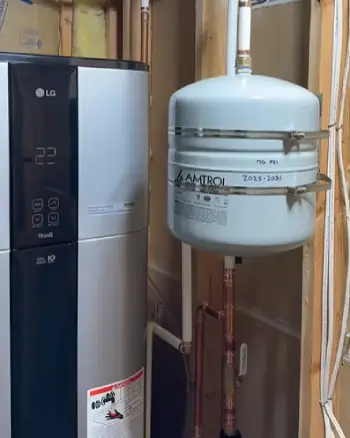
- Higher Initial Purchase Price
The upfront cost is one of the biggest disadvantages.
Heat pump water heaters typically cost more than basic electric resistance models because they include additional components such as compressors, fans, and refrigeration systems.
Installation can also increase the total expense.
For someone working with a limited budget, a conventional electric heater may appear more affordable.
I would compare the total purchase and installation costs against the expected electricity savings before deciding.
- Dependence on Ambient Temperature
Heat pump water heaters use surrounding air as their heat source.
When the surrounding temperature is favorable, the system can operate efficiently. When the air becomes colder, extracting sufficient heat becomes more challenging.
This is especially important in colder climates and poorly ventilated spaces.
For homeowners, I would check the operating temperature range of the exact LG model rather than assuming it will perform equally well throughout the year.
- Installation Requirements
A heat pump water heater generally needs appropriate airflow and sufficient clearance.
Installing one inside a very small, enclosed utility room may affect performance.
Drainage, electrical connections, water connections, and condensate management also need attention.
I would strongly recommend professional installation instead of treating this as a simple replacement for a conventional water heater.
- Slower Heating and Recovery
Some heat pump water heaters take longer to heat water than conventional resistance heaters.
This doesn’t necessarily make them unsuitable, but it means you need to plan around your household’s hot-water demand.
If several family members take long showers consecutively, an undersized tank may become inconvenient.
I would examine the first-hour rating, recovery rate, and any available backup heating function before purchasing.
- Compressor and Fan Noise
Unlike basic electric water heaters, heat pump models contain moving components.
The compressor and fan can generate noticeable sound during operation.
This may not be a problem in a garage or dedicated utility space, but it could become annoying in a small indoor room.
Installation location and the model’s published sound rating are worth checking.
- More Complex Repairs
A conventional electric water heater has a relatively straightforward design.
A heat pump model contains additional mechanical and electronic components, which may require specialized diagnostic equipment and technical knowledge.
If the compressor, control board, fan, or refrigerant circuit develops a problem, repairs may become more expensive.
I would confirm that qualified technicians can service the particular LG model in my area.
- Availability of Replacement Parts
Replacement parts can be a concern when purchasing specialized appliances.
Even if a manufacturer has a strong reputation, local parts availability can vary.
Before purchasing, I would ask the seller about compressor warranty coverage, replacement components, authorized service centers, and typical repair arrangements.
This is especially important if you live somewhere with limited access to specialized heat pump technicians.
Also Read: Is Takagi Tankless Water Heater Worth It?
Maintenance For LG Heat Pump Water Heaters
- Clean the Air Filter Regularly
The air filter is one of the first components I would inspect.
Dust and debris can accumulate over time, restricting airflow and making the system work harder.
A dirty filter may reduce efficiency and affect heating performance.
I would follow the cleaning schedule in the owner’s manual. Depending on the design, the filter may be removable and washable.
Before cleaning, I would switch off the appliance according to the manufacturer’s safety instructions.
Allow washable components to dry completely before reinstalling them.
- Keep the Air Intake and Exhaust Clear
Heat pump water heaters need adequate airflow.
If furniture, boxes, curtains, or other objects block the air intake or exhaust, the system may struggle to exchange heat efficiently.
I would keep the recommended clearance around the appliance and inspect the surrounding area regularly.
This is particularly important when the unit is installed in a storage room or garage.
Avoid placing objects directly against ventilation openings.
- Inspect the Condensate Drain
Heat pump water heaters can produce condensation during operation.
That moisture needs to drain properly.
I would periodically check the condensate drain for blockages, leaks, or visible damage.
A blocked drain may cause water to accumulate around the appliance.
If I noticed persistent moisture, I wouldn’t simply assume it was harmless condensation. I would investigate whether the drain or plumbing connections needed attention.
- Check the Storage Tank for Leaks
Even a high-quality water heater can develop plumbing problems.
I would inspect the area around the tank, inlet connections, outlet connections, and drain fittings.
Look for corrosion, moisture, mineral deposits, and unusual dripping.
Small leaks shouldn’t be ignored because they can eventually cause damage to nearby flooring or walls.
If water appears to be coming from the tank itself, professional inspection is advisable.
- Inspect the Anode Rod When Applicable
Some storage water heaters use an anode rod to help protect the tank against corrosion.
The rod gradually deteriorates as it attracts corrosive elements in the water.
Depending on the exact LG model and tank construction, an anode rod may be present and require periodic inspection or replacement.
I would check the owner’s manual rather than assume that every model uses the same tank protection system.
Replacing a worn anode rod at the appropriate time can help protect compatible storage tanks.
- Flush the Tank When Recommended
Mineral deposits can accumulate inside storage water heaters, especially in areas with hard water.
Sediment buildup may affect heating performance and reduce usable tank capacity.
I would follow the manufacturer’s recommended flushing schedule.
However, flushing procedures vary by model, so I wouldn’t experiment with unfamiliar valves or connections.
If the appliance has unusual sediment buildup or hasn’t been serviced for years, a qualified technician can help determine the safest cleaning method.
Comparison Of LG Heat Pump Water Heater With Other Brands
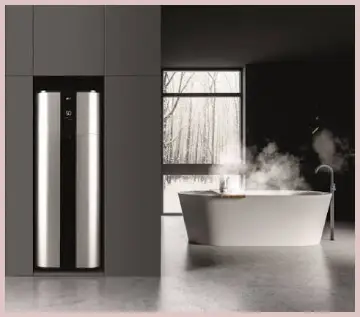
- LG vs Rheem Heat Pump Water Heaters
Rheem is a well-established name in the water heating industry.
Rheem offers dedicated heat pump water heater models and has experience developing products specifically for residential water heating.
LG’s appeal is its broader experience with inverter technology and household appliances.
When comparing the two, I would examine the compressor design, efficiency ratings, tank capacity, recovery performance, warranty, and service coverage.
I wouldn’t automatically choose LG simply because I recognize the brand. Rheem may be a stronger option in a location where its water heater service network is more established.
- LG vs A. O. Smith Heat Pump Water Heaters
A. O. Smith has a long history in water heating.
I consider it an important competitor because its product range is centered heavily on water heating solutions.
LG brings broader home appliance and inverter engineering experience to the comparison.
If I were choosing between them, I would pay particular attention to tank construction, heating capacity, operating conditions, warranty terms, and the availability of replacement parts.
For someone prioritizing water-heating specialization, A. O. Smith deserves serious consideration.
- LG vs Bradford White Heat Pump Water Heaters
Bradford White is another established water heating manufacturer.
Its products are often evaluated by homeowners and plumbing professionals who prioritize durability, installation quality, and serviceability.
LG may appeal to buyers interested in modern inverter technology and energy-efficient appliance engineering.
I would compare the exact specifications rather than relying on general brand reputation.
Bradford White may be particularly attractive where local plumbing contractors are familiar with its equipment and can provide convenient support.
- LG vs Stiebel Eltron Heat Pump Water Heaters
Stiebel Eltron is known for its heating and hot-water technology.
Its product range includes specialized water heating solutions, making it worth considering when evaluating premium equipment.
LG’s potential advantage is its experience in inverter-driven household appliances.
However, the comparison depends heavily on the specific products available in your market.
I would compare energy efficiency, temperature operating range, noise, installation requirements, and warranty coverage before choosing either brand.
Also Read: Is SoftPro Water Softener Worth It?
Frequently Asked Questions (FAQ)
Rheem, A. O. Smith, LG, Bradford White, and Stiebel Eltron are worth considering. The best choice depends on efficiency, reliability, warranty, and local service availability.
They generally have higher upfront costs, require adequate airflow, can produce operating noise, and may heat water more slowly than conventional electric heaters.
The price depends on model, capacity, location, and installation. Request a current quotation from an authorized LG seller.
LG has experience with inverter technology and household appliances. However, product quality should be evaluated using the exact model’s specifications, warranty, and service support.
Wrapping Up
I consider LG heat pump water heaters worth investigating if your priority is energy efficiency and modern heating technology.
Their potential electricity savings, inverter-based operation, and convenient hot-water storage make them attractive. I would recommend considering one if you have suitable installation space, regular hot-water demand, and access to qualified servicing.
Before buying, compare the exact model, capacity, warranty, and installed price with Rheem and A. O. Smith alternatives.
Recent Posts
Pentair Water Softener Review: Is It Worth Buying For Your Home?
If hard water is leaving mineral deposits on your faucets, making your skin feel dry, or reducing the efficiency of your appliances, a Pentair water softener may be worth considering. I...
Submersible Vs. Pedestal Sump Pump: Which One Actually Keeps Your Basement Dry?
I spent years dealing with a damp basement that turned every heavy rain into a stressful waiting game.After replacing pumps more than once and comparing options side by side, I decided to lay out...