
When I first brought home my two rescue cats, I spent hours staring at cat food shelves wondering which affordable option would keep them happy and healthy without breaking the bank.
That’s why I decided to put Tiny Tiger and Fancy Feast head-to-head in this detailed comparison. As a cat parent who’s tried both extensively over months, I wanted to share what actually matters—taste appeal, nutritional balance, value, and real-world results with picky eaters.
Whether you’re feeding one cat or a whole crew, this guide breaks down everything from ingredients to daily feeding experiences so you can choose confidently.
| Aspect | Tiny Tiger | Fancy Feast |
| Price per 3oz can | Often $0.50–$0.70 | Around $0.80–$1.00 |
| Main Protein Sources | Meat by-products, real chicken/turkey/beef | Poultry, meat by-products, liver |
| Texture Options | Pate, chunks in gravy | Pate, gravy, shredded |
| Carb Content | Very low (1.5-2.5%) | Low in pate classics (around 2-9%) |
| Key Additives | Guar gum, potato starch | Guar gum, sometimes colors |
| Best For | Budget-conscious multi-cat homes | Picky eaters who love variety |
| Calorie Density | Moderate | About 33 cal/oz in many pates |
Why I Started Comparing These Two Brands
I remember the exact moment I switched my cats between these foods. One week Tiny Tiger was on sale at my go-to online retailer, and the next I grabbed Fancy Feast because my older cat seemed bored.
Both are wet canned options that deliver moisture-rich meals cats crave, but they come from different approaches to budget nutrition.
Tiny Tiger, an exclusive line, focuses on straightforward recipes without certain common fillers. Fancy Feast, a longtime favorite from a big name, offers incredible flavor variety that makes mealtime exciting.
As someone who tracks my cats’ energy levels, coat shine, and litter box habits, I analyzed these based on weeks of feeding trials, label reading, and observing actual results.
Let’s walk through the details together so you can see which might suit your furry friend better.
Key Differences Between Tiny Tiger And Fancy Feast
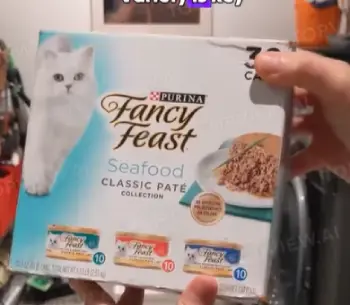
Switching between them highlighted clear contrasts that matter for different cats.
- Ingredient Transparency and Sources: Tiny Tiger often lists real named meats higher and avoids some additives like carrageenan in many recipes, which gave me peace of mind about simpler formulations.
Fancy Feast uses more by-products and occasional colors, but its classic pates remain straightforward for many owners.
- Texture and Appeal: My cats devour Fancy Feast’s gravy styles faster on some days, thanks to the aromatic broths.
Tiny Tiger’s chunks in extra gravy provide more chewing satisfaction for my younger cat who likes to play with food.
- Pricing and Availability: Tiny Tiger usually wins on pure cost, especially in bulk from its main retailer, letting me stock up without worry.
Fancy Feast costs a bit more but appears in nearly every store, which helps during last-minute runs.
- Carb and Filler Levels: Both stay low-carb in pates, but Tiny Tiger edges out with even tighter control in some varieties, supporting steadier energy without spikes.
- Flavor Consistency: Fancy Feast flavors feel more gourmet to my cats, with combinations like turkey and giblets that mimic premium options.
Tiny Tiger delivers reliable basics that work well rotated in.
These differences helped me build a rotation that keeps costs down while maximizing enjoyment.
Key Features Of Tiny Tiger

I first tried Tiny Tiger when looking for a reliable budget wet food that wouldn’t compromise too much on quality, and it quickly became a staple in my rotation.
Here is what stands out most after months of feeding it to my two rescue cats.
- Affordable High-Protein Recipes: Tiny Tiger delivers strong protein from sources like chicken, turkey, beef, and by-products at a price that lets me serve wet food daily.
I noticed my cats maintain good muscle tone and energy levels without the higher cost of premium brands.
- Low Carbohydrate Content: Many of its pate and chunks formulas stay around 1.5-2.5% carbs as fed, which supports steadier energy and better suits cats’ natural carnivore needs.
This helped reduce any begging between meals in my household.
- Grain-Free and Simplified Ingredients: It avoids wheat, corn, and soy in core lines, using guar gum and potato starch as thickeners instead of carrageenan.
My sensitive eater showed smoother digestion compared to some other budget options.
- Variety in Textures and Flavors: Available in pate, chunks in gravy, and extra gravy styles with options like beef, chicken, turkey, salmon, tuna, and seafood.
This variety keeps my cats interested without overwhelming my pantry space.
- Complete and Balanced Nutrition: Fortified with taurine, vitamins, minerals, and omega-3s for heart health, coat shine, and overall wellness.
I see consistent litter box results and playful behavior when it’s part of their meals.
- Convenient 3oz Cans for Portion Control: The small cans make measuring easy for multi-cat homes and store well in the fridge for leftovers.
Bulk packs from its main retailer keep costs predictable.
Budget-Friendly Exclusivity: As a store-exclusive brand, it offers great value that competes directly with bigger names while focusing on meat-forward profiles that cats naturally prefer.
Pros Of Tiny Tiger
I’ve seen real benefits feeding this to my crew, especially when watching the budget.
- Excellent Value for Multi-Cat Homes: At lower per-can prices, I stretch my food budget further, feeding quality wet food daily instead of mixing with dry. This means happier cats without financial stress.
- Grain-Free Options with Low Carbs: Many recipes avoid wheat, corn, and soy entirely, which I appreciate for cats prone to sensitivities. My older cat showed steadier digestion on these.
- No Carrageenan in Many Formulas: This thickener avoidance reduces potential gut irritation concerns I’ve read about, leading to cleaner litter boxes in my experience.
- Solid Protein Balance: With meat and by-products forming the base, it supports muscle maintenance. I notice my cats stay lean and energetic on it.
- Variety Without Overwhelm: Limited but effective flavors make rotation simple, and the chunks provide textural interest that prevents pickiness over time.
Tiny Tiger feels like a smart, no-frills pick that delivers where it counts for everyday feeding.
Cons Of Tiny Tiger
No food is perfect, and I ran into a few hurdles worth noting.
- Limited Retail Availability: It’s mostly online from one major site, so I plan purchases ahead or risk running out during busy weeks.
- Occasional Digestive Adjustments: Some cats new to it may need a slow transition due to gums or starches, though mine adapted within days.
- Less “Gourmet” Aroma: Compared to Fancy Feast, the smell is milder, which sometimes means my fussier eater hesitates initially.
- Fewer Texture Choices Long-Term: While variety packs exist, the lineup doesn’t expand as wildly as bigger brands, limiting options for super picky seniors.
- Mixed Owner Feedback on Consistency: In my trials, quality stayed steady, but some batches seemed softer, affecting how neatly it plates.
These are manageable with planning, but they matter if you prefer in-store spontaneity.
Key Features Of Fancy Feast

- Exceptional Palatability and Flavor Variety: With dozens of options like chicken, beef, turkey and giblets, seafood mixes, and more, it keeps even picky eaters excited.
My older cat, who sometimes turns her nose at other foods, consistently cleans her bowl when Fancy Feast is served.
- Moisture-Rich Formulas for Hydration: The high water content in every can (pate, gravy, or shredded styles) supports urinary health and reduces the need for extra drinking.
I noticed fewer litter box issues and better overall hydration compared to dry-only periods.
- Balanced Protein with Added Nutrients: Recipes feature poultry, liver, meat by-products, and fish sources that deliver solid protein levels.
It includes taurine for heart and eye health, plus a full complement of vitamins and minerals that contribute to the glossy coats I see on my cats.
- Convenient Textures and Can Sizes: From smooth pates ideal for kittens or seniors to chunky gravy varieties that provide interest, the 3oz cans fit perfectly into portion control.
This makes feeding multiple cats straightforward and minimizes waste.
- Widely Available and Trusted Brand: You can find it almost anywhere, which saves me during emergency restocks.
Its long track record means consistent quality I can count on without constant label-checking.
- Low-Carb Options in Classic Pates: Many pate recipes stay low in carbohydrates, making them suitable for weight management and energy stability.
I use these as the foundation for balanced meals without extra fillers dominating.
- Aromatic Appeal with Broths and Gravies: The savory scents and flavorful liquids encourage enthusiastic eating, which is perfect for cats who need stimulation at dinner time or during appetite slumps.
Pros Of Fancy Feast
This brand won me over with its cat-pleasing magic on multiple occasions.
- Irresistible Palatability: My cats go crazy for the flavors—especially classics like chicken or beef pate. It makes mealtime reliable even during picky phases.
- Huge Flavor Selection: From seafood to poultry mixes, I rotate endlessly to keep interest high, reducing waste from uneaten bowls.
- Widely Available Everywhere: Grocery stores, big-box, online—it’s always there when I need a quick restock, which saved me during emergencies.
- Proven Track Record: Many cats thrive on it long-term, with good energy and coat health in my observations and from other owners’ stories.
- Balanced Nutrition at Scale: The pates provide complete meals with taurine and vitamins that support overall wellness without extras.
Fancy Feast turns feeding into something my cats look forward to every day.
Cons Of Fancy Feast
Honest feedback includes these points from my experience.
- Higher Price Point: It adds up faster in multi-cat setups, pushing me to hunt sales or mix with cheaper options.
- More By-Products and Additives: Some recipes include colors or broader by-product lists, which feel less premium even if nutritionally adequate.
- Potential for Over-Fishing Concerns: Seafood varieties use tuna and similar, so I limit those to avoid mercury buildup worries over years.
- Occasional Quality Variability: A few batches seemed less firm, though most stay consistent.
- Carbs in Non-Pate Lines: Gravy or shredded styles can creep higher in fillers, so I stick mostly to classics for better profiles.
Still, these rarely outweigh the enjoyment factor for my household.
Nutritional Breakdown And What It Means For Your Cat?

From an analytical view, both qualify as complete and balanced wet foods, but Tiny Tiger often shows slightly better macronutrient leans toward protein with minimal carbs.
Fancy Feast shines in micronutrient consistency across its massive lineup. I calculate portions based on my cats’ weights—around 3-5 cans daily split between two, adjusted for activity.
This keeps them at ideal body condition without excess calories.
I track things like fur quality and playfulness: both deliver, but combining them in a rotation gives the best of budget value and excitement.
Always consider your vet’s input for specific health needs, like kidney support where higher moisture helps tremendously.
Real User Experiences And Feeding Tips I’ve Learned
Feeding these taught me practical lessons. Start with small amounts mixed into their old food for smooth transitions.
Warm the cans slightly in hot water—cats love that enhanced aroma. For multi-cat homes, I use separate bowls to monitor intake and prevent bullying at mealtimes.
One of my cats prefers Tiny Tiger’s chunkier texture for dental interest, while the other cleans Fancy Feast plates instantly.
Rotating prevents both from getting bored, and I save money by buying in cases. Watch for any vomiting or loose stools during changes, though neither caused issues for us after proper intro.
Portion control matters—overeating wet food leads to weight gain just like anything. I aim for 200-300 calories daily per cat depending on age and size, using the can labels as guides. These foods also work great as toppers on dry kibble for added hydration and appeal.
How They Compare On Health Aspects?
Both support hydration better than dry-only diets, which I saw in improved urinary habits. Protein quality sustains muscle, crucial for indoor cats.
Tiny Tiger’s lower additive profile suits sensitive stomachs in some cases, while Fancy Feast’s variety aids cats with appetite stimulation needs.
Neither ranks as ultra-premium, but for budget options, they outperform many generics in my trials. I avoid all-fish diets long-term with either to balance nutrition. Overall, my cats maintain shiny coats, steady weights, and playful attitudes on this approach.
Transitioning And Rotation Strategies That Work
I recommend a 7-10 day mix when switching. Start 75% old food, gradually increase new. With both brands, this minimizes tummy upset.
For ongoing use, I do weekly rotations: three days Tiny Tiger, four Fancy Feast. This balances cost, nutrition, and interest perfectly in my home.
Store opened cans in the fridge up to three days, covered. Freeze portions in ice cube trays for easy future meals. These tips turned feeding from chore to smooth routine.
Also Read: Comparison Of Fancy Feast And Purina One
Frequently Asked Questions (FAQ)
Yes, it’s a solid budget option with good protein and low carbs in many recipes. My cats do well on it, though it’s not the absolute highest tier.
Tiny Tiger serves as a close, more affordable alternative, along with options like Friskies pates for similar taste and price points.
Some do for its palatability and complete nutrition, especially pates, but many suggest it as part of a varied diet rather than sole choice. Always check with your own vet.
Popular vet-aligned picks often include options from Royal Canin, Hill’s Science Diet, Purina Pro Plan, along with higher-end brands like Weruva or Tiki Cat for premium protein focus. Research current formulas for your cat’s needs.
Wrapping Up
After extensive testing, both earn spots in my rotation. Tiny Tiger wins for pure affordability and cleaner ingredient feels in many recipes, letting me provide wet food more often.
Fancy Feast excels at keeping my cats eagerly eating every bite with its proven appeal and convenience.
You don’t have to pick one forever—mixing them thoughtfully gives flexibility most cat parents need. Pay attention to your individual cats’ responses because preferences vary wildly. Consult your vet for tailored advice, especially with health conditions.
In the end, I choose based on sales, stock, and my cats’ current moods. Both make me feel good about providing tasty, nutritious meals without luxury prices. Your cat will thank you for the moisture and protein either way.
Recent Posts
I tried Meltoway Hair Dissolving Cream because I wanted a quick way to deal with unwanted body hair without reaching for a razor every few days. If you are looking for a convenient at-home...
If you’re considering a saffron-based supplement to support mood, appetite control, and everyday wellness, Happy Saffron Plus is worth considering.I like that it takes a familiar botanical...