
I found Tommee Tippee bottles worth considering if you want a baby bottle that feels natural, is comfortable to hold, and is designed to make feeding easier.
What caught my attention was the combination of a breast-like nipple shape, practical bottle design, and different flow options for growing babies.
If you are struggling to find a bottle your baby accepts comfortably, I think Tommee Tippee is worth buying and testing, especially when you want a simple everyday feeding option without an overly complicated design.
My First Experience With Tommee Tippee Bottles
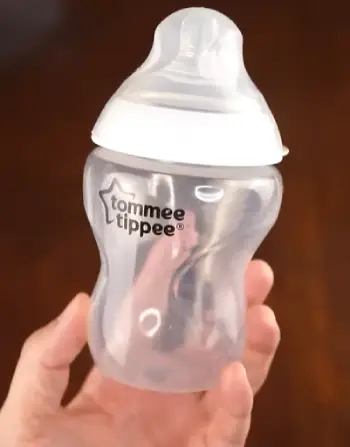
My first impression of Tommee Tippee bottles was that they were designed with everyday feeding in mind rather than simply trying to look impressive.
The rounded shape immediately stood out to me because it felt different from the narrow bottles I had used before.
I could wrap my hand around the bottle comfortably, and I found the shape particularly convenient during longer feeds.
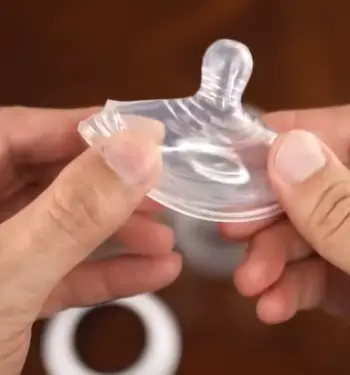
The nipple design was the part I paid the most attention to. Tommee Tippee uses a broad, breast-like teat intended to encourage a more natural latch.
In my experience, that shape can make the transition between breastfeeding and bottle feeding feel less awkward for some babies.
Of course, every baby is different, and no bottle works perfectly for everyone, but I liked the idea behind the design.
Another thing I noticed was how the bottle behaved during feeding. When a baby feeds quickly, air intake can become a concern because swallowing excess air may contribute to burping, fussiness, or discomfort.
The anti-colic features are designed to help reduce this issue, although I would not expect any bottle to completely eliminate gas.
I also appreciated the range of teat flow options. A newborn does not necessarily need the same flow rate as an older baby, so having different stages gives me more control as feeding needs change.
The important thing is choosing the appropriate flow instead of assuming faster is automatically better.
Cleaning was another practical consideration. The bottles have several components, including the teat and collar, so I had to make sure each part was properly separated and washed. Once I got into a routine, it was straightforward.
Overall, my experience was positive. I especially liked the comfortable shape, wide teat, feeding flexibility, and baby-friendly design. The biggest question is not whether Tommee Tippee bottles are attractive or cleverly designed; it is whether your particular baby likes the teat and feeding experience.
Pros Of Tommee Tippee Bottles
- Comfortable Breast-Like Teat
The wide, breast-like teat is probably the feature I find most appealing. It gives the baby a larger surface area to latch onto and can feel more familiar to babies accustomed to breastfeeding.
For parents combining breastfeeding and bottle feeding, that can be especially useful. I would not claim it guarantees an easy transition, but the design makes sense.
- Easy-to-Hold Bottle Shape
The rounded bottle body is comfortable in my hand. I can hold it securely without having to grip a narrow neck throughout the entire feeding session.
This becomes more noticeable during nighttime feeds. When you are tired, simple ergonomics matter. I prefer a bottle that naturally sits in my hand instead of one that requires constant adjustment.
- Multiple Flow Options
Another strong point is the availability of different teat flow rates. A newborn generally needs a slower flow, while an older baby may eventually need something faster.
Being able to adjust the teat stage as the baby grows gives the feeding system more flexibility. I also like that it encourages parents to pay attention to feeding behavior rather than simply using one nipple indefinitely.
- Anti-Colic Design
Tommee Tippee bottles include features intended to reduce air intake. This can be helpful because excessive air swallowing may contribute to feeding discomfort.
I consider this a useful feature rather than a miracle solution. Babies can still experience gas for many reasons, and changing bottles will not necessarily solve every feeding problem.
- Straightforward Everyday Design
I appreciate products that do not make ordinary tasks unnecessarily complicated. Tommee Tippee bottles are relatively intuitive once you understand how the components fit together.
That matters when you are preparing several feeds throughout the day. I want to assemble a bottle quickly and confidently.
- Useful for Different Feeding Situations
The bottles can work for parents who exclusively bottle-feed as well as those combining breastfeeding and formula or expressed milk.
I particularly like this flexibility because feeding routines can change. A bottle that works for one feeding arrangement may become less useful if your routine changes, so adaptability is valuable.
- Comfortable for Baby-Led Feeding
The broader teat can encourage a wider latch, which may be helpful for babies who prefer a breast-like feeding shape. I found this design concept more appealing than extremely narrow nipples.
Again, the baby’s response matters most. If your baby repeatedly refuses the teat, even a well-designed bottle is not going to become the right bottle simply because the specifications look good.
- Practical for Parents
A baby bottle is something you may handle dozens of times a week. Therefore, I judge it on small practical details as much as headline features.
Tommee Tippee performs well in that area. The bottle feels comfortable, the components are understandable, and the feeding system can grow with the baby’s changing needs.
Cons Of Tommee Tippee Bottles
- Some Babies May Not Like the Teat
The biggest drawback is also connected to one of the bottle’s biggest strengths. The wide teat will work beautifully for some babies, but not necessarily for every baby.
Babies have individual preferences. If your baby prefers a narrow nipple, switching to a broad teat could result in refusal or frustration.
- More Parts Mean More Cleaning
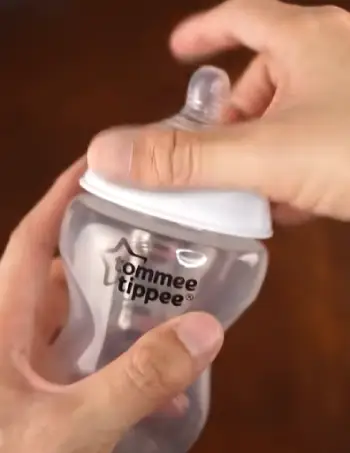
Anti-colic systems and multiple components can mean additional cleaning. I have found that parents should be prepared to take the bottle apart properly after feeding rather than simply rinsing the main body.
This is not a major problem, but it does add a little work to the daily routine.
- Flow Selection Requires Attention
Choosing the right teat flow matters. If the flow is too slow, a baby may become frustrated and feed for an unnecessarily long time. If it is too fast, the baby may cough, gulp, or struggle to coordinate feeding.
I would pay attention to your baby’s behavior rather than changing flow simply because the baby reaches a certain age.
- Not Every Bottle Will Suit Every Feeding Routine
Some parents may prefer taller, slimmer bottles or a different nipple shape. Tommee Tippee’s rounded design is distinctive, but that also means it may not match everyone’s preferences.
Maintenance Tips For Tommee Tippee Bottles
- Wash Every Component Thoroughly
After each feeding, I recommend separating the bottle into its individual parts before cleaning. The teat, collar, cap, and bottle should all be washed properly.
Milk residue can remain in small areas if the components are not separated. I would rather spend an extra minute cleaning everything properly than discover residue later.
- Use a Suitable Bottle Brush
A good bottle brush makes cleaning much easier. Pay particular attention to the bottom and inner walls of the bottle.
I also like using a smaller brush for narrow openings and teat-related components when necessary. The goal is to make sure no milk film remains.
- Clean the Teat Carefully
The teat deserves special attention because its opening is essential to proper feeding. I would avoid using sharp objects to clear the teat hole because that can damage it and alter the flow.
Instead, wash it gently according to the manufacturer’s cleaning instructions and inspect it regularly.
- Sterilize According to the Instructions
For young babies, proper sterilization can be an important part of bottle hygiene. I recommend following the sterilization method and temperature guidance provided with your specific Tommee Tippee bottle.
Do not assume that every bottle component can be treated identically. Some materials may have different care requirements.
- Inspect the Teats Regularly
I always think of bottle teats as wear items. With repeated washing, sterilizing, and use, they can eventually become damaged or worn.
Look for tears, cracks, unusual stretching, discoloration, or changes in the nipple opening. If anything looks questionable, replacing the teat is the safer choice.
- Replace Damaged Components
You do not need to wait until a bottle completely fails before replacing a worn part. A damaged teat, cracked bottle, distorted collar, or poorly fitting component should be replaced.
Keeping replacement parts available can also make feeding much less stressful.
- Avoid Overfilling
I prefer leaving appropriate space in the bottle rather than filling it right to the top. Overfilling can make mixing, shaking, and feeding messier.
Following the volume markings also helps me prepare feeds more consistently.
- Store Clean Bottles Properly
After washing and sterilizing, allow components to dry as appropriate and store them in a clean environment. Avoid putting wet components into a closed container where moisture can remain trapped.
Good storage is an extension of good cleaning.
Comparison Of Tommee Tippee Bottles With Other Brands
- Tommee Tippee vs Philips Avent
Philips Avent bottles are another popular choice, and the two brands take slightly different approaches to bottle shape and nipple design.
I see Tommee Tippee as particularly appealing if you prioritize a broad, breast-like teat and a rounded bottle that is easy to grip.
Avent offers its own range of nipple shapes and anti-colic features, so the better option may ultimately depend on what your baby accepts.
If my baby strongly preferred a wider teat, I would lean toward Tommee Tippee. If the baby was already feeding comfortably from Avent, I would have little reason to switch.
- Tommee Tippee vs Dr. Brown’s
Dr. Brown’s bottles are widely associated with their internal venting system. That makes them attractive to parents who place a high priority on reducing air intake during feeding.
Tommee Tippee feels simpler to me from an everyday handling perspective. Dr. Brown’s can involve more components, while Tommee Tippee focuses on a more straightforward feeding setup.
If gas and venting are my primary concern, I would carefully consider both. If convenience and a broad teat are more important, Tommee Tippee would be high on my list.
- Tommee Tippee vs Comotomo
Comotomo bottles have a soft silicone body and a distinctive wide nipple. They appeal to parents looking for a bottle that feels soft and breast-like.
Tommee Tippee also emphasizes a breast-like feeding experience, but its bottle body feels more conventional and structured.
I would choose based on handling preference. If I wanted a soft, squeezable bottle, I might favor Comotomo. If I wanted a structured bottle with a comfortable rounded grip, Tommee Tippee would make more sense to me.
- Tommee Tippee vs MAM
MAM bottles are known for their baby-friendly nipple shape and design features intended to support comfortable feeding.
Tommee Tippee has an advantage for me in simplicity and its recognizable wide-teat approach. MAM may appeal more to parents who prefer its specific venting and bottle design.
Neither automatically wins. The baby’s latch, feeding speed, comfort, and acceptance should guide the decision.
Also Read: Is Boon Nursh Bottles Worth It?Boon Nursh Bottles Reviews: Why You Should Consider Buying Them?
Frequently Asked Questions (FAQ)
Yes. They offer a comfortable wide teat, practical bottle shape, multiple flow options, and useful anti-colic features.
There is no single universally recommended bottle. Pediatricians generally focus on safe feeding, proper nipple flow, and what works comfortably for the baby.
Their wide, breast-like teat and rounded bottle design are the main distinguishing features.
Both are good options. Tommee Tippee may suit babies who prefer a broad teat, while Avent may suit babies who prefer its nipple and bottle design.
Final Verdict
After considering comfort, teat design, cleaning, flow options, and everyday usability, I think Tommee Tippee bottles deserve a place on your shortlist.
I especially like them for parents who want a broad, breast-like nipple and a bottle that feels comfortable during frequent feeds.
If your baby accepts the teat and feeds comfortably, I would have no hesitation recommending Tommee Tippee as a practical everyday option.
For parents still searching for the right bottle, buying Tommee Tippee is a worthwhile choice to try.
Recent Posts
I tried Meltoway Hair Dissolving Cream because I wanted a quick way to deal with unwanted body hair without reaching for a razor every few days. If you are looking for a convenient at-home...
If you’re considering a saffron-based supplement to support mood, appetite control, and everyday wellness, Happy Saffron Plus is worth considering.I like that it takes a familiar botanical...