
If you’re constantly switching bottles, dealing with leaks, or struggling with colic issues, I can tell you from my own experience that Boon Nursh bottles are worth serious attention.
I started using them when I wanted something simpler, safer, and less frustrating during feeding time. What stood out to me was the collapsible silicone pouch system that actually reduces air intake, something many bottles claim but don’t fully deliver.
If you’re a parent looking for convenience without overcomplication, I genuinely think these bottles deserve a place in your routine.
My First Experience Using Boon Nursh Bottles
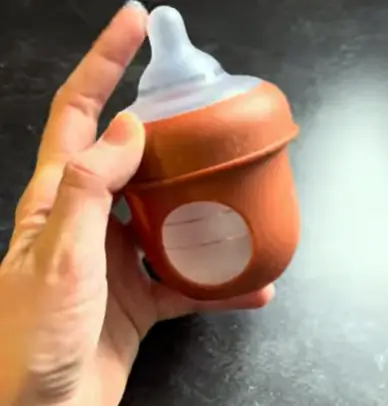
When I first held the Boon Nursh bottle, I honestly thought it looked too simple to be effective.
It doesn’t have the complicated vent systems or multiple tiny parts I was used to cleaning with other brands.
But that simplicity turned out to be its biggest strength.
The first few feeds made me curious. The silicone pouch inside collapses as the baby drinks, which means there’s very little air mixing with milk.
I noticed something important within the first week—less burping and fewer signs of discomfort after feeding.
If you’ve ever dealt with a baby who cries halfway through a feed because of gas, you know how valuable that difference feels.
Another thing I noticed was how natural the latch felt.
The nipple is soft and flexible, and my baby didn’t struggle transitioning between breastfeeding and bottle feeding.
That made my life easier during nighttime feeds when I was too tired to deal with resistance or fussiness.
Cleaning was another pleasant surprise. I expected hidden corners or valves that would require scrubbing brushes, but the Nursh system is refreshingly straightforward. You separate the silicone pouch, rinse, sterilize, and you’re done.
It actually saved me time compared to more complex anti-colic bottles I had used earlier.
Of course, it wasn’t perfect in every situation. When I was in a rush, assembling the pouch sometimes required a bit more attention than a standard rigid bottle.
If it’s not fitted properly, you’ll notice it quickly during feeding. But once I got used to the routine, it became second nature.
What really won me over was consistency. The feeding experience didn’t change from bottle to bottle, and I didn’t have to constantly adjust flow levels or worry about leaking. It felt reliable, and as a parent, that reliability matters more than fancy features.
What Makes Boon Nursh Bottles Different?
What sets these bottles apart is the air-free feeding system. Instead of relying on vents, the silicone pouch collapses as the baby drinks.
That means fewer bubbles, less air intake, and smoother feeding overall. From my observation, this design feels more intuitive compared to traditional anti-colic systems.
The materials also matter. The silicone pouch feels soft and safe, and I don’t get that rigid plastic feeling that some bottles still carry.
It gives a more natural feeding experience, especially for babies transitioning from breastfeeding.Design And Practical Functionality
I appreciate products that don’t try to overcomplicate things, and Boon Nursh fits that mindset. The bottle has three main components, which makes it easier to handle than many competitors.
The wide-neck design helps during filling and cleaning. I never felt like I was struggling to pour formula or breast milk without spilling. The shape also feels stable when placed on surfaces, which reduces accidental tipping.
Another detail I noticed is how well it holds up during travel. Even after being tossed into a diaper bag, I didn’t experience leaks as long as it was assembled correctly. That’s not something I could always say about every bottle I’ve tried before.
Pros Of Boon Nursh Bottles
From my personal experience and consistent use, Boon Nursh bottles bring several meaningful advantages that actually show up in daily parenting life—not just on paper.
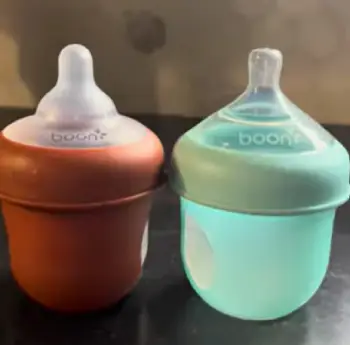
- Excellent reduction in gas and colic discomfort
One of the biggest reasons I kept using these bottles is how noticeably they reduce gas-related fussiness.
The collapsible silicone pouch system prevents air from mixing with milk as the baby feeds.
Instead of relying on vents or complicated internal tubes, the bottle naturally removes air as the pouch shrinks.
In real use, this meant fewer long burping sessions and fewer moments where my baby suddenly cried mid-feed.
I didn’t have to constantly stop and adjust feeding positions like I did with traditional anti-colic bottles. That alone made feeding time feel calmer and more predictable.
- Very simple and stress-free design
I genuinely appreciate how minimal the design is. There are no internal straws, no hidden valves, and no confusing parts. It’s basically just the shell, silicone pouch, and nipple.
That simplicity matters more than I expected. When you’re exhausted or handling night feeds, you don’t want to assemble a puzzle.
With Boon Nursh, I could clean and reassemble everything quickly without second-guessing myself. Even first-time users usually adapt fast because there’s not much to figure out.
- Safer feeding material experience
Another strong advantage is that milk only touches food-grade silicone. I personally like this because it avoids unnecessary plastic contact during feeding.
From a safety standpoint, it gives peace of mind knowing that the inner pouch is soft silicone rather than rigid plastic. Even though the outer shell is plastic for structure, the actual milk pathway remains silicone-based, which feels more reassuring for long-term daily use.
- Easier cleaning compared to vent-based bottles
Cleaning was a major win for me. I’ve used bottles with tiny vents and multiple internal parts before, and those can be frustrating.
With Nursh bottles, everything comes apart easily. No narrow tubes to scrub, no hidden corners trapping residue. I could rinse, wash, sterilize, and dry them without needing special brushes or spending extra time digging into small parts.
Over time, that saved me a lot of effort—especially during busy days.
- Consistent feeding experience for babies
Once my baby got used to it, the feeding rhythm became very consistent. The nipple flow felt stable and predictable, which helped reduce feeding interruptions.
I also noticed that babies who adapt well to silicone nipples tend to stay comfortable with this system because the collapse mechanism mimics natural sucking resistance more closely than rigid bottles.
- Long-term usability and versatility
Another underrated benefit is that these bottles grow with your baby. You can switch nipple flows and even convert them into sippy or straw systems later.
That means I didn’t feel like I was buying something short-term. Instead, it felt like a system that could adapt as feeding needs changed.
Cons Of Boon Nursh Bottles
Even though I like these bottles, they are not perfect, and there are a few real drawbacks I experienced or noticed over time.
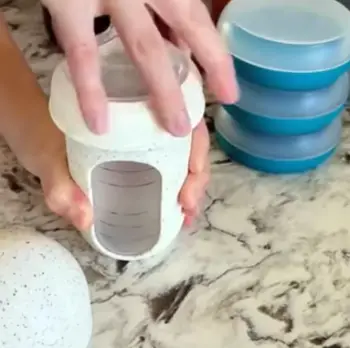
- Requires correct assembly every single time
The biggest issue I faced was assembly sensitivity. The silicone pouch must be perfectly aligned with the rim of the bottle shell.
If even slightly misaligned, it can cause leaks or uneven feeding pressure. In the beginning, I made this mistake a few times, especially when I was rushing.
It’s not difficult once you learn it, but it does require attention every time you prepare a bottle.
- Slight learning curve for first-time users
Even though the design is simple, it still feels unfamiliar at first. If you’re used to standard rigid bottles, the collapsible pouch system takes a few tries to fully understand.
I had to adjust how I filled, sealed, and checked the bottle. After a few days, it became routine, but initially it felt slightly different from traditional bottles.
- Can feel bulky compared to slimmer bottles
The outer shell makes the bottle slightly wider and bulkier than standard designs. While this adds stability, it also means it takes more space in diaper bags or bottle organizers.
When I carried multiple bottles, I noticed they didn’t stack or pack as efficiently as slimmer alternatives.
- Nipple flow may feel slower for some babies
One thing I personally noticed is that the flow can feel slower compared to other brands. While this helps prevent choking and overfeeding, some babies may get impatient, especially if they are used to faster flow bottles.
In a few cases I’ve seen, babies adjusted fine, but a few others may struggle during transition periods if they prefer quick feeding.
- Higher upfront cost compared to basic bottles
Boon Nursh bottles are not the cheapest option. When I first bought them, I did feel the price difference compared to standard plastic bottles.
While the durability and system design justify it over time, the initial investment can feel slightly higher if you’re buying multiple bottles at once.
- Silicone pouch requires replacement over time
Even though the silicone is durable, it does wear out eventually. With long-term use, you may need to replace pouches to maintain performance and hygiene.
That adds a small ongoing cost, which is something to keep in mind if you’re budgeting long term.
- Not always ideal for quick, on-the-go feeding
Because of the assembly step, I sometimes found it slightly less convenient during rushed moments. If I needed to prepare a bottle instantly, I had to make sure everything was aligned correctly before use.
It’s not a dealbreaker, but it’s less “grab and go” compared to simpler rigid bottles.
- Feeding Experience and Baby Comfort
The biggest test of any bottle is how the baby reacts to it. In my case, the difference was noticeable. The reduced air intake seemed to ease digestion. I saw fewer interruptions during feeds, and my baby stayed calmer overall.
The nipple flow also felt well-balanced. It wasn’t too fast to cause choking or too slow to frustrate. That middle ground made feeding smoother, especially during growth phases when appetite changes frequently.
Maintenance Tips For Boon Nursh Bottles
- Clean Immediately After Every Feed
One thing I quickly realized is that waiting too long to clean the bottle makes your life harder. Milk residue can dry inside the silicone pouch, and once that happens, it takes more effort to fully remove.
What works best for me is a simple routine: as soon as feeding is done, I rinse the pouch and nipple under warm water.
Even a quick rinse prevents buildup and keeps odors away. Later in the day, I do a full wash session when I have time.
If you build this habit early, you’ll avoid that “stuck residue” problem that can make cleaning annoying.
- Separate All Parts Before Washing
The Boon Nursh system looks simple, but it only stays clean if you separate everything properly. I always take apart the outer shell, silicone pouch, and nipple before washing.
This matters because the pouch can trap tiny milk drops in folded areas if left inside the shell. When separated, water reaches every surface properly.
I also gently turn the pouch inside out occasionally during washing. This helps remove any hidden milk film that might cling to the inner surface.
- Use Warm Water and Mild Soap
I avoid harsh detergents because silicone doesn’t need aggressive cleaning agents. Warm water with a mild, baby-safe soap works perfectly.
Hot water helps break down milk fats, especially if you’re dealing with formula. I noticed that lukewarm water alone sometimes leaves a slight film, so warm water gives a better result.
After washing, I rinse thoroughly to make sure no soap residue remains, since babies are sensitive to taste changes.
- Sterilize Regularly
Sterilization is important, especially for newborns. I usually sterilize once a day when the baby is very young, then reduce frequency as they grow.
You can boil the parts or use a steam sterilizer. The silicone pouch handles heat well, but I always make sure it is not twisted or compressed during sterilization. Keeping it open helps maintain shape.
One mistake I made early on was over-sterilizing unnecessarily. While it’s safe, excessive heat exposure over time can slightly reduce the elasticity of silicone. Now I stick to a balanced routine instead of overdoing it.
- Dry Completely Before Reassembling
Drying is one of the most important steps people overlook. If any moisture remains inside the pouch or bottle shell, it can affect hygiene and even milk freshness.
I always place all parts on a clean drying rack and let them air dry fully. I avoid wiping inside the pouch with cloths because fibers can stick inside.
The silicone pouch usually dries faster than plastic bottles, but I still wait until everything is completely moisture-free before putting it back together.
Comparison Boon Nursh Bottles With Other Baby Bottle Brands
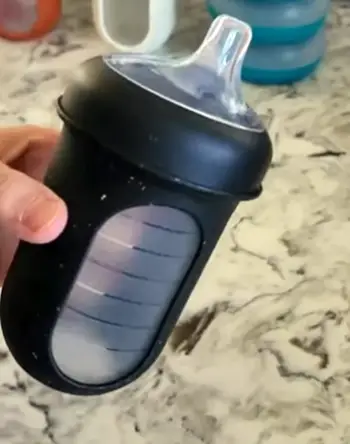
- Boon Nursh vs Dr Brown’s Bottles
When I compare Boon Nursh with Dr Brown’s bottles, the biggest difference is complexity. Dr Brown’s uses a vent system with multiple parts.
It works for reducing gas, but cleaning those internal tubes can be time-consuming.
Boon Nursh achieves a similar anti-colic effect without extra internal pieces.
From my experience, Nursh feels more convenient for everyday use, while Dr Brown’s might appeal more to parents who don’t mind detailed cleaning routines.
- Boon Nursh vs Philips Avent Bottles
Philips Avent bottles are known for their simple design and reliability. I’ve used them too, and they’re solid. However, they still rely on traditional air venting rather than a full collapsible system.
Nursh feels more advanced in reducing air exposure during feeding. Avent bottles are easier to find and slightly more budget-friendly, but Nursh offers a more modern feeding approach in my experience.
- Boon Nursh vs Tommee Tippee Bottles
Tommee Tippee bottles are often praised for their breast-like nipple design. I found that to be somewhat accurate, but they still allow more air compared to Nursh.
Nursh wins in reducing gas-related discomfort, while Tommee Tippee might feel more familiar for babies who prefer a wider nipple shape. Personally, I found Nursh more consistent in performance, especially for long-term feeding routines.
- Overall Performance and Suitability
From my perspective, Boon Nursh bottles are best suited for parents who want a simpler anti-colic solution without dealing with complicated parts. They work well for newborns and growing infants, especially if gas discomfort is a concern.
They may not be the absolute cheapest option, but the ease of use and feeding comfort balance that out for me.
Also Read: Is Grownsy Bottle Warmer Worth It?
Frequently Asked Questions (FAQ)
Yes, they are effective, simple, and reduce air intake during feeding.
Dr Brown’s bottles are often widely recommended by pediatricians.
No, they are designed with silicone pouches and BPA-free materials.
Yes, they are made from baby-safe, non-toxic materials.
Wrapping Up
After using Boon Nursh bottles consistently, I found them practical, reliable, and genuinely helpful for reducing feeding discomfort.
They don’t rely on complicated systems, yet they manage to deliver a smoother feeding experience. If you prefer simplicity with effective anti-colic performance, these bottles make a strong case for themselves.
I would personally recommend them to parents who want less hassle and more consistency in daily feeding routines.
Recent Posts
● Interactive 5-Zone Interior & Exterior Paint Blueprint Paint Coverage Calculator: Gallons, Primer, Square Footage & Cost Tap any architectural surface zone on the blueprint...
If you want smooth, shiny hair without spending a fortune on a premium styling tool, the Ella Bella hair dryer may be worth considering.In these Ella Bella hair dryer reviews, I’ll look...