
You know those mornings when you want something quick, satisfying, and actually good for you without loading up on sugar? That is exactly why I think you should grab Too Good Yogurt. It delivers creamy texture and real flavor with way less sugar than most options on the shelf, making it a smart pick for busy days or anyone watching their carbs. In this review I break down everything from my real-life experience to the details that matter most so you can see if it fits your routine.
My Experience With Too Good Yogurt
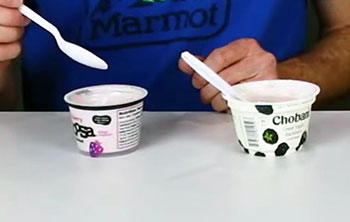
I remember the first time I picked up a pack of Too Good Yogurt at the store. I was tired of the usual Greek yogurts that either tasted too tart or hid sneaky amounts of added sugar.
The packaging looked clean and simple, and the promise of only 2 grams of sugar per serving caught my eye right away.
You know how it feels when you are trying to eat better but still want something that tastes like a treat? That was me.
When I got home and opened the vanilla cup, the first thing I noticed was the smooth, thick consistency. It did not separate like some lower-fat options I had tried before. I stirred it gently and took that first spoonful.
The flavor hit me as mildly sweet with a pleasant vanilla note and just enough tang to remind me it was real yogurt. No overwhelming artificial aftertaste, which I appreciated because I have had bad experiences with other low-sugar brands.
The stevia used here blended nicely without that bitter edge some people complain about.
Over the next few weeks I made it part of my daily routine. In the mornings I would pair it with a handful of fresh berries or a sprinkle of nuts for extra crunch and nutrition.
It kept me full until lunch thanks to the 12 grams of protein in each 5.3-ounce cup. That protein punch really helped on days when I was rushing between work and errands.
I even tried the strawberry flavor during one grocery run, and while the fruit puree added nice color and taste, I found the vanilla stayed my favorite for versatility.
What surprised me most was how well it worked in recipes too. I mixed it into smoothies instead of higher-sugar alternatives and used it as a base for overnight oats.
The ultra-filtered milk base made it feel luxurious without the extra calories. At around 80 calories per serving, it felt like a light yet satisfying choice that supported my goals without leaving me hungry an hour later.
Of course, not every experience was perfect. On warmer days the texture stayed firm in the fridge, but I learned to eat it straight from the cold shelf for the best mouthfeel.
Some days I wished for bolder fruit pieces instead of puree, but adding my own fresh fruit fixed that quickly. I also appreciated that it was lactose-friendly for many people thanks to the culturing process, though I always check labels if sharing with friends who have sensitivities.
After trying it consistently for over a month, I noticed I felt better overall with fewer sugar crashes in the afternoon. You might feel the same if you are cutting back on sweets but still crave something creamy and probiotic-rich.
The black specks in the vanilla from real vanilla beans added a nice touch of authenticity that made me smile each time. It is not the cheapest yogurt on the shelf, but the quality and lower sugar made the cost feel worthwhile for me.
I even brought a few cups to work for quick desk snacks, and colleagues asked what brand it was because it looked and smelled so fresh. That social proof made me confident in my choice.
If you are someone who gets bored with plain options but wants to avoid high-sugar flavored yogurts, Too Good offers a middle ground that actually delivers. My routine became simpler and tastier, and I kept reaching for it week after week.
Pros Of Too Good Yogurt
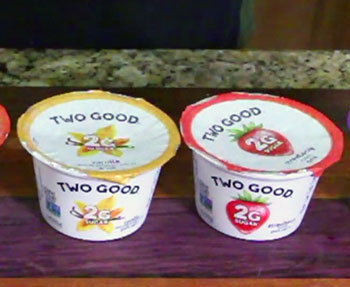
- Low Sugar Content: You get only 2 grams of total sugar per serving with no added sugars, which is about 70 to 80 percent less than the average flavored Greek yogurt that often packs 10 grams or more. This makes it easier for you to manage daily sugar intake without sacrificing a sweet treat.
- High Protein Per Serving: Each cup delivers around 12 grams of protein from ultra-filtered milk, helping you stay full longer and supporting muscle maintenance if you are active. I found this especially useful on busy days when a quick snack needed to hold me over.
- No Artificial Sweeteners: The brand relies on stevia leaf extract and natural flavors instead of artificial options, giving you cleaner ingredients that many of us prefer in our daily diet.
- Creamy And Smooth Texture: The ultra-filtered milk creates a thick, satisfying consistency that feels indulgent even in the low-fat version, and it does not get watery like some competitors.
- Gluten-Free And Non-Gmo Verified: These certifications add peace of mind if you follow specific dietary needs or simply want to avoid certain additives.
- Convenient Single-Serve Cups: The 5.3-ounce portions are perfect for grab-and-go, fitting easily into lunch bags or gym totes without mess.
- Probiotic Benefits From Live Cultures: It contains active yogurt cultures like L. bulgaricus and S. thermophilus, which support gut health and digestion when you enjoy it regularly.
- Versatile For Recipes: You can mix it into smoothies, use it as a sour cream substitute, or top it with your favorite fruits and nuts, making it more than just a standalone snack.
- Calorie-Friendly: At roughly 80 calories per cup, it fits well into calorie-conscious plans while still delivering flavor and satisfaction that keeps you from reaching for less healthy options.
- Real Fruit Puree In Flavored Varieties: The blended versions use real fruit puree for natural taste and color instead of heavy syrups, which feels like a thoughtful touch.
Also Read: My Thoughts on Nuzest Clean Lean Protein
Cons Of Too Good Yogurt

- Milder Flavor Profile: Some people, including me on certain days, find the taste less bold than traditional Greek yogurts, so it might feel subtle if you prefer stronger tang or sweetness right out of the cup.
- Reliance On Stevia: While natural, stevia can leave a slight aftertaste for sensitive palates, and not everyone loves that subtle bitterness that sometimes lingers.
- Higher Price Point: Compared to basic store brands, Too Good costs more per serving, which might stretch your budget if you eat yogurt daily and watch expenses closely.
- Limited Flavor Variety: The lineup focuses on classics like vanilla and strawberry, so if you crave exotic options or lots of mix-ins, you may need to add your own toppings for excitement.
- Texture Can Feel Less Luxurious To Some: A few tasters notice it lacks the deep creaminess or lingering mouthfeel of higher-fat or traditional strained yogurts, making it good but not always exceptional.
- Potential For Bitterness In Certain Flavors: In my trials with fruit varieties, occasional batches tasted slightly more tangy or off if not perfectly fresh, though this was rare.
- Not The Thickest Option Available: While creamy, it does not match the ultra-dense texture of some premium Greek brands, which might disappoint you if thickness is your top priority.
- Processed Nature: Even with better ingredients, it remains a packaged product using thickeners like tapioca starch and gellan gum, so purists seeking minimal processing might look elsewhere.
- Availability Can Vary: Depending on your location, you might not find every flavor or the larger tubs consistently stocked, requiring a bit of planning or online ordering.
- Less Calcium Emphasis: The ultra-filtration process concentrates protein but can result in slightly lower natural calcium levels compared to some traditional yogurts, though it still contributes meaningfully.
Maintenance Tips For Too Good Yogurt
- Store It Properly In The Refrigerator: Always keep unopened cups at the back of the fridge where the temperature stays consistently cold, ideally between 35 and 40 degrees Fahrenheit, to maintain freshness and prevent spoilage for the full shelf life.
- Check The Expiration Date Before Buying: I make it a habit to pick cups with at least two weeks remaining, so I can enjoy them without rushing and avoid any off flavors that develop closer to the date.
- Stir Gently Before Eating: Give the yogurt a light stir with a spoon to redistribute any natural separation or fruit puree, which helps you get even flavor and texture in every bite without breaking down the creaminess too much.
- Consume Within A Week Of Opening Larger Tubs: If you buy the bigger 32-ounce size, transfer leftovers to an airtight container and finish it within seven days while keeping it refrigerated to preserve taste and probiotic quality.
- Avoid Freezing The Cups: Freezing can alter the smooth texture and cause separation upon thawing, so I stick to fresh consumption and only freeze if I plan to blend it into smoothies later.
- Pair With Fresh Add-Ins For Best Results: Add berries, nuts, or a dash of cinnamon right before eating to enhance flavor naturally without compromising the low-sugar profile you chose it for.
- Keep It Away From Strong Odors: Store the yogurt separate from pungent foods like onions or garlic in the fridge because the packaging is not completely airtight and odors can transfer easily.
- Monitor For Changes In Appearance Or Smell: If you notice any unusual color shifts, off smells, or excessive liquid, discard it immediately to stay safe, as with any cultured dairy product.
- Use It In Cooking Within Its Prime Window: Incorporate opened yogurt into baked goods or sauces within a few days for optimal creaminess and to make the most of its protein content before it starts to sour naturally.
- Rotate Flavors In Your Rotation: Buy a mix of vanilla and fruit varieties and alternate them so you stay excited about your snacks while keeping the overall sugar intake balanced across the week.
Comparison With Other Brands
Too Good Yogurt Versus Chobani Greek Yogurt
You might love Chobani for its wide flavor selection and sometimes fruit-on-the-bottom style, but I found Too Good edges it out on sugar control with far fewer grams per serving.
Chobani often includes more added sugars or fruit preparations that boost the count, while Too Good keeps things minimal with stevia and puree.
Texture-wise, Chobani can feel thicker in some varieties, yet Too Good holds its own with a smoother, less separated feel thanks to ultra-filtered milk.
If you prioritize lowest sugar and steady energy, Too Good wins for me, but you may prefer Chobani when you want bolder fruit chunks and more options overall.
Too Good Yogurt Versus Fage Greek Yogurt
Fage stands out for its authentic strained thickness and clean ingredient list in plain forms, often with higher fat options that deliver richer mouthfeel.
Too Good, being lower in fat and sugar, offers a lighter experience that still provides solid protein but may not match Fage’s luxurious density. I appreciate Fage for its minimal processing when I want plain yogurt, yet Too Good shines when I need flavored convenience without the sugar spike.
You will likely choose Fage for traditional Greek authenticity and Too Good when watching carbs or seeking a milder daily option.
Too Good Yogurt Versus Oikos Greek Yogurt
Oikos, especially the Triple Zero line, competes directly with high protein and zero added sugar claims, sometimes using similar sweeteners. In my trials, Too Good felt creamier and less artificially sweet than some Oikos batches, though Oikos can pack even more protein in certain tubs.
Flavor intensity varies, with Oikos often leaning tangier. If you seek the absolute highest protein punch, Oikos might appeal more, but Too Good gives you better balance of taste and lower overall calories for everyday snacking.
Too Good Yogurt Versus Siggi’s Icelandic Yogurt
Siggi’s focuses on skyr-style thickness with even less sugar in many flavors and a pronounced tangy profile from longer straining. Too Good stays milder and more accessible for those who dislike strong sour notes.
Siggi’s often emphasizes fewer ingredients and higher protein density, making it a premium pick, while Too Good offers comparable health perks at a slightly more approachable price and texture for quick eating. You might rotate both depending on whether you crave intense tang or smoother daily enjoyment.
Too Good Yogurt Versus Stonyfield Organic Yogurt
Stonyfield brings organic certification and grass-fed options to the table with creamy traditional or Greek styles. Too Good does not claim organic status but counters with ultra-low sugar and convenient ultra-filtered base.
Stonyfield can taste more naturally sweet from milk sugars alone in plain forms, yet Too Good adds gentle flavor without spiking carbs. If organic sourcing matters most to you, Stonyfield feels superior, but Too Good provides practical low-sugar benefits that fit modern lifestyles better for many.
Read More: My Thoughts on Bio-Kult Probiotics
Frequently Asked Questions (FAQ)
Yes, Too Good Yogurt serves as a healthier choice compared to many sweetened yogurts because of its significantly lower sugar content, solid protein amount, and live cultures that support digestion.
It is not the single most natural option available since it includes thickeners and stevia, but it helps you avoid excessive added sugars while delivering probiotics and nutrients. I consider it a smart everyday pick when balanced with whole foods in your diet.
Too Good Yogurt is a Greek-style product made with ultra-filtered milk and cultured like traditional Greek yogurt, delivering similar thickness and higher protein concentration.
It qualifies as a cultured ultra-filtered low-fat milk product in the Greek yogurt category, though some purists note the ultra-filtration step makes it slightly different from classically strained versions. For most practical purposes, you can treat it as Greek yogurt.
Plain, unsweetened Greek or Icelandic yogurt from brands like Fage or Siggi’s often ranks among the healthiest due to minimal ingredients, high protein, live active cultures, and no added sugars.
Factors such as organic sourcing, grass-fed milk, and absence of thickeners play a role too. Ultimately, the healthiest choice depends on your needs, but starting with plain varieties and adding your own fresh toppings gives you the most control. Too Good fits well if you want flavored convenience with better sugar stats.
Conclusion
After weeks of making Too Good Yogurt part of my routine, I believe it is worth adding to your fridge if you want lower sugar, good protein, and convenient creaminess without major compromises.It may not be perfect for every palate, but it delivers where it counts for busy, health-conscious eaters like you and me. Give it a try and see how it fits your days. You might just find your new favorite snack.
Recent Posts
● Interactive 5-Zone Interior & Exterior Paint Blueprint Paint Coverage Calculator: Gallons, Primer, Square Footage & Cost Tap any architectural surface zone on the blueprint...
If you want smooth, shiny hair without spending a fortune on a premium styling tool, the Ella Bella hair dryer may be worth considering.In these Ella Bella hair dryer reviews, I’ll look...