
In my opinion, the Tracki GPS tracker is worth considering if you want an affordable, compact device to help monitor your vehicle, luggage, personal belongings, or other valuable items.
Its small size, real-time location tracking, and customizable alerts make it appealing for everyday use.
However, subscription fees, battery life, and cellular coverage deserve careful consideration before you buy.
If you want a versatile GPS tracker with flexible tracking options, Tracki could be a practical choice, provided its ongoing costs fit your budget.
My First Experience With The Tracki GPS Tracker
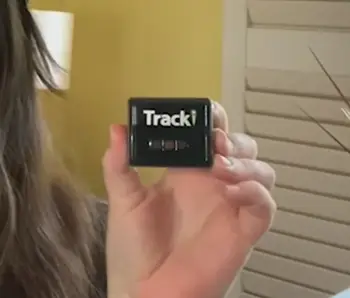
When I evaluate a GPS tracker, I look beyond its advertised features. I want to know whether it is convenient to carry, dependable when locating an item, and easy enough for everyday users to manage.
Tracki attracts attention because it combines a compact design with several tracking features in one device.
The first thing I appreciate about the Tracki GPS tracker is its portability. Its small size makes it suitable for slipping into a backpack, placing inside a vehicle, or attaching to luggage with an appropriate accessory.
If you travel frequently or worry about losing valuable belongings, having a discreet tracker can provide additional peace of mind.
I also like the idea of checking a tracker’s location through a smartphone or computer. Instead of relying entirely on visual inspections or phone calls, you can use the tracking platform to check the device’s reported position.
Depending on the model, network availability, settings, and subscription, Tracki can provide location updates, movement alerts, and historical tracking information.
For example, imagine leaving your car in a large parking area before visiting a crowded shopping center.
A tracker can help you identify its reported location later. Similarly, if you pack expensive equipment for a trip, placing a tracker inside your luggage may help you monitor its whereabouts.
However, I would not assume that every location update will be instantaneous or perfectly accurate.
GPS performance can change when the device is indoors, underground, surrounded by tall buildings, or operating in an area with weak satellite reception. Cellular coverage also affects how quickly the tracker sends information to its platform.
Battery life is another important consideration. A small tracker is convenient to carry, but compact dimensions limit the space available for its battery.
Frequent location updates can consume more power than less frequent reporting. If I planned to use Tracki for extended trips, I would establish a charging routine rather than wait for a low-battery warning.
I would also pay attention to the subscription arrangement before activating the device. Tracki’s location-tracking service generally requires an active paid plan, so the initial purchase price does not represent the entire cost of ownership.
Overall, I see Tracki as a flexible tracking tool rather than a guarantee against theft or loss. It can help you make better-informed decisions when monitoring belongings, but its usefulness depends on setup, coverage, battery management, and realistic expectations.
What Is The Tracki GPS Tracker?
Tracki is a compact GPS tracking device designed to help users monitor the location of vehicles, luggage, personal belongings, and other assets. Depending on the model and service plan, it can combine GPS positioning with cellular connectivity and other location technologies to report where the device is located.
The important distinction is that determining a location and communicating that location are two different tasks. GPS helps the device calculate its position, while a communication network transmits that information to the tracking platform.
Tracki devices may support features such as real-time location updates, geofencing, movement alerts, and location history. Availability and performance can vary according to the model, subscription, and operating conditions.
Pros Of The Tracki GPS Tracker
- Compact and Portable Design
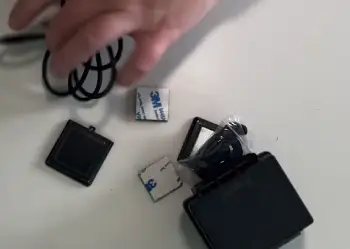
One of Tracki’s strongest advantages is its small form factor. A tracker is much easier to use consistently when it does not take up much room or add unnecessary weight.
I can see the appeal for travelers who want to place a device inside luggage without sacrificing valuable packing space.
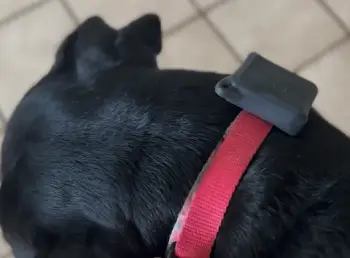
Vehicle owners may also appreciate having a compact unit that can be positioned discreetly and securely.
The device’s portability gives you flexibility. You can use it for one purpose today and another later, provided the mounting accessories, environmental conditions, and service arrangement are appropriate.
- Multiple Tracking Applications
Tracki is not limited to a single type of asset. Depending on the model, it can be used to monitor vehicles, luggage, bags, equipment, and other movable possessions.
This versatility is helpful if your tracking needs change. Rather than buying separate devices for every application, you may be able to use one compatible tracker for several purposes at different times.
Still, I would choose the mounting method carefully. A tracker placed loosely in a bag may shift around, while one installed in a vehicle needs secure positioning and protection from excessive heat, moisture, and accidental damage.
- Location Monitoring From a Phone or Computer
Remote access is a major benefit. Instead of physically checking an item, you can view its reported location through the supported tracking platform.
For frequent travelers, this can be especially convenient. If a suitcase is delayed or a vehicle is parked somewhere unfamiliar, location information may help you determine where to investigate.
Remember that the displayed position is only as useful as the latest successful update. Always check the update time instead of assuming that a marker represents the device’s exact current location.
- Geofencing and Movement Alerts
Geofencing allows you to define a virtual boundary around an area. Depending on the device and plan, you can receive notifications when the tracker enters or leaves that boundary.
For example, you might establish an alert around a parking location or a storage facility. If the tracked asset moves unexpectedly, the notification can prompt you to investigate.
Movement alerts can also help you distinguish between a stationary object and one that has been relocated. However, notifications may be delayed by connectivity problems, reporting intervals, or application settings.
I would treat these features as useful warning tools rather than guaranteed theft-prevention systems.
- Potentially Useful Location History
Location history can help you review previously reported positions instead of relying only on the current location.
This may be useful for retracing a journey, checking where equipment was last seen, or understanding the movement of an asset throughout a working day.
For businesses, historical information can sometimes help with basic operational planning. For personal use, it may provide clues when an item goes missing.
The amount of history available and how long it remains accessible depend on the service and account settings. I would check these details before purchasing Tracki for work that requires long-term records.
Cons Of The Tracki GPS Tracker
- Recurring Subscription Costs
The biggest drawback for many buyers is the ongoing service fee. GPS positioning alone does not provide the remote tracking experience most users expect; the device generally needs an active service plan to transmit location data.
This means your total cost includes the purchase price and the subscription over the period you intend to use the tracker.
Before buying, I would compare monthly and longer-term payment options, check billing terms, and confirm whether the selected plan supports the desired update frequency and features.
- Battery Life Can Be Limited
A compact tracker cannot hold an unlimited amount of power. Frequent updates, movement, network conditions, and configuration can affect how often you need to recharge it.
If you forget to charge the device, it may stop reporting at the moment you need it most.
For vehicle monitoring, this can be particularly inconvenient if the tracker is hidden away and not checked regularly. I recommend building battery checks into your routine.
- Location Accuracy Is Not Guaranteed
GPS performance varies with the surrounding environment. Open outdoor areas generally provide better conditions than underground garages, enclosed buildings, tunnels, or streets surrounded by tall structures.
The location shown in the application may also be delayed if cellular service is weak or the device has not transmitted a fresh update.
I would not rely on Tracki as the sole source of location information in a critical emergency or other situation requiring guaranteed, continuous positioning.
- Network Coverage Matters
A tracker that depends on cellular connectivity cannot transmit information reliably in every location.
Before using Tracki internationally, check whether the specific model and service plan support the destination country. Do not assume that a device sold for one region will work identically everywhere.
Remote locations, underground facilities, and areas with limited cellular infrastructure may create additional difficulties.
- Setup and Configuration Require Attention
Although the general setup process is manageable, users still need to activate the device, configure the account, understand alerts, and confirm that the tracker is reporting correctly.
Incorrect settings can create unnecessary notifications or make the device less useful than expected.
I recommend testing the tracker before depending on it during travel or leaving an expensive item unattended.
6. It Cannot Guarantee Theft Recovery
Tracki can provide location information, but it cannot prevent someone from removing the device, damaging it, blocking its signal, or allowing its battery to run out.
A reported location may help you and the appropriate authorities investigate a loss, but recovery is never guaranteed.
For expensive vehicles and equipment, I would consider the tracker one part of a wider security plan that includes physical locks, secure storage, and appropriate insurance.
Maintenance For The Tracki GPS Tracker
- Establish a Consistent Charging Routine
Battery management should be your first priority. Check the battery indicator regularly and recharge the device before it reaches a critically low level.
Your ideal charging schedule depends on how often the tracker reports its location and how frequently you use it. A tracker configured for frequent updates may need attention more often than one used occasionally.
If you rely on Tracki during a trip, charge it before leaving and carry a compatible charging cable or power accessory where appropriate.
I would also test battery performance periodically. If the device begins losing power much faster than expected, review its settings and investigate whether increased reporting frequency or weak connectivity could be contributing.
- Choose a Suitable Location
Placement influences both tracking performance and physical durability.
For vehicle use, choose a secure position that provides suitable reception and does not interfere with driving, vehicle controls, airbags, or other safety equipment. Avoid locations exposed to excessive heat, moisture, or mechanical damage.
For luggage, place the tracker where it will remain secure while the bag is handled. Do not assume that a tracker will function well when buried beneath dense materials or enclosed in a way that blocks signals.
I would test the chosen position before relying on it.
- Test Location Updates Regularly
A tracker is only useful if you understand how it behaves under normal conditions.
Check its reported position in a familiar outdoor location and compare the displayed information with the actual surroundings. Review the timestamp to see whether the device is transmitting fresh data.
Then test it in the environment where you expect to use it. A tracker that works well outdoors may perform differently inside a vehicle, building, or luggage compartment.
This simple process helps you identify problems before they become urgent.
- Review Geofencing and Alert Settings
Your alert settings should match your real needs.
If you are monitoring a parked vehicle, configure a suitable boundary and movement notifications if those features are supported by your plan. If you are tracking luggage, consider whether movement alerts will provide useful information or simply generate unnecessary notifications.
Check that notifications are enabled on your phone and that the application has the permissions it needs.
I would also review the settings after changing devices, reinstalling the application, or modifying the tracking plan. Never assume that all preferences remain unchanged after an account or software update.
- Keep the Device Clean and Dry
Use a soft, dry cloth to remove dust and surface dirt. Avoid harsh chemicals, excessive water, and abrasive cleaning materials.
Check the charging port and casing for visible damage before charging. Do not force a cable into the port or attempt to open the device unless the manufacturer specifically provides instructions for that procedure.
Water resistance varies by model and accessory, so check the specifications rather than assuming your tracker is waterproof.
Comparison Of Tracki GPS Tracker With Other Brands
- Tracki vs. Apple AirTag
Apple AirTag is designed primarily to help users locate personal items through Apple’s Find My network.
It is compact and uses a replaceable battery, which can be convenient for everyday belongings.
Tracki is better suited to buyers who want a dedicated tracker with its own supported positioning and communication arrangements.
AirTag, by contrast, relies on nearby compatible Apple devices to relay its location and does not provide the same independent GPS-and-cellular tracking experience.
If I wanted to find keys or a backpack in places where compatible devices are nearby, an AirTag could be practical. If I needed a dedicated tracker for an appropriately supported vehicle or asset, I would examine Tracki more closely.
- Tracki vs. Tile
Tile trackers are useful for locating keys, wallets, bags, and other frequently misplaced objects. Their capabilities vary by model and rely on Bluetooth and the associated finding network.
Tracki offers a different approach because its supported models can report location through dedicated tracking technology and cellular connectivity.
For locating something inside your home or nearby, Tile may be more convenient and economical. For monitoring a moving asset beyond ordinary Bluetooth range, Tracki may be a better fit, provided network coverage and subscription requirements are acceptable.
- Tracki vs. LandAirSea
LandAirSea offers dedicated GPS tracking products, including devices designed for vehicle and asset monitoring.
Compared with Tracki, the most relevant differences may involve battery capacity, mounting options, reporting frequency, service pricing, and the intended operating environment. Exact capabilities depend on the products being compared.
If I were choosing between these brands for a vehicle, I would compare their total subscription costs, expected battery life, location update intervals, and ease of installation rather than making a decision based on the advertised range alone.
- Tracki vs. Spytec GPS
Spytec GPS focuses on GPS tracking solutions for vehicles, assets, and other monitoring applications. Like Tracki, its offerings may involve dedicated hardware and recurring service charges.
The best option depends on the particular device and plan. I would compare coverage, reporting options, battery performance, alerts, and account management features before deciding.
Tracki may appeal to buyers who prioritize a compact, versatile tracker. Spytec may deserve consideration if its available products better match your installation requirements or monitoring needs.
- Tracki vs. Samsung SmartTag
Samsung SmartTag products are primarily designed for locating personal items through Samsung’s compatible device ecosystem. They are not direct replacements for a dedicated cellular GPS tracker.
If you use a compatible Samsung phone and want help finding everyday objects, a SmartTag may be a convenient option. If you need independent location reporting for an asset in a different location, Tracki’s dedicated tracking approach may be more appropriate.
The key is to match the technology to the job. A Bluetooth-based item finder and a cellular GPS tracker solve overlapping but different problems.
Is The Tracki GPS Tracker Worth Buying?
I would consider Tracki a worthwhile option for people who need flexible location monitoring and are comfortable paying for an ongoing service.
Its compact design, supported location alerts, and ability to monitor different kinds of assets make it attractive.
However, the subscription cost, battery requirements, network limitations, and possibility of delayed updates mean it is not a perfect solution.
Before buying, identify exactly what you want to track. Check that the model suits the intended application, confirm the service works where you need it, and calculate the full cost over your expected period of use.
If you want a dedicated GPS tracker for supported vehicles, luggage, or valuable equipment, Tracki deserves consideration. If you only need to find keys or a bag nearby, a less expensive Bluetooth tracker may be sufficient.
Also Read: Is PetLink GPS Tracker Worth It?
Frequently Asked Questions (FAQ)
Tracki offers paid subscription plans, and the monthly equivalent varies by plan, billing period, and current pricing. Check the available plans before purchasing.
Tracki, LandAirSea, and Spytec GPS are three dedicated tracking brands worth comparing. The best choice depends on your intended use and budget.
Tracki generally requires an active subscription for its remote tracking service. Without it, you should not expect normal location reporting through the platform.
Potentially. Account details, device identifiers, and service records may connect a tracker to its user. Use the device lawfully and protect your account information.
Wrapping Up
I recommend considering the Tracki GPS tracker if you want a compact device for monitoring supported vehicles, luggage, or valuable belongings.
Its location updates, alerts, and flexible applications can make everyday tracking more convenient.
Before buying, compare subscription costs, battery expectations, and network compatibility with your needs.
If those requirements fit your budget, Tracki can be a practical addition to your personal or business security setup.
Recent Posts
Sally Hansen Insta-Dri Review: Is This Quick-Drying Nail Polish Worth Buying?
If you love a fresh manicure but hate waiting around for your nails to dry, Sally Hansen Insta-Dri is worth considering.This quick-drying nail polish promises vibrant color, convenient...
If you need a warm, comfortable, and reasonably priced sleeping bag for camping, backpacking, or chilly nights outdoors, the TETON Celsius sleeping bag deserves a closer look. I like its...