
I spent months cooking side by side with Victoria and Lodge cast iron skillets in my own kitchen, testing everything from daily eggs to high-heat sears and oven bakes.
My goal here is simple: give you a clear, practical breakdown of how these two popular brands stack up so you can pick the one that fits your cooking style, strength, and budget without second-guessing.
| Feature | Lodge | Victoria |
| Country of Origin | USA (Tennessee) | Colombia |
| Surface Finish | Rougher, sand-cast texture | Smoother out of the box |
| Pre-Seasoning | Vegetable/soy-based oil | Non-GMO flaxseed oil |
| Weight (approx. 10-inch) | Heavier, often 5–5.5+ lbs | Lighter feel in many models |
| Heat Retention | Excellent, thicker walls | Very good, faster response |
| Handle Design | Shorter classic handle, helper on many | Longer curved ergonomic handle, strong pour spouts |
| Price Range (10–12 inch skillet) | $20–$40 | $20–$35 |
| Best For | High-heat searing, camping, longevity | Everyday stovetop, easier handling, quicker seasoning build |
Key Differences Between The Victoria Cast Iron And Lodge

- Surface texture and initial food release: Lodge comes with a noticeably rougher finish from its sand-casting process.
That texture holds oil well over time but can feel sticky at first. Victoria arrives smoother, so eggs and delicate proteins often release more cleanly in the early weeks of ownership.
- Weight and handling: Lodge pieces feel solid and substantial, which many cooks love for stability.
Victoria models frequently feel a bit more agile thanks to longer, curved handles that improve leverage and reduce wrist strain during flipping or pouring.
- Seasoning oil and early performance: Lodge uses a reliable vegetable oil base that builds steadily with use.
Victoria’s flaxseed oil creates a harder initial layer that many users find more nonstick right away, though both improve dramatically after a few months of regular cooking.
- Heat behavior: Lodge’s thicker construction holds temperature longer when you drop in cold food, making it ideal for deep browning.
Victoria heats a touch faster and recovers well, which suits quick weeknight meals.
- Pour spouts and practical design: Victoria’s larger, more contoured pour spouts tend to spill less when draining fat or sauces.
Lodge spouts work fine but are shallower on classic models.
- Brand heritage and availability: Lodge carries over 125 years of American manufacturing history and sits on shelves almost everywhere.
Victoria, a family company since 1939, offers strong value and thoughtful ergonomics but appears more often online than in big-box stores.
These differences matter most in daily use rather than on paper. I noticed the smoother Victoria surface made scrambled eggs less stressful on day one, while the Lodge held a screaming-hot sear on a thick steak without temperature crash.
Key Features Of Victoria Cast Iron
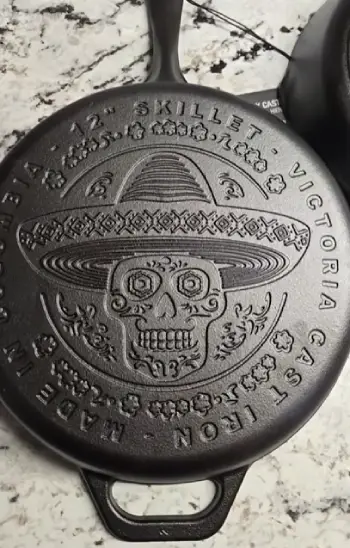
- Flaxseed oil pre-seasoning: The non-GMO, kosher-certified coating starts stronger than many factory finishes.
It develops a deep black patina faster for me and resists early flaking when I avoid extreme temperature shocks.
- Ergonomic long handle and helper options: The curved design gives better balance.
Even when the pan is full, I can move it from stove to oven with more control and less wrist fatigue.
- Deep vessel and wide pour spouts: The slightly taller sides hold sauces and braises without sloshing.
The spouts pour cleanly, which I appreciate when I need to drain bacon grease or deglaze.
- Made in Colombia since 1939: The company controls its own foundry process, resulting in consistent casting quality across sizes.
Pieces feel refined without looking overly polished.
- Versatile heat compatibility: Works on gas, electric, induction, ceramic, grill, and campfire.
Oven-safe to high temperatures, so I move freely between stovetop and broiler.
- Affordable pricing with solid warranty: Competitive with Lodge while delivering thoughtful details that feel premium in the hand.
Victoria feels like the friend who shows up ready to cook rather than needing weeks of extra attention. The smoother base and better leverage changed how often I reached for cast iron on rushed mornings.
Pros Of Victoria Cast Iron
- Smoother cooking surface from the start: Food sticks less during the break-in period. I fried eggs with minimal oil after only a handful of uses and felt confident sooner.
- Better ergonomics for many users: Longer handle and balanced weight reduce strain. If you cook frequently or have any wrist sensitivity, this difference shows up every time you lift the pan.
- Strong factory seasoning with flaxseed oil: Creates a harder, more glass-like layer that many testers and home cooks praise. My Victoria developed an even black finish faster than my Lodge.
- Excellent pour spouts: Less mess when draining liquids. This small detail saves cleanup time and keeps the stovetop cleaner.
- Competitive price and lifetime warranty: You get thoughtful design without paying boutique prices. The limited lifetime warranty adds peace of mind.
- Faster heat response: Useful for weeknight cooking when you want the pan ready quickly. It still retains heat well enough for solid sears.
These advantages make Victoria feel more approachable for newer cast-iron users while still satisfying experienced cooks who value comfort and early nonstick performance.
Cons Of Victoria Cast Iron
- Slightly less heat mass than classic Lodge: In side-by-side tests with very thick cuts of meat, the Lodge held temperature a fraction better when cold food hit the surface. The difference is small but measurable for serious searing.
- Brand recognition and retail presence: Harder to find in local stores. If you like inspecting cookware in person, Lodge is easier.
- Occasional reports of early seasoning flaking: A few users note that overheating the pan during the first uses can cause the flaxseed layer to peel. Careful temperature control solves this quickly.
- Size selection narrower in some markets: While core skillet sizes are solid, Lodge offers more specialty shapes and larger options in many retailers.
None of these issues stopped me from reaching for the Victoria regularly. They simply highlight where Lodge still holds an edge for certain cooking styles.
Key Features Of Lodge Cast Iron
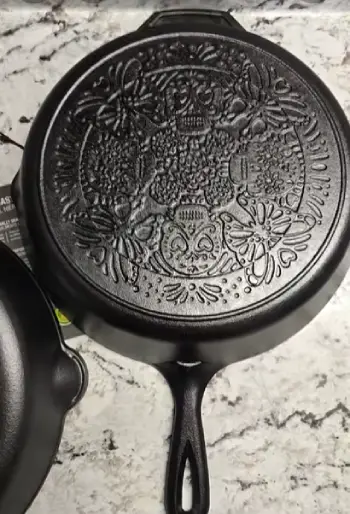
- Made in USA since 1896: Continuous production in South Pittsburg, Tennessee gives the brand deep institutional knowledge.
The iron feels dense and purposeful.
- Classic sand-cast construction: Thicker walls and a rugged texture deliver outstanding heat retention.
Once hot, the pan stays hot, which shines when searing multiple steaks or baking cornbread.
- Vegetable oil pre-seasoning: Ready to use out of the box.
The coating is functional from day one and builds a reliable nonstick surface through regular cooking and occasional oven seasoning.
- Wide size range and accessory ecosystem: From 6-inch egg pans to massive 15-inch skillets, plus Dutch ovens, griddles, and lids that fit well.
Lodge makes it easy to expand a collection.
- Helper handles and dual pour spouts on many models: Practical for heavy loads.
The shorter handle keeps the center of gravity close, which some cooks prefer for control.
- Proven durability and value: Extremely tough under daily abuse. Price stays low, and the brand’s long track record means parts and knowledge are easy to find.
Lodge is the reliable workhorse that never complains. I have one that has survived camping trips, high-heat pizza experiments, and years of oven use without warping or cracking.
Pros Of Lodge Cast Iron
- Outstanding heat retention and evenness once preheated: Perfect for restaurant-style sears and oven baking. My Lodge produces consistent crusts on steaks and golden cornbread every time.
- Rock-solid durability: Built to last generations. It shrugs off metal utensils, high heat, and outdoor use without complaint.
- Broad availability and size range: Easy to buy, easy to match lids or expand the set. The ecosystem of accessories is hard to beat.
- Proven American manufacturing history: Many cooks trust the long track record. The brand has refined its process for over a century.
- Affordable entry point with reliable performance: You can own a high-performing piece for the price of a couple of restaurant meals.
- Improves dramatically with use: The rougher surface becomes smoother and more nonstick as seasoning builds. My older Lodge now releases food as well as any pan I own.
Lodge rewards patience and consistent use. The pan becomes an extension of your cooking habits over months and years.
Cons Of Lodge Cast Iron
- Heavier feel and shorter handle on classic models: Can fatigue the wrist during long cooking sessions or when transferring heavy loads. The Chef Collection line improves this, but the traditional skillets stay hefty.
- Rougher initial surface: Requires more oil and careful technique in the beginning. Eggs can stick more until the seasoning matures.
- Shallower pour spouts on some models: More drips when draining fat compared with Victoria’s deeper design.
- Slower to heat fully: The extra mass takes a few extra minutes to reach optimal temperature. Not a deal-breaker, but noticeable on busy nights.
These drawbacks are manageable with good technique. Once the pan is fully broken in, most of them fade into the background.
Real Kitchen Performance Side By Side
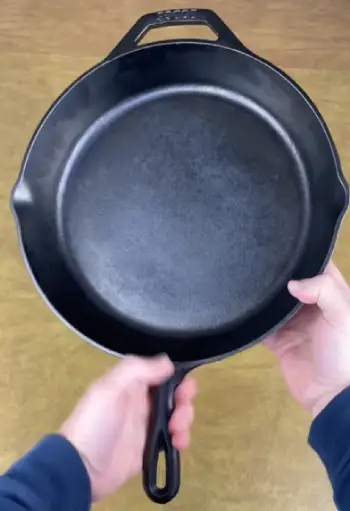
I cooked the same meals in both pans for several weeks.
For searing steak, Lodge produced a slightly deeper crust because it held heat better when the cold meat landed.
Victoria still delivered excellent browning and released the steak cleanly. For fried eggs and pancakes, Victoria felt more forgiving early on.
Lodge caught up after additional seasoning layers.
Baking cornbread showed almost identical results: both gave a crisp exterior and moist interior.
Heat distribution was even in both once properly preheated, though Lodge stayed hotter longer between batches.
Cleaning followed the same rules for both: hot water, soft brush or chainmail if needed, dry thoroughly, and a light oil rub.
Neither likes the dishwasher.
Both develop beautiful seasoning with regular use of fatty foods and occasional oven refreshes.
Maintenance Reality Check
Cast iron is not high-maintenance once you understand the basics. Preheat gradually, avoid sudden temperature shocks with cold water, and dry completely after washing.
Acidic foods can strip seasoning early on, so wait until the surface is well established.
Both brands respond the same way to care. Victoria’s smoother start simply shortens the awkward phase for many people.
Who Should Choose Which?
If you prioritize maximum heat retention, American-made heritage, wide availability, and do not mind a heavier pan, Lodge is hard to beat. It is the safe, proven choice that will still be cooking for your kids or grandkids.
If you want a smoother surface right away, better ergonomics, excellent pour spouts, and strong performance at a similar price, Victoria makes more sense. It feels more modern in the hand while delivering classic cast-iron results.
Many serious home cooks end up owning both. I keep the Lodge for heavy searing and camping, and the Victoria for everyday eggs, stir-fries, and anything that benefits from easier handling.
Also Read: Comparison Of Calphalon Premier And Signature
Frequently Asked Questions (FAQ)
There is no single best. Lodge and Victoria both excel; the right one depends on your priorities for weight, surface feel, and heat retention.
Colombia. The company has produced cookware in its own facilities there since 1939.
It is one of the most trusted and widely recommended, especially for value and durability, but not automatically superior in every category.
Not universally. Victoria often wins on initial smoothness and ergonomics; Lodge frequently wins on heat mass and brand ecosystem. Test what matters most to your cooking.
Final Thoughts
After living with both pans, I can tell you that either choice will elevate your cooking for years. The differences are real but not dramatic enough to make one a clear failure.
You will get excellent sears, reliable heat, and that signature cast-iron flavor from both. Choose based on how the pan feels in your hand and how you actually cook most days.
Once you start using it regularly, the seasoning will improve, the food will release better, and you will wonder why you waited so long to add proper cast iron to your kitchen.
Pick the one that fits your wrists, your stove, and your budget, then start cooking. The rest takes care of itself through use.
Recent Posts
● Interactive 5-Zone Interior & Exterior Paint Blueprint Paint Coverage Calculator: Gallons, Primer, Square Footage & Cost Tap any architectural surface zone on the blueprint...
If you want smooth, shiny hair without spending a fortune on a premium styling tool, the Ella Bella hair dryer may be worth considering.In these Ella Bella hair dryer reviews, I’ll look...