
I spent weeks testing both the Vitamix 5200 and the Propel 750 side by side in my own kitchen, making everything from daily green smoothies to hot soups and nut butters.
My goal here is simple: to help you decide which of these two high-performance blenders fits your daily habits, storage space, and budget without the usual marketing fluff. After running both hard, the differences become clear in power delivery, convenience features, and how they live on a real countertop.
| Feature | Vitamix 5200 | Vitamix Propel 750 |
| Motor Power | 2 HP | 2.2 HP |
| Container | 64 oz classic tall | 64 oz low-profile |
| Height with Container | 20.5 inches | 18 inches |
| Variable Speed | Yes (1-10 dial) | Yes (1-10 dial) |
| Pulse Feature | Manual control | Dedicated pulse switch |
| Preset Programs | None | 5 (Smoothie, Hot Soup, Frozen Dessert, Dips & Spreads, Self-Cleaning) |
| Container Clean | Hand wash / self-clean with soap | Dishwasher-safe + self-clean program |
| Warranty | 7 years | 7 years |
| Approx. Price Range | $450–$500 | $600–$630 |
| Blade Diameter | 3 inches | 4 inches |
Key Differences Between The Vitamix 5200 And Propel 750
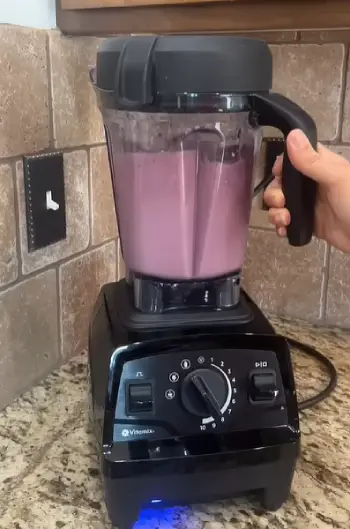
- Container shape and height: The 5200 uses the classic tall, narrow jar that stands just over 20 inches once seated on the base.
That height forces many of us to remove the container every time we want to tuck the blender under a standard cabinet.
The Propel 750 switches to a low-profile 64-ounce jar that keeps the whole unit around 18 inches, so it slides under most upper cabinets without drama.
In daily use I noticed the shorter jar also creates a wider vortex that pulls ingredients down faster when I am working with large batches of frozen fruit.
- Motor output and blade size: On paper the jump from 2 HP to 2.2 HP looks small, yet the Propel’s extra power pairs with four-inch blades instead of the 5200’s three-inch set.
When I crushed a full load of ice or blended thick almond butter, the Propel finished a few seconds sooner and left fewer unblended bits at the bottom.
The 5200 still handles the same tasks with ease. It simply takes a touch more time and occasional tamping.
- Control layout and automation: The 5200 keeps everything manual with a high/variable switch and a continuous speed dial.
You decide every second of the blend. The Propel 750 adds a dedicated pulse switch plus five timed programs that run the machine through a pre-set speed curve and shut off automatically.
I found myself reaching for the smoothie and self-clean programs on busy mornings while still dialing the speed manually when I wanted chunky salsa.
- Cleaning routine: Both machines clean themselves with warm water and a drop of dish soap on high speed.
The Propel, however, lets you drop the container and lid straight into the dishwasher afterward.
After weeks of sticky nut butters and oily pesto, that single difference saved me noticeable scrubbing time.
- Color and aesthetic options: The 5200 typically ships in black, red, or white.
The Propel 750 expands the palette to include slate, giving it a slightly more modern look that matches newer kitchen finishes.
Key Features Of The Vitamix 5200
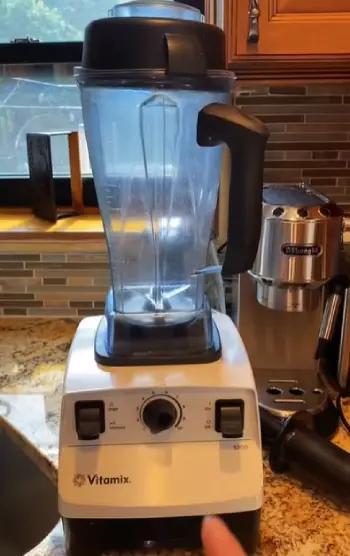
- Variable-speed dial with high switch: Turning the dial from 1 to 10 gives precise control over texture.
I use the lower range for chunky dips and the high setting for silky soups that heat themselves through friction.
- 64-ounce classic container and long tamper: The tall jar works especially well for smaller batches because ingredients stay closer to the blades.
The included tamper reaches the bottom without scraping the sides, which is helpful when the mixture is thick.
- Aircraft-grade stainless steel blades: These hardened blades stay sharp for years and cut through fibrous greens, frozen berries, and whole nuts without hesitation.
- Radial cooling fan and thermal protection: The motor base stays relatively cool even after back-to-back blends, and the thermal switch prevents burnout if you push it too hard.
- Seven-year full warranty: Vitamix covers the base, container, blades, and labor.
In my experience the company ships replacement parts quickly when something does fail years down the road.
Pros Of The Vitamix 5200
- Pure manual control that never gets in the way: I always know exactly what the machine is doing. There are no programs to override when I want a custom texture for a new recipe.
- Proven long-term durability: Many owners report a decade or more of daily use. The simpler electronics mean fewer parts that can fail over time.
- Excellent performance on smaller batches: The tall, narrow jar keeps ingredients circulating even when I blend only two cups of smoothie. The Propel’s wider jar sometimes needs a bit more volume to create the same vortex.
- Often available at a lower street price: When the 5200 goes on sale or appears in the certified reconditioned program, the savings can be substantial while still delivering professional results.
- Straightforward learning curve: New users figure out the dial and switch in minutes. There is no menu to navigate or program icons to memorize.
Cons Of The Vitamix 5200
- Height that fights most cabinets: At 20.5 inches the assembled unit rarely fits under standard upper cabinets. I keep mine on the counter full-time, which eats valuable real estate in a smaller kitchen.
- No automatic programs: Every blend requires active attention. On rushed mornings I sometimes wish I could press one button and walk away.
- Container is not dishwasher-safe: Although the self-clean cycle works well, sticky residues still need occasional hand scrubbing around the blade assembly.
- Slightly less power for the densest mixtures: Thick nut butters and large ice loads take a few extra seconds and more tamping compared with the Propel.
- Limited color choices: The classic black, red, and white options look fine, yet they lack the modern slate finish some kitchens prefer.
Key Features Of The Vitamix Propel 750
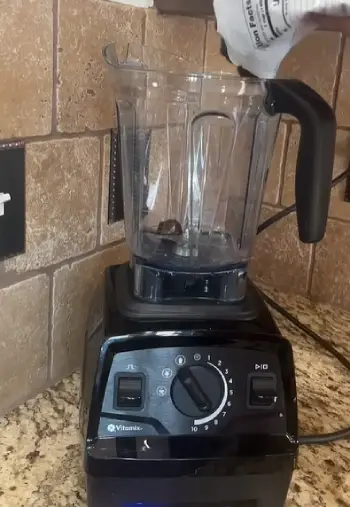
- Five automatic programs: Smoothie, hot soup, frozen dessert, dips and spreads, plus a dedicated self-cleaning cycle.
Each program runs a specific speed pattern and stops on its own, so I can walk away while it works.
- Low-profile 64-ounce container: The shorter, wider design fits under cabinets and still holds family-sized batches.
The wider base also makes pouring easier with less dripping down the side.
- Dedicated pulse switch and variable speed: The pulse button gives short bursts for chopping onions or crushing ice without over-processing.
The dial still lets me fine-tune any texture between the presets.
- Dishwasher-safe container and lid: After the self-clean cycle I can toss the parts in the top rack.
This is a genuine time-saver compared with hand-washing every sticky residue.
- 2.2 HP motor paired with four-inch blades: The extra horsepower and larger blade surface area move dense mixtures faster and produce smoother results on the first pass.
Pros Of The Vitamix Propel 750
- Convenient preset programs that actually work: The smoothie and soup cycles deliver consistent results without babysitting. The self-clean program finishes in under a minute and leaves the jar nearly spotless.
- Low-profile design that fits real kitchens: Being able to store the entire blender under a cabinet changed how often I used it. I no longer have to lift the heavy container on and off the base every day.
- Dishwasher-safe parts: After oily or fibrous blends I appreciate dropping the container and lid straight into the dishwasher. Cleanup feels almost effortless.
- Slightly stronger motor and larger blades: Dense recipes finish faster and smoother. I noticed fewer unblended bits when making large batches of hummus or frozen desserts.
- Dedicated pulse function: Short bursts make quick work of chopping vegetables or crushing ice for cocktails without turning everything to mush.
Cons Of The Vitamix Propel 750
- Higher purchase price: The extra features cost roughly $100–$150 more than a typical 5200. For pure blending power the difference is noticeable but not dramatic.
- Wider jar can struggle with very small batches: When I blend only a single serving, ingredients sometimes sit above the blades until I add a splash more liquid or use the tamper.
- Still loud at high speeds: Like every Vitamix, the Propel is not quiet. The motor noise sits in the same range as the 5200 once it hits full power.
- More electronic components: The programs and pulse switch add complexity. While reliability remains excellent, the simpler 5200 has fewer parts that could eventually need service.
- Fewer long-term owner reports: The 5200 has a fifteen-year track record in home kitchens. The Propel series is newer, so long-term durability data is still accumulating.
Real-World Performance Side By Side
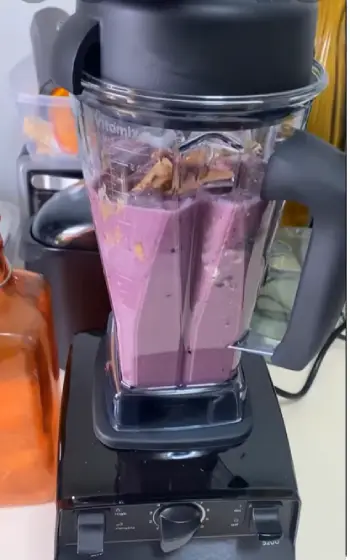
I ran identical recipes on both machines over several weeks.
For a standard green smoothie with kale, frozen banana, and protein powder, both produced silky results in under 45 seconds.
The Propel’s preset finished the job while I prepped the rest of breakfast. The 5200 required me to stay at the dial.
Hot tomato soup showed the friction-heating capability both share. After six minutes on high the mixture reached serving temperature in either blender.
The Propel’s soup program timed the cycle automatically and shut off, which I preferred when multitasking.
Thick almond butter tested the motors hardest. The 5200 needed about three minutes of steady high speed plus frequent tamping.
The Propel finished in closer to two and a half minutes with less effort on my part. Both left the butter completely smooth and the motors stayed cool.
Ice crushing for frozen margaritas favored the Propel slightly. Its larger blades and extra power turned a full tray of cubes into uniform snow a few seconds faster.
The 5200 still crushed everything thoroughly. It simply took a touch longer.
Noise levels stayed comparable. Both machines sit in the upper 80-decibel range at full speed. If quiet operation is a priority, neither will satisfy without an optional sound enclosure.
Storage, Footprint, And Daily Usability
The height difference proved more important than I expected. In my kitchen the 5200 lives permanently on the counter because removing the tall jar every time becomes annoying.
The Propel slides under the cabinet as a complete unit, so the counter stays clear when I am not blending.
Weight is nearly identical around ten pounds, so neither feels light, yet both stay stable during high-speed runs. The Propel’s wider base gives it a slightly more planted feel when the mixture is thick.
Cord length favors the 5200 in some kitchens with its six-foot cord versus roughly three and a half on the Propel, but both reach a typical outlet without extension cords.
Who Should Choose The Vitamix 5200?
If you value simplicity, prefer complete manual control, and already have counter space for a tall appliance, the 5200 remains an outstanding choice.
It also makes sense when the price gap is large or when you find a good reconditioned unit.
Owners who blend smaller portions regularly will appreciate how the tall jar keeps ingredients near the blades.
Who Should Choose The Vitamix Propel 750?
If you want one-touch programs, easier cleanup, and a blender that fits under cabinets, the Propel 750 earns the extra cost.
Families that make larger batches and anyone who values the self-clean program and dishwasher-safe jar will notice the convenience every day.
The modest power increase and larger blades deliver slightly faster results on the toughest recipes.
Long-Term Ownership Considerations
Both machines carry the same seven-year full warranty and the same reputation for lasting a decade or more with normal care.
Replacement containers and tampers remain available for both models. The 5200’s simpler design may age with fewer electronic issues, while the Propel’s programs add daily convenience that many users grow to rely on.
Either way, you are buying a tool built for heavy, repeated use rather than occasional smoothies.
Also Read: Comparison Of Oster And Black And Decker Blender
Frequently Asked Questions (FAQ)
Yes. It carries the same professional-grade motor, blades, and build standards Vitamix uses across its high-performance lineup and handles daily commercial-level volume in a home kitchen.
It remains one of the best pure-performance options for users who want total manual control and proven longevity, though newer models add convenience features many people now prefer.
Yes. It delivers excellent blending results plus practical upgrades in height, programs, and cleanup that make it a strong daily driver.
The Vitamix Explorian E310 or E320 offers similar power and variable speed in a more compact package at a lower price, though with a smaller container.
Final Thoughts
After living with both blenders I can tell you the choice comes down to how you actually cook.
If you want the purest, most direct control and do not mind the tall profile, the 5200 still delivers legendary performance that has earned its reputation over many years. If you prefer presets that free up your attention, a machine that stores easily, and simpler cleanup after sticky recipes, the Propel 750 feels like the more modern everyday partner.
You will get outstanding results from either machine.
Pick the one that matches the way you move through your kitchen, and you will stop thinking about the blender and simply enjoy what it makes.
Recent Posts
● Interactive 5-Zone Interior & Exterior Paint Blueprint Paint Coverage Calculator: Gallons, Primer, Square Footage & Cost Tap any architectural surface zone on the blueprint...
If you want smooth, shiny hair without spending a fortune on a premium styling tool, the Ella Bella hair dryer may be worth considering.In these Ella Bella hair dryer reviews, I’ll look...